Buttermilk Biscuits
Make tall buttermilk biscuits with tender layers and golden tops. Learn how to handle the dough, cut clean rounds, and keep the sides wonderfully soft.
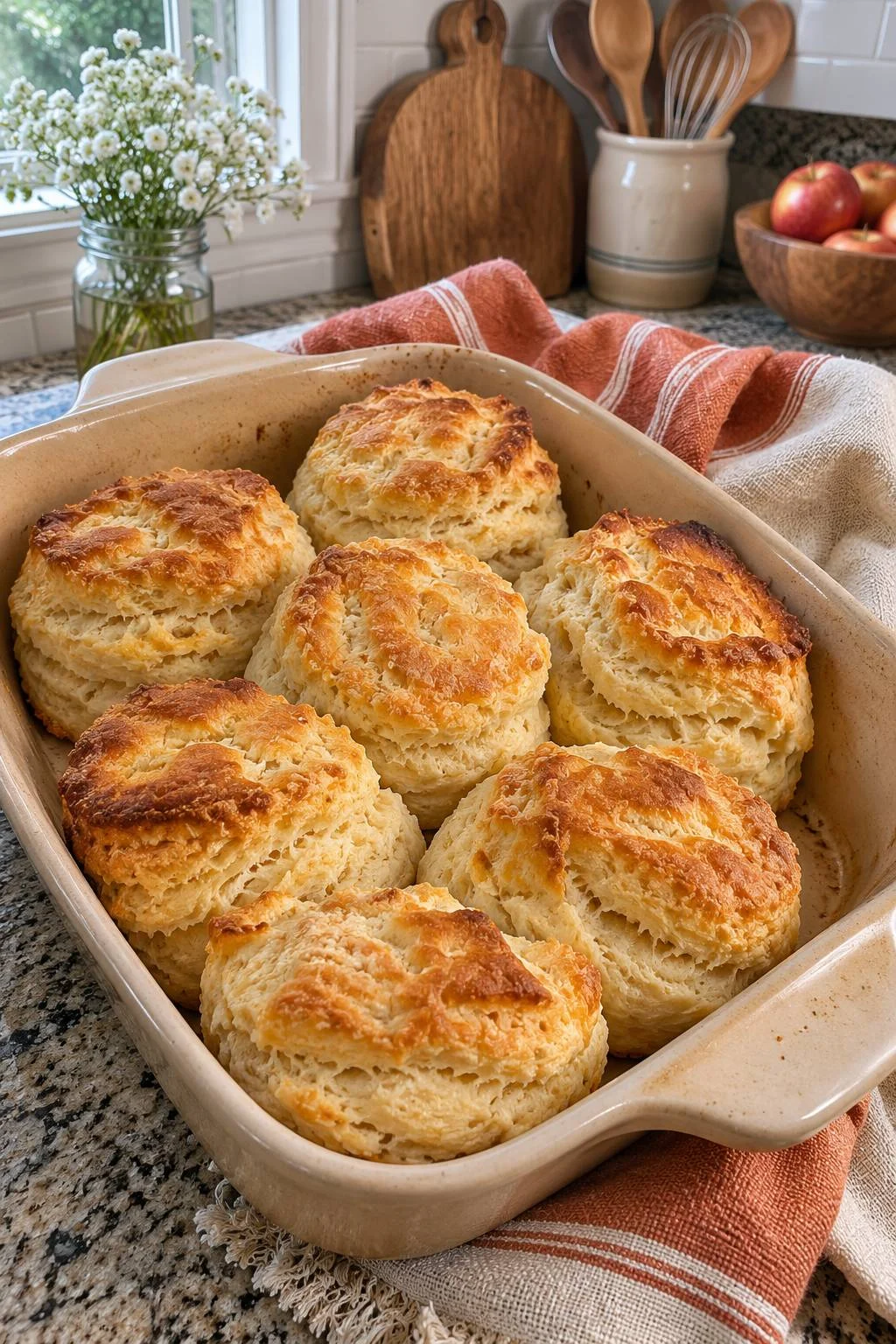
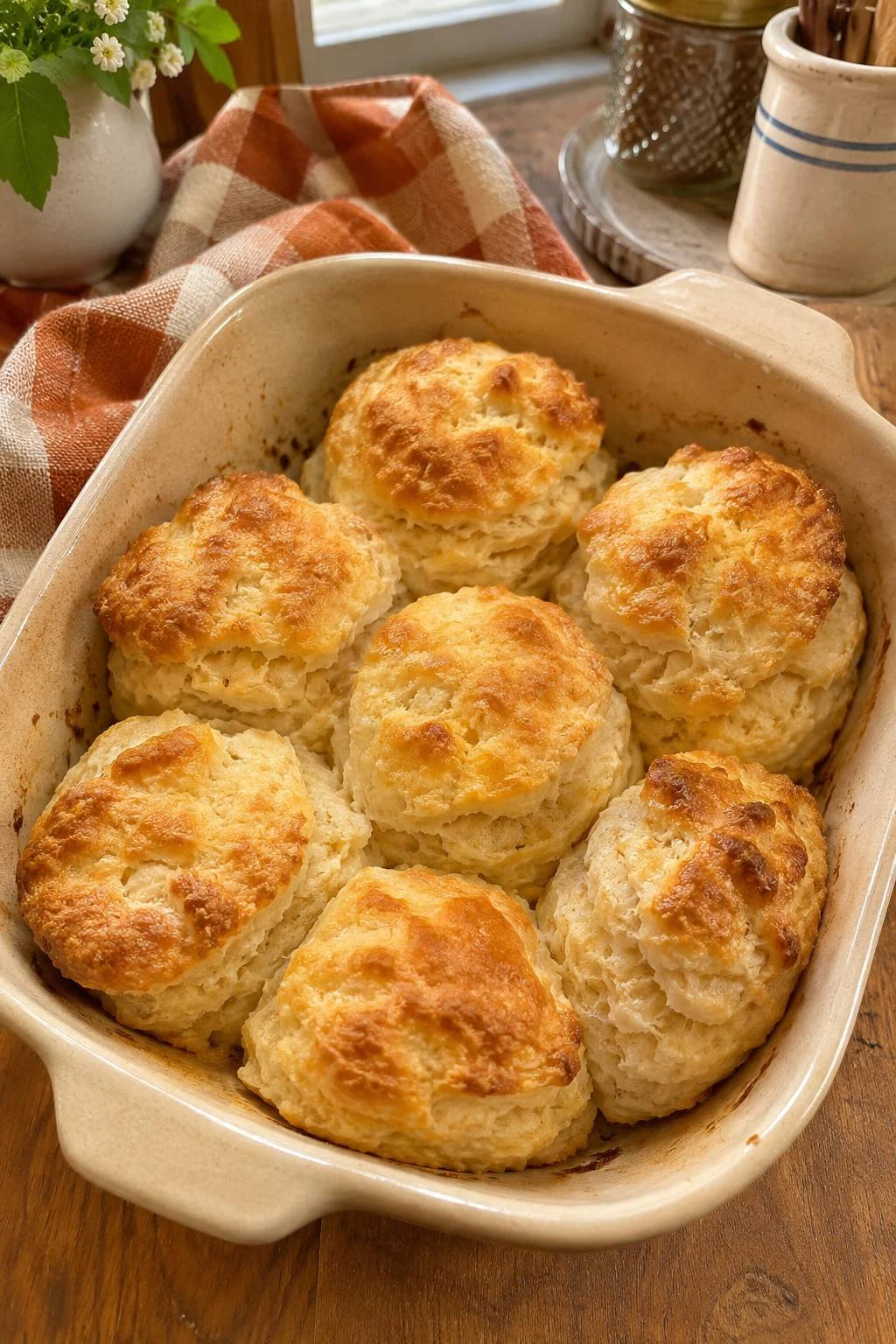
A pan of warm buttermilk biscuits brings a cozy touch to the table, especially when the tops are craggy and deep golden and the layers inside are tender. These biscuits bake close together, so their sides stay soft while the tops develop their inviting color.
The dough benefits from a light touch rather than a lot of fuss. A few careful choices, from measuring the flour to cutting the rounds, will help you make the most of its texture.
Measure the flour with a light hand
All-purpose flour gives the biscuit dough its structure, while baking powder and baking soda are part of the recipe's leavening. Fine salt seasons the dough throughout. For the best texture, spoon the flour into your measuring cup and level it off instead of scooping directly from the bag.
Scooping can pack extra flour into the cup, leaving you with dry biscuits. A light dusting on the work surface is useful when you shape the dough, but try not to work more flour into it than you need.
Keep the butter cold and the dough shaggy
Cold, cubed unsalted butter is cut into the dry ingredients until the mixture looks crumbly and contains pea-size pieces. You do not need to blend those pieces away. They should still be visible before the buttermilk goes in.
Cold buttermilk brings the mixture together. Stir just until a shaggy dough forms; it does not need to look smooth or polished in the bowl. Handling it gently from that point helps preserve the tender texture you want in the finished biscuits.
Fold gently for distinct layers
The folds give this dough its layered character. Pat it into a rectangle, fold it like a letter, and turn it as directed on the recipe card. Use gentle pressure to bring the dough back into shape, rather than kneading it as you might a bread dough.
If the dough starts to stick, lightly dust your hands and the counter. Adding flour this way gives you a more manageable surface without kneading unnecessary flour into the dough. When shaping is finished, pat the dough evenly so the rounds bake evenly.
Cut cleanly and watch for a golden top
Dip the round cutter in flour and press straight down without twisting. Cut the rounds close together, then gently stack and press the scraps to make the remaining biscuits. Keeping the scraps handling gentle matters just as it does with the original dough.
The prepared ceramic dish holds the rounds with their edges nearly touching, which keeps their sides soft. Brush the tops with the reserved buttermilk, then bake according to the recipe card. Look for tall biscuits with deep golden tops and set sides on the biscuits in the center before taking the dish from the oven.
Frequently Asked Questions
Why does the butter need to be cold?
Cold butter is easier to cut into the flour mixture while leaving visible pieces. Stop when the mixture is crumbly with pea-size pieces, rather than blending it until it looks uniform. Use the softened butter separately to grease the baking dish.
What should I do if the biscuit dough sticks?
Lightly dust your hands and the work surface with flour as you fold and pat the dough. Avoid kneading in extra flour to make it less sticky, since too much flour can leave the biscuits dry.
How can I tell when the biscuits are baked?
Use the baking guidance on the recipe card and check the biscuits themselves. They should be tall and deep golden on top, with the sides of the center biscuits looking set. Let them stand in the dish as directed before serving warm.
Recipe
Buttermilk Biscuits
These tall buttermilk biscuits have craggy, golden tops and tender layers. Baking the rounds close together keeps the sides soft.
- Course
- Side Dish
- Cuisine
- American
- Difficulty
- Easy
- Servings
- 7 Portionen
- Prep time
- 20 mins
- Cook time
- 22 mins
- Total time
- 47 mins
- Calories
- 300 kcal
Ingredients
Instructions
Preheat the oven to 425°F with a rack in the center. Grease an 8-inch square ceramic baking dish with the softened butter.
Whisk the flour, baking powder, baking soda, and salt in a large bowl. Cut in the cold butter with a pastry blender until the mixture is crumbly with pea-size pieces of butter. Pour in 1 cup of the buttermilk and stir just until a shaggy dough forms.
Turn the dough onto a lightly floured work surface and gently press it into a rectangle. Fold it in thirds like a letter, then give it a quarter turn and pat it back into a rectangle. Repeat the fold twice more, then pat the dough 1 inch thick.
Dip a 2 1/2-inch round biscuit cutter in flour and press it straight down without twisting. Cut the rounds close together, then gently stack and press the scraps to cut the remaining biscuits. Arrange the 7 rounds in the prepared dish with their edges nearly touching. Brush the tops with the remaining 1 tbsp buttermilk.
Bake for 20 to 23 minutes, until the biscuits are tall and deep golden on top and the sides of the center biscuits look set. Let stand in the dish for 5 minutes before serving warm.
Notes
- Spoon the flour into the measuring cup and level it off. Scooping straight from the bag can pack in extra flour and make the biscuits dry.
- If the dough sticks during folding, dust the counter and your hands lightly rather than kneading extra flour into the dough.
Recipe: https://naileditrecipes.co/buttermilk-biscuits/