Classic Springerle Cookies with Anise
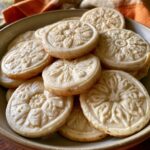
Make classic German Springerle cookies with anise-scented dough, crisp imprinted designs, pale tops, and lightly golden bottoms. Let the patterns dry before baking.
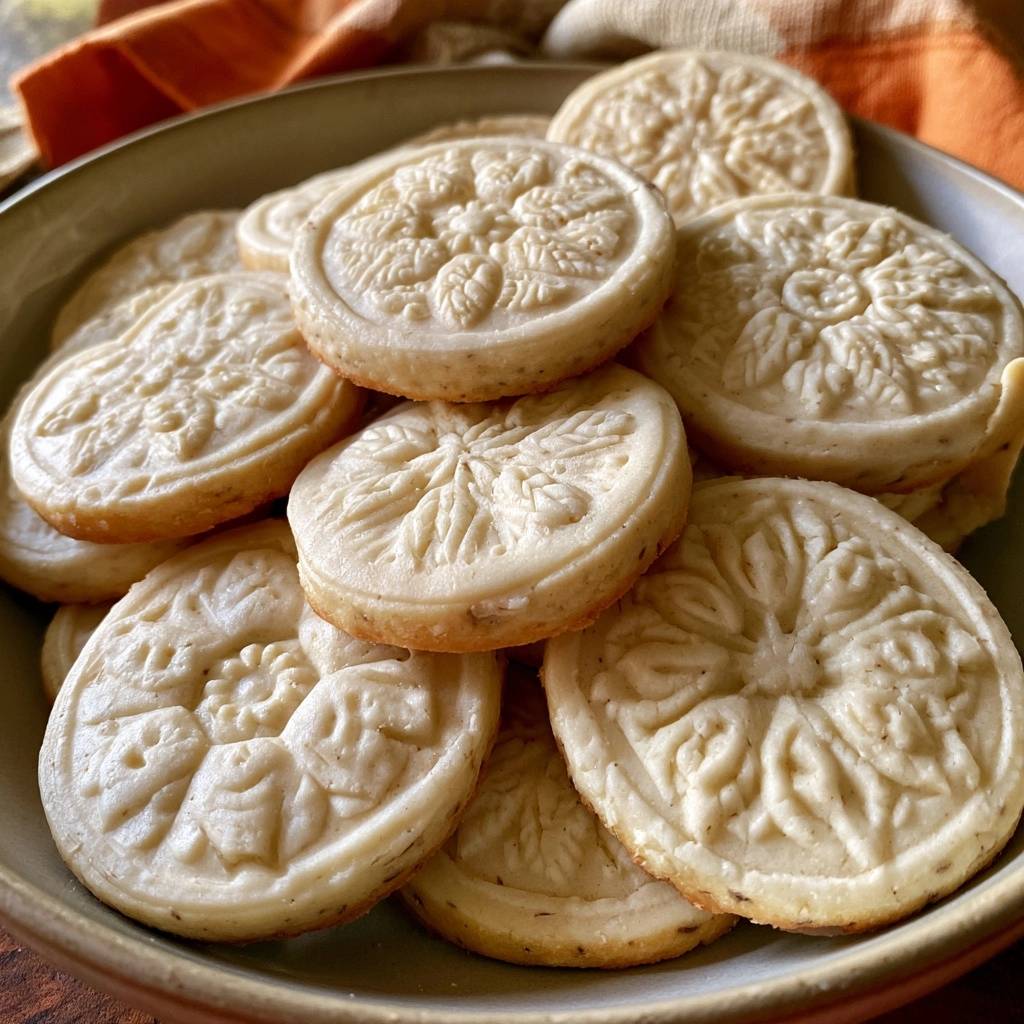
Classic Springerle cookies bring a distinctive pressed pattern and gentle anise aroma to a Christmas cookie plate. Their simple dough gets its character from finely ground anise and the detailed design of a Springerle mold.
The dough is rich with eggs and sugar, then shaped and left uncovered so its impressions can set. That drying stage is part of the technique: bake when the tops feel dry and matte to help the designs stay clear.
What gives Springerle their character
Eggs and granulated sugar create the base of the dough. Beating them until pale, thick, and ribbon-like gives the mixture the texture it needs before the dry ingredients are added. Room-temperature eggs are easier to incorporate smoothly into this mixture.
Finely ground anise brings the cookies their signature aromatic flavor. Grinding the seeds finely helps distribute that flavor through the dough, while baking powder and salt round out the dry ingredients. All-purpose flour gives the dough enough structure to hold the mold’s impressions.
Aim for firm dough and crisp impressions
Adding the flour mixture in several additions helps you bring the dough together evenly. Mix on low just until it becomes firm and slightly tacky. The dough should be workable for rolling and molding; mixing beyond that point can make it less pleasant to handle.
Reserve some flour for dusting the work surface and mold. A light coating helps reduce sticking as you press the design, but excess flour can cling to the dough and obscure its surface. Press the mold firmly, then cut around each design so the cookie edges remain distinct.
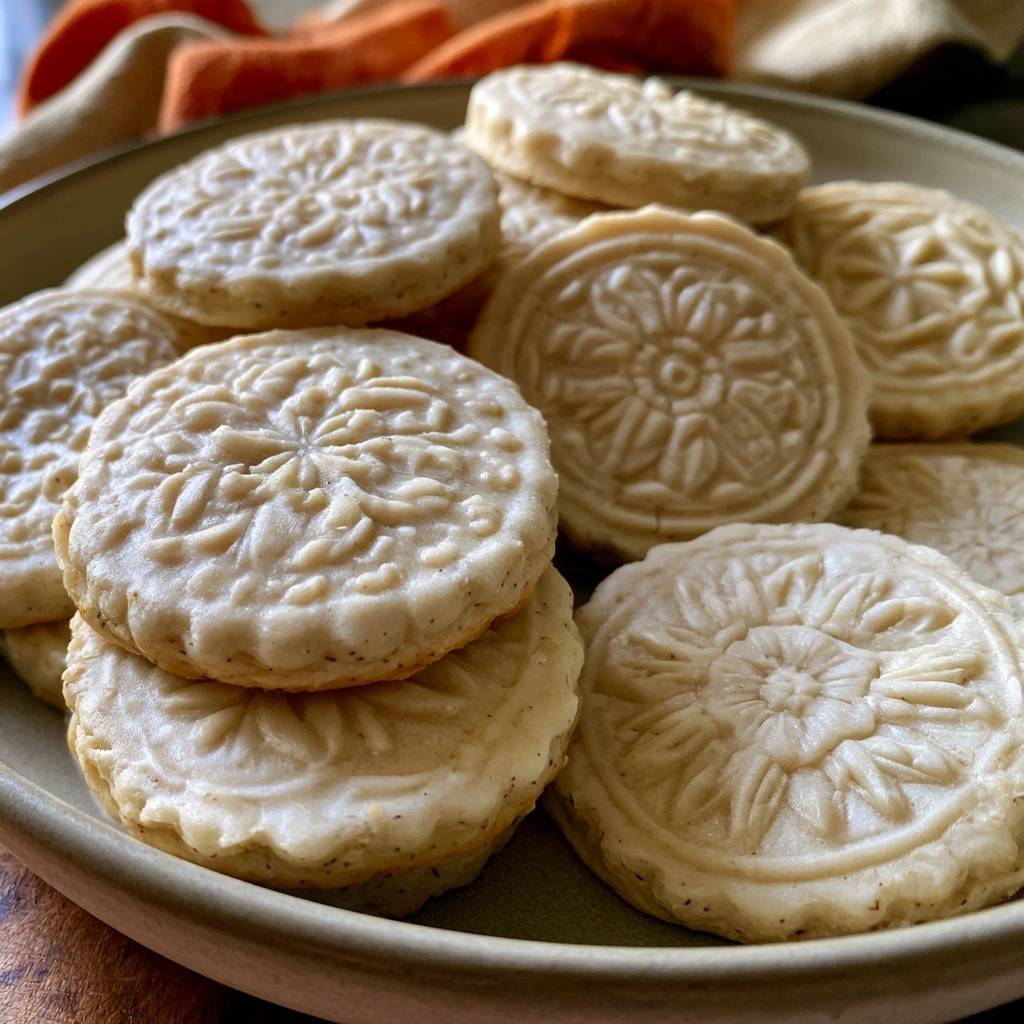
Let the molded tops dry before baking
Arrange the cookies on parchment-lined baking sheets with space between them, then leave them uncovered at room temperature. The surface should feel dry and look matte before baking. This pause allows the impressions to set, helping the patterned tops hold their shape in the oven.
Humidity can slow the drying. If the surface still feels tacky or looks shiny, give the cookies more time rather than baking them too soon. The key cue is how the tops feel, not a fixed schedule; a dry surface is less likely to blur during baking.
Keep the tops pale
Bake one sheet at a time and watch for the visual cues: the tops should be set and remain pale, while the bottoms turn lightly golden. Springerle are not meant to brown deeply across the top. Let the cookies cool on their baking sheets before moving them to a rack, since they need that initial cooling period to firm up.
Frequently Asked Questions
Why do Springerle cookies need to dry before baking?
Drying helps the pressed pattern set on the surface before the cookies go into the oven. Wait until the tops feel dry and look matte; baking while they are still tacky can make the impressions more likely to blur.
How can I tell when the dough is mixed enough?
After the flour mixture is added in several additions on low speed, look for a firm, slightly tacky dough. Stop mixing once it comes together. The dough needs to be workable for rolling and molding, not beaten further.
Should Springerle cookies brown on top?
The tops should set and stay pale, while the bottoms become lightly golden. If you are checking doneness, look at both surfaces rather than waiting for the tops to take on a deep golden color.
Recipe
Classic Springerle Cookies with Anise
These traditional German cookies are made with anise-scented egg dough, pressed with a Springerle mold, and baked until the tops stay pale and the bottoms turn lightly golden. Let them dry overnight so the imprinted patterns set before baking.
- Course
- Dessert
- Cuisine
- German
- Difficulty
- Easy
- Servings
- 24 cookies
- Prep time
- 35 mins
- Cook time
- 30 mins
- Total time
- 14 hr 5 mins
- Calories
- 152 kcal
Ingredients
Instructions
In a large bowl, beat the eggs and sugar with a stand mixer on medium-high speed until very pale, thick, and ribbon-like, 10 to 12 minutes.
Set aside 1/4 cup of the flour for dusting. Whisk the remaining flour with the ground anise, baking powder, and salt. Add the flour mixture to the egg mixture in several additions, mixing on low just until a firm, slightly tacky dough forms.
Cover the dough and refrigerate for 30 minutes. Line two baking sheets with parchment paper.
Dust the work surface and a Springerle mold with some of the reserved flour. Roll the dough 1/2 inch thick. Press the mold firmly into the dough, then cut around the designs into 2 1/2-inch cookies. Arrange them on the prepared sheets, about 1 inch apart, and leave uncovered at room temperature for 12 hours, until the tops feel dry and matte.
Heat the oven to 300°F. Bake one sheet at a time for 15 minutes, until the tops are set and the bottoms are lightly golden. Cool on the baking sheets for 10 minutes, then transfer the cookies to a rack to cool completely.
Notes
- In humid weather, the cookies may need extra drying time; bake when the surface feels dry and matte so the imprints are less likely to blur.
Recipe: https://naileditrecipes.co/classic-springerle-cookies-with-anise/