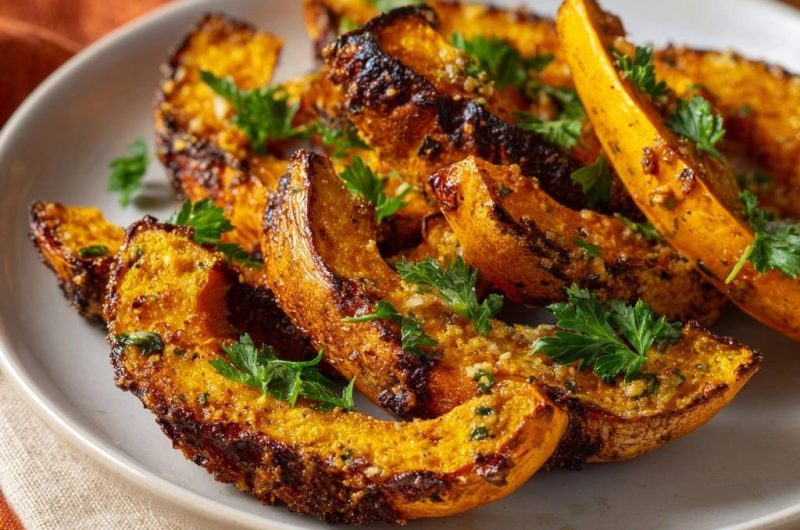
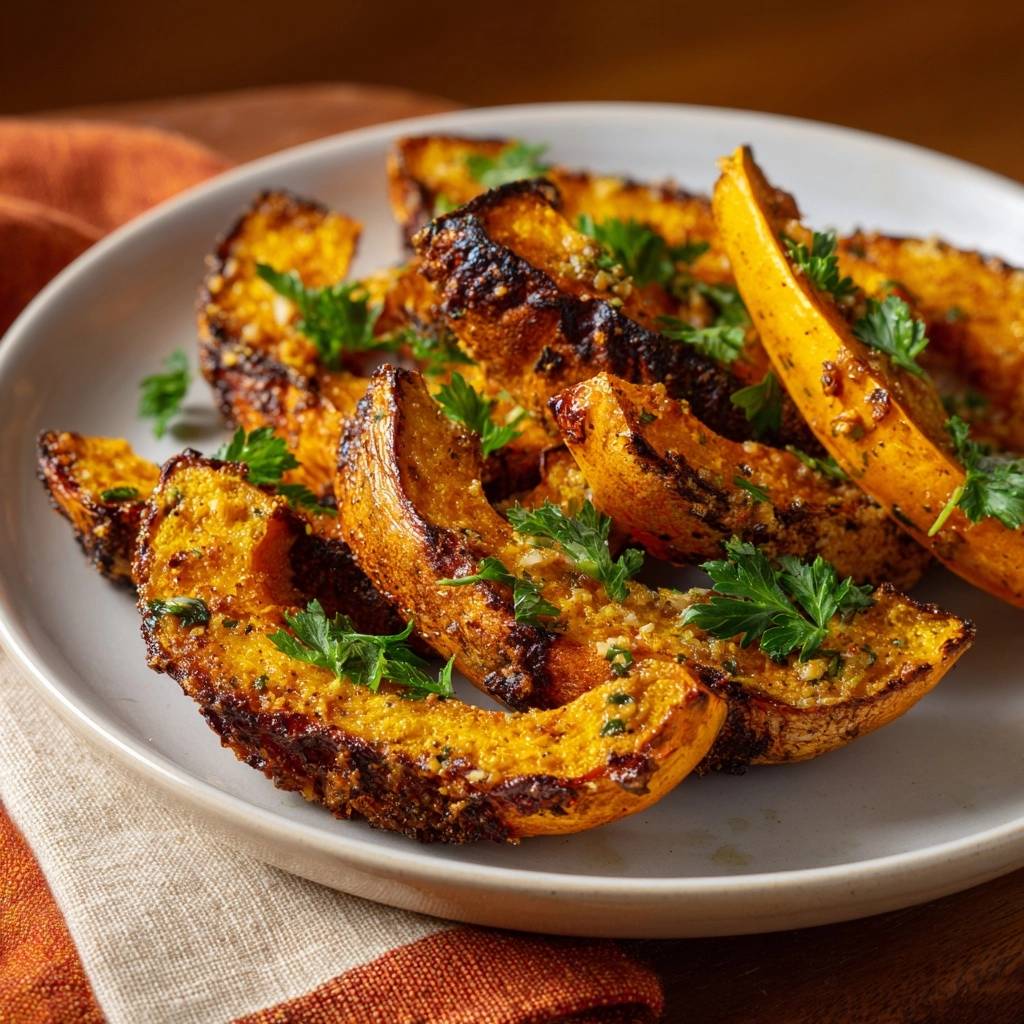
Crispy Roasted Squash Wedges
Why Squash Wedges Need Pre-Salting
Ever pulled roasted squash from the oven only to find it steamy and mushy? You’re not alone. That trapped moisture turns high-heat roasting into a sad steam session instead of the crispy, charred edges you crave. But here’s the fix: a quick salting trick draws out the water first.
Therefore, you get fluffy-tender insides with those golden, crunchy outsides every time. No more disappointment. This method works because salt pulls moisture to the surface through osmosis, just like pros do with eggplant or fries.
The secret? Let the wedges sit for exactly 20 minutes on paper towels. You’ll see beads of water form, then blot them dry. That dry surface guarantees crispiness when you roast at 425°F.
Moisture Trap in Traditional Roasting
Squash cells burst under heat and release tons of water. Without prep, that moisture steams the wedges from the inside out. You end up with pale, soggy results instead of crisp char.
In contrast, pre-salting changes everything. The water evaporates fast in a hot oven, leaving dehydrated, crispy edges. Imagine biting into fluffy center with a satisfying crunch.
Salt’s Role in Drawing Out Water
Salt triggers osmosis, pulling liquid from the squash cells to the cut surface. After 20 minutes, you blot it away. That’s the sweet spot; shorter won’t extract enough, longer risks over-salting.
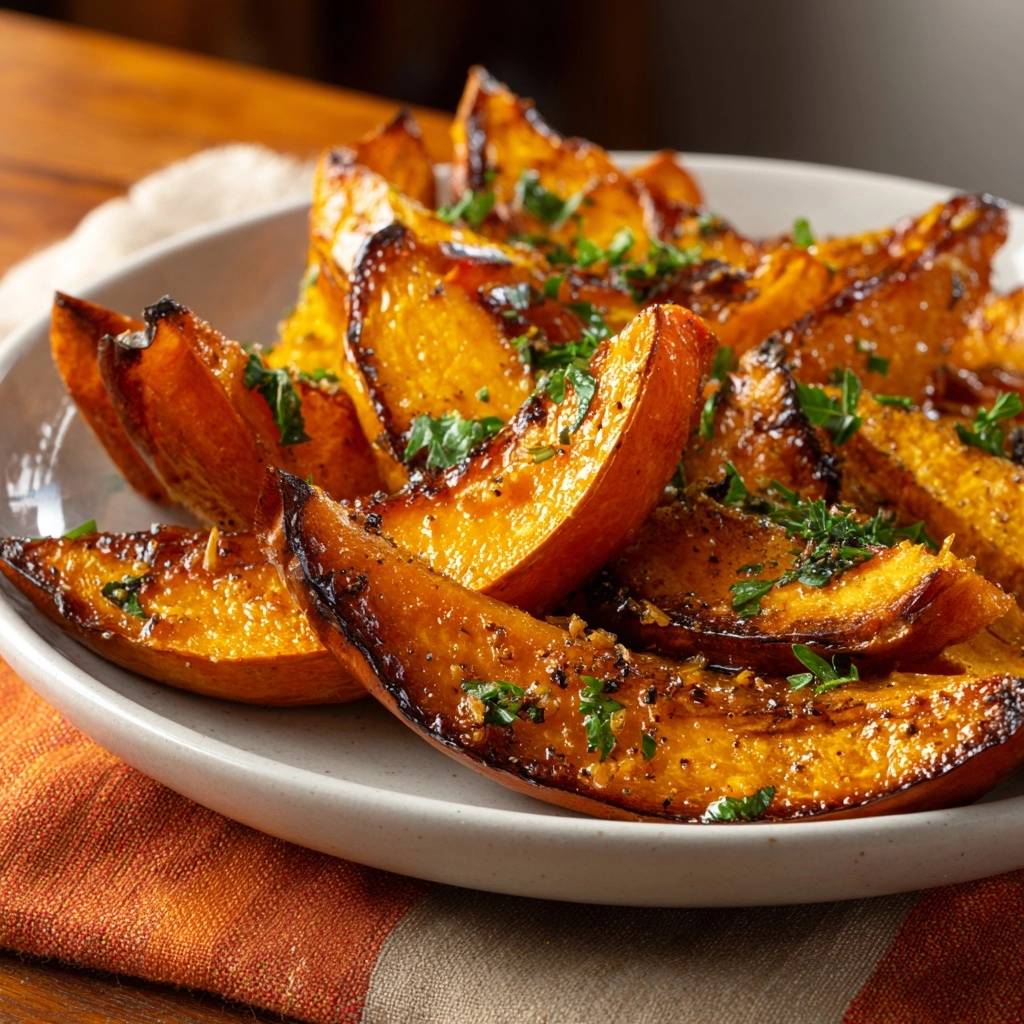
It’s the same trick chefs use for french fries or eggplant slices. Therefore, your wedges crisp up perfectly without steaming.
That salting trick works well for these crispy parmesan butternut squash wedges too.
Squash Selection for Maximum Crispiness
Pick kabocha or acorn squash for the win. They’re dense with thick skins and natural sugars that caramelize beautifully. Butternut gets watery, and spaghetti squash falls apart, so skip those.
Buy in season for the best flavor and price. Test ripeness by heft: it should feel heavy for its size with a dull rind and firm stem. Store in a cool, dark spot for up to a month.
These varieties hold their shape during roasting. In addition, their chestnut-like sweetness pairs perfectly with smoky spices.
Kabocha vs. Acorn Squash Breakdown
Kabocha offers a nutty, chestnut flavor and denser flesh for bolder crisping. Acorn brings milder sweetness with ribbed skin that chars nicely. Both beat watery types.
Grab kabocha in fall; acorn’s available year-round. If neither’s around, try delicata as a close sub.
Spotting Perfectly Ripe Squash
Feel for heavy weight and a matte rind, not shiny. The stem stays firm, not mushy. Avoid soft spots or cracks.
Keep it whole in a pantry for weeks. Cut only what you need.
Essential Ingredients for Crispy Roasted Squash Wedges
Start with a 2-pound kabocha or acorn squash; its density crisps up best. Olive oil coats evenly for heat conduction. Smoked paprika adds char-like smoke without burning.
Kosher salt does double duty: 1 teaspoon for salting draws moisture, plus more for seasoning. Cumin brings earthiness, garlic powder savoriness, and pepper bite. Finish with fresh parsley for brightness.
Everything’s vegan and gluten-free. Use extra-virgin olive oil; it handles 425°F fine. Fresh parsley beats dried for that pop of green.
Spice Blend Unlocks Charred Flavor
Smoked paprika mimics grill char, cumin grounds it with warmth, and garlic powder adds umami punch. The 1 tsp paprika to 1 tsp cumin ratio balances without overpowering.
Want heat? Add a pinch of cayenne. However, keep it subtle to let squash shine.
Olive Oil and Salt Quantities Explained
Two tablespoons extra-virgin olive oil ensure crisp without sogginess. It smokes less at high heat than other oils.
Kosher salt sticks better for even seasoning; fine sea works but use less. First round’s generous for moisture pull.
Science of Crispy Roasted Squash Wedges
High heat at 425°F triggers the Maillard reaction, browning sugars and proteins on the dry surface for flavor and crunch. Pre-salting concentrates those sugars by removing water first.
Therefore, edges char while insides stay tender. Lower temps just bake, not crisp. A single layer lets steam escape fast.
If you enjoy roasting vegetables until they are crispy, try these crispy roasted potatoes and carrots for another side dish with the same satisfying texture.
Dry heat dehydrates the exterior quickly. In addition, flipping exposes all sides to even evaporation and browning.
Maillard Reaction on Squash Surfaces
Amino acids react with sugars at high temps for that golden crust and nutty taste. Salting boosts sugar concentration on the surface.
Without it, moisture dilutes the reaction. You get bland, pale wedges instead.
High-Heat Evaporation Dynamics
425°F blasts steam away in a single layer. First 20 minutes cut-side down builds crust; flip for skin char.
Crowding traps humidity. Therefore, use two pans if needed for airflow.
Equipment Choices for Perfect Roasted Squash
Grab a half-sheet pan for optimal airflow; full sheets crowd too much. Line with parchment to prevent sticking and oil pooling.
Double-layer paper towels absorb moisture efficiently during salting. Calibrate your oven with a thermometer; many run hot or cool.
Avoid dark pans; they brown too fast. Pro tip: space wedges an inch apart for even crisping.
Why Parchment and Sheet Pans Matter
Parchment promotes even browning by reflecting heat gently. Light metal pans conduct steadily; dark ones over-brown edges.
Skip Silpat; it traps moisture. Parchment’s your crispiness best friend.
Preparing Crispy Roasted Squash Wedges: Phase 1
Preheat to 425°F and line your sheet with parchment. Halve the squash through the stem, scoop seeds, and slice into 1-inch wedges skin-on. Uniform size cooks evenly.
Lay cut-side up on paper towels, sprinkle generously with 1 teaspoon kosher salt. Wait 20 minutes; moisture beads up. Blot both sides dry thoroughly. No damp spots allowed.
Sharp knife safety: stabilize on a cutting board, slice away from your hand. This step transforms mushy fail into crispy success.
Precise Wedge Cutting Technique
One-inch thickness ensures even roasting; too thin burns, too thick stays raw. Skin-on adds structure and crunch.
Stem-end halve keeps wedges stable. You’ll love the edible, charred skin.
20-Minute Salting and Blotting Method
Sprinkle salt evenly; watch shiny beads form. Pat dry with fresh towels, pressing gently.
Double-check for dryness. Residual wet sabotages crispiness.
Seasoning and Roasting Crispy Squash Wedges: Phase 2
Toss dried wedges in a bowl with oil first, then spices for even coat. Arrange cut-side down in a single layer.
Roast 20 minutes, flip to skin-side down, then 15 more until edges char deeply. Fork should pierce tender centers easily.
Smell that smoky aroma building? That’s success. Scatter parsley right before serving for freshness.
Even Spice Coating in Bowl
Oil binds spices; toss by hand for coverage without clumps. Wipe bowl edges clean.
Spatula works too, but hands feel the evenness best.
Two-Stage Roasting and Flipping
Cut-side down first crusts the flesh. Flip exposes skin to char without sogginess.
Check at 35 minutes total. Golden edges mean done; don’t over-roast or they dry out.
Avoiding Common Mistakes with Roasted Squash Wedges
Skipping salt leaves you with steam city. Overcrowding traps moisture; spread out or use two pans.
Low oven temp bakes instead of roasts. Always blot dry; test by pressing with a towel.
Prevention checklist: salt, dry, single layer, hot oven. Follow that, and you’ll nail it every time.
Overcrowding Leads to Steaming
No space means no airflow; steam builds and softens everything. Two pans fix a big batch.
Edges touching? You’re steaming, not roasting.
Skipping the Dry Blot
Wet surfaces steam on contact with heat. Press firmly; towel should stay dry.
Patience here pays off in crunch.
Flavor Variations for Roasted Squash Wedges
Swap for harissa paste mixed in oil for spicy North African kick; add post-salt. Or brush with maple syrup before the last flip for sweet char.
Za’atar sprinkles herbiness; fresh thyme or sage instead of parsley. Furikake adds umami twist for Asian flair.
Keep applications light to preserve crispiness. Experiment, but always salt first.
Spicy Harissa or Maple Glaze Twists
Mix 1 teaspoon harissa into oil pre-toss; it toasts without burning. Maple goes on at flip for caramel edges.
Taste before roasting; adjust heat or sweet to your crowd.
Side Dishes and Mains for Squash Wedges
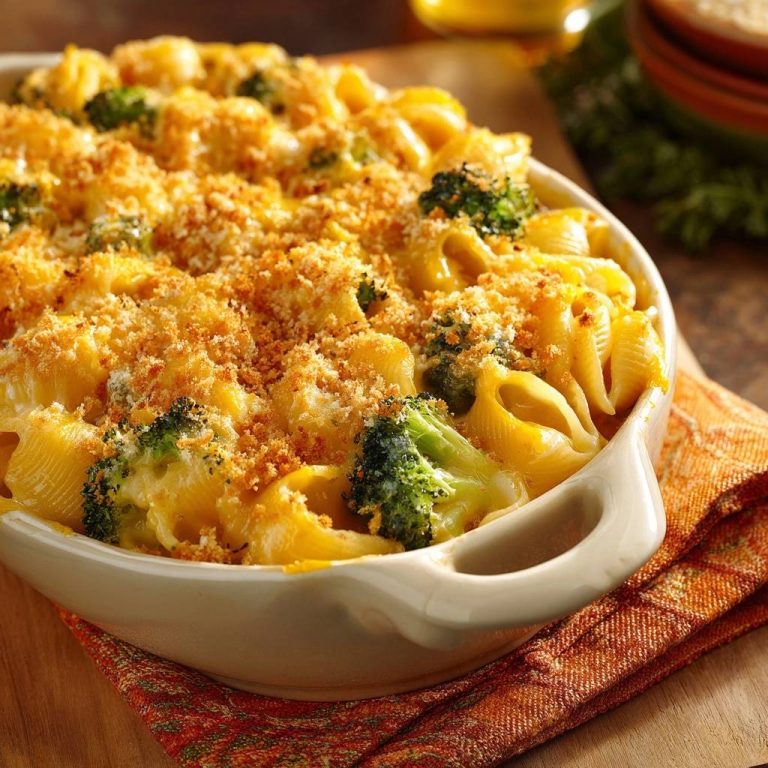
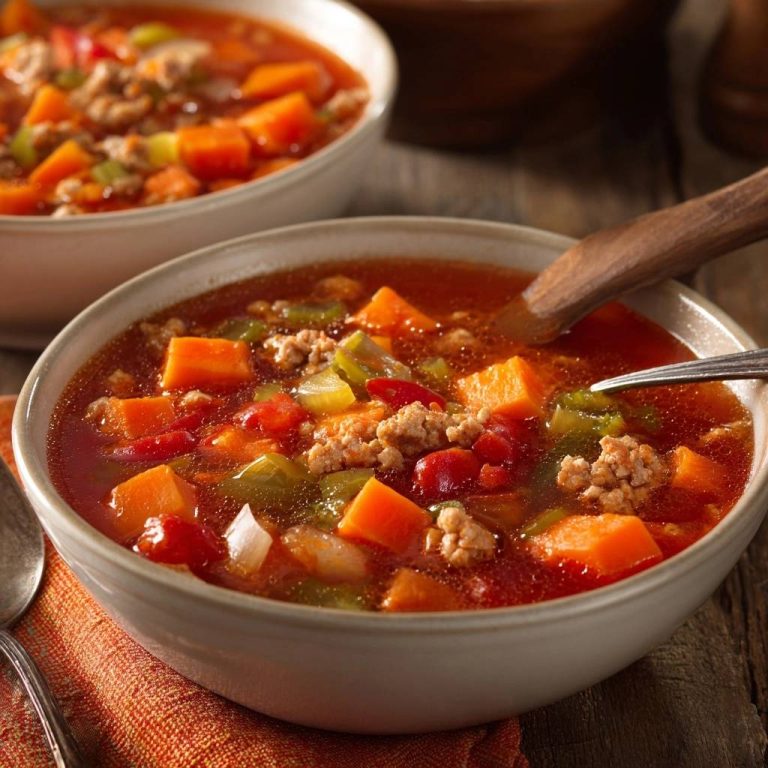
These roasted squash wedges are great on their own, but a few extra dishes turn them into a full meal. Here are two options that pair well with the squash’s savory, crispy edges.