Easy Fluffy Veggie Rice: The Secret to Separate, Perfect Grains
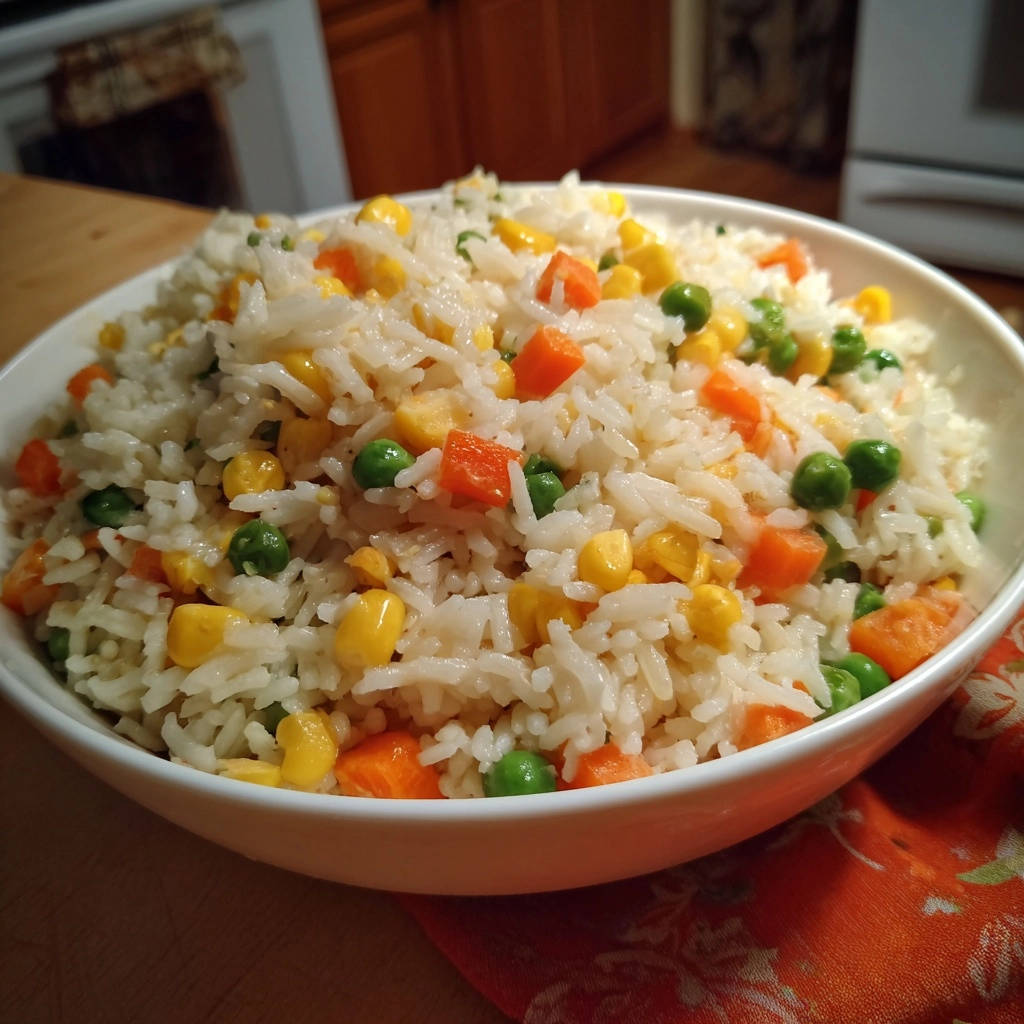
Who hasn’t dreamed of perfectly fluffy, separate-grained rice, only to end up with a sticky, clumpy mess? It’s a common kitchen frustration I’ve personally tackled, but I’ve finally perfected the secret to making truly exceptional Easy Fluffy Veggie Rice.
This method guarantees restaurant-quality fluffy rice every single time, transforming a simple side into a vibrant, reliable dish. Get ready to banish mushy rice from your kitchen for good and impress everyone with your perfectly separate grains.
Why This Easy Fluffy Veggie Rice Will Become Your Go-To Side
The Fluff Factor: Say Goodbye to Sticky, Mushy Rice
This recipe is meticulously designed to prevent the dreaded sticky rice syndrome. Through careful technique, we achieve individual, distinct grains that are light and airy, never gummy.
The method focuses on precise water ratios, essential starch removal, and critical resting periods to ensure unparalleled fluffiness with every batch.
Vibrant Flavor, Uncomplicated Steps
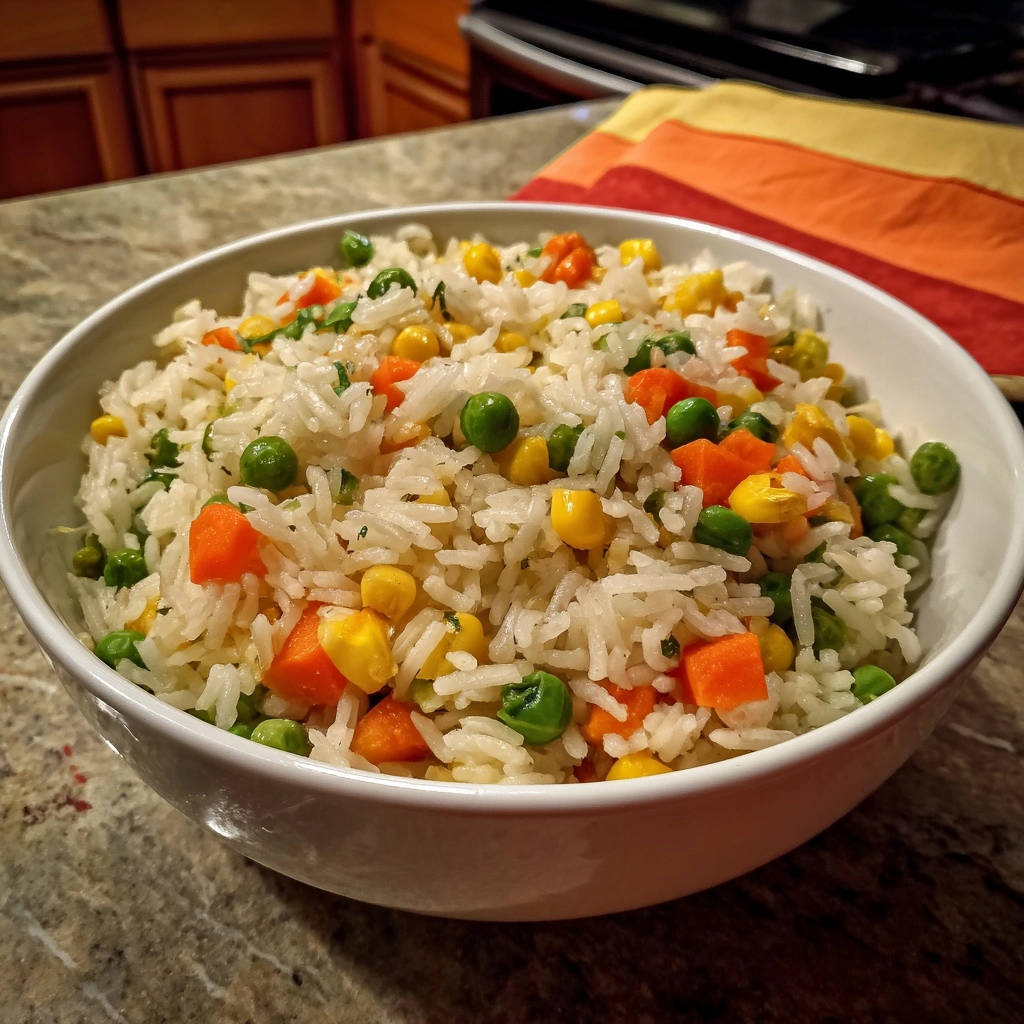
Adding frozen mixed vegetables infuses this Easy Fluffy Veggie Rice with natural sweetness and a beautiful spectrum of color. This enhancement happens effortlessly, cooking perfectly with residual heat.
Despite its impressive appearance and delightful taste, the preparation remains straightforward. You’ll achieve outstanding results without any added culinary stress.
A Versatile Favorite for Any Meal
Our fluffy rice recipe serves as an incredibly adaptable base or side dish. It complements a vast array of cuisines, from weeknight stir-fries to Sunday roasts.
Its wholesome nature and appealing texture make it a family favorite, easily paired with grilled proteins, savory stews, or even as a standalone light meal.
The Building Blocks of Flavor: What You’ll Need
Long Grain White Rice: The Foundation of Fluffiness
Long grain white rice is preferred for its lower starch content compared to short or medium grains. Its slender shape naturally encourages separation upon cooking.
This characteristic is key to achieving the desired light and fluffy texture, making it an ideal choice for perfectly separate grains.
The Essential Liquid: Water for Perfect Absorption
The precise ratio of 1.75 cups of water to 1 cup of rice is critical for optimal absorption. This specific measurement ensures each grain cooks fully without becoming waterlogged.
Accurate liquid measurement is a fundamental secret to consistently fluffy rice, preventing both dryness and mushiness.
Enhancers for Taste and Texture: Oil and Salt
A tablespoon of vegetable oil plays a dual role: it helps toast the rice and creates a protective coating around each grain. This barrier prevents sticking.
Salt is added not just for seasoning, but also to bring out the natural flavors of the rice and vegetables, ensuring a balanced taste profile.
Vibrant Veggies: A Pop of Color and Nutrition
Frozen mixed vegetables (corn, peas, diced carrots) offer ultimate convenience and nutritional value. They cook beautifully using the rice’s residual steam.
Feel free to experiment with other quick-cooking frozen options like diced green beans or broccoli florets for variety.
Essential Kitchen Tools for Fluffy Success
Fine-Mesh Sieve
A fine-mesh sieve is indispensable for thoroughly rinsing the rice. It effectively removes excess surface starch, which is a common cause of stickiness.
Proper rinsing in a sieve ensures your grains will cook up separate and light, laying the groundwork for fluffy success.
Medium Saucepan with Tight-Fitting Lid
The saucepan must have a lid that seals tightly. This is crucial for trapping steam inside, allowing the rice to cook evenly and absorb liquid completely.
A loose lid allows precious steam to escape, leading to unevenly cooked or undercooked rice.
Sturdy Fork for Fluffing
A simple fork is your best tool for the final fluffing step. Its tines gently lift and separate the cooked grains without mashing them.
Avoid using spoons or spatulas, which can compact the rice and undo all your efforts towards achieving separate grains.
Crafting Your Perfect Easy Fluffy Veggie Rice: A Step-by-Step Guide
-
Rinse the Rice for Optimal Fluffiness:
Place the long grain white rice in a fine-mesh sieve and rinse thoroughly under cold running water until the water runs clear. This initial step is paramount for removing excess surface starch, which is the primary culprit behind sticky, clumpy rice.
Shake the sieve well to drain as much excess water as possible before proceeding to the next step, ensuring the grains are not soaking.
-
Toast for Texture: The Secret to Separate Grains:
Heat the specified amount of vegetable oil in a medium saucepan (ensuring it has a tight-fitting lid) over medium heat. Add the rinsed and well-drained rice to the hot oil.
Stir the rice constantly for approximately 2 minutes, until the grains appear lightly toasted and you detect a subtle, fragrant aroma. This crucial toasting step helps each grain cook individually, creating a barrier that actively prevents them from sticking together.
-
Boil and Simmer: The Uninterrupted Cook:
Carefully add the measured water and salt to the toasted rice in the pan. Increase the heat to high and bring the water to a rapid, rolling boil.
Once boiling, immediately reduce the heat to the absolute lowest setting your stove offers. Cover the pan tightly with its lid and cook for precisely 15 minutes. It is absolutely critical not to lift the lid or peek during this entire cooking period, as trapped steam is essential for proper absorption.
-
Add Vegetables and Steam to Perfection:
After the initial 15 minutes of cooking, gently and quickly lift the lid just enough to scatter the frozen mixed vegetables evenly over the top of the rice. Do not stir them into the rice.
Immediately replace the lid tightly. Remove the pan from the heat and allow the rice and vegetables to steam for an additional 5 minutes. The residual heat within the pan will perfectly cook the frozen vegetables without overcooking or making the rice mushy.
-
Rest and Fluff: The Grand Finale for Incredibly Fluffy Rice:
Following the 5-minute steaming period, keep the pan off the heat and let it sit, still covered, for an additional 10 minutes. This resting period is non-negotiable, as it allows the steam to redistribute evenly throughout the rice, resulting in those coveted incredibly fluffy, separate grains.
Finally, uncover the pan and gently fluff the rice with a fork, lifting and separating the grains. Serve your perfectly separate, fluffy Easy Fluffy Veggie Rice immediately and enjoy!
Chef’s Secrets for Unbeatable Easy Fluffy Veggie Rice
The Power of Rinsing: Beyond Cleanliness
Rinsing rice isn’t just for cleanliness; it’s a vital scientific step. The outer layer of rice grains contains loose starch, which, when cooked, turns gummy and causes sticking.
This same rinsing method is also the key to getting the meat melt-in-your-mouth tender in this hearty beef and tomato stew.
Thorough rinsing removes this surface starch, allowing each grain to cook independently and ensuring your Easy Fluffy Veggie Rice achieves its signature fluffy texture.
Toasting for Texture: An Unsung Hero
Toasting the dry rice grains in oil before adding water is a game-changer for texture. The oil creates a subtle, protective barrier around each grain.
This barrier prevents the grains from sticking together during cooking, ensuring they remain separate and firm, contributing significantly to that restaurant-quality rice.
Patience is Key: The Lid’s Magic
Resisting the urge to peek during the cooking process is paramount. Every time the lid is lifted, trapped steam escapes, disrupting the delicate cooking environment.
Consistent steam retention ensures even cooking and optimal absorption, making the difference between perfectly cooked grains and an uneven, potentially undercooked batch.
The Art of Resting: The Final Touch to Fluffiness
The 10-minute resting period after cooking is often overlooked but critical for superior texture. During this time, the internal steam redistributes evenly throughout the rice.
This process allows the grains to fully swell and firm up, preventing sogginess and ensuring they become incredibly fluffy and perfectly separate.
Customizing Your Veggies: Fresh vs. Frozen
While frozen mixed vegetables offer convenience, fresh options can also be used. For fresh, consider quick-cooking vegetables like finely diced carrots, peas, or corn kernels.
Harder fresh vegetables, such as broccoli florets or bell peppers, may need a quick blanching or sautéing beforehand to ensure they cook through within the steam time.
Flavor Boosters: Elevate Your Side Dish
To enhance the flavor profile of your Easy Fluffy Veggie Rice, consider adding a few simple ingredients. A squeeze of fresh lemon juice after fluffing brightens the whole dish.
Stir in fresh chopped herbs like parsley or cilantro for aromatic freshness, or a pinch of garlic powder with the salt for an extra savory kick.
Solving Common Rice Woes: Troubleshooting Your Way to Perfection
Why Is My Rice Still Mushy?
Mushy rice often results from too much water or lifting the lid too frequently, which releases essential steam. Ensure your water measurement is precise and resist peeking during cooking.
Another culprit can be cooking on heat that is too high, causing the water to evaporate too quickly without fully being absorbed by the rice.
Why Is My Rice Undercooked or Chewy?
If your rice is still hard or chewy, it likely hasn’t absorbed enough water. This could be due to insufficient cooking time, a lid that isn’t tight-fitting, or heat that’s too low to maintain the necessary simmer.
Ensure your lid creates a proper seal and the heat is at its lowest gentle simmer, allowing full water absorption over 15 minutes.
Why Are My Veggies Overcooked or Cold?
Veggies can become overcooked if added too early, or cold if the residual heat isn’t sufficient. The key is to add them after the initial rice cooking and allow only 5 minutes of steaming off the heat.
This timing leverages the existing heat without further cooking the rice, ensuring the vegetables are tender-crisp and warm.
Why Is My Rice Sticking to the Pan?
Rice sticking to the pan can often be attributed to inadequate rinsing or insufficient oil during the toasting phase. The starch makes rice sticky, and the oil helps create a non-stick barrier.
Confirm you rinse the rice until the water runs completely clear and don’t skimp on the vegetable oil during the initial toasting step.
Enjoying Your Easy Fluffy Veggie Rice: Serving, Storage & More
Creative Serving Suggestions
This Easy Fluffy Veggie Rice is a superb accompaniment to a variety of main courses. Serve it alongside grilled chicken, baked fish, or hearty curries for a balanced meal.
It also makes an excellent base for vibrant Buddha bowls, topped with roasted vegetables, a fried egg, or your favorite plant-based proteins.
Storing Leftovers Safely
To safely store leftover rice, cool it quickly within one hour of cooking by spreading it on a shallow plate. Once cool, transfer to an airtight container and refriger refrigerate promptly.
Leftover cooked rice should be consumed within one day and reheated thoroughly until steaming hot throughout to ensure food safety.
Can You Make It Ahead?
Yes, you can certainly prepare this Easy Fluffy Veggie Rice ahead of time. Follow the cooking and resting instructions, then cool and store as directed for leftovers.
When ready to serve, reheat gently in the microwave with a splash of water, or on the stovetop over low heat, stirring occasionally until warmed through.
Your Questions Answered: Easy Fluffy Veggie Rice FAQs
What Kind of Rice is Best for This Recipe?
For this Easy Fluffy Veggie Rice recipe, long grain white rice is unequivocally the best choice. Its natural characteristics are perfectly suited for achieving separate, fluffy grains.
Avoid short or medium grain varieties, which tend to be stickier due to higher starch content.
Can I Use Brown Rice Instead?
While brown rice can be used, it requires significant adjustments to water ratio and cooking time. Brown rice needs more water and a longer simmering period (typically 30-45 minutes).
Additionally, the “fluffy” texture may vary slightly compared to white rice, so stick to white long grain for optimal results with this specific method.
How Can I Add More Protein to My Veggie Rice?
Enhancing your Easy Fluffy Veggie Rice with protein is simple and delicious. Stir in cooked edamame, black beans, or lentils along with the frozen vegetables during the steaming phase.
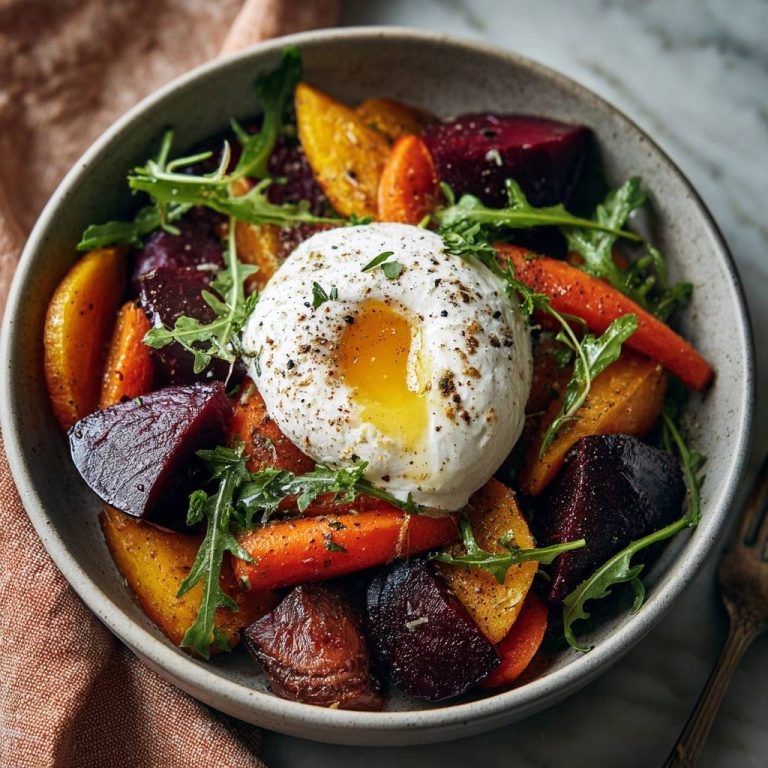
For a quick addition, top individual servings with a perfectly fried or poached egg, or some grilled tofu or chicken pieces.
Is This Recipe Gluten-Free?
Yes, this Easy Fluffy Veggie Rice recipe is naturally gluten-free. Rice itself is a gluten-free grain, and the other ingredients like water, oil, salt, and mixed vegetables do not contain gluten.
Always double-check ingredient labels for any hidden gluten if you have severe dietary restrictions or allergies.
Can I Double the Recipe?
You can certainly double this Easy Fluffy Veggie Rice recipe, but be aware that cooking time might increase slightly, especially the simmering phase. Use a larger saucepan to prevent overcrowding.
Maintain the same water-to-rice ratio, and observe the rice closely during the simmering phase to ensure all liquid is absorbed before proceeding.
You now possess the “secret” to perfectly fluffy, separate-grained Easy Fluffy Veggie Rice, a skill that will transform your kitchen experience. Say goodbye to the frustrations of mushy or sticky rice and embrace the joy of consistently delicious results.
We encourage you to try this recipe, experiment with your favorite vegetables, and make it your own. Don’t forget to share your culinary successes and any creative twists you discover in the comments below!
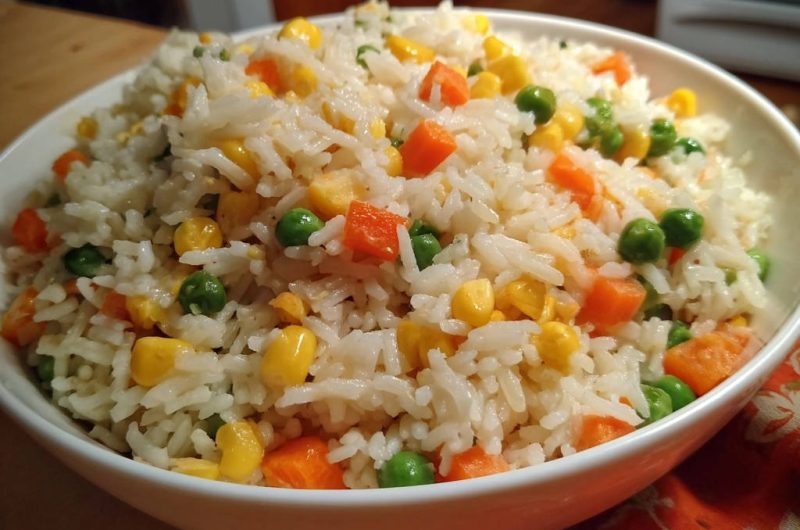
Veggie Rice
Course: Side DishCuisine: AmericanDifficulty: easy2
servings10
minutes25
minutes370
kcal45
minutesTired of sticky, clumpy rice? This recipe reveals the secret to consistently fluffy, separate-grained veggie rice. With simple steps like rinsing, toasting, and proper steaming, you’ll master this vibrant side dish and banish mushy rice forever.
Ingredients
1 cup long grain white rice
1.75 cups water
1 tablespoon vegetable oil
1/2 teaspoon salt
1 cup frozen mixed vegetables (corn, peas, diced carrots)
Directions
- Rinse the rice: Place the long grain white rice in a fine-mesh sieve and rinse thoroughly under cold running water until the water runs clear. This is key to removing excess starch and preventing stickiness. Shake well to drain any excess water.
- Toast the rice: Heat the vegetable oil in a medium saucepan with a tight-fitting lid over medium heat. Add the rinsed and drained rice and stir constantly for about 2 minutes, until the grains are lightly toasted and fragrant. This helps each grain cook individually and prevents clumping.
- Boil and simmer: Add the 1.75 cups of water and salt to the pan. Bring the water to a rolling boil over high heat. Once boiling, immediately reduce the heat to the lowest setting, cover the pan tightly with the lid, and cook for exactly 15 minutes without lifting the lid. Seriously, resist the urge to peek!
- Add vegetables and steam: After 15 minutes, gently lift the lid and quickly scatter the frozen mixed vegetables over the top of the rice. Replace the lid tightly and let the rice steam for another 5 minutes off the heat. The residual heat will cook the vegetables perfectly without making the rice mushy.
- Rest and fluff: Remove the pan from the heat and let it sit, still covered, for an additional 10 minutes. This resting period allows the steam to redistribute, resulting in incredibly fluffy, separate grains. Finally, uncover and fluff the rice gently with a fork. Serve immediately and enjoy perfectly separate, fluffy grains every single time!
Notes
- Rinsing and toasting are key steps for non-sticky results. Do not lift the lid during the initial 15-minute cook time.