Easy Skillet Cauliflower Rice: Perfectly Fluffy, Every Time!
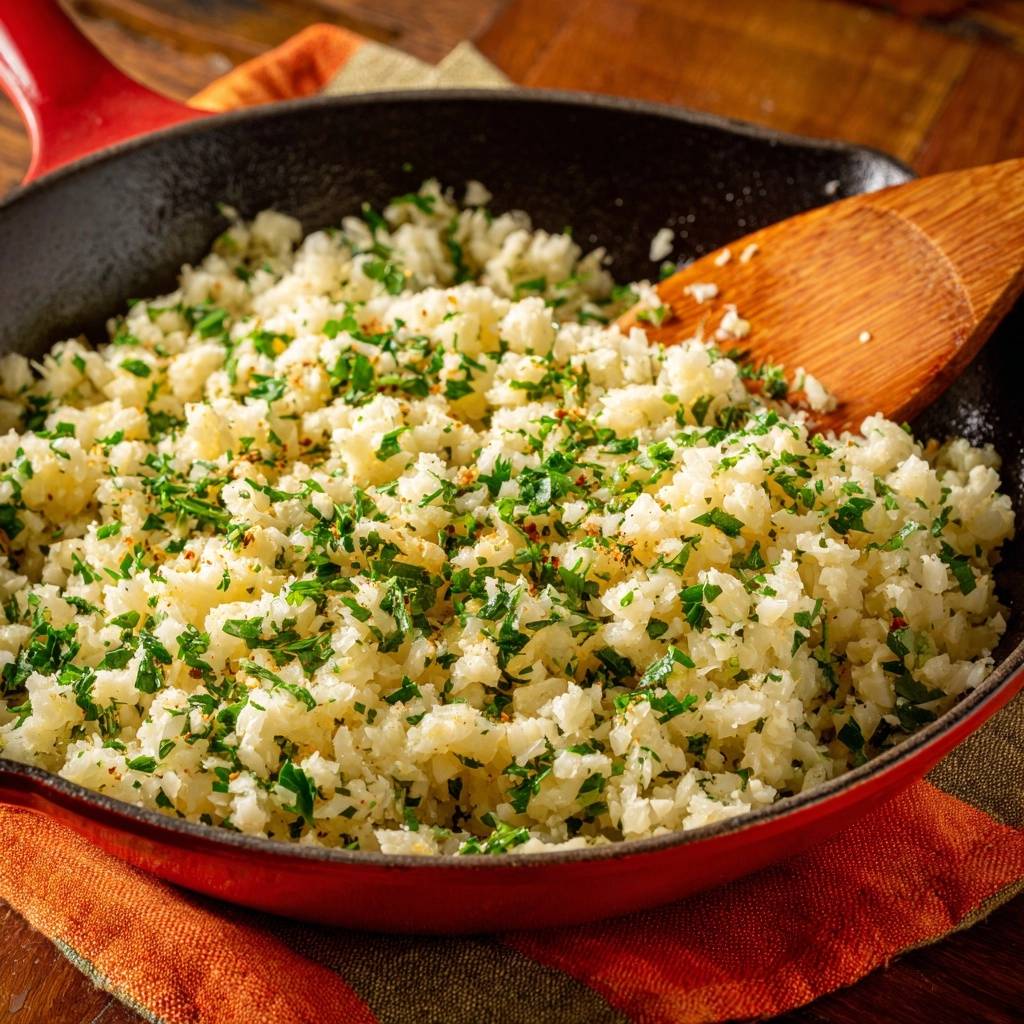
For years, I battled with soggy cauliflower rice, a common culinary woe that left me with a watery, bland mess instead of a fluffy, grain-like side. It felt like a betrayal of its potential! That all changed when I perfected this foolproof method for Easy Skillet Cauliflower Rice, transforming a tricky ingredient into a reliable, delicious staple.
This recipe isn’t just about cooking; it’s about mastering the texture. You’ll achieve distinct, tender-crisp grains every time, proving that genuinely fluffy cauliflower rice is not only possible but incredibly simple to make.
Why This Easy Skillet Cauliflower Rice Recipe is a Game Changer
This skillet method redefines what Easy Skillet Cauliflower Rice can be. Forget all your past frustrations; this approach delivers consistent, restaurant-quality results right in your home kitchen.
The “No More Soggy” Promise
Our method rigorously addresses moisture, the arch-nemesis of good cauliflower rice. Through specific prep and cooking techniques, we ensure every grain is dry and distinct.
You’ll never encounter that unpleasant watery texture again, only perfectly cooked cauliflower that holds its shape.
Achieving That Perfect “Rice-Like” Fluffiness
The key to “rice-like” fluffiness lies in careful ricing and diligent moisture evaporation. This recipe guides you to a tender-crisp texture that mimics traditional grains beautifully.
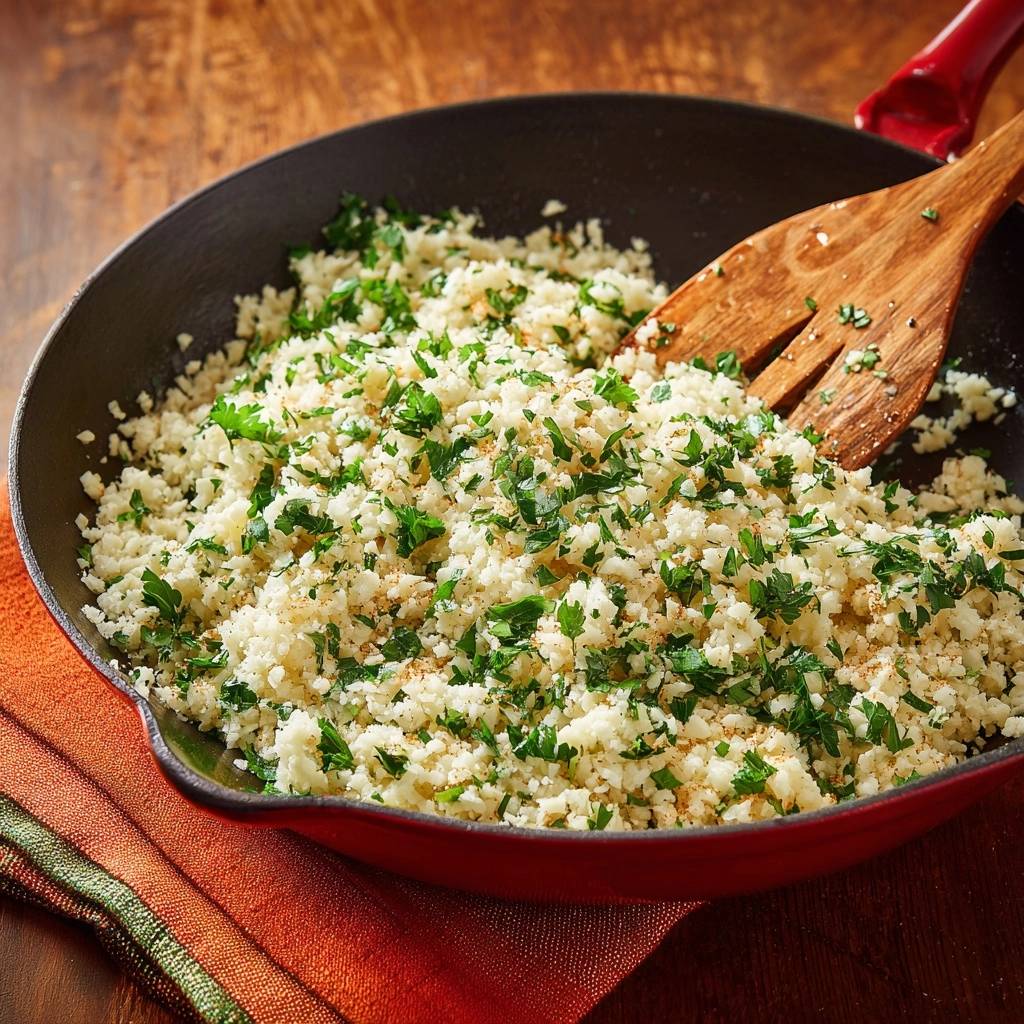
Each bite offers a satisfying mouthfeel, making it an excellent low-carb alternative.
Simple Method, Stellar Results (Every Single Time)
Despite its impressive outcome, the process for this Easy Skillet Cauliflower Rice is incredibly straightforward. It requires minimal active time, making it perfect for busy weeknights.
Reliability is paramount; once you master this, you’ll have a consistently delicious side dish at your fingertips.
A Healthy, Versatile Side Dish for Any Meal
Cauliflower rice is a nutritional powerhouse, packed with vitamins and fiber. This recipe turns it into an irresistibly tasty dish.
It pairs wonderfully with almost any cuisine, from hearty stews to light grilled fish, proving its incredible adaptability.
Gathering Your Flavor Arsenal: Ingredients for Success
Success begins with selecting the right ingredients and understanding their role. Each component contributes to the ultimate flavor and texture of your cauliflower rice.
The Star of the Show: Cauliflower
Choosing a fresh, firm head of cauliflower is paramount for the best texture. Its natural crispness translates into distinct “grains” when properly riced.
Careful preparation, including thorough drying, sets the foundation for a non-soggy result.
Bringing it All Together: Olive Oil & Seasonings
Olive oil isn’t just for flavor here; it’s crucial for achieving that dry, slightly toasted texture by facilitating even heat distribution. Its subtle fruity notes also complement the cauliflower beautifully.
Garlic powder and paprika provide a warm, savory depth, while fresh parsley adds a vibrant, herbaceous finish and a pop of color, elevating simple cauliflower to something special.
Essential Pantry Staples: Salt & Pepper
These fundamental seasonings are the unsung heroes, balancing and enhancing all the other flavors. Don’t underestimate their power to transform the dish from good to truly exceptional.
Always season to taste, ensuring your cauliflower rice hits that perfect savory spot.
Equip Your Kitchen: Essential Tools for Skillet Cauliflower Rice
Having the right tools makes all the difference in achieving that perfect fluffy texture. A few kitchen basics are all you need for this Easy Skillet Cauliflower Rice.
Your Go-To: The Large Skillet
A large skillet, preferably cast iron or stainless steel, is non-negotiable. Its wide surface area is crucial for allowing moisture to evaporate quickly and preventing the cauliflower from steaming.
Ricing Made Easy: Food Processor or Grater
A food processor is the fastest way to achieve uniform “rice-like” grains. It ensures consistency, which is important for even cooking.
Alternatively, a box grater with its large holes works perfectly if you don’t have a food processor, offering a slightly more rustic texture.
Basic Prep Tools: Knives, Cutting Board, & Spatula
A sharp chef’s knife and a sturdy cutting board are essential for breaking down the cauliflower. A heat-resistant spatula or wooden spoon is needed for effective stirring during cooking.
Mastering the Skillet: A Step-by-Step Guide to Fluffy Cauliflower Rice
Follow these steps precisely to transform a humble head of cauliflower into a fluffy, flavorful side dish. Each instruction is designed for maximum flavor and perfect texture.
Prep for Perfection: Ricing Your Cauliflower
Step 1 Instruction: Wash and thoroughly dry the cauliflower head. Remove the core and cut into florets. Pulse the florets in a food processor until they resemble grains of rice. Do this in batches if needed to avoid overcrowding.
Expert Tip: Thorough drying is paramount for preventing a soggy result. Avoid over-processing the cauliflower, as overly fine grains are prone to becoming mushy rather than distinct and fluffy.
Heat is Key: Setting the Stage
Step 2 Instruction: Place a large skillet over medium-high heat. Add the olive oil and let it shimmer.
Why it Matters: High heat is absolutely critical here. We want to quickly evaporate the moisture from the cauliflower, not steam it, which is the key to a dry, fluffy texture. Shimmering oil indicates the right temperature.
The Golden Rule: No Crowding
Step 3 Instruction: Add the riced cauliflower to the hot skillet. If your skillet is small, cook in two batches to prevent overcrowding. Spread the cauliflower in a single layer as much as possible.
Preventing Soggy: This step is vital for preventing sogginess! Spreading the cauliflower maximizes the surface area, allowing moisture to escape efficiently and ensuring each grain cooks evenly.
Evaporate & Transform
Step 4 Instruction: Cook for 6-8 minutes, stirring every minute or so. Do not cover the skillet.
What to Look For: Your primary goal is to let the moisture escape through evaporation; you’ll visibly see steam rising from the skillet. Continue cooking until the cauliflower is tender-crisp and any excess moisture has completely evaporated, leaving dry, distinct grains.
Season, Stir, and Savor
Step 5 Instruction: Once the cauliflower rice is perfectly dry and tender, add the chopped fresh parsley, garlic powder, paprika, salt, and black pepper. Stir well to combine and cook for another minute to meld the flavors.
Final Touch: Always taste and adjust seasonings as needed before serving immediately as a delicious, light side dish. The final cook time helps integrate the spices.
Unlock the Secrets: Expert Tips for Non-Soggy Cauliflower Rice
Beyond the basic steps, these professional tips will elevate your Easy Skillet Cauliflower Rice from good to consistently great, ensuring a fluffy outcome every time.
The Power of a Dry Start: Moisture is Your Enemy
Before ricing, wash your cauliflower and then dry it meticulously. Wrap florets in a clean kitchen towel and squeeze out as much moisture as possible.
Excess water trapped within the cauliflower is the primary cause of sogginess, so this step cannot be rushed or skipped.
Choosing the Right Heat for Optimal Evaporation
Medium-high heat is ideal because it’s hot enough to evaporate moisture quickly without burning the cauliflower. Lower heat will cause the cauliflower to steam in its own moisture, leading to a mushy texture.
Listen for a gentle sizzle when the cauliflower hits the pan, indicating the correct temperature.
Avoid Overcrowding: The Single Layer Advantage
This is arguably the most critical rule for perfectly fluffy cauliflower rice. When the skillet is overcrowded, the cauliflower releases moisture, and without enough surface area, it steams instead of searing and drying.
Always cook in batches if your skillet isn’t large enough to accommodate a single, spread-out layer.
The Art of Stirring: Not Too Much, Not Too Little
Stirring every minute or so ensures even cooking and prevents sticking. However, avoid constant stirring, as this can lower the pan temperature and hinder moisture evaporation.
Allow the cauliflower to sit undisturbed for short intervals to develop a slight char and release steam.
Seasoning Timing: When to Add for Best Flavor
Add seasonings after the cauliflower rice has dried out and cooked through. If added too early, spices can burn or clump, and salt can draw out additional moisture, making the cauliflower soggy.
Adding them at the end ensures vibrant, fresh flavors that meld perfectly in the final minute of cooking.
Serving Up Perfection: Delicious Pairings & Flavor Twists
This Easy Skillet Cauliflower Rice is incredibly versatile, ready to complement a wide range of dishes or transform into a meal itself. Get creative with your culinary canvas!
Perfect Pairings: What to Serve Alongside
Serve your fluffy cauliflower rice with grilled chicken, baked salmon, or lean steak for a complete, healthy meal. It’s also fantastic under rich curries or chili, absorbing all the delicious sauces.
For a perfect pairing, try our Creamy Beef and Green Bean Comfort Stew: Melts in Your Mouth.
Think of it as a lighter, more nutritious alternative to traditional grains with any of your favorite mains.
Spice it Up! Bold Flavor Variations
For a kick, try adding a pinch of cayenne pepper, red pepper flakes, or a dash of chili powder with the other seasonings. A touch of cumin can also introduce an earthy, warm note.
Experiment with garam masala or curry powder for an exotic twist that transports your taste buds.
Herbal Twists & Citrus Brightness
Beyond parsley, fresh cilantro, dill, or chives can offer delightful herbal nuances. A squeeze of fresh lemon or lime juice at the very end brightens the entire dish, cutting through richness and adding a zesty finish.
These simple additions instantly elevate the freshness profile.
Making it a Meal: Add Protein & Veggies
Transform your cauliflower rice into a hearty main dish by stirring in cooked, shredded chicken, sautéed shrimp, or crispy crumbled bacon. Roasted vegetables like bell peppers, zucchini, or spinach also integrate beautifully.
Simply add cooked proteins and vegetables during the last minute of seasoning, warming them through.
Prep Ahead & Store Smart: Make Your Cauliflower Rice Last
Efficient meal prep can save you time and stress, and this Easy Skillet Cauliflower Rice is an excellent candidate. Proper storage ensures you maintain its quality and texture.
Prepping Cauliflower in Advance
You can rice your cauliflower up to 3-4 days in advance. Store the uncooked riced cauliflower in an airtight container in the refrigerator.
Ensure it’s thoroughly dry before storing to prevent premature spoilage and sogginess when you cook it.
Keeping it Fresh: Storage Tips for Cooked Cauliflower Rice
Once cooked, allow the cauliflower rice to cool completely before transferring it to an airtight container. It will stay fresh in the refrigerator for up to 3-4 days.
Freezing cooked cauliflower rice is also an option; spread it on a baking sheet to freeze individually, then transfer to a freezer bag for up to 1 month, preventing clumps.
Reheating for Best Results (Without the Soggy Return!)
To reheat, spread the cooked cauliflower rice in a single layer in a hot, dry skillet over medium-high heat. Stir occasionally until heated through and any residual moisture has evaporated.
Avoid microwaving if possible, as it tends to trap steam and can make the cauliflower soggy again. A quick pan reheat is best for maintaining that desirable fluffy texture.
Troubleshooting Common Cauliflower Rice Challenges
Even with the best instructions, sometimes things go awry. Here’s how to fix common issues and ensure your Easy Skillet Cauliflower Rice turns out perfectly.
Problem: My Cauliflower Rice is Still Soggy or Watery!
Solution: The most common culprits are insufficient drying of the raw cauliflower, overcrowding the pan, or not using high enough heat. Ensure your cauliflower is bone-dry before cooking.
Always cook in batches if needed, spreading the cauliflower in a thin layer to maximize contact with the hot pan and allow moisture to escape. Increase heat to medium-high and cook uncovered until all steam subsides.
Problem: The Texture is Too Hard or Crunchy
Solution: This usually means it’s undercooked. The cauliflower rice should be tender-crisp, not hard. Continue cooking, uncovered, for a few more minutes, stirring as needed, until it reaches your desired tenderness.
Ensure your riced grains are uniform in size; very large pieces will take longer to cook than finer grains.
Problem: My Cauliflower Rice Tastes Bland
Solution: Don’t be shy with seasoning! After cooking, taste and adjust salt and pepper generously. A squeeze of lemon juice at the end can also brighten flavors instantly.
Consider adding more garlic powder, paprika, or a pinch of onion powder or dried herbs (like oregano or thyme) to the pan during the final minute of cooking for more depth.
Your Top Questions Answered About Easy Skillet Cauliflower Rice
Here are answers to some frequently asked questions about making the perfect Easy Skillet Cauliflower Rice.
Can I use frozen cauliflower for this recipe?
Yes, you can use frozen riced cauliflower, but be prepared for extra moisture. Thaw it completely and then squeeze out as much excess water as possible using a clean kitchen towel before adding it to the hot skillet.
You may need to cook it for a few extra minutes to achieve a dry, fluffy texture.
What’s the best way to “rice” cauliflower without a food processor?
A box grater is your best friend here! Cut the cauliflower into large chunks, then use the large-holed side of a box grater to grate the florets directly into “rice.”
This method yields a slightly coarser but equally delicious texture.
Is this recipe low-carb, keto-friendly, or gluten-free?
Absolutely! This Easy Skillet Cauliflower Rice recipe is naturally low-carb, keto-friendly, and completely gluten-free. It’s an excellent choice for anyone following these dietary plans or looking for a healthy grain alternative.
Can I add other vegetables directly to the skillet?
Yes, you can! For best results, add quick-cooking vegetables like diced bell peppers, chopped onions, or spinach during the last 3-4 minutes of cooking the cauliflower rice. This ensures they cook through without overcooking the cauliflower.
For harder vegetables, consider pre-cooking them slightly before adding them to the skillet.
How long does cooked cauliflower rice last in the fridge?
Cooked Easy Skillet Cauliflower Rice will last for 3-4 days when stored in an airtight container in the refrigerator. Ensure it cools completely before storing to maintain freshness and prevent bacterial growth.
Ready to Create? Share Your Skillet Cauliflower Rice Masterpiece!
Now that you’re armed with all the expert tips and a foolproof method, it’s time to create your own perfectly fluffy Easy Skillet Cauliflower Rice. Experience the joy of a truly delicious, non-soggy side dish that will impress everyone at your table.
We can’t wait to see your culinary creations! Share your results on social media using #SkilletCauliflowerRice and tag us. Enjoy the journey to perfectly fluffy cauliflower rice every single time!
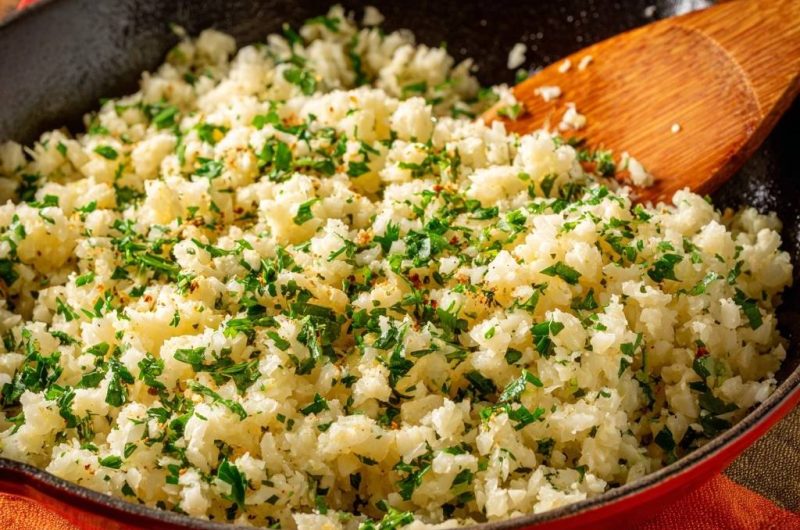
Skillet Cauliflower Rice
Course: Side DishCuisine: InternationalDifficulty: easy4
servings15
minutes10
minutes150
kcal25
minutesTired of soggy cauliflower rice? This easy skillet method is your secret weapon for perfectly fluffy, distinct ‘rice-like’ texture every time. Get ready to swap the soggy for the superb!
Ingredients
1 large head cauliflower, “riced”
2 tablespoons olive oil
1/4 cup fresh parsley, chopped
1 teaspoon garlic powder
1/2 teaspoon paprika
Salt to taste
Black pepper to taste
Directions
- Prep Your Cauliflower: Wash and thoroughly dry the cauliflower head. Remove the core and cut into florets. Pulse the florets in a food processor until they resemble grains of rice. Do this in batches if needed to avoid overcrowding. Crucially, do not over-process, or it will become too fine and prone to mushiness before cooking!
- Heat The Skillet: Place a large skillet (like the one pictured!) over medium-high heat. Add the olive oil and let it shimmer. The high heat is absolutely key here – we want to evaporate moisture, not steam the cauliflower.
- Cook Without Crowding: Add the riced cauliflower to the hot skillet. If your skillet is small, cook in two batches to prevent overcrowding. This step is vital for preventing sogginess! Spread the cauliflower in a single layer as much as possible to maximize surface area for moisture release.
- Stir and Dry: Cook for 6-8 minutes, stirring every minute or so. Your primary goal is to let the moisture escape through evaporation. You’ll see steam rising. Do not cover the skillet. Continue cooking until the cauliflower is tender-crisp and any excess moisture has completely evaporated, leaving dry, distinct grains.
- Season and Serve: Once the cauliflower rice is perfectly dry and tender, add the chopped fresh parsley, garlic powder, paprika, salt, and black pepper. Stir well to combine and cook for another minute to meld the flavors. Taste and adjust seasonings as needed. Serve immediately as a delicious, light side dish that’s never soggy!
Notes
- Do not over-process cauliflower. Cook in batches if needed, spreading in a single layer on high heat to prevent sogginess.