7 Up Pound Cake
This classic Seven Up pound cake has a fine, dense crumb, fresh lemon and lime zest, and a deeply golden crust. Learn what helps it bake and release well.
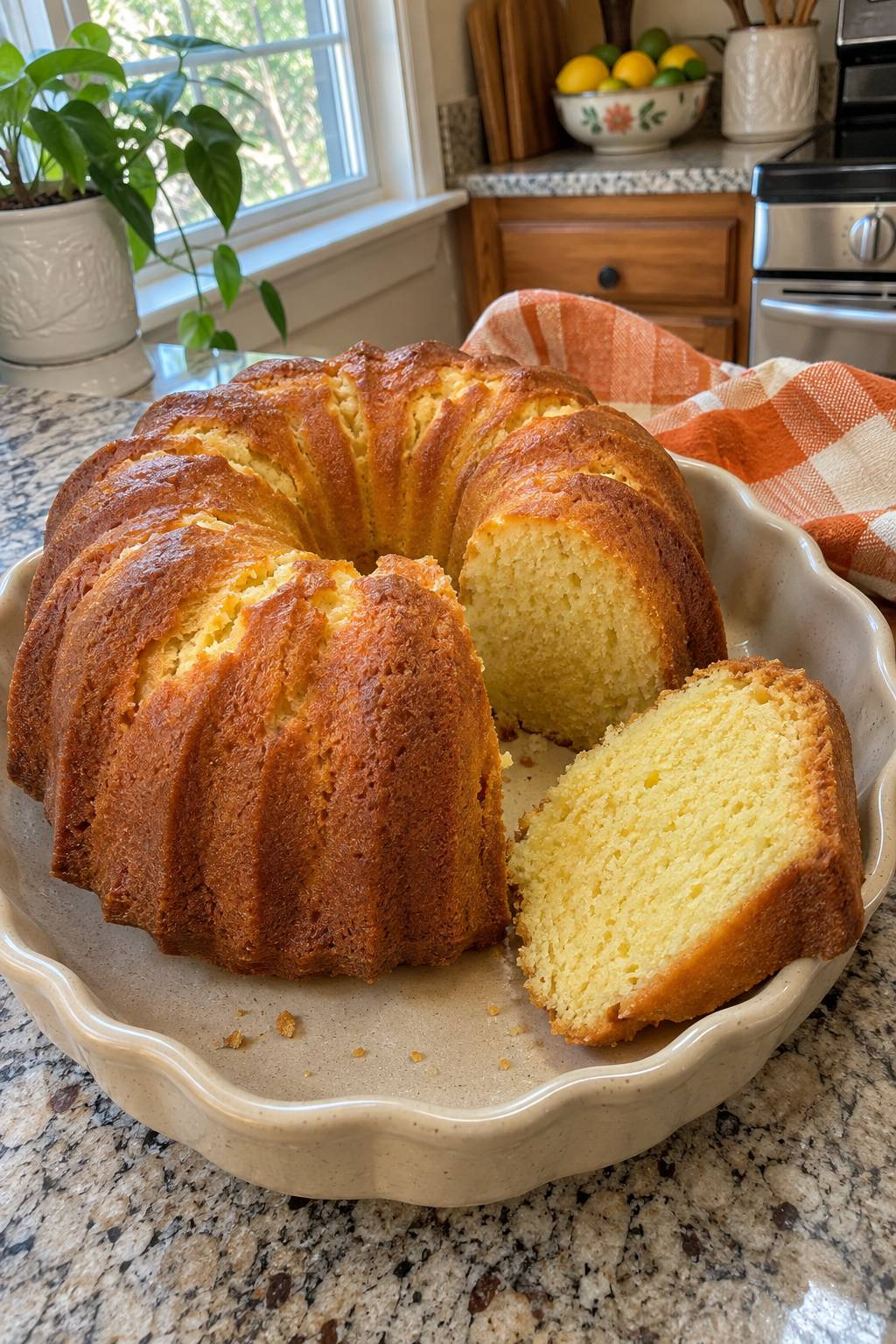
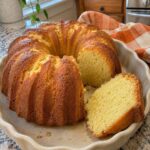
Seven Up pound cake is a classic American Bundt cake with a fine, dense crumb and a deeply golden exterior. Lemon and lime zest bring citrus flavor to the buttery batter, while regular Seven Up contributes sweetness and browning. Thick, plain slices let you appreciate the contrast between the golden crust and the close-textured interior.
The details that deserve your attention are simple: properly softened butter, thorough creaming, careful mixing, and a well-prepared pan. Understanding those details helps you recognize what the batter and finished cake should look like without turning a cozy baking project into a complicated one.
Why regular Seven Up and fresh zest matter
Regular Seven Up is part of the cake’s structure and flavor balance, with sugar that contributes to both sweetness and browning. Use it at room temperature, as directed on the recipe card. The finely grated lemon and lime zest adds citrus flavor throughout the batter without changing the cake’s classic pound cake character.
Measure the all-purpose flour by spooning it into your measuring cups and leveling the top. Packing flour into the cup can leave you using more than intended. With a cake whose crumb is deliberately dense, careful measuring helps you avoid making that texture unnecessarily heavy.
Creaming gives this dense cake its lift
This recipe contains no baking powder or baking soda, so the butter-and-sugar stage deserves your full attention. Thorough creaming incorporates air that helps the cake rise. Look for a pale, fluffy mixture, and scrape the bowl and beaters so the butter and sugar are worked evenly.
Your butter should indent easily when pressed but should not look melted or oily. Softened butter and room-temperature eggs are the starting conditions specified for this batter. Give each egg a chance to incorporate before adding another, and keep scraping as needed so unmixed butter does not remain along the bowl.
Mix gently once the flour goes in
The mixing approach changes after creaming. Once you begin adding the flour mixture and Seven Up, keep the mixer on low and stop when everything is incorporated. Beginning and ending with flour is part of the recipe’s alternating method; the goal is an evenly combined batter without unnecessary mixing.
Check the bottom of the bowl before you finish. A batter can look smooth on top while still hiding flour underneath. Gently fold in any remaining flour rather than continuing to beat the entire bowl. That final check helps you avoid dry pockets in the finished cake.
Protect the crust and the Bundt shape
A Bundt pan’s grooves and center tube need careful attention when you grease and flour it. Missed spots can hold onto the cake when you turn it out. Follow the recipe card’s pan-capacity guidance, and tap out excess flour after coating the buttered surface.
Deep golden color is expected, but color alone does not establish doneness. A long wooden skewer should come out clean or with moist crumbs; wet batter means the cake needs further baking. If the exterior is browning too much, a loose foil tent can limit further darkening. Follow the card’s cooling guidance before unmolding and slicing.
Frequently Asked Questions
Why does this cake have no baking powder or baking soda?
The recipe relies on air incorporated during creaming to help the cake rise. Beat the softened butter and sugar until pale and fluffy, scraping as needed. That attention matters even though the finished cake is meant to have a dense crumb.
How can you tell whether the cake is fully baked?
Check with a long wooden skewer inserted near the center. It should emerge clean or with moist crumbs attached. A deeply golden exterior is expected, but if the skewer carries wet batter, continue baking rather than judging by color alone.
How do you help the cake release from the Bundt pan?
Thoroughly butter every groove and the center tube, then dust with flour and tap out the excess. After baking, follow the recipe card’s cooling guidance and gently loosen exposed edges before inverting the cake onto a wire rack.
Recipe
7 Up Pound Cake
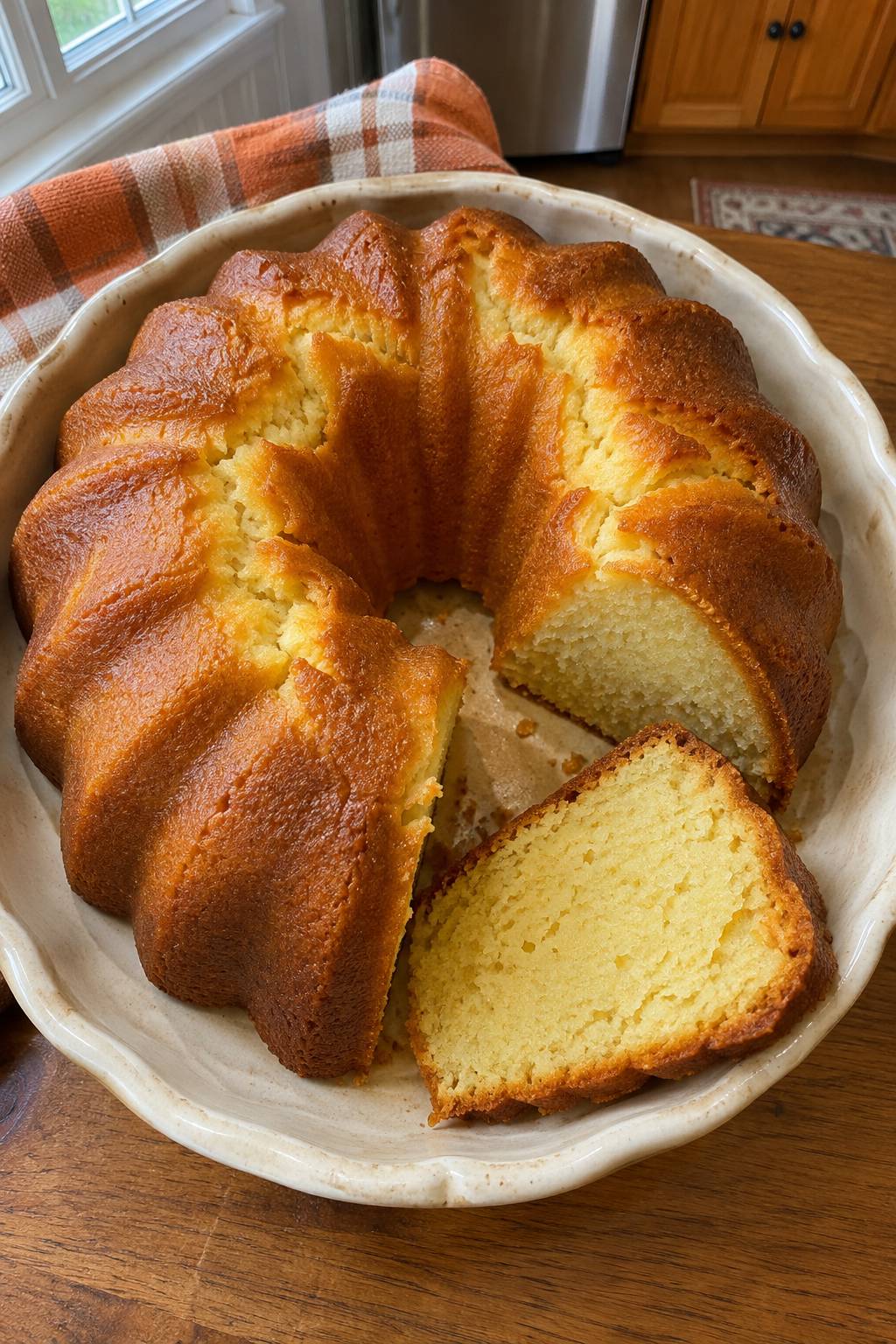
This classic Bundt-style pound cake has a fine, dense crumb and a deeply golden exterior. Serve it plain in thick slices, just as pictured.
- Course
- Dessert
- Cuisine
- American
- Difficulty
- Easy
- Servings
- 16 servings
- Prep time
- 25 mins
- Cook time
- 1 hr 25 mins
- Total time
- 3 hr 50 mins
- Calories
- 420 kcal
Ingredients
Pan preparation
Cake
Instructions
Heat the oven to 325°F with a rack in the lower-middle position. Thoroughly grease a 10-inch Bundt pan with a capacity of at least 12 cups using the 1 tbsp butter, including the center tube and every groove. Dust with the 2 tbsp flour and tap out the excess.
Using a stand mixer fitted with the paddle attachment or a handheld mixer, beat the 1 1/2 cups butter and sugar on medium-high speed for 5 to 7 minutes, until pale and fluffy. Scrape the bowl and beaters as needed.
Add the eggs one at a time, beating on medium speed until each is incorporated before adding the next. Scrape the bowl, then mix in the lemon and lime zest.
Whisk the 3 cups flour and salt together in a separate bowl. On low speed, add the flour mixture in three additions, alternating with the 7 Up in two additions, beginning and ending with flour. Mix just until incorporated. Scrape the bottom of the bowl and gently fold any remaining flour into the batter.
Spoon the batter evenly into the prepared pan and smooth the top. Bake for approximately 85 minutes, until the cake is deeply golden and a long wooden skewer inserted near the center comes out clean or with a few moist crumbs. If needed, loosely tent with foil toward the end of baking to limit further browning.
Cool the cake in its pan on a wire rack for 20 minutes. Gently loosen any exposed edges, invert onto the rack, and lift off the pan. Let cool for another 100 minutes before transferring to a serving platter and slicing.
Notes
- Use regular 7 Up; its sugar contributes to the cake's sweetness and browning.
- This recipe has no baking powder or baking soda. Thoroughly creaming the butter and sugar incorporates air that helps the cake rise.
- Butter should be soft enough to indent easily but should not look melted or oily.
- Ovens and pan finishes affect baking time. Check for doneness before removing the cake and continue baking if the skewer shows wet batter.
- Store the cooled cake tightly covered at room temperature for up to 3 days, or freeze wrapped slices for up to 3 months.
Recipe: https://naileditrecipes.co/7-up-pound-cake/