Braised Octopus Stew: Tender Tentacles Mastery
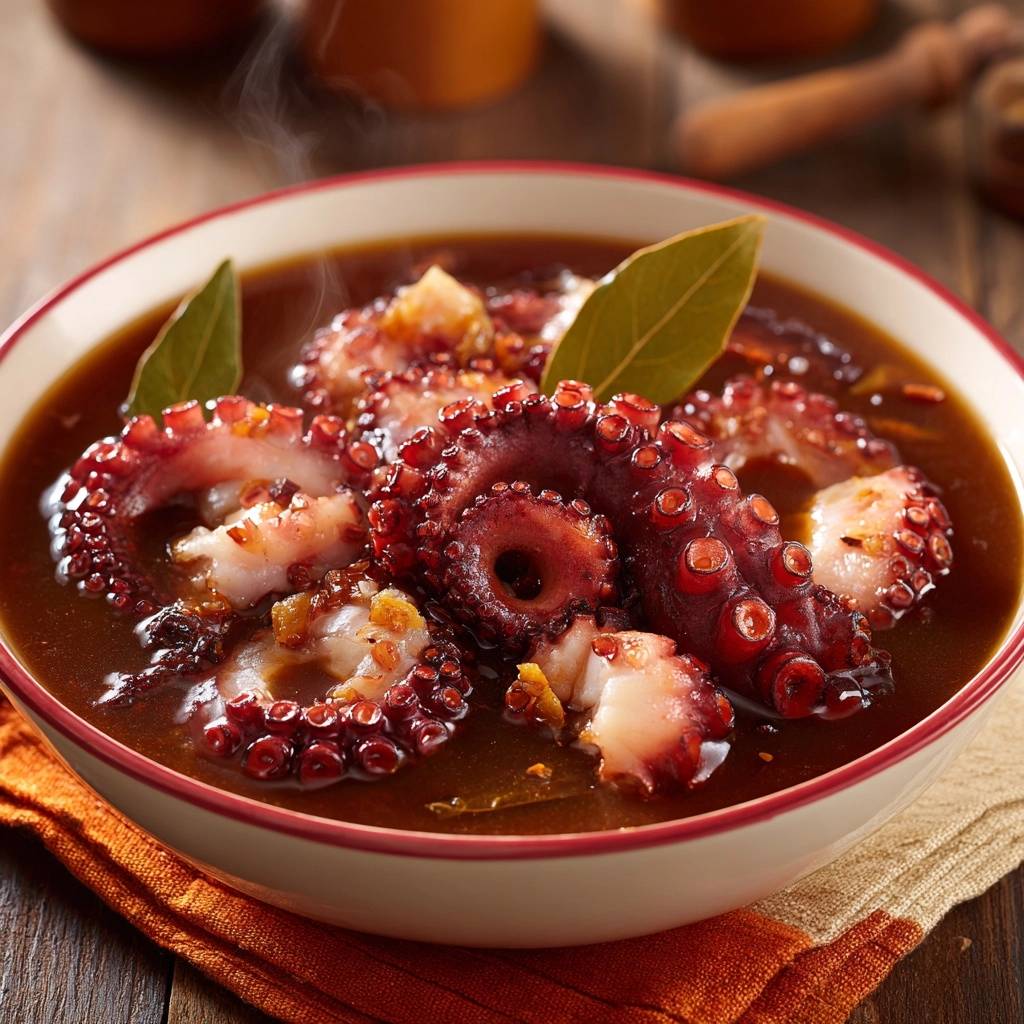
Ever ended up with rubbery octopus in your stew that you could bounce off the walls? You’re not alone. Most home cooks fight that chew because they skip the crucial prep. But this braised octopus stew changes everything with a simple blanch-and-braise method. You’ll get silky, fork-tender tentacles that melt in your mouth.
Why does it work so well? The blanch shocks the tough proteins first. Then a gentle braise in aromatic stock turns collagen into gelatin. Imagine the kitchen filling with bright orange zest, pungent garlic, and a whisper of chili heat. It’s cozy yet exotic, perfect for weeknights or impressing friends.
Here’s the pro tip that seals it: maintain a bare simmer with just tiny bubbles. Anything hotter reheats the proteins and toughens them up. That’s your ticket to restaurant-quality results right at home. This stew stands out because it demystifies octopus for any cook, no fancy gear required.
Core Components for Braised Octopus Stew
Selecting Pristine Octopus Tentacles
Grab 2 pounds of fresh or thawed frozen octopus tentacles. Look for firm, glossy ones without fishy smells. Fresh from the market beats online for texture, but frozen works great if fully thawed overnight in the fridge. Keep them whole; chopping early releases too much moisture during braising.
Cleaning’s simple if needed: rinse under cold water and trim any beaks. Whole tentacles braise evenly because heat penetrates slowly. Therefore, you’ll avoid uneven tenderness. This choice ensures your braised octopus stew shines with consistent silkiness.
Building Aromatic Base Ingredients
Smash 6 garlic cloves for maximum infusion; whole cloves release oils slowly. Add 3 bay leaves for earthy depth, 1 teaspoon red chili flakes for subtle heat, and zest plus juice from 1 orange. That citrus cuts the richness beautifully. Tomato paste, 2 tablespoons, builds umami backbone.
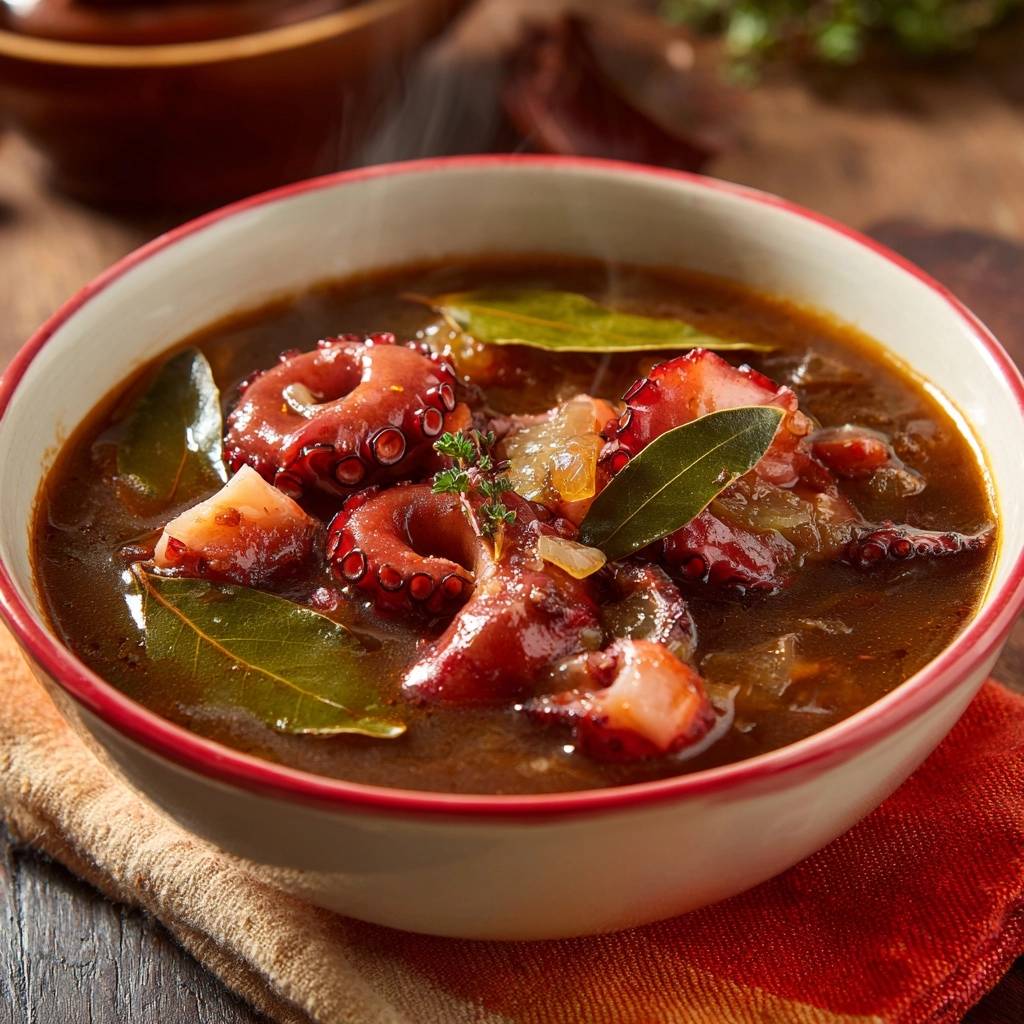
Fresh orange zest trumps dried for vibrant brightness. In addition, if bay leaves are unavailable, thyme sprigs swap in nicely. These quantities serve 4 generously. Each layer builds flavor without overwhelming the tender octopus.
Stock Choices and Seasoning Essentials
Use 4 cups seafood stock for pure ocean essence, or vegetable stock to keep it lighter. Seafood amps up brininess, while veggie lets aromatics lead. Exactly 4 cups covers the octopus without diluting flavors during braise.
Hold off on salt until the end; early addition draws out moisture and toughens proteins. Freshly ground black pepper finishes it. High-quality olive oil, 3 tablespoons, prevents sticking and carries those garlic aromas. Quality here means everything for the sauté.
Science of Tender Braised Octopus
Blanching Breaks Down Tough Proteins
Octopus is loaded with collagen, making it rubbery if cooked raw. A 30-minute blanch in boiling salted water denatures those proteins fast at 212°F. You’ll see the tentacles shrink and turn opaque. That’s your cue they’re prepped.
Without this, braising alone takes hours and often fails. However, the boil kickstarts tenderness. Rinse cold right after to halt cooking. Pat dry well; this prevents a watery stew later.
Bare Simmer Transforms Collagen to Gelatin
After blanching, a low braise at 180-190°F melts remaining collagen into silky gelatin. Tiny bubbles only, no rolling boil. Partial lid keeps moisture in while letting steam escape. Orange juice’s acidity aids breakdown too.
Test with a fork at 35 minutes; it should pierce like butter. High heat reheats proteins, causing chewiness. Therefore, patience here delivers that melt-in-mouth magic everyone craves.
Equipment Essentials for Braised Octopus Stew
Why Dutch Oven Excels in Braising
A 5-7 quart Dutch oven’s thick cast iron holds steady heat for perfect simmering. It prevents scorching the tomato paste. Lighter pots fluctuate, leading to hot spots.
Partial lid hack: prop with a spoon to control evaporation. If no Dutch oven, a heavy-bottomed pot works, but watch heat closely. Even distribution means foolproof tenderness.
Other Key Tools for Precision
Start with a large pot for blanching. Use a slotted spoon to drain easily. An instant-read thermometer confirms that bare simmer. Pat dry with paper towels post-blanch to avoid oil splatter.
No need for gadgets beyond that. These basics keep you precise and safe.
Step-by-Step: Blanching Phase
Boiling to Rolling for Protein Shock
Fill a large pot with water, salt like seawater (about 1/4 cup per gallon). Bring to rolling boil. Add 2 pounds octopus tentacles; set timer for 30 minutes exact.
They’ll curl and soften, releasing foam; skim it off. Drain, then shock under cold running water. Pat super dry. Texture shifts from rubbery to pliable, aroma turns milder.
Step-by-Step: Aromatic Sauté Foundation
Sauteing Garlic and Zest Without Burning
Heat 3 tablespoons olive oil in Dutch oven over medium. Add smashed garlic, bay leaves, orange zest, chili flakes. Sauté 2 minutes till fragrant and golden, not brown.
Smashed garlic infuses deeply; flakes bloom for even heat. Bay floats subtly. Your kitchen smells incredible already.
Activating Tomato Paste Depth
Stir in 2 tablespoons tomato paste; cook 1 minute. It darkens and sweetens, losing raw tinny edge. Blend with aromatics seamlessly.
This step caramelizes sugars for rich base. Add octopus next for full integration.
Step-by-Step: Braising to Perfection
Assembling Stew Liquids and Simmer Start
Toss in blanched octopus, orange juice, 4 cups stock. Stir well. Bring to simmer gently; avoid boil-over by watching heat.
Liquids should just cover tentacles. Fragrance intensifies with citrus tang.
Gentle 35-Minute Braise Monitoring
Drop to low, cover partially. Maintain bare simmer with tiny bubbles. Stir every 10 minutes.
Fork-test at 35 minutes; easy pierce means done. Sauce starts silky, octopus tenderizes fully.
Uncovered Reduction for Thick Sauce
Uncover, simmer 10 more minutes. Sauce thickens as it reduces. Discard bay leaves, season with salt and pepper.
Taste evolves to balanced brightness. Garnish with zest for pop.
Avoiding Rubbery Braised Octopus Pitfalls
Overboiling or High-Heat Errors
High heat post-blanch reheats proteins, causing rubberiness. Symptoms: tentacles bounce back tough. Fix by extending braise 10-15 minutes low and slow.
Always prioritize gentle simmer. Rushing never pays off here.
Skipping Blanch or Dry Pat
No blanch means hours of chewing. Skipping dry pat dilutes sauce and splatters oil. Flavors muddle too.
Recovery: blanch late if forgotten, but tenderness suffers. Pro tip: double pat for insurance.
Flavor Variations in Braised Octopus Stew
Citrus and Spice Profile Twists
Swap orange for lemon zest and juice for sharper tang. Add smoked paprika instead of chili for smokiness. Thyme sprigs bring herbal earthiness.
Fennel bulb slices add anise sweetness. These tweaks keep the tender core while refreshing taste. Experiment once mastered.
Umami Boosters and Heat Levels
Stir in 1 teaspoon miso paste with stock for deeper savoriness. Use fresh chilies diced for adjustable heat over flakes. Vegan stock keeps it plant-based.
Taste midway; adjust gradually. Builds layers without overpowering.
Make-Ahead and Storage for Braised Octopus Stew
Prep Timeline and Freezing Best Practices
Blanch tentacles up to 2 days ahead; store chilled. Full stew freezes beautifully in portions up to 3 months. Use freezer bags, squeeze air out.
Thaw overnight in fridge, reheat gently. Texture holds firm. Perfect for batch cooking.
Reheating Without Texture Loss
Stovetop low with splash stock revives silkiness best. Oven at 300°F covered works too. Skip microwave; it toughens unevenly.
Stir often. Back to fresh in minutes.
Pairing Sides with Braised Octopus Stew
Grains and Breads for Sauce Sop
Serve over steamed rice; it soaks up every spiced drop. Crusty sourdough tears perfectly for dipping. Creamy polenta contrasts tender octopus beautifully.
Simple sides let stew star. Keeps meal hearty yet light.
For a perfect pairing, try our Spicy Tomato Tortilla Soup with Lasting Crunch.
Fresh Salads and Veggies Balance
Bitter greens like arugula cut richness with peppery bite. Roasted carrots add sweet earthiness. Pair with white grape juice or herbal teas.
Balances the bold braise perfectly.
Troubleshooting Braised Octopus Stew Issues
Sauce Too Thin or Overly Thick
Thin? Simmer uncovered longer or add cornstarch slurry. Thick? Stir in stock gradually. Time reductions precisely next round.
Easy fixes keep it saucy ideal.
Flavor Imbalances and Fixes
Too acidic? Pinch sugar mellows. Bland? Dash anchovy paste boosts umami. Salty overload? Thin with stock, simmer down.
Taste iteratively. Dial it in confidently.
Octopus Still Chewy Solutions
Extend braise 10-15 minutes low. Pressure cooker halves time if needed. Always fork-test early.
Patience wins every time.
Common Questions on Braised Octopus Stew
Can I Use Frozen Octopus Tentacles?
Absolutely. Thaw fully in fridge overnight, pat dry extra well. Blanch time stays 30 minutes. No texture loss if handled right.
How Long Does Braised Octopus Stew Last?
Fridge in airtight container up to 4 days. Look for off smells or sliminess to toss. Reheats like new.
Is Pre-Cooked Octopus Suitable?
Yes, but cut braise to 20 minutes total. Texture’s softer already, so monitor closely. Still delicious.
Vegetarian Version of This Stew?
Swap seafood stock for vegetable. Add mushroom powder for umami. Same tender magic.
Scaling for Larger Batches?
Double ingredients, use 7+ quart pot. Blanch in batches, braise adds 10 minutes. Even cooking holds.
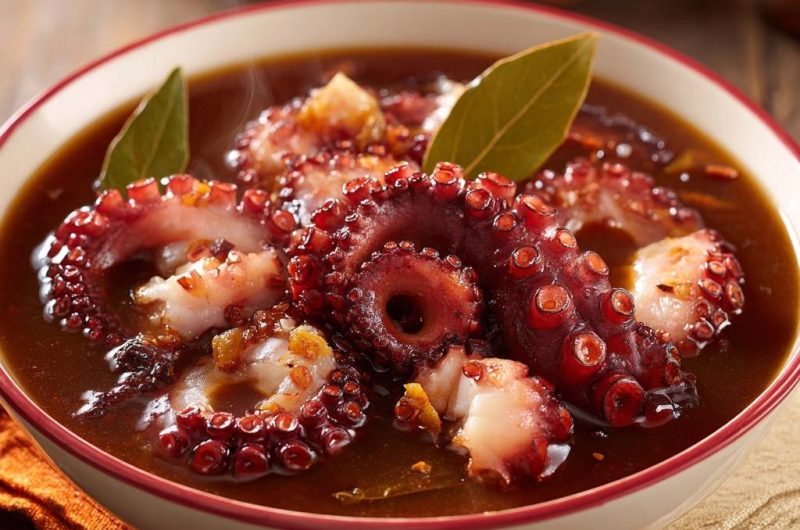
Braised Octopus
Course: Main CourseCuisine: MediterraneanDifficulty: medium4
servings15
minutes1
hour350
kcal75
MinutesTired of chewy octopus that ruins your stew? This recipe delivers fork-tender tentacles every time with a simple blanch and gentle braise in aromatic liquid. No fancy equipment needed.
Ingredients
2 pounds fresh or thawed frozen octopus tentacles, cleaned (left whole)
6 garlic cloves, peeled and smashed
3 bay leaves
1 orange, zested and juiced
1 teaspoon red chili flakes
2 tablespoons tomato paste
4 cups seafood or vegetable stock
3 tablespoons olive oil
Salt and black pepper to taste
Directions
- Bring a large pot of salted water to a rolling boil. Add the octopus tentacles and blanch for 30 minutes. This step breaks down the tough proteins fast, preventing rubbery texture later. Drain and rinse under cold water to stop cooking. Pat dry thoroughly.
- In a large Dutch oven or heavy pot, heat olive oil over medium heat. Add smashed garlic, bay leaves, orange zest, and chili flakes. Saute 2 minutes until fragrant but not browned.
- Stir in tomato paste and cook 1 minute to deepen flavor. Add blanched octopus tentacles, orange juice, and stock. Bring to a simmer.
- Reduce heat to low, cover partially, and braise gently for 35 minutes, stirring occasionally. The key no-rubbery trick: maintain a bare simmer (tiny bubbles only) so collagen melts slowly into silky tenderness without toughening. Test with a fork; it should pierce easily.
- Uncover and simmer 10 more minutes to thicken sauce. Season with salt and pepper. Discard bay leaves. Serve hot in bowls, garnished with extra orange zest. Perfect over rice or with crusty bread.
Notes
- Use fresh or thawed frozen octopus tentacles. Maintain a bare simmer during braising for silky tenderness. Perfect served over rice or with crusty bread.