Brown Butter Pound Cake
Brown butter gives this pound cake rich, nutty flavor beneath a golden crust. Learn the key techniques for a tender crumb and a beautifully cracked top.
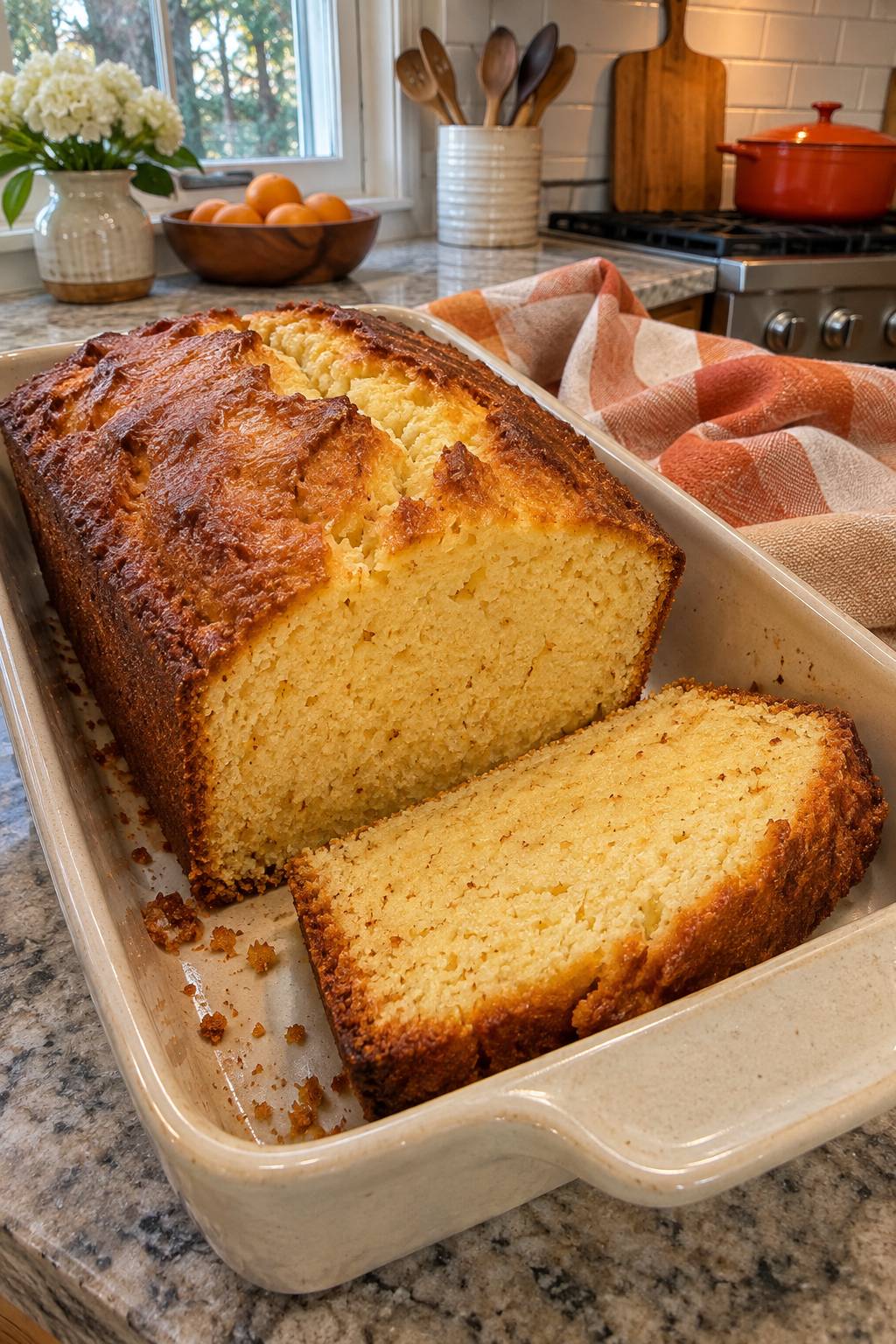
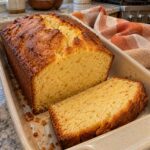
Brown butter pound cake brings a cozy, nutty depth to a familiar dessert. Beneath its deeply golden crust, you get a tender, close crumb that holds together beautifully when cut into thick slices. The naturally cracked top gives the loaf a simple, home-baked look.
The key to this cake is paying attention to the butter throughout the process. Browning develops its distinctive flavor, but letting it return to a soft, opaque consistency is just as important. From there, careful mixing helps you achieve the texture that makes pound cake so satisfying.
Look for golden milk solids and a nutty aroma
A light-colored saucepan makes it easier to watch the unsalted butter change color. Pay attention to the milk solids at the bottom of the pan, where browning can be harder to see beneath the surface. Stirring and scraping keep those bits moving so you can judge their color.
You want golden brown solids and a nutty smell. Blackened bits taste bitter, so transfer the butter to a heatproof bowl as soon as it reaches the right stage. Include the golden sediment when you pour: those browned bits provide much of the cake’s flavor and belong in the batter.
Give browned butter the right consistency
Browned butter needs to be opaque and soft enough to beat before you cream it with granulated sugar. Think of the consistency of softened butter, with no liquid pooling around it. If chilling leaves it firm, let it soften before you continue.
This texture matters because the butter needs to hold air during creaming. Beat until the mixture looks lighter and fluffy, scraping the bowl so the butter and sugar combine evenly. Use the room-temperature eggs and sour cream specified on the recipe card, and mix each egg in thoroughly before adding another.
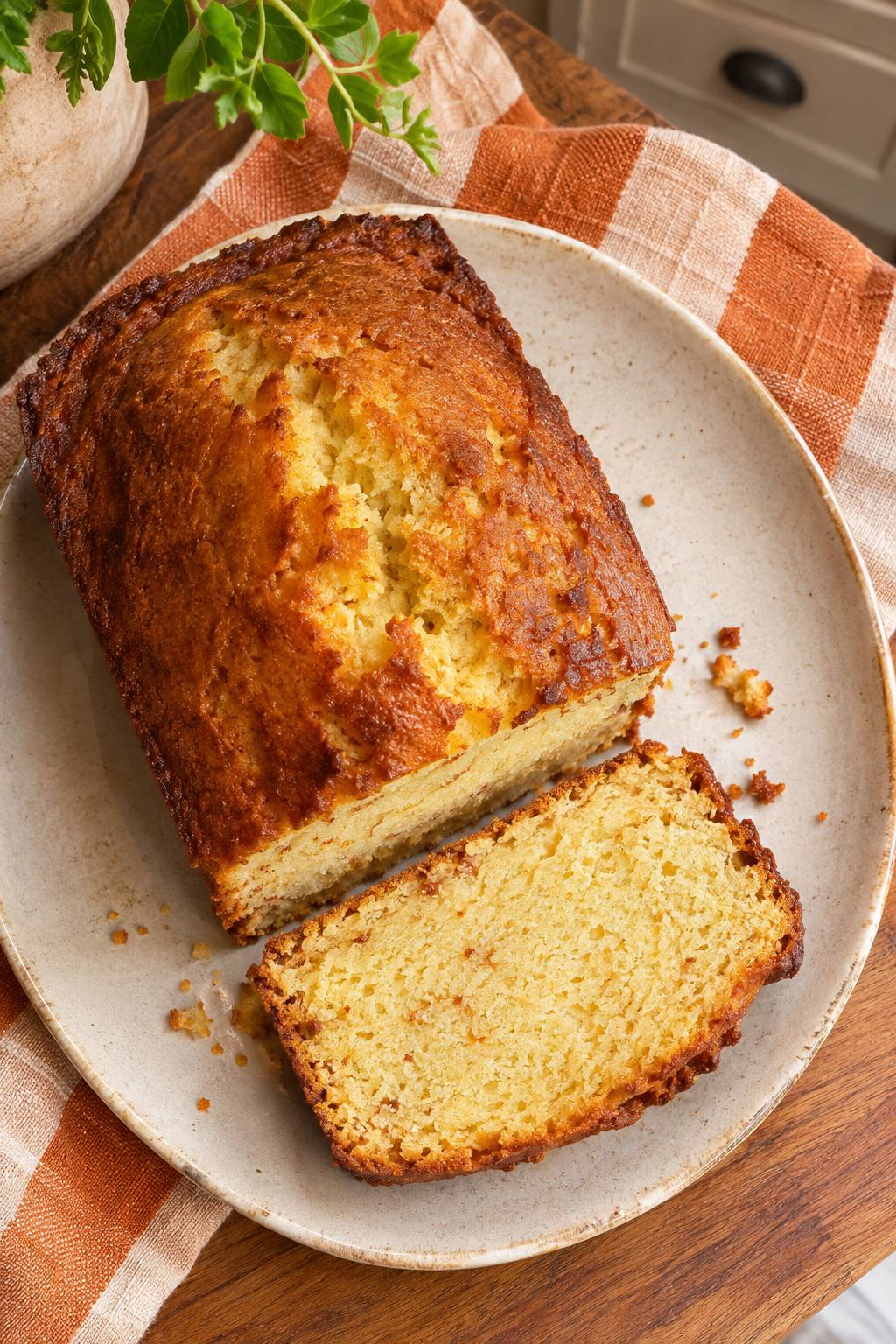
Keep the batter evenly mixed without overworking it
Whisking the all-purpose flour, baking powder, and salt together helps distribute them before they meet the butter mixture. When you add the dry ingredients and sour cream, keep the mixer on low and stop as soon as they are incorporated. Finish by scraping the bottom of the bowl and folding gently to catch any unmixed pockets.
Vanilla bean paste complements the browned butter without complicating the flavor. Check the label for paste made with vanilla beans, sugar, and water. The finished cake should have a tender, close crumb; prolonged mixing after the flour goes in is something to avoid.
Read the crust and center separately
A deeply golden crust is part of this cake’s appeal, but color alone cannot tell you whether the center is baked. If the top has already browned deeply while the cake still needs baking, a loose foil tent helps protect the surface.
Check the center with a wooden skewer: clean or lightly dotted with moist crumbs is the goal, with no wet batter. A crack along the top is normal for this loaf-style pound cake. Follow the recipe card’s cooling directions before cutting so you can enjoy neat, thick slices.
Frequently Asked Questions
Should I keep the browned bits in the butter?
Yes. The golden milk solids contribute much of the browned butter flavor, so scrape them into the heatproof bowl along with the butter. Watch their color carefully while cooking, since blackened solids taste bitter.
What if my browned butter gets too firm?
Let it soften before beating it with the sugar. It should be opaque and soft enough to cream, without liquid collecting around it. Use its consistency as your guide rather than proceeding while it is still firm.
Does a cracked top mean the cake is overbaked?
A natural crack is normal for a loaf-style pound cake. Check doneness in the center with a wooden skewer instead of judging by the crack. You want a clean skewer or moist crumbs, without wet batter.
Recipe
Brown Butter Pound Cake
A rich pound cake with a deeply golden crust, a cracked top and a tender, close crumb. Thick slices make a cozy dessert or afternoon treat.
- Course
- Dessert
- Cuisine
- American
- Difficulty
- Easy
- Servings
- 10 servings
- Prep time
- 25 mins
- Cook time
- 1 hr 23 mins
- Total time
- 3 hr 48 mins
- Calories
- 430 kcal
Ingredients
Cake
Instructions
Place 1 cup butter in a light-colored saucepan over medium heat. Cook for 8 minutes, stirring frequently and scraping the bottom, until the butter smells nutty and the milk solids are golden brown. Immediately pour into a heatproof bowl, including the browned bits.
Let the browned butter cool at room temperature for 15 minutes, then refrigerate for about 30 minutes, stirring occasionally, until opaque and soft enough to beat. It should have the consistency of softened butter, with no liquid pooling around it.
Heat the oven to 325°F with a rack in the center. Grease a 9x5-inch loaf pan with the remaining 1 tsp butter. Line the bottom and two long sides with parchment paper, leaving enough overhang to lift out the cake.
Whisk the flour, baking powder and salt together in a bowl. In a large mixing bowl, beat the softened browned butter and sugar with an electric mixer on medium-high speed for 4 minutes, scraping the bowl occasionally, until lighter and fluffy.
Beat in the eggs one at a time, mixing well and scraping the bowl after each addition. Mix in the vanilla bean paste.
On low speed, add the flour mixture in three additions, alternating with the sour cream in two additions, beginning and ending with flour. Mix just until incorporated. Scrape the bottom of the bowl and gently fold the batter a few times to finish combining.
Spread the batter evenly in the prepared pan. Bake for 75 minutes, checking at 60 minutes and loosely tenting with foil if the top is already deeply golden. The cake is done when a wooden skewer inserted into the center comes out clean or with a few moist crumbs and no wet batter. If needed, bake for an additional 5 to 10 minutes.
Cool in the pan on a wire rack for 15 minutes. Loosen the short ends, lift the cake out using the parchment and remove the paper. Cool directly on the rack for 60 minutes before cutting into thick slices.
Notes
- Use vanilla bean paste made with vanilla beans, sugar and water; check the label when shopping.
- Keep the golden milk solids when transferring the butter; they provide much of the browned butter flavor. Blackened solids taste bitter.
- The browned butter must be soft and opaque before beating so it can hold air during creaming. If it becomes firm in the refrigerator, let it soften before proceeding.
- A natural crack along the top is normal for a loaf-style pound cake.
- Store tightly wrapped at room temperature for up to 3 days, or freeze individual slices for up to 2 months.
Recipe: https://naileditrecipes.co/brown-butter-pound-cake/