Bucatini Bolognese with Thick, Clingy Sauce
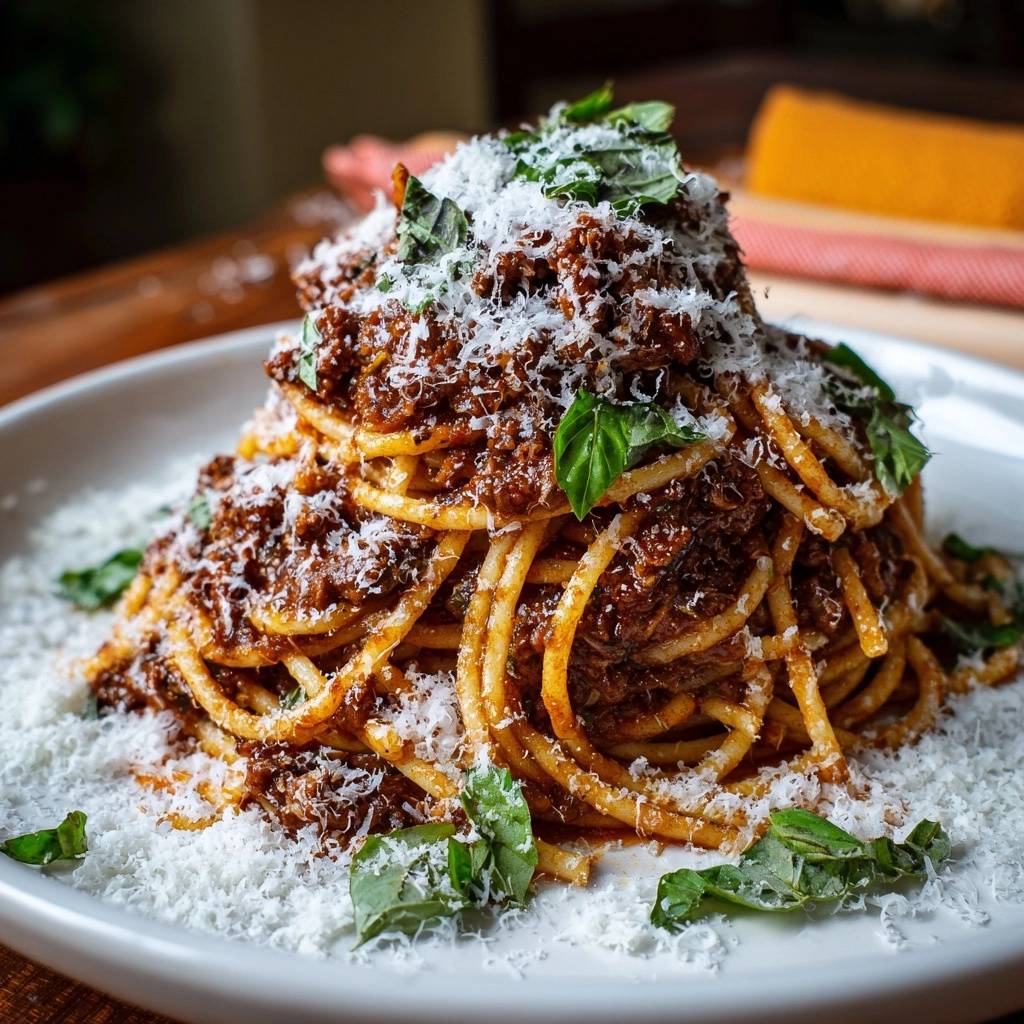
Ever end up with a watery bolognese that pools at the bottom of your bowl instead of coating every bite? Most recipes fail because they simmer covered, trapping steam and diluting all that hard-built flavor. This bucatini bolognese fixes it with one simple trick: an uncovered low simmer that evaporates the liquid over 40 minutes, turning your sauce thick and clingy.
Therefore, you get restaurant-quality ragu at home in about an hour, serving four hungry folks. Picture thick bucatini strands stuffed with meaty sauce, each bite bursting with deep umami, finished with generous parmesan shavings and fresh basil that smells like summer.
Here’s the expertise booster: caramelize the tomato paste for two full minutes before adding tomatoes. It deepens the flavor without scorching, so your sauce clings perfectly to al dente pasta. You’ll never go back to soupy versions.
Core Ingredients for Bucatini Bolognese
You’ll need 8 ounces bucatini pasta, 1 pound ground beef, 1 medium onion finely chopped, 2 carrots finely chopped, 2 celery stalks finely chopped, 3 garlic cloves minced, 3 tablespoons tomato paste, one 28-ounce can crushed tomatoes, 1/2 cup beef broth, 1/2 cup whole milk, salt and black pepper to taste, 1 cup grated parmesan cheese, fresh basil leaves for garnish, and 2 tablespoons olive oil.
These ingredients work together for thick sauce that doesn’t separate. First, the soffritto base of onion, carrot, and celery builds a sweet, aromatic foundation. Finely chop them uniform so they melt into the ragu without chewy chunks. Freshly minced garlic adds punch; jarred works in a pinch but lacks brightness.
If you enjoy the velvety texture that milk creates in this sauce, you’ll find the same comfort in this hearty beef ragu with gnocchi.
Olive oil sautés everything smoothly. Opt for grass-fed ground beef if you can; it renders richer fat for better mouthfeel. Beef broth adds savoriness without watering things down, while whole milk emulsifies at the end for silkiness. Crushed tomatoes give body over purees, and tomato paste packs concentrated umami.
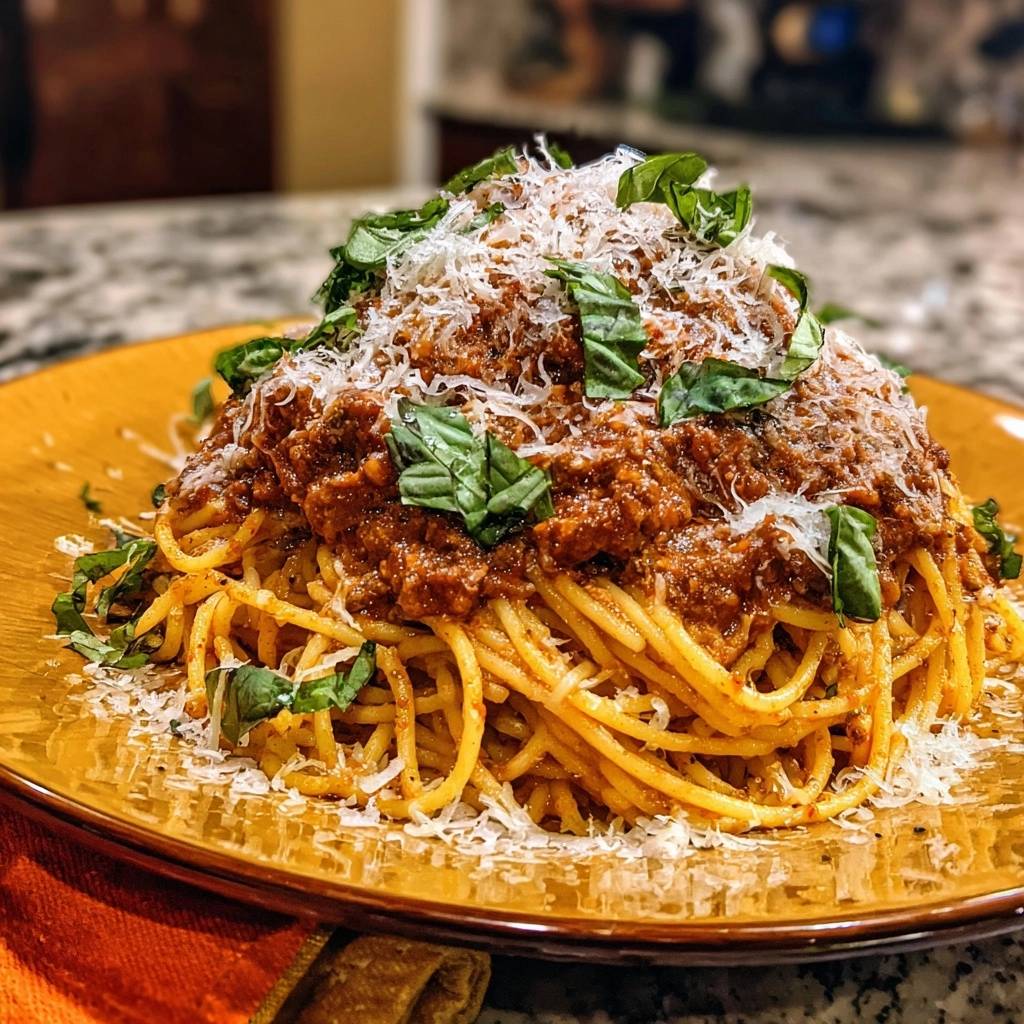
Pro tip: grate your own parmesan. It melts creamier than pre-shredded, which has anti-caking agents. For leaner vibes, swap beef for ground turkey but add extra olive oil to compensate.
Soffritto Vegetables: Onion, Carrot, Celery Breakdown
The soffritto is your flavor base. Finely chop onion, carrot, and celery into 1/4-inch pieces for even cooking. This mirepoix science ensures they soften uniformly in 8 minutes, releasing sugars without browning.
Onion goes in first since it takes longest. You want translucency and a sweet aroma, not color. Chunks lead to uneven sauce, so pulse in a food processor if chopping tires you out.
Tomato Paste and Crushed Tomatoes Role
Tomato paste caramelizes in 2 minutes, unlocking glutamates for umami depth. Stir constantly to avoid scorching; you’ll smell toasty sweetness. A 28-ounce can of crushed tomatoes provides starch for natural thickening, unlike smooth purees that stay thin.
Therefore, this combo concentrates flavor as it simmers. No fresh tomatoes here; they release too much water.
Beef, Broth, Milk: Meat Sauce Builders
Ground beef browns to render fat, creating crusty bits via Maillard reaction. Drain excess if it pools, keeping sauce rich not greasy. Beef broth deglazes and evaporates for savoriness.
Whole milk stirs in last, its proteins binding acids and fats for velvety texture. Add it early and it curdles. This trio builds clingy ragu that coats bucatini perfectly.
Science of Thick Bucatini Bolognese Sauce
Thick sauce comes from smart chemistry. Beef browning triggers Maillard for savory crusts. Tomato paste caramelizes next, boosting glutamates. The real magic? Uncovered simmering reduces water by 40 to 50 percent over 40 minutes, concentrating starches and collagen.
Covered pots trap steam, leading to soup. Here, low heat exposes surface area so steam escapes slowly. Stir every 10 minutes for even reduction; your sauce transforms from brothy to spoon-coating thick.
In addition, milk emulsifies at the end, breaking fat globules for homogeneity. Before simmer, it’s loose; after, it clings like velvet. This method guarantees no dilution, even for beginners.
Evaporation Trick: Uncovered Simmer Mechanics
After tomatoes and broth, drop to low heat around 180 to 200°F. Leave uncovered so steam rises freely, evaporating 1 to 2 cups liquid over 40 minutes. Wide pot maximizes surface area.
This uncovered simmering method works beautifully for achieving the clingy sauce in a rich pappardelle ragu as well.
Stir every 10 minutes to prevent sticking. Test thickness by spooning it up; it should hold without dripping. Too thick? Splash in broth. This physics delivers perfect ragu.
Milk Emulsification for Silky Finish
Stir in milk the last 5 minutes. Dairy proteins stabilize the sauce, preventing fat separation. Whole milk works best; skim won’t bind as well. Skip butter; milk gives authentic silkiness.
Step-by-Step: Building Bucatini Bolognese Ragu
Total time hits 1 hour. Start with soffritto, then beef, paste, long simmer, milk finish, and pasta toss. Follow cues for foolproof results.
Phase 1: Sautéing Soffritto Base
Heat 2 tablespoons olive oil in a large pot over medium. Add onion, carrots, celery, and garlic. Cook 8 minutes, stirring often, until softened and fragrant. Onion first prevents garlic burn.
Look for translucency, not brown. This builds sweet base without scorching.
Phase 2: Browning Ground Beef Fully
Add 1 pound ground beef. Cook 7 minutes, breaking clumps with a spoon, until browned. Drain fat if pooling. Crusty bits amp flavor via Maillard.
Don’t rush; full brown means deeper taste.
Phase 3-4: Tomato Paste to Simmer Reduction
Stir in 3 tablespoons tomato paste; cook 2 minutes till caramelized and brick-red. Add crushed tomatoes and 1/2 cup beef broth; bring to simmer. Reduce to low, uncover, and simmer 40 minutes, stirring every 10.
Sauce thickens as liquid evaporates. Spoon test: it clings without sliding off.
Phase 5-6: Milk, Pasta Toss, Serving
Stir in 1/2 cup milk last 5 minutes; season with salt and pepper. Boil bucatini in salted water 1 minute under package for al dente; reserve 1/2 cup water. Drain, toss with sauce and pasta water for cling.
Divide into bowls, top with parmesan and basil. Hot and ready.
Avoiding Bucatini Bolognese Pitfalls
Common mistakes ruin bolognese. Covering the pot keeps it soupy. High heat scorches paste. Overcook pasta to mush. Skip pasta water and toss stays dry. Add milk early and it curdles.
Fixes keep you winning. Uncovered simmer evaporates properly. Medium heat throughout. Undercook pasta. Always reserve starch water. These checks make it beginner-proof.
Watery Sauce: Fix with Simmer Method
Covered simmering traps steam, diluting sauce. Uncovered low heat evaporates 1 to 2 cups over 40 minutes. Stir frequently to avoid sticking; wide pot helps.
Soggy Pasta: Al Dente Toss Technique
Cook bucatini 1 minute under for al dente. Pasta starch in reserved water binds sauce to hollow tubes. Never rinse; it removes glue.
Make-Ahead Bucatini Bolognese Guide
Ragu shines for meal prep. Cook sauce ahead; it tastes better day two as flavors meld. Store up to 4 days in fridge airtight, or freeze 3 months. Reheat low to restore texture.
Portion into bags flat for quick thaw. Boil fresh pasta each time, or undercook and freeze separately. Hit 165°F internal for safety. Weekly prep: double batch Sundays for easy dinners.
Freezing Ragu: Portion and Thaw Tips
Cool ragu fully, then portion into quart bags. Flatten for stackable storage and fast thaw in fridge overnight. Microwave in bursts or stovetop with splash broth. Avoid refreezing.
Reheating for Fresh Texture
Low simmer with broth or milk splash revives emulsion; don’t boil or it separates. Toss reheated pasta fresh for bite. Adds 5 minutes tops.
Pairing Sides with Bucatini Bolognese
Rich ragu needs crisp contrasts. Arugula salad with balsamic cuts through meatiness. Roasted zucchini or eggplant adds earthiness. Garlic bread sopps up every drop.
What to Serve Alongside
This thick, clingy Bolognese calls for something fresh and crunchy on the side. These two salads balance the richness with texture and brightness.
- For a sweet and earthy contrast, try this Crispy Roasted Butternut Squash Kale Salad – the roasted squash and sturdy kale hold up well against the heavy sauce.
- For a peppery, savory side, this Warm Mushroom Arugula Salad brings umami and a light vinaigrette that cuts through the pasta’s richness.
Chianti balances acidity. Finish with panna cotta for cool creaminess. These keep dinner fresh and balanced.
Crisp Salads and Veggie Sides
Toss arugula with lemon, olive oil, and shaved parm. Roast zucchini at 425°F 20 minutes with herbs. They brighten the heavy ragu perfectly.
Bread for Sauce Sop-Up
Crusty focaccia or sourdough tears easily. Warm in oven for toasty edges that grab sauce.
Bucatini Bolognese FAQ
Can I Use Ground Turkey Instead?
Yes, ground turkey works great for leaner sauce. Add an extra tablespoon olive oil since it renders less fat. Follow same timings; flavor stays bold but lighter.
Why Bucatini Over Spaghetti?
Bucatini’s hollow tubes trap thick ragu inside each strand for unbeatable cling. Spaghetti slips off. Try rigatoni next if unavailable; spaghetti ranks last.
How to Fix Overseasoned Sauce?
Dilute with 1/4 cup beef broth or milk, then simmer uncovered 10 minutes to reduce. Balance with pinch sugar for sweetness or splash balsamic for acid. Tastes fixed.
Vegetarian Bucatini Bolognese Adaptation?
Swap beef for lentils or finely chopped mushrooms. Use vegetable broth. Simmer uncovered same 40 minutes for thickness. Umami holds strong.
Scaling for Larger Batches?
Double all ingredients for 8 servings. Use bigger pot; extend simmer 10 minutes per extra pound meat. Stir more often to prevent scorching. Freezes perfectly scaled.
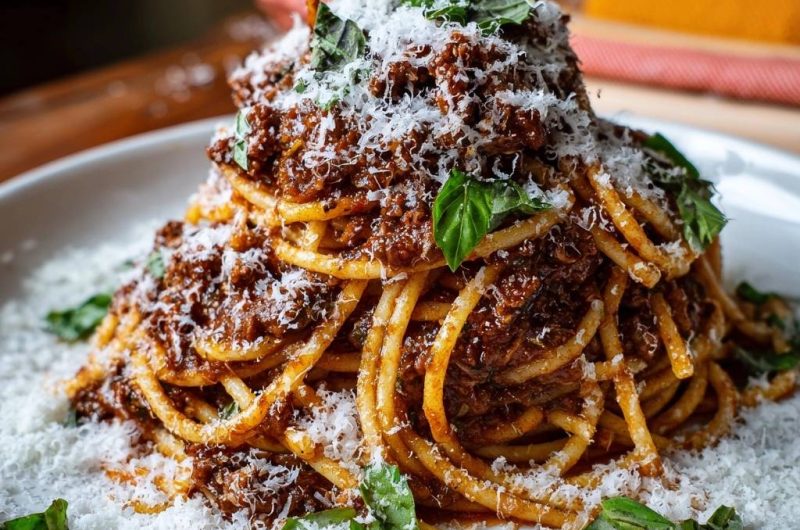
Bucatini Bolognese
Course: Main CourseCuisine: ItalianDifficulty: medium4
servings20
minutes1
hour650
kcal80
MinutesCraving restaurant-worthy bolognese but hate watery sauce? This recipe uses an uncovered simmer to thicken it perfectly while building deep flavor. Al dente bucatini coated in meaty ragu, topped with Parmesan and basil.
Ingredients
8 ounces bucatini pasta
1 pound ground beef
1 medium onion, finely chopped
2 carrots, finely chopped
2 celery stalks, finely chopped
3 garlic cloves, minced
3 tablespoons tomato paste
1 can (28 ounces) crushed tomatoes
1/2 cup beef broth
1/2 cup whole milk
Salt and black pepper to taste
1 cup grated Parmesan cheese
Fresh basil leaves for garnish
2 tablespoons olive oil
Directions
- Heat olive oil in a large pot over medium heat. Add onion, carrots, celery, and garlic. Cook 8 minutes until softened, stirring often.
- Add ground beef. Cook 7 minutes, breaking it up, until browned. Drain excess fat if needed. Cook until no pink remains and it reaches 160°F (71°C).
- Stir in tomato paste. Cook 2 minutes to caramelize it, deepening flavor without scorching.
- Pour in crushed tomatoes and beef broth. Bring to a simmer.
- Here is the game-changer for no more watery sauce: Reduce heat to low, leave pot UNCOVERED, and simmer 40 minutes. Stir every 10 minutes. The liquid evaporates slowly, concentrating the sauce into thick, clingy perfection that coats every strand. If it thickens too fast, add a splash of broth.
- Stir in milk during last 5 minutes. It emulsifies the sauce for silky texture. Season with salt and pepper.
- Cook bucatini in salted boiling water 1 minute less than package for al dente. Reserve 1/2 cup pasta water. Drain.
- Toss pasta with sauce and a splash of pasta water to help it cling.
- Divide into bowls. Top generously with Parmesan and fresh basil. Serve hot.
- This method guarantees thick sauce that never dilutes, even for beginners. Your family will devour it!
Notes
- The game-changer is simmering UNCOVERED for 40 minutes to evaporate liquid and concentrate flavors for thick, clingy sauce. Add a splash of broth if it thickens too quickly. Milk added at the end creates silky texture.