Cajun-Style Jambalaya: Fluffy Rice, Flavorful Bites
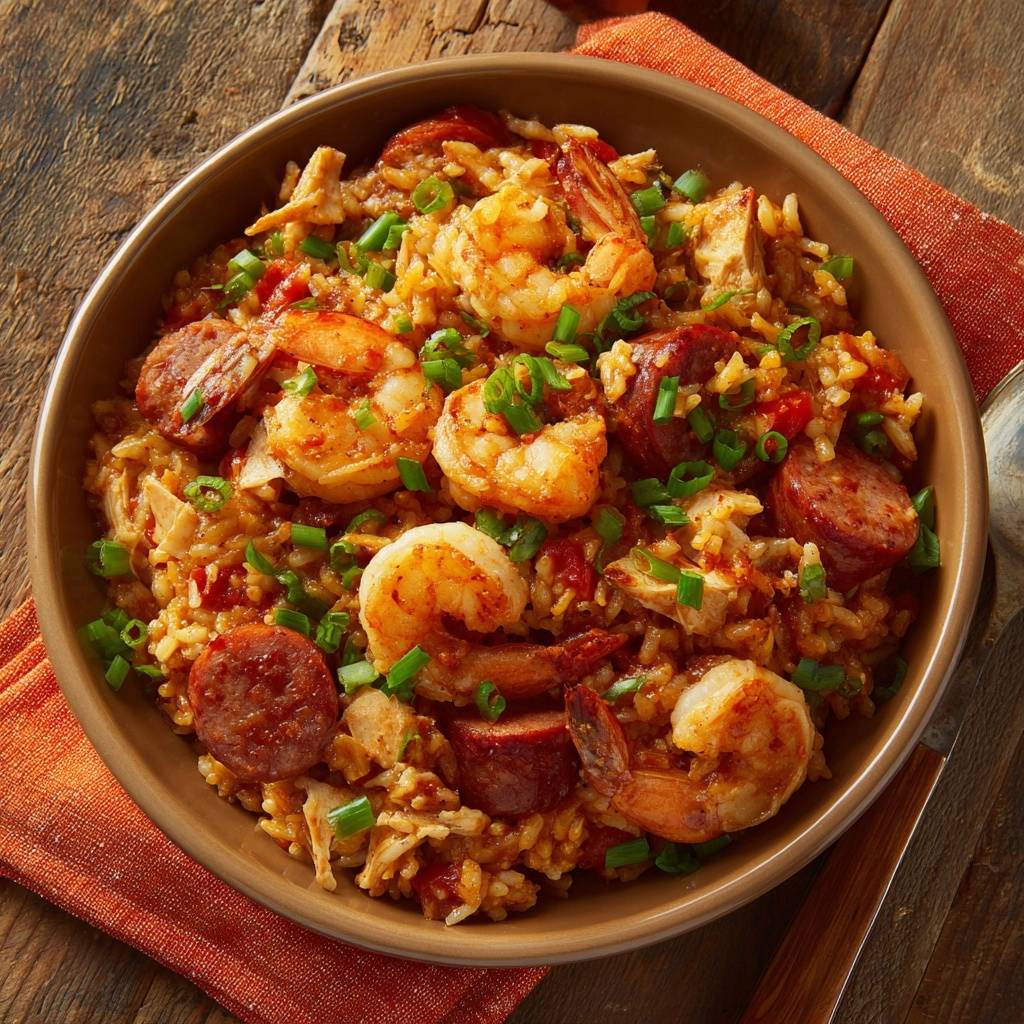
Ever faced the common kitchen frustration of a gummy, clumpy jambalaya instead of perfectly fluffy grains? I know the struggle firsthand, which is why I’m thrilled to share my tried-and-true Cajun-Style Jambalaya recipe. This method guarantees a beautifully textured, flavor-packed dish every single time, making you feel like a true Louisiana cook.
This isn’t just another recipe; it’s your definitive guide to achieving that coveted, separate rice texture while delivering deeply savory, authentic flavors. Get ready to transform your kitchen into a haven of vibrant Cajun cooking with this foolproof approach.
Unlocking the Fluff: What Makes Our Cajun-Style Jambalaya Shine
Our Cajun-Style Jambalaya recipe stands out by solving the most common jambalaya dilemma: gummy rice. We employ specific techniques to ensure each grain is perfectly cooked and distinct.
The secret lies in toasting the rice and a precise, undisturbed simmering method. This approach locks in moisture while preventing the starch from becoming sticky.
Beyond texture, this recipe prioritizes layers of authentic flavor. From deeply browned sausage to the rich broth and aromatic seasoning, every bite is a culinary delight.
Essential Equipment for Your Jambalaya Journey
Having the right tools makes all the difference in achieving a perfect Cajun-Style Jambalaya. Gather these kitchen essentials before you begin.
Heavy-Bottomed Pot or Dutch Oven
A heavy-bottomed pot, like a Dutch oven, is crucial. It distributes heat evenly, preventing hot spots that can scorch the rice and ensuring consistent cooking throughout the jambalaya.
Slotted Spoon
This tool is indispensable for browning your sausage and then removing it while leaving the flavorful rendered fat behind in the pot. This fat is essential for building the dish’s flavor base.
Tight-Fitting Lid
A lid that seals snugly is absolutely vital for our “no-peek” cooking method. It traps steam efficiently, allowing the rice to cook perfectly without losing precious moisture or being disturbed.
Measuring Cups and Spoons
Accurate measurement is key to success in any recipe, especially for the liquid-to-rice ratio in jambalaya. These standard tools ensure consistency and optimal results.
The Heart of the Dish: Key Ingredients for Authentic Flavor
Every ingredient in this Cajun-Style Jambalaya recipe plays a specific role in creating its iconic flavor profile and texture. Quality matters for the best outcome.
The Savory Base: Proteins You’ll Love
We use one pound of chicken or turkey smoked sausage, sliced into half-inch rounds, which provides a foundational savory depth and a smoky note. Cooked, shredded chicken adds another layer of tender protein, absorbing all the rich flavors as the dish simmers.
Bringing in the Brine: Succulent Shrimp
Medium shrimp, peeled and deveined with tails on, bring a delicate sweetness and a tender texture to the jambalaya. Adding them late ensures they cook perfectly from residual heat, preventing a rubbery outcome.
The Flavor Boosters: Tomatoes, Broth & Seasoning
A 14.5-ounce can of undrained diced tomatoes contributes essential moisture and a subtle tang that balances the richness. Three cups of chicken broth form the liquid base, infusing the rice with savory notes.
Two teaspoons of Cajun or Creole seasoning are the soul of the dish, providing that signature spicy, aromatic kick. Adjust to your heat preference, using your favorite blend.
The Star of the Show: Long-Grain White Rice
One and a half cups of long-grain white rice is critical for achieving that coveted fluffy, separate texture. Its lower starch content compared to short-grain varieties makes it ideal for this jambalaya recipe, ensuring no gummy grains.
The Fresh Finish: Green Onions
A quarter cup of chopped green onions adds a vibrant, fresh oniony bite and a pop of color as a garnish. They provide a perfect contrast to the rich, cooked flavors of the jambalaya.
Crafting Culinary Perfection: Step-by-Step Jambalaya Guide
Follow these detailed steps closely to achieve a flawless, flavorful Cajun-Style Jambalaya with perfectly fluffy rice.
Sautéing the Sausage: Building the Flavor Foundation
Begin by heating one tablespoon of cooking oil in a large, heavy-bottomed pot or Dutch oven over medium-high heat. Add the sliced smoked sausage and cook for 5-7 minutes until beautifully browned on both sides.
Browning is key for developing deep, savory flavors (fond) at the bottom of the pot. Remove the sausage with a slotted spoon, setting it aside, but leave that precious rendered fat in the pot.
The “No-Gummy” Secret: Toasting the Rice
This step is crucial for preventing gummy rice! Add the raw long-grain white rice to the pot with the leftover oil and rendered fat.
Stir constantly for 2-3 minutes until the rice grains begin to look slightly opaque and toasted. This process lightly toasts the exterior of the grains, helping them stay separate during cooking.
Bringing it to a Boil: Combining the Liquids & Seasoning
Stir in the undrained diced tomatoes, chicken broth, and Cajun or Creole seasoning into the toasted rice. Give it only one or two gentle stirs to combine the ingredients.
Bring the mixture to a full boil. Add salt to taste, remembering that Cajun seasoning often contains salt.
The Fluffy Rice Method: Low Simmer, Covered & Undisturbed
Once boiling, immediately reduce the heat to very low. Stir in the shredded cooked chicken gently.
Cover the pot tightly with its lid and let it simmer undisturbed for 20 minutes. Critically, resist the urge to lift the lid or stir the rice during this entire period.
This allows the rice to steam evenly and absorb the liquid without agitation, which is the ultimate secret to perfectly separate, fluffy grains.
Adding the Final Proteins: Sausage & Shrimp Introduction
After 20 minutes, remove the pot from the heat. Gently stir in the reserved cooked sausage and the raw medium shrimp into the rice mixture.
Distribute them evenly, ensuring the shrimp are nestled into the warm rice.
The Critical Rest: Melting Flavors, Perfect Shrimp & Grains
Re-cover the pot tightly with the lid. Let it rest undisturbed for an additional 15-20 minutes off the heat.
This extended resting period uses the residual heat to perfectly cook the raw shrimp, meld all the incredible flavors, and ensure the rice grains firm up beautifully and remain separate.
The Grand Finale: Fluff, Garnish & Serve
Finally, remove the lid and gently fluff the jambalaya with a fork, mixing all the ingredients evenly. You’ll notice the distinct, fluffy rice grains.
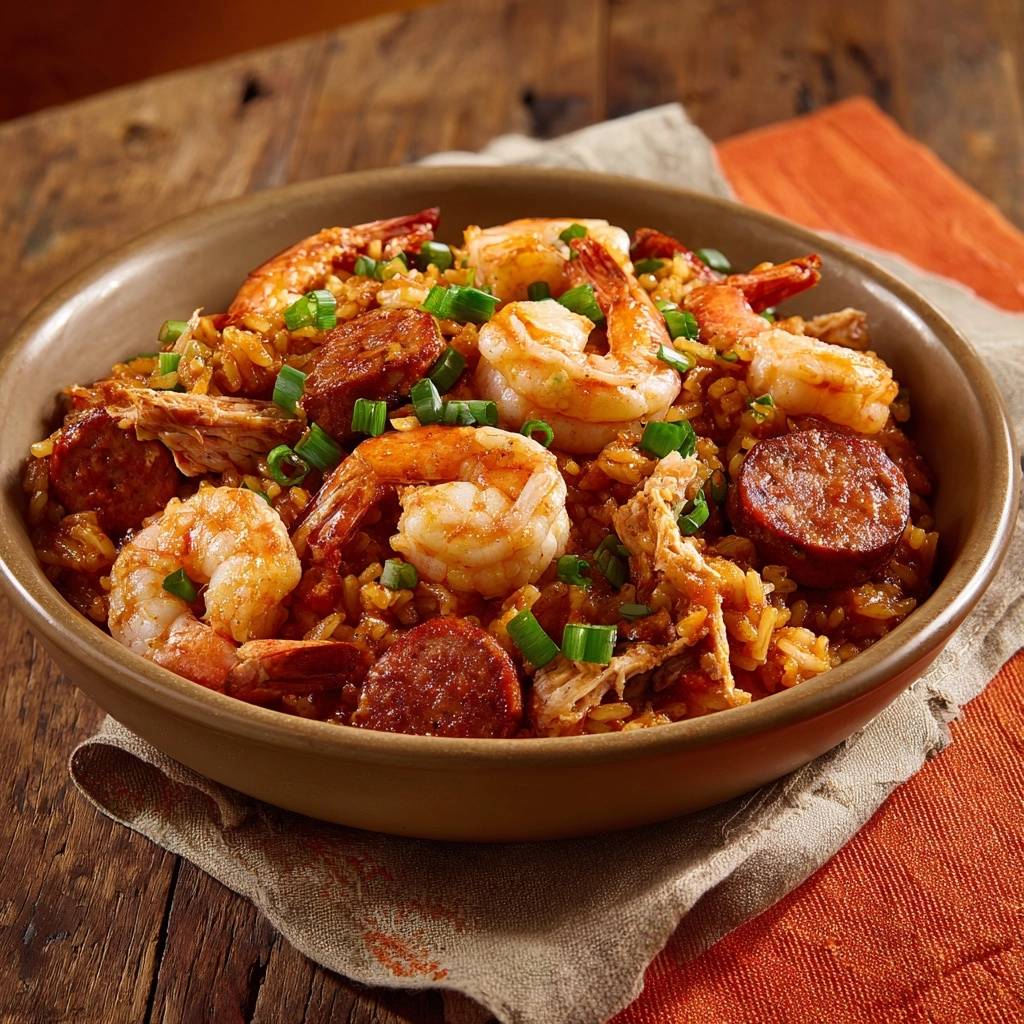
Garnish generously with fresh chopped green onions before serving warm. Enjoy your perfectly cooked, flavor-packed Cajun-Style Jambalaya!
If you love how this jambalaya comes together with bold seasoning, you’ll appreciate the same depth in these soulful collard greens.
Chef’s Tips & Tricks for an Unforgettable Jambalaya
Elevate your Cajun cooking skills with these expert insights for an even more amazing jambalaya.
Choosing the Right Cajun or Creole Seasoning
Seasoning blends vary widely in salt and spice levels. Taste your chosen blend before adding, and adjust the additional salt in the recipe accordingly. Brands like Tony Chachere’s or Slap Ya Mama are popular choices, but find one you love.
Customizing Your Protein Mix
Feel free to experiment with other proteins alongside or instead of the chicken and turkey sausage. Smoked duck, extra chicken, or even plant-based sausages can be delicious alternatives, maintaining the savory core of the dish.
Vegetable Additions for Extra Flavor & Nutrition
For a classic “holy trinity” base, sauté one chopped bell pepper, one stalk of chopped celery, and one chopped onion after browning the sausage but before adding the rice. Cook until softened, about 5-7 minutes, for a deeper vegetable flavor.
Adjusting Spice Levels to Your Preference
If you prefer more heat, add a pinch of cayenne pepper with the Cajun seasoning or a dash of your favorite hot sauce at the end. For less spice, use a milder Creole seasoning or reduce the amount specified.
The Art of the Stir: When to Stir, When to Resist
Remember, constant stirring is beneficial when toasting rice, but once the liquid is added and it comes to a boil, stir minimally. The “no-peek, no-stir” rule during simmering and resting is paramount for achieving that perfect, fluffy rice texture.
Jambalaya Fixes: Common Challenges & Quick Solutions
Even seasoned cooks can encounter issues. Here’s how to troubleshoot common jambalaya problems for a successful outcome every time.
“My Rice is Still Gummy!”
This usually happens from lifting the lid too early, stirring during the simmer, or not adequately toasting the rice initially. For future attempts, strictly adhere to the no-peek, no-stir rule and ensure thorough rice toasting.
“My Jambalaya is Too Dry/Wet!”
If too dry, gently stir in an extra quarter to half cup of hot chicken broth, cover, and let it rest for another 5-10 minutes. If too wet, remove the lid, return to very low heat, and cook uncovered for an additional 5-10 minutes, allowing excess liquid to evaporate without stirring.
“Not Enough Flavor Kick?”
If the flavor is bland, taste and add a bit more Cajun or Creole seasoning, or a dash of hot sauce. A squeeze of fresh lemon juice at the end can also brighten the flavors. Garnish generously with fresh herbs like parsley or cilantro for added zest.
“My Shrimp is Overcooked/Rubbery!”
Overcooked shrimp results from adding them too early or cooking them at too high a temperature. Ensure shrimp are added after the initial rice simmer and rely solely on the residual heat during the final rest. This gentle cooking method keeps them tender and succulent.
Beyond the Pot: Serving, Storing, and Enjoying Jambalaya
Once your Cajun-Style Jambalaya is ready, here’s how to make the most of this delicious meal.
Perfect Pairings: What to Serve Alongside Your Jambalaya
Jambalaya is hearty on its own, but a simple side can complete the meal. Serve it with warm cornbread for soaking up extra flavors, or a crisp green salad with a light vinaigrette to cut through the richness. Steamed collard greens or roasted okra also make excellent complements.
Storing Leftovers for Maximum Freshness
Allow any leftover jambalaya to cool completely before transferring it to airtight containers. It will keep well in the refrigerator for up to 3-4 days. This flavorful dish often tastes even better the next day as the flavors continue to meld.
Can You Make Jambalaya Ahead? (And How to Reheat It!)
Yes, you can absolutely make jambalaya ahead of time. In fact, many believe the flavors deepen and improve after a day or two in the fridge. For reheating, gently warm portions in a skillet over medium-low heat, adding a splash of chicken broth or water to prevent drying out. You can also microwave individual servings until heated through.
Your Top Jambalaya Questions, Answered!
Here are answers to some frequently asked questions about Cajun-Style Jambalaya.
What’s the difference between Cajun and Creole Jambalaya?
Traditionally, Cajun jambalaya, like this recipe, is a “brown” jambalaya that typically does not use tomatoes or uses them sparingly. Creole jambalaya, often called “red” jambalaya, includes tomatoes and sometimes has a stronger Spanish influence, reflecting New Orleans’ diverse culinary heritage.
Can I use brown rice for this Cajun-Style Jambalaya recipe?
While long-grain white rice is best for the fluffy texture, you can use brown rice. However, brown rice requires more liquid and a longer cooking time (often 40-50 minutes for the initial simmer). Adjust liquid amounts and cooking times accordingly, but be aware the texture will differ from the traditional preparation.
Is this recipe naturally gluten-free?
Yes, this Cajun-Style Jambalaya recipe is naturally gluten-free, assuming your chicken broth and Cajun/Creole seasoning are certified gluten-free. Always check ingredient labels on packaged goods to ensure no hidden gluten-containing additives.
How spicy is this jambalaya recipe?
The spice level of this jambalaya depends almost entirely on your chosen Cajun or Creole seasoning blend. Some blends are quite mild, while others pack a significant punch. Taste your seasoning first, and adjust the quantity or add extra heat like cayenne pepper to match your preferred spice level.
Ready to Impress? Share Your Cajun-Style Jambalaya Masterpiece!
Now that you have all the insider tips and techniques, you’re perfectly equipped to create an absolutely unforgettable Cajun-Style Jambalaya. Say goodbye to gummy rice and hello to a truly authentic, flavorful experience.
I encourage you to gather your ingredients, follow this guide, and savor the incredible results. Don’t forget to share your culinary creation with friends and family-they’ll be asking for seconds!
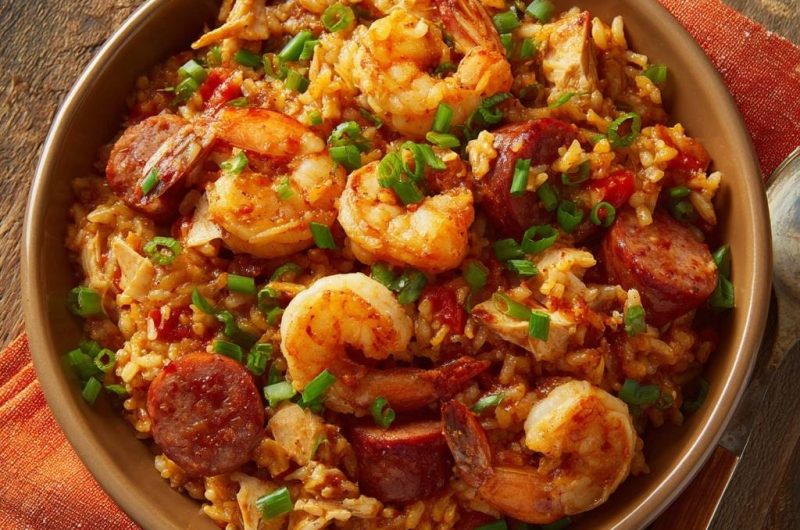
Jambalaya
Course: Main CourseCuisine: AmericanDifficulty: medium4
servings15
minutes35
minutes650
kcal60
minutesEver tried to make a delicious jambalaya only to end up with a sticky, clumpy mess instead of perfectly fluffy grains? This recipe delivers all the rich, savory flavor of a classic Cajun jambalaya with a simple technique that guarantees perfectly cooked, separate rice every single time. Get ready for vibrant flavors and a texture that’ll make you feel like a pro!
Ingredients
1 tablespoon cooking oil
1 pound chicken or turkey smoked sausage, sliced into 1/2-inch rounds
1 pound medium shrimp, peeled and deveined, tails on
2 cups cooked chicken, shredded
1 (14.5 ounce) can diced tomatoes, undrained
1 1/2 cups long-grain white rice
3 cups chicken broth
2 teaspoons Cajun or Creole seasoning
Salt to taste
1/4 cup chopped green onions, for garnish
Directions
- Heat cooking oil in a large, heavy-bottomed pot or Dutch oven over medium-high heat. Add the sliced smoked sausage and cook until nicely browned on both sides, about 5-7 minutes. Remove the sausage with a slotted spoon and set aside, leaving the rendered fat in the pot.
- Add the raw long-grain white rice to the pot with the remaining oil and stir constantly for 2-3 minutes until the rice begins to look slightly opaque and toasted. This crucial step helps prevent the rice from becoming gummy.
- Stir in the undrained diced tomatoes, chicken broth, and Cajun or Creole seasoning. Bring the mixture to a boil, stirring only once or twice to combine the ingredients. Add salt to taste.
- The Fluffy Rice Secret: Once boiling, immediately reduce the heat to very low. Stir in the shredded cooked chicken. Cover the pot tightly with a lid, and let it simmer undisturbed for 20 minutes. Resist the urge to lift the lid or stir the rice during this time. This allows the rice to steam evenly and absorb the liquid without becoming agitated and gummy.
- After 20 minutes, remove the pot from the heat. Gently stir in the cooked sausage (that was set aside) and the raw shrimp into the rice.
- Re-cover the pot tightly with the lid. Let it rest undisturbed for an additional 15-20 minutes. This longer resting period allows the shrimp to cook through perfectly with the residual heat, the flavors to meld, and the rice to firm up and ensure perfectly separate grains.
- Fluff the jambalaya with a fork, mixing all the ingredients evenly. Garnish generously with fresh chopped green onions before serving warm. Enjoy your perfectly cooked, flavor-packed jambalaya!
Notes
- Resist the urge to lift the lid or stir the rice during simmering and resting for best results.