Classic Chocolate Fudge
Make classic chocolate fudge with rich cocoa flavor and a creamy bite. Learn the cooking, cooling, and beating cues that help you avoid a grainy texture.
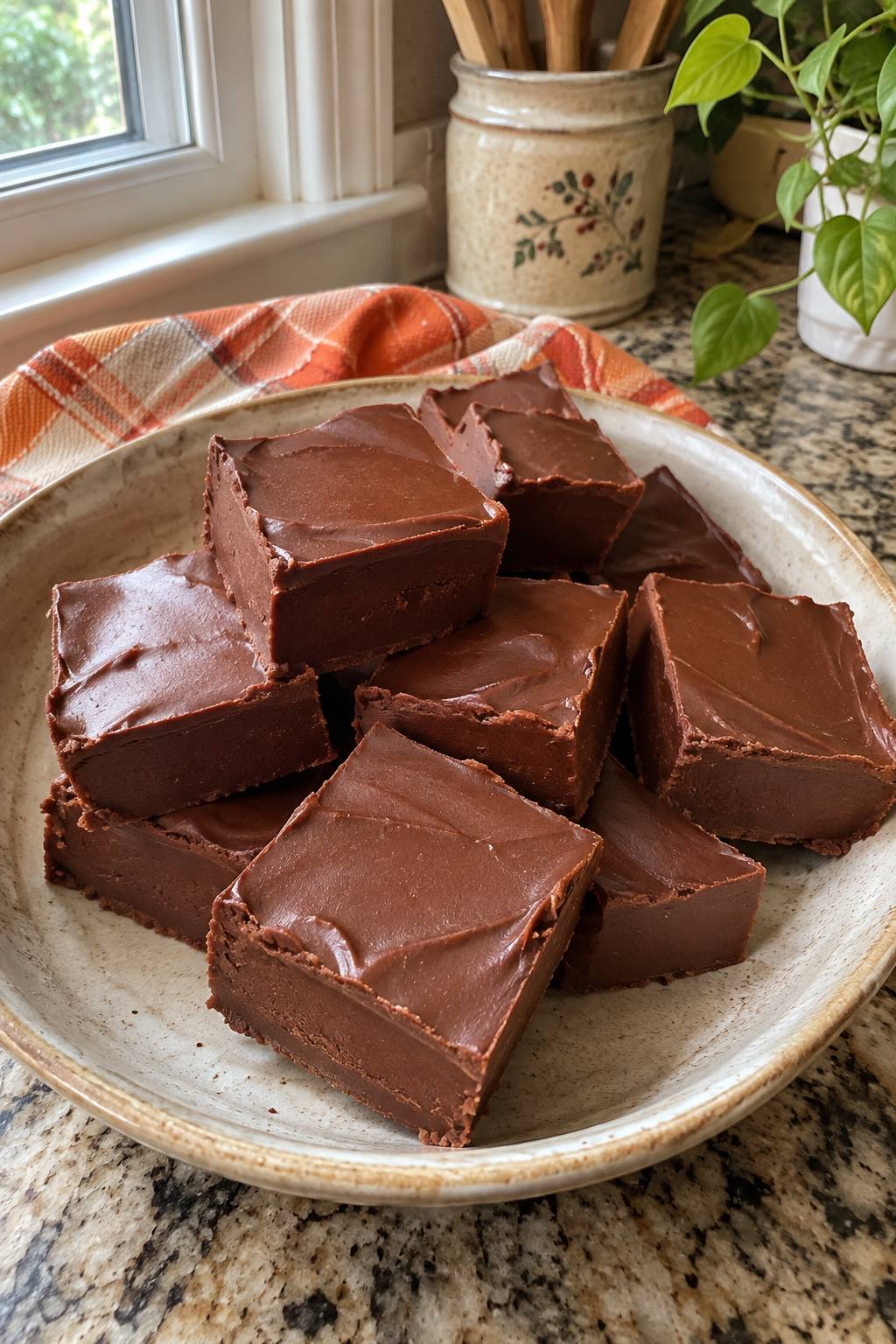
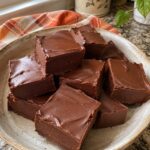
Classic chocolate fudge has a dense, creamy bite and a softly swirled top that feels right at home among cozy homemade desserts. This old-fashioned version gets its chocolate flavor from unsweetened cocoa powder, with whole milk, unsalted butter, and pure vanilla bean powder rounding out the mixture.
The technique deserves your attention as much as the ingredients. Cooking to the soft-ball stage, letting the mixture cool undisturbed, and beating it at the right point all contribute to the finished texture. A candy thermometer gives you a reliable guide during cooking, while changes in gloss and thickness help you recognize when the fudge is ready for the pan.
Give the cocoa a smooth start
Whisking the granulated sugar, unsweetened cocoa powder, and salt together helps distribute the dry ingredients before the whole milk goes in. Gradually adding the milk gives you a chance to work out cocoa lumps while the mixture is easy to whisk. Starting with a smooth mixture keeps you from trying to fix lumps once the fudge is boiling and should be left alone.
Use pure ground vanilla bean powder, as specified on the recipe card. A sweetened vanilla powder blend is a different product. Have the unsalted butter cut into pieces and ready so you can add it with the vanilla when cooking is complete.
Let the thermometer guide the boil
A heavy saucepan and a properly positioned candy thermometer help you manage the cooking. The thermometer tip needs to sit in the mixture without touching the bottom of the pan. Check its accuracy in boiling water before you begin, and follow the recipe card's guidance for adjusting the target if the reading is off.
Gentle stirring helps dissolve the sugar before the full boil. After that, leave the mixture unstirred and adjust the heat as needed to keep the boil steady without letting it rise over the pan. Judge readiness by the thermometer reading specified on the card, rather than by how long the mixture has cooked.
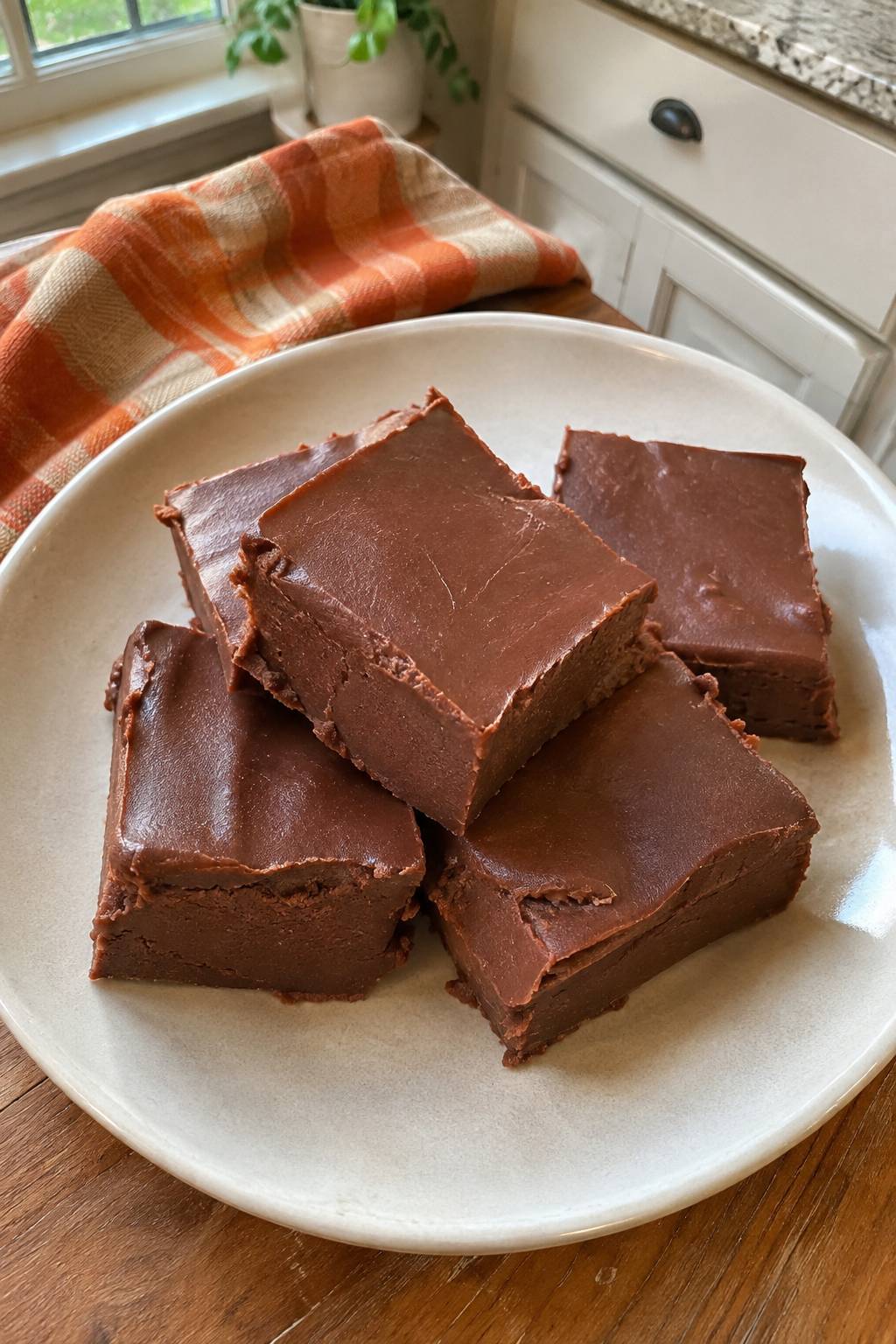
Protect the cooling stage
Once the saucepan comes off the heat, the butter and vanilla bean powder go in without stirring. Letting them sit undisturbed may feel unusual, but cooling before beating is central to this fudge's creamy texture. Stirring during boiling or cooling can encourage coarseness.
Keep your spoon away from the saucepan walls, too. Hardened sugar crystals along the sides should stay there instead of being scraped into the fudge. That restraint matters again when you transfer the beaten mixture to the prepared pan.
Watch for the change from glossy to thick
Beating is where the cooled mixture becomes visibly more like fudge. With a sturdy wooden spoon, watch for it to thicken, lose most of its shine, and begin holding the spoon's marks. Those cues help you recognize the endpoint described on the recipe card.
Have your parchment-lined square pan ready before you reach this stage. Once the fudge shows those changes, transfer and spread it promptly. Gentle swirls suit the thick texture; you do not need to keep working the surface until it looks perfectly smooth.
Frequently Asked Questions
Why did my fudge turn grainy?
Stirring while the mixture boils or cools can encourage a coarse texture. Scraping hardened crystals from the saucepan sides into the fudge is another pitfall. Leave the cooling mixture undisturbed and keep those crystals out when transferring.
When should I start beating the fudge?
Wait until the mixture has cooled to the point specified on the recipe card. Adding the butter and vanilla does not mean it is ready to beat. The undisturbed cooling stage comes before the vigorous work with your wooden spoon.
How can I lift the fudge out cleanly?
Line the square pan with parchment and leave an overhang along opposite sides. Once the fudge has set until firm enough to slice, use that overhang to lift it from the pan before cutting it into squares.
Recipe
Classic Chocolate Fudge
This old-fashioned chocolate fudge is cooked to the soft-ball stage, cooled, and beaten until creamy. It sets into dense squares with softly swirled tops.
- Course
- Dessert
- Cuisine
- American
- Difficulty
- Intermediate
- Servings
- 36 pieces
- Prep time
- 20 mins
- Cook time
- 20 mins
- Total time
- 3 hr 40 mins
- Calories
- 86 kcal
Ingredients
Instructions
Line an 8x8-inch square baking pan with parchment paper, leaving an overhang on two sides. Have a candy thermometer and a sturdy wooden spoon ready.
Whisk the sugar, cocoa powder, and salt together in a heavy 3-quart saucepan. Gradually whisk in the milk until smooth. Cook over medium heat, stirring gently, until the sugar dissolves and the mixture reaches a full boil, about 5 minutes.
Attach the candy thermometer with its tip submerged in the mixture without touching the pan bottom. Cook without stirring until the fudge reaches 234°F, about 15 minutes. Adjust the heat to maintain a steady boil without boiling over. Use the temperature, rather than the clock, to determine when it is ready.
Remove the saucepan from the heat and place it on a heatproof surface. Add the butter and vanilla bean powder without stirring. Leave undisturbed until the mixture cools to 110°F, about 60 minutes. Do not scrape the sides of the saucepan.
Remove the thermometer. Beat the fudge vigorously with the wooden spoon for about 5 to 10 minutes, until it thickens, loses most of its gloss, and begins to hold the marks of the spoon. Immediately transfer it to the prepared pan without scraping any hardened crystals from the saucepan sides. Quickly spread it into an even layer, leaving gentle swirls on top.
Let the fudge set at room temperature for about 2 hours, until firm enough to slice. Lift it from the pan using the parchment and cut into 36 squares.
Notes
- Check your thermometer in boiling water before starting. If it reads above or below 212°F, adjust the fudge target temperature by that same difference.
- Cooling before beating allows fine sugar crystals to form during beating, giving the fudge its creamy texture. Stirring while it boils or cools can encourage a coarse texture.
- Use pure ground vanilla bean powder rather than a sweetened vanilla powder blend.
- Store in an airtight container at room temperature for up to 1 week, placing parchment between stacked layers.
Recipe: https://naileditrecipes.co/classic-chocolate-fudge/