Classic Quiche Lorraine: Perfectly Crisp, Never Soggy!
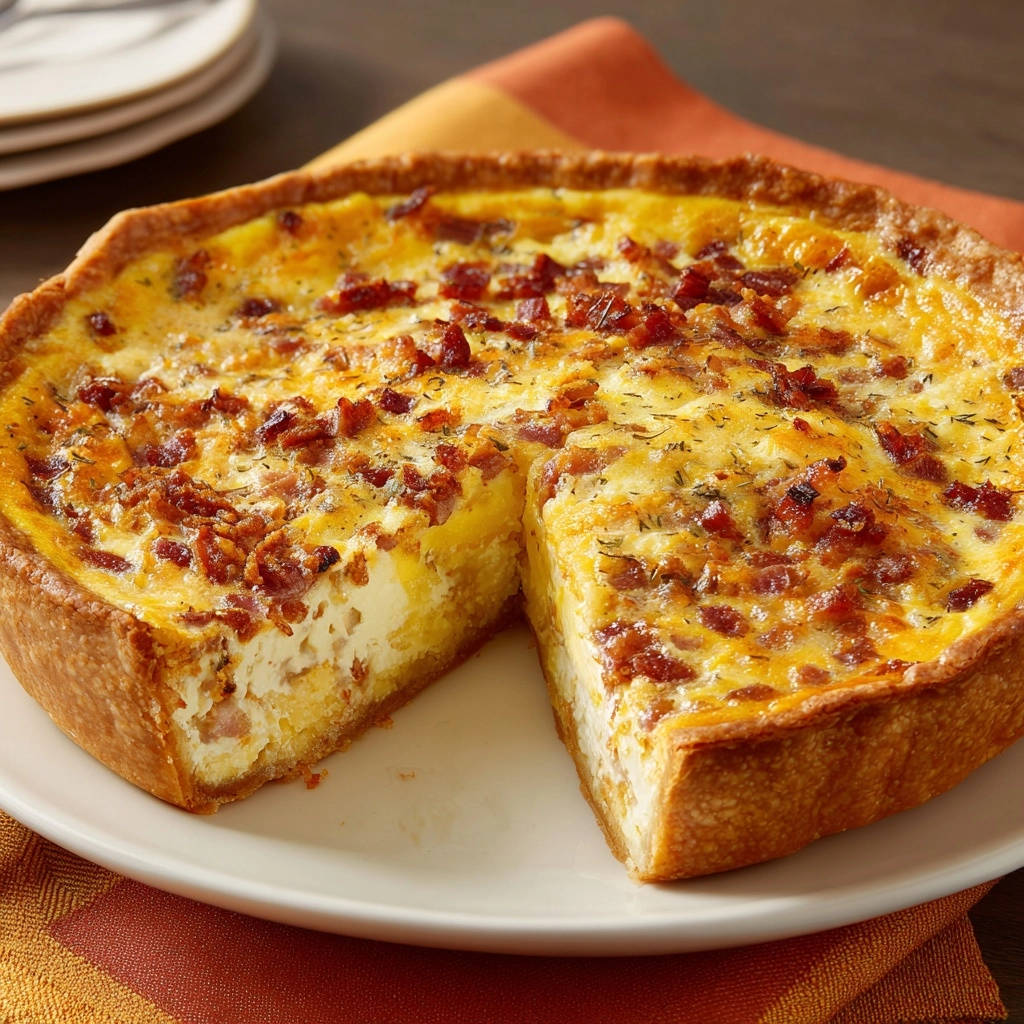
There’s nothing more disheartening than slicing into a beautifully golden quiche, only to discover a disappointing, soggy crust beneath. I’ve been there countless times, but years of perfecting this recipe for a Classic Quiche Lorraine have taught me the secrets to an immaculately crisp, flaky bottom every single time.
This recipe isn’t just about assembling ingredients; it’s about mastering a simple yet crucial technique that guarantees perfection. You’ll achieve a rich, creamy custard nestled in a pastry that holds its integrity, making this savory tart truly unforgettable for any meal.
Say Goodbye to Soggy Crusts: Our Quiche Lorraine Secret
The hallmark of a truly exceptional Classic Quiche Lorraine is its foundation: a golden, crisp crust that stands up to the rich, creamy filling. This recipe specifically targets and eliminates the common culinary frustration of a soggy bottom.
Our method involves a strategic blind bake, creating an impermeable barrier between the delicate pastry and the moist custard. This isn’t just a step; it’s the core secret to consistent success and the superior texture of our savory tart.
You can rely on this recipe to deliver a harmonious balance of flavors and textures, making it a dependable choice for brunch, lunch, or a light dinner. It’s a French classic made approachable and foolproof for every home cook.
The Heart of Flavor: Essential Ingredients for Your Quiche Lorraine
The quality of your ingredients directly impacts the depth and deliciousness of your Classic Quiche Lorraine. Selecting the best components ensures a truly memorable culinary experience.
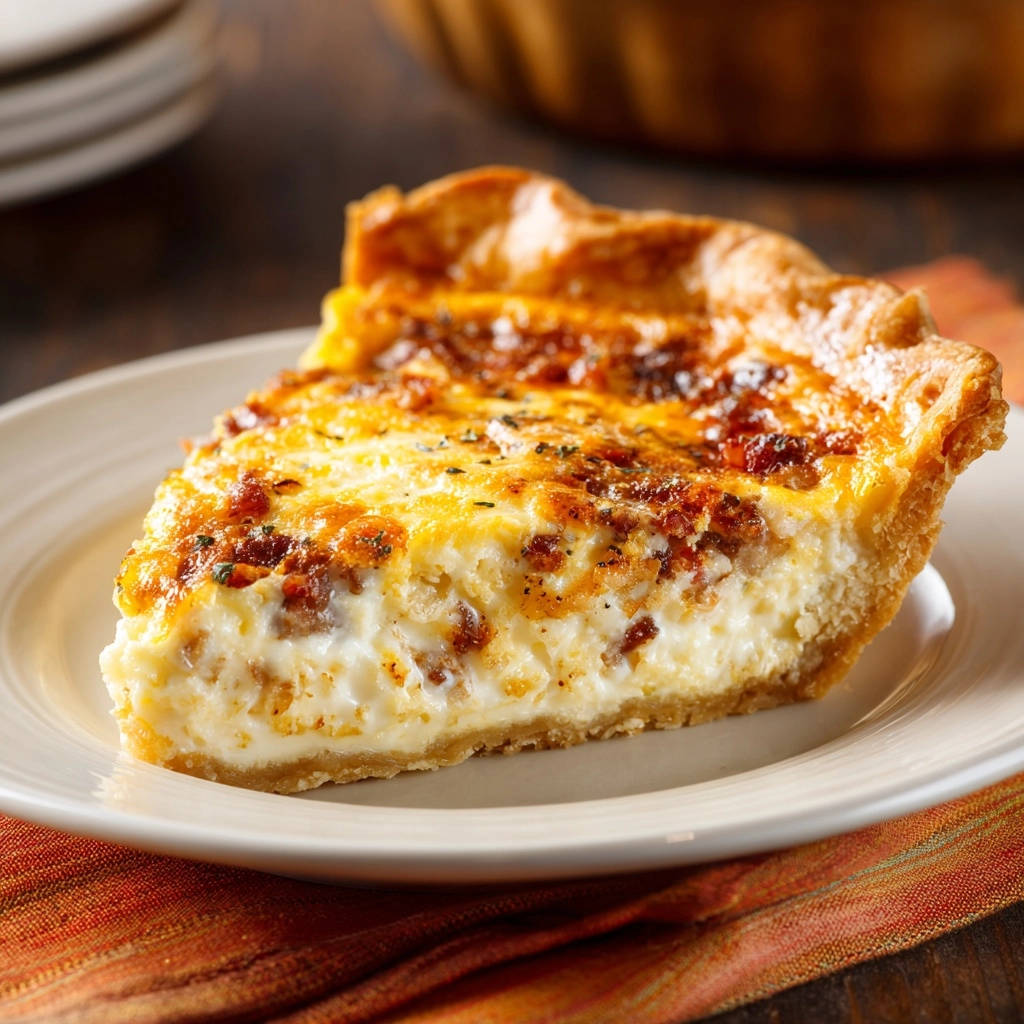
The Foundation: A Flaky Pie Crust
A 9-inch pie crust forms the critical base of your quiche. You can opt for a high-quality store-bought pre-made crust for convenience, ensuring it’s made with real butter for the best flavor.
Alternatively, a homemade all-butter pie crust offers unparalleled flakiness and richness if you have the time. The key is a sturdy yet tender foundation that can withstand the baking process.
Savory Stars: Bacon and Gruyère Cheese
Six strips of crispy bacon provide a smoky, savory counterpoint to the creamy custard. Cook it until perfectly crisp, then crumble it evenly for distribution throughout the quiche.
One cup of shredded Gruyère cheese is essential for that signature nutty, slightly sweet flavor and superior melt. If Gruyère is unavailable, a high-quality Swiss cheese can be a good substitute, but Gruyère offers the authentic profile for this French classic.
The Velvety Custard: Eggs and Cream
Four large eggs are the structural backbone of the custard, providing richness and helping it set. Using large, fresh eggs is important for consistency.
One and a half cups of heavy cream creates the luxuriously smooth and rich texture characteristic of a Quiche Lorraine. Half-and-half can be used for a slightly lighter, less rich custard without sacrificing too much flavor.
Seasoning Essentials: Salt, Pepper, and Fresh Herbs
A quarter teaspoon of salt and a pinch of black pepper enhance all the other flavors, bringing balance to the rich ingredients. Proper seasoning is crucial for a well-rounded taste profile.
Half a teaspoon of dried dill or thyme adds a delicate herbaceous note and a touch of visual appeal. Fresh herbs, finely chopped, can also be used for a more vibrant flavor.
Your Culinary Arsenal: Essential Tools for Quiche Mastery
Having the right tools at hand simplifies the quiche-making process and contributes to a perfect result. Each item plays a specific role in crafting your Classic Quiche Lorraine.
9-inch Pie Plate: Essential for shaping and baking your quiche, ensuring even cooking and a classic presentation.
Mixing Bowls (Medium and Large): For preparing the filling ingredients and whisking together the smooth egg custard.
Whisk: To ensure a smooth, well-combined egg custard, free of lumps and streaks, for a silky texture.
Parchment Paper: Crucial for the blind baking process, preventing the crust from browning too quickly and ensuring even cooking.
Pie Weights (or dried beans/rice): Prevents the crust from shrinking and bubbling up during blind baking, maintaining its perfect shape.
Baking Sheet: Placed under the pie plate, it catches any potential drips and helps ensure the bottom crust cooks evenly and crisply.
Wire Rack: For proper cooling and setting of the quiche, allowing air circulation to prevent a soggy bottom after baking.
Crafting Your Classic Quiche Lorraine: A Step-by-Step Guide
Follow these detailed steps carefully to achieve a perfectly baked, never-soggy Classic Quiche Lorraine every time. Precision at each stage yields the best results.
- Preheat Your Oven:
Set your oven to 400°F (200°C) to ensure it reaches the correct initial temperature for successful blind baking.
- Mastering the Blind Bake: The Crisp Crust Secret:
Gently fit the pie crust into your 9-inch pie plate, taking care not to stretch the dough. Trim and crimp the edges as desired for a professional finish.
Line the unbaked crust with parchment paper, ensuring it covers the bottom and sides. Fill the parchment-lined crust generously with pie weights, dried beans, or uncooked rice to prevent shrinkage.
Bake for 15 minutes in the preheated oven. This initial bake sets the crust’s structure and begins the crisping process.
Carefully remove the parchment paper and weights. Prick the bottom of the crust with a fork a few times to release any trapped steam, which prevents unwanted bubbles.
Return the crust to the oven and bake for another 5-7 minutes, or until the bottom appears lightly golden and dry. This crucial step creates a strong, sealed barrier against moisture from the custard, guaranteeing a crisp base.
Remove the blind-baked crust from the oven and immediately reduce the oven temperature to 375°F (190°C) for the main baking stage.
- Prepare Your Fillings:
Evenly scatter the cooked and crumbled crispy bacon and shredded Gruyère cheese over the bottom of the warm, blind-baked pie crust. This ensures every slice gets a burst of savory flavor.
- Whisk the Velvety Custard:
In a medium bowl, whisk together the eggs, heavy cream (or half-and-half), salt, and pepper until well combined and smooth. Whisk gently to incorporate ingredients without introducing too much air, which can cause cracks.
- Assemble Your Quiche:
Carefully pour the egg mixture over the bacon and cheese in the pie crust. Pour slowly to avoid disturbing the fillings and ensure an even distribution.
- Add a Touch of Herbaceous Charm:
Gently sprinkle the dried dill or thyme over the top of the quiche filling. This adds a subtle aroma and a beautiful visual garnish.
- Bake to Golden Perfection:
Place the pie plate on a baking sheet before transferring it to the oven. This catches any potential drips and helps maintain an even heat distribution to the bottom crust, promoting further crispness.
Bake in the preheated 375°F (190°C) oven for 35-45 minutes, or until the center is just set. A knife inserted near the center should come out clean, and the top should be beautifully golden brown and slightly puffed.
If you enjoy this custard-like filling, the same silky texture makes this creamy kale and potato gratin a natural next try.
- The Critical Resting Period:
Remove the Classic Quiche Lorraine from the oven and let it cool on a wire rack for at least 10-15 minutes before slicing and serving. This resting time is vital for the filling to fully set and firm up, guaranteeing clean, perfect slices that hold their shape.
Chef’s Tips for an Unforgettable Quiche Lorraine
Elevate your Classic Quiche Lorraine from good to extraordinary with these expert tips, focusing on precision and quality.
Don’t Skip the Blind Bake: This is the absolute golden rule for a non-soggy crust. Blind baking creates a crucial moisture barrier, preventing the custard from making the pastry wet.
Mind the Custard Temperature: Ensure your eggs and cream are at room temperature before mixing. This helps them combine more smoothly and prevents curdling, resulting in a silkier custard texture.
Perfect Your Bacon: Cook your bacon until it’s genuinely crisp but not burnt. This ensures a delightful textural contrast within the creamy filling and maximizes its savory flavor contribution.
Cheese Matters: Opt for freshly shredded Gruyère for superior melt, flavor, and texture. Pre-shredded cheeses often contain anti-caking agents that can affect the custard’s consistency and melt quality.
Avoid Over-Mixing the Custard: Whisk just enough to combine the ingredients thoroughly. Over-mixing incorporates too much air, which can lead to a puffed-up quiche that cracks or collapses upon cooling.
Test for Doneness Properly: Gently jiggle the pie plate; the center of the quiche should have only a slight wobble, like gelatin, while the edges are set. This indicates it’s cooked through but not overbaked, keeping it moist and tender.
Common Quiche Conundrums & How to Solve Them
Even seasoned cooks encounter challenges. Here are solutions to common Classic Quiche Lorraine problems.
Why is My Quiche Crust Still Soggy?
A soggy crust typically indicates insufficient blind baking. Ensure you bake the empty crust long enough for the bottom to be lightly golden and dry, creating a proper moisture barrier before adding the filling.
Also, make sure your oven temperature is accurate and that you removed the pie weights and parchment for the final few minutes of blind baking.
My Quiche is Cracking on Top!
Cracks on the surface of your quiche usually result from overbaking or a sudden temperature change. Ensure you don’t bake it past the point where the center has a slight jiggle, and let it cool gradually.
Over-whisking the custard can also incorporate too much air, leading to a puffed quiche that inevitably cracks as it cools.
The Quiche Filling Didn’t Set Properly.
An unset filling is almost always due to underbaking. Continue baking the quiche until a knife inserted near the center comes out clean, and the center shows only a slight jiggle.
Occasionally, an incorrect ratio of eggs to cream can affect setting, so ensure precise measurements of your liquid ingredients for this savory tart.
My Quiche Tastes Bland.
Blandness often stems from under-seasoning or using low-quality ingredients. Be generous with your salt and pepper, and taste your custard mixture before pouring it into the crust.
Using freshly shredded Gruyère and thoroughly cooking your bacon to a crisp texture significantly enhances the overall flavor profile of your Classic Quiche Lorraine.
Enjoying Your Classic Quiche Lorraine: Serving, Storing & Making Ahead
This versatile Classic Quiche Lorraine is perfect for various occasions. Knowing how to serve and manage it ensures maximum enjoyment.
Perfect Pairings: What to Serve with Quiche Lorraine
Classic Quiche Lorraine pairs beautifully with light, fresh sides that complement its richness. A crisp green salad with a bright vinaigrette is an ideal accompaniment.
Consider serving it alongside a simple tomato soup or some roasted asparagus for a complete and satisfying meal. For brunch, fresh fruit salad adds a refreshing touch.
Storing Leftovers: Keeping Quiche Fresh
To store leftover quiche, allow it to cool completely to room temperature first. Then, wrap it tightly in plastic wrap or aluminum foil.
Refrigerate for up to 3-4 days. This ensures the savory tart remains fresh and delicious for subsequent servings.
Make-Ahead Magic: Prepare Quiche Lorraine in Advance
You can significantly reduce prep time by making certain components ahead. Blind bake the pie crust up to a day in advance, storing it at room temperature.
Cook and crumble the bacon, and shred the cheese, keeping them refrigerated until assembly. The custard mixture can also be whisked a few hours ahead and kept chilled, ready to pour and bake.
Freezing for Future Feasts
For longer storage, a whole baked quiche can be frozen. Let it cool completely, then wrap it tightly in plastic wrap and then aluminum foil.
It can be stored in the freezer for up to 2-3 months. To reheat, thaw overnight in the refrigerator, then warm in a 350°F (175°C) oven until heated through, about 20-30 minutes.
Your Burning Quiche Lorraine Questions, Answered
Let’s address some common queries about this beloved French classic.
Can I use different cheeses for Classic Quiche Lorraine?
While Gruyère is traditional and highly recommended for its flavor and melt, you can experiment. Swiss, Emmental, or even a good quality cheddar can be used, though the flavor profile of your quiche will change.
What’s the difference between heavy cream and half-and-half in quiche?
Heavy cream results in a richer, denser, and more luxurious custard due to its higher fat content. Half-and-half provides a lighter, less caloric custard while still maintaining a creamy texture.
Can I make this Classic Quiche Lorraine recipe vegetarian?
Absolutely! To make a vegetarian savory tart, simply omit the bacon. You can replace it with sautéed mushrooms, caramelized onions, or spinach for a delicious and flavorful alternative.
How do I know when my quiche is perfectly cooked?
Look for a golden-brown top and edges. The center should have a slight jiggle when gently shaken, but a knife inserted near the center should come out clean, indicating the custard is set.
Is it really necessary to blind bake the crust?
Yes, blind baking is absolutely essential for a crisp, non-soggy crust. It partially cooks the pastry, creating a barrier that prevents the custard’s moisture from turning the bottom into a gummy mess. It’s the secret to quiche perfection!
Can I use a gluten-free pie crust for this recipe?
You can certainly use a gluten-free pie crust. Ensure you follow the blind baking instructions closely, as gluten-free crusts can sometimes require slight adjustments in baking time or temperature based on the brand.
Ready to Impress? Share Your Quiche Lorraine Masterpiece!
You now possess all the knowledge and expert tips needed to create a truly spectacular Classic Quiche Lorraine, one that boasts a flawless, crisp crust and a velvety, flavorful filling. This savory tart is a testament to timeless French cuisine, made accessible and utterly delicious.
Go forth, bake with confidence, and enjoy the rich rewards of your culinary efforts. Don’t forget to share your beautifully baked Quiche Lorraine with loved ones, or simply savor every delightful slice yourself!
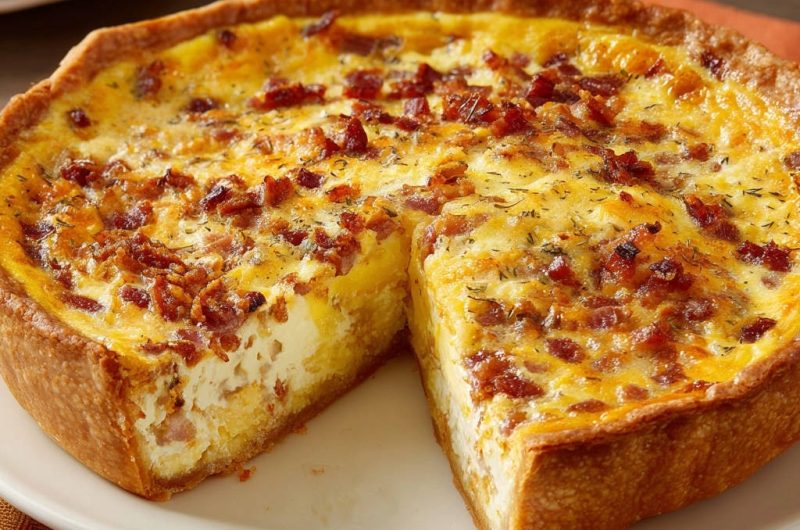
Quiche Lorraine
Course: Main CourseCuisine: FrenchDifficulty: medium6
servings20
minutes45
minutes450
kcal60
minutesSay goodbye to soggy quiche crusts forever! This recipe reveals a simple, ingenious blind-baking trick for a perfectly crisp, flaky bottom every time. Filled with savory bacon and delicious Gruyere cheese, it’s quiche perfection from the first bite to the last.
Ingredients
1 pre-made pie crust, or homemade for a 9-inch pie plate
6 strips bacon, cooked crisp and crumbled
1 cup shredded Gruyere or Swiss cheese
4 large eggs
1 1/2 cups heavy cream or half-and-half
1/4 teaspoon salt
Pinch of black pepper
1/2 teaspoon dried dill or thyme (for garnish and flavor)
Directions
- Preheat your oven to 400°F (200°C).
- To prevent a soggy bottom (this is the key!): Gently fit the pie crust into your 9-inch pie plate. Trim and crimp the edges as desired. Line the unbaked crust with parchment paper and fill it with pie weights, dried beans, or uncooked rice. Bake for 15 minutes. Carefully remove the parchment paper and weights. Prick the bottom of the crust with a fork a few times. Return the crust to the oven and bake for another 5-7 minutes, or until the bottom is lightly golden. This step, called blind baking, creates a barrier that keeps your crust beautifully crisp. Remove from oven and reduce oven temperature to 375°F (190°C).
- Evenly scatter the cooked and crumbled bacon and shredded cheese over the bottom of the blind-baked pie crust.
- In a medium bowl, whisk together the eggs, heavy cream (or half-and-half), salt, and pepper until well combined.
- Carefully pour the egg mixture over the bacon and cheese in the pie crust.
- Gently sprinkle the dried dill or thyme over the top of the quiche filling.
- Place the pie plate on a baking sheet to catch any potential drips and bake in the preheated 375°F (190°C) oven for 35-45 minutes, or until the center is just set. A knife inserted near the center should come out clean. The top should be golden brown.
- Remove the quiche from the oven and let it cool on a wire rack for at least 10-15 minutes before slicing and serving. This resting time helps the filling set completely for perfect slices.
Notes
- Blind baking the crust is essential for a crisp bottom. Allow quiche to rest for at least 10-15 minutes before slicing and serving for the best texture.