Classic Snickerdoodle Cookies
Bake classic snickerdoodle cookies with crackled cinnamon-sugar tops, lightly golden edges, soft centers, and the gentle tang that makes them distinctive.
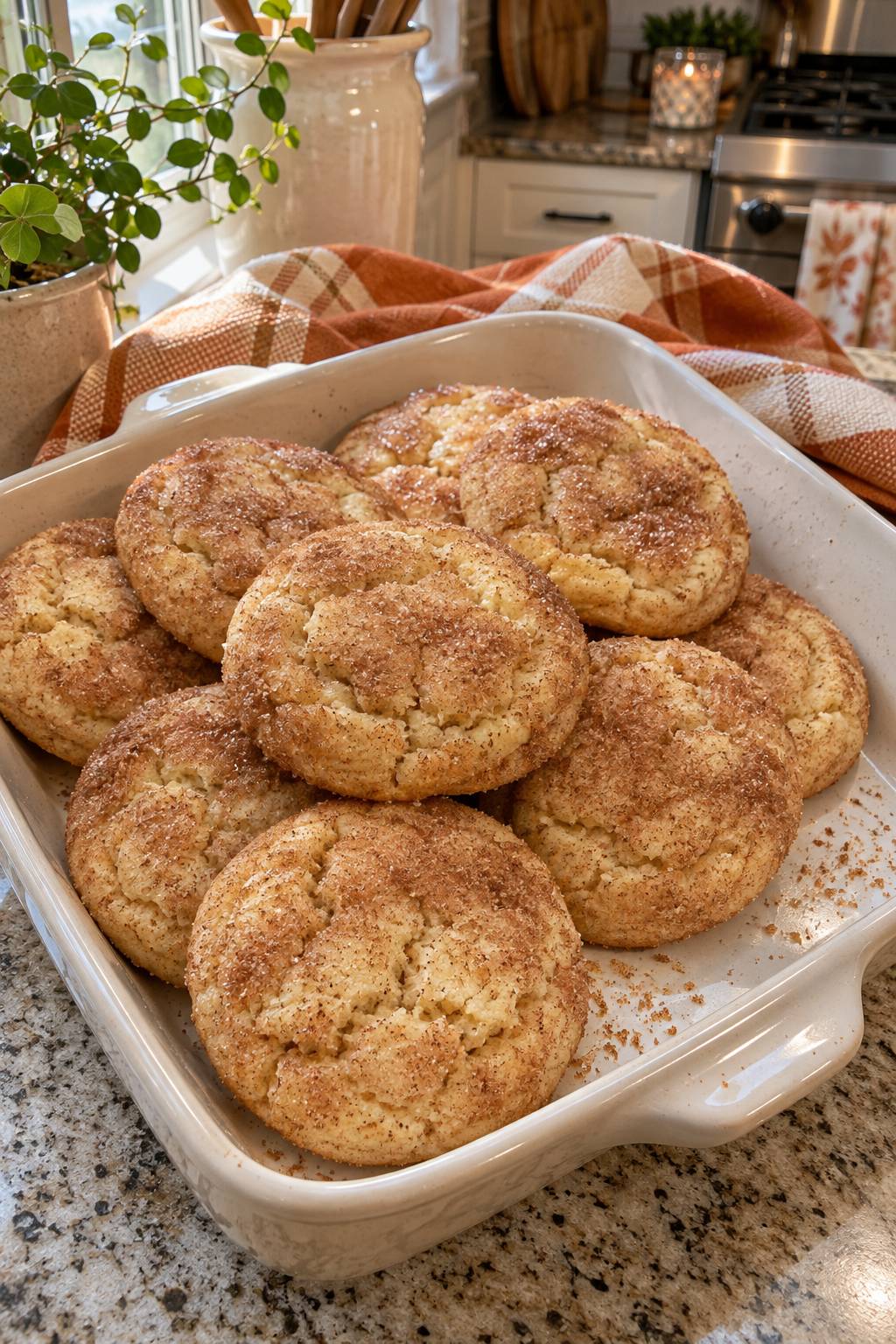
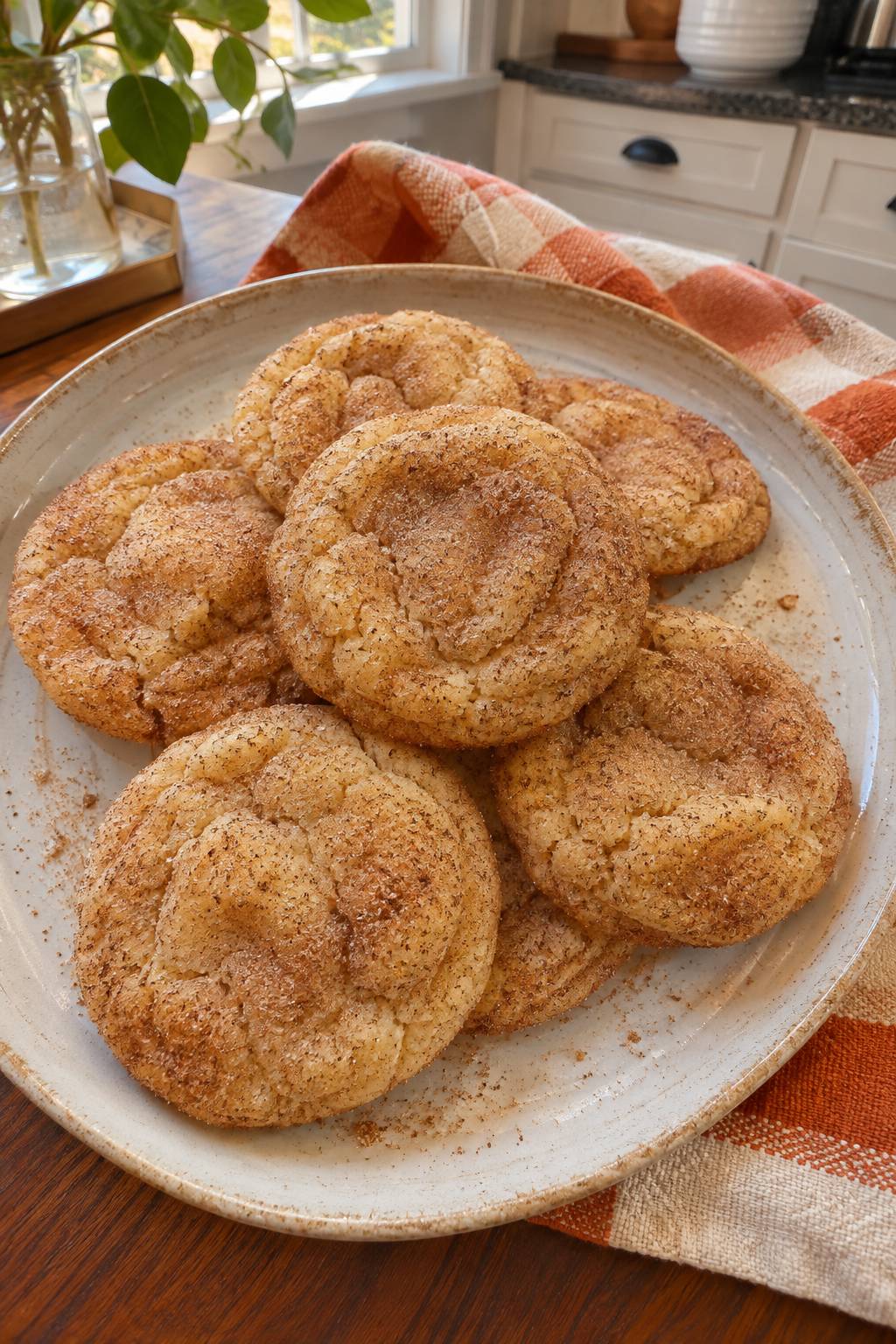
Classic snickerdoodles bring together buttery dough, a generous cinnamon-sugar coating, and the gentle tang of cream of tartar. Their crackled tops and lightly golden edges give way to soft centers, making texture just as important as flavor. You’re looking for a cookie that feels tender inside, with a cinnamon-sugar surface that catches in the cracks.
Getting that balance depends on how you handle the dough and recognize doneness. Careful flour measuring, properly softened butter, and restrained mixing all support the intended texture. The recipe card supplies the measurements and baking details; these pointers help you understand what to watch for along the way.
Why Cream of Tartar Belongs in Snickerdoodles
Cream of tartar gives these cookies their characteristic gentle tang. It also reacts with the baking soda, so both ingredients have a purpose in the dough. Keep them together as written to preserve the flavor and texture that distinguish this recipe.
The cinnamon belongs in the sugar coating, where it creates the cookies’ fragrant exterior. Coating the dough generously helps distribute that flavor across the surface. The buttery center and cinnamon-sugar top should complement each other, with the tang remaining gentle.
Start with Flour and Butter That Are Ready
Spoon the all-purpose flour into your measuring cup and level the surface, as the recipe specifies. Scooping directly from the flour container can pack the cup, leaving you with more flour than intended. Accurate measuring helps you avoid dough that feels unexpectedly dry or cookies that miss their soft-centered texture.
Your unsalted butter should be softened but still cool. That distinction matters when you beat it with the dough’s granulated sugar: look for a light, fluffy mixture. Butter that looks melted or greasy has moved past the condition this recipe calls for. Have the eggs at room temperature as directed, and scrape the bowl so the mixture comes together evenly.
Handle the Dough with a Light Touch
After the flour mixture goes in, use low speed and stop when no dry flour remains. Continuing to beat the dough after that point adds mixing the recipe doesn’t need. Scraping the bowl helps you check for flour hiding along the bottom without beating the entire mixture unnecessarily.
Give the covered dough its prescribed refrigerator rest before shaping. Aim for evenly sized portions and thick disks so the cookies bake consistently across the sheets. Keep the spacing directed on the recipe card, too; crowded dough leaves less room for the cookies to spread.
Read the Edges and Centers Together
The clearest doneness cue is the contrast between set, lightly golden edges and cracked centers that still look soft and slightly underdone. Waiting for the entire surface to look firm takes the cookies beyond the intended endpoint. Their centers continue to firm as they cool.
Bake on parchment-lined baking sheets, and follow the card’s directions for rotating the sheets and switching rack positions. The shallow ceramic dish shown in the presentation is for serving cooled cookies. Baking crowded dough in that dish would change how the cookies spread and bake.
Frequently Asked Questions
Why do my snickerdoodles seem dry?
Check how you measured the flour and judged doneness. Packed flour can leave the dough drier than intended, while waiting for firm centers can take the cookies past their baking endpoint. Spoon and level the flour, and watch for soft centers with set edges.
Should I flatten the dough before baking?
Yes. This recipe calls for gently pressing the coated dough balls into thick disks. Keep their shapes consistent and follow the recipe card’s sizing guidance. You want a thick disk that supports the intended shape and soft center.
Should I move the cookies to a rack immediately?
Let them rest on their baking sheets as directed before transferring them to wire racks. The soft centers firm during cooling, so their appearance straight from the oven isn’t the finished texture. Follow the cooling guidance on the recipe card before handling them further.
Recipe
Classic Snickerdoodle Cookies
These buttery snickerdoodles have crackled cinnamon-sugar tops, lightly golden edges and soft centers. Cream of tartar gives them their classic gentle tang.
- Course
- Dessert
- Cuisine
- American
- Difficulty
- Easy
- Servings
- 18 cookies
- Prep time
- 25 mins
- Cook time
- 14 mins
- Total time
- 1 hr 29 mins
- Calories
- 245 kcal
Ingredients
Cookie Dough
Cinnamon-Sugar Coating
Instructions
Whisk together the flour, cream of tartar, baking soda and salt in a medium bowl.
In a large bowl, beat the butter and 1 1/2 cups sugar with an electric mixer on medium speed until light and fluffy, about 3 minutes. Beat in the eggs one at a time, scraping down the bowl as needed.
Add the flour mixture and mix on low speed just until no dry flour remains. Cover and refrigerate for 30 minutes.
While the dough chills, preheat the oven to 375°F with racks in the upper and lower thirds. Line two large baking sheets with parchment paper. Stir together the coating sugar and cinnamon in a small bowl.
Divide the dough into 18 portions, about 3 level tablespoons each. Roll into balls, then coat generously in cinnamon sugar. Arrange 9 cookies on each baking sheet, leaving at least 3 inches between their centers. Gently press each ball into a thick disk about 2 inches wide.
Bake both sheets for 14 minutes, switching their rack positions and rotating them front to back halfway through. The edges should be set and lightly golden, while the cracked centers should still look soft and slightly underdone.
Let the cookies rest on their baking sheets for 5 minutes, then transfer them to wire racks to cool for 15 minutes. For the pictured presentation, arrange the cooled cookies in a shallow ceramic baking dish.
Notes
- Use baking sheets for baking; the ceramic dish is for serving. Crowding the dough in a baking dish would change how the cookies spread and bake.
- Cream of tartar supplies the characteristic tang and reacts with the baking soda; keep both ingredients in the dough.
- The centers firm as the cookies cool. Store completely cooled cookies in an airtight container at room temperature for up to 4 days.
Recipe: https://naileditrecipes.co/classic-snickerdoodle-cookies/