Classic Spaghetti with Marinara: The Secret to Tender Pasta
I remember the frustration of a sticky, clumpy pasta dish, even with a delicious homemade sauce.
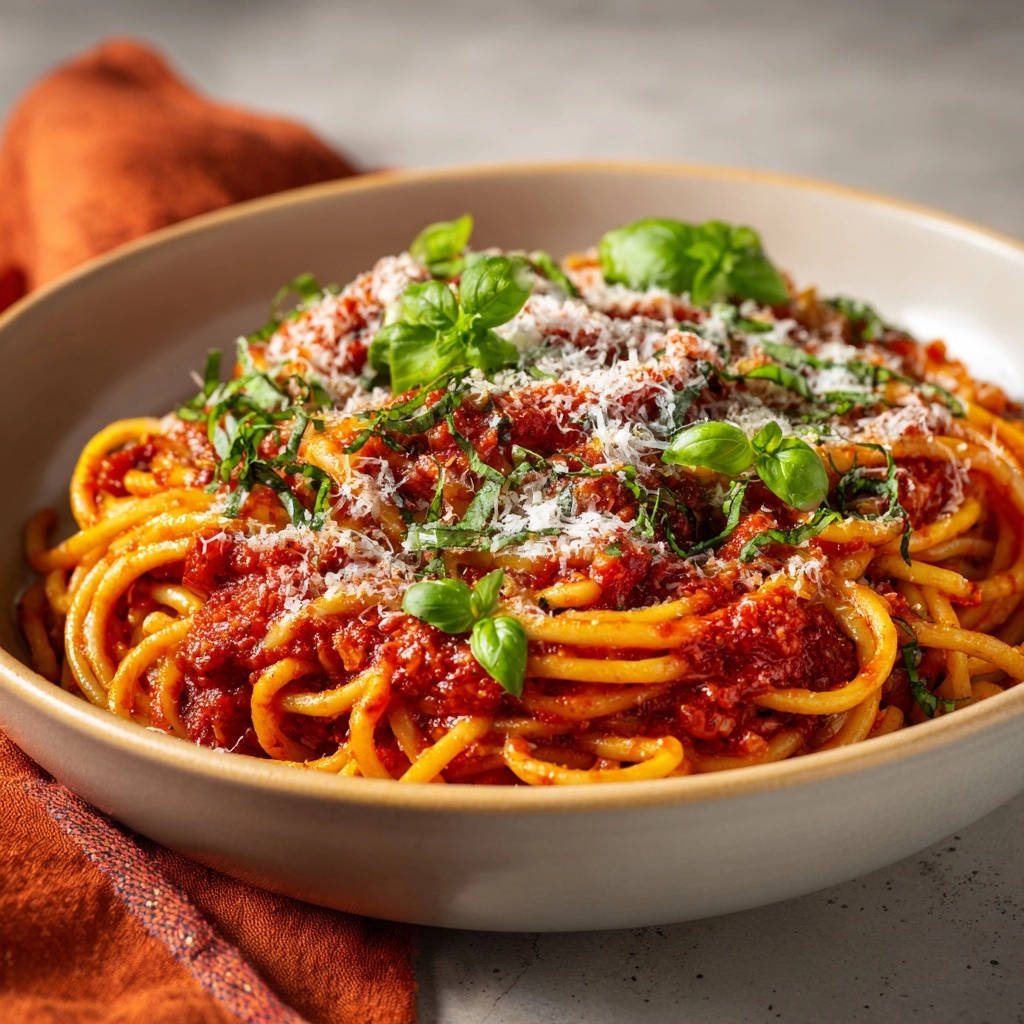
Through countless kitchen experiments, I finally perfected my technique for Classic Spaghetti with Marinara, ensuring perfectly tender strands that beautifully absorb every drop of rich tomato flavor.
This recipe isn’t just about ingredients; it’s about simple yet critical methods that guarantee a sublime, authentic Italian dinner experience every time.
Unlock the Secret to Perfectly Tender Pasta, Every Time
Achieving restaurant-quality pasta at home is simpler than you think with this trusted recipe.
Our method focuses on precision and the “why” behind each step, transforming everyday ingredients into an extraordinary meal.
Why “Clumpy” Pasta is a Thing of the Past
The nightmare of pasta sticking together or turning into a gummy mess is a common culinary challenge.
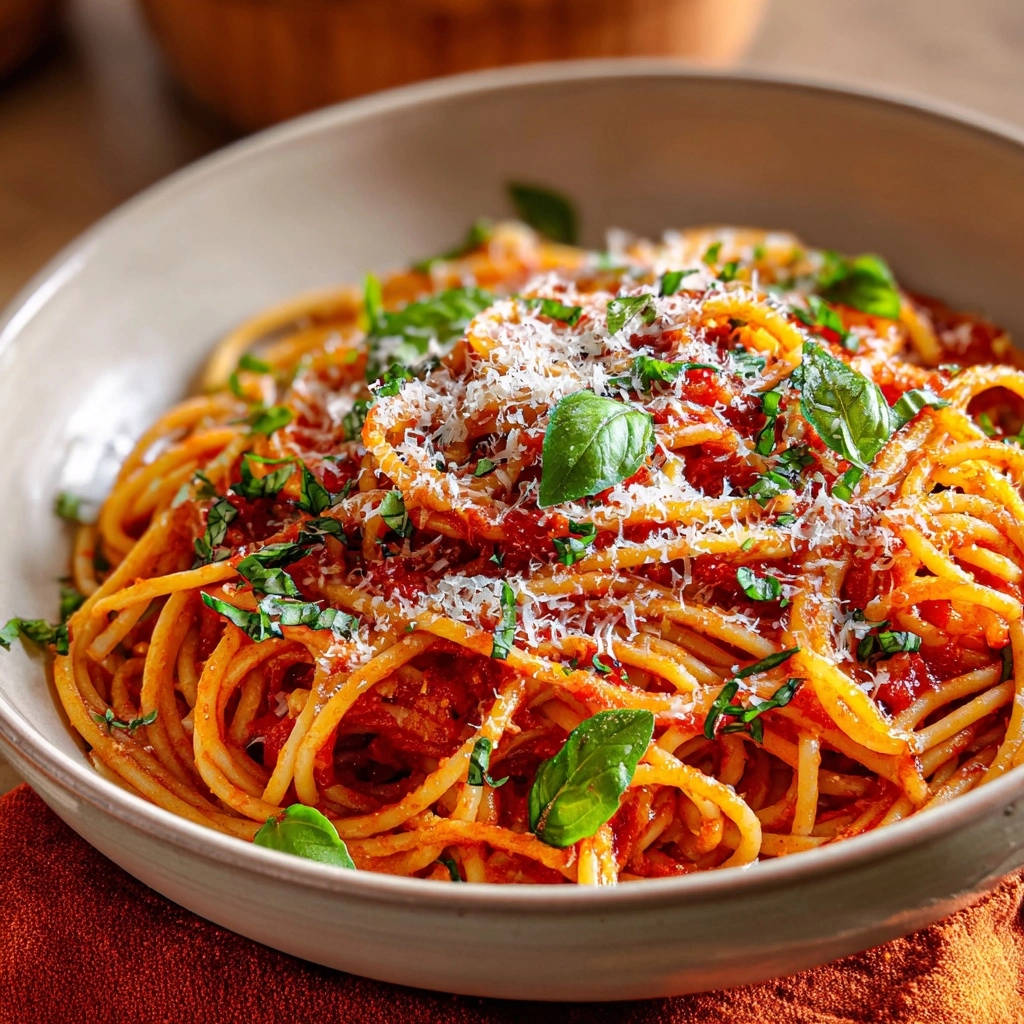
This recipe directly addresses those issues with specific boiling and draining techniques, ensuring each strand remains distinct and perfectly cooked.
The Magic of Flavor Absorption: Why Our Method Matters
A truly great spaghetti dish isn’t just sauce on pasta; it’s pasta infused with sauce.
Our technique ensures the spaghetti finishes cooking directly in the homemade marinara, allowing it to soak up all the vibrant flavors, creating a harmonious and deeply satisfying bite.
A Family Favorite Made Effortless: Simple Yet Sublime
Despite its impressive results, this Classic Spaghetti with Marinara is incredibly approachable for home cooks.
It demystifies common pasta pitfalls, providing clear, actionable steps that lead to a reliable, delicious meal perfect for any night of the week.
Your Culinary Toolkit: Essential Equipment for Success
Having the right tools makes all the difference in achieving a smooth and enjoyable cooking process.
These are the essentials you’ll need to craft your perfect Classic Spaghetti with Marinara.
Must-Have Pots & Pans
Large Stockpot: Essential for ample pasta water, allowing the spaghetti to cook freely without sticking. A 6-8 quart pot is ideal.
Large Saucepan or Dutch Oven: Necessary for simmering the rich homemade marinara. Choose one with a heavy bottom to prevent scorching.
Beyond the Basics: Handy Extras for Precision
Colander: For quick and efficient draining of your al dente spaghetti.
Tongs or Pasta Fork: Indispensable for stirring spaghetti in boiling water and tossing it with the marinara sauce.
Ladle: Perfect for scooping out that precious starchy pasta water and serving the finished dish.
Building Blocks of a Beloved Dish: Key Ingredients
The quality of your ingredients directly impacts the final flavor of your Classic Spaghetti with Marinara.
Here’s how to choose and appreciate each component.
The Heart of the Sauce: Tomatoes and Aromatics
High-quality tomatoes are non-negotiable for a truly outstanding marinara.
We opt for a 28-ounce can of crushed tomatoes, which provides a rich, smooth base with minimal effort.
Finely chopped yellow onion and minced garlic form the aromatic foundation, lending sweetness and depth to the sauce.
Red pepper flakes offer a subtle warmth, elevating the flavor profile without overwhelming it.
Choosing Your Spaghetti: Quality Matters
Look for good quality spaghetti made from 100% durum wheat semolina.
Its texture and ability to hold up during cooking are crucial for achieving the perfect al dente bite and allowing the sauce to cling beautifully.
The Finishing Touch: Fresh Herbs & Grated Cheese
Fresh basil is paramount, offering a bright, herbaceous counterpoint to the rich tomato sauce.
It adds an aromatic lift that dried herbs simply cannot replicate.
Freshly grated Parmesan cheese provides a salty, umami kick, enhancing the overall savory profile and adding a luxurious finish.
From Pantry to Plate: Crafting Your Classic Spaghetti with Marinara
Follow these detailed steps to create a Classic Spaghetti with Marinara that will impress every time.
Mastering the Marinara: A Symphony of Simmering Flavors
- Sauté Aromatics:
Heat two tablespoons of olive oil in a large saucepan over medium heat, allowing it to shimmer slightly.
Add your finely chopped yellow onion and cook, stirring occasionally, until it becomes soft and translucent, which usually takes about five minutes.
Next, stir in the minced garlic and, if you’re using them, the red pepper flakes. Continue cooking for just one minute more until the garlic is fragrant.
Be extremely careful not to scorch the garlic, as burnt garlic can impart a bitter flavor to your entire sauce.
- Simmer to Perfection:
Carefully pour in the 28-ounce can of crushed tomatoes. Season generously with salt and freshly ground black pepper to taste.
Bring the sauce to a gentle simmer, then immediately reduce the heat to low. Cover the saucepan and let it cook gently for at least 20 minutes, or for up to an hour for a truly deep, developed flavor.
Remember to stir the sauce occasionally during simmering to prevent it from sticking to the bottom of the pan.
The Game-Changer: Achieving Al Dente Perfection (No More Gumminess!)
- Boil Water Like the Sea:
Fill a very large pot with water and bring it to a vigorous rolling boil. This generous volume of water prevents temperature drops when pasta is added.
Add a significant amount of salt to the boiling water; it should taste distinctly salty, like the sea. This step is absolutely crucial not just for seasoning the pasta from within, but also for preventing stickiness.
- Add and Stir Spaghetti:
Carefully add the spaghetti to the vigorously boiling, well-salted water. Immediately begin stirring the pasta, continuously for the first minute or two.
This critical and often overlooked step ensures the individual strands don’t clump together as they begin to cook.
Cook the spaghetti strictly according to the package directions until it reaches the al dente stage. This means it should be firm to the bite with a slight resistance, but not hard or mushy. Do not overcook.
- Reserve Pasta Water:
Before draining the cooked pasta, use a heatproof measuring cup or ladle to carefully scoop out and reserve about one cup of the starchy pasta water.
This cloudy, flavorful liquid is a secret weapon, invaluable for adjusting the sauce’s consistency and helping it adhere to the pasta.
- Drain, Do NOT Rinse:
Quickly drain the spaghetti in a colander immediately after it reaches al dente. Do not allow it to sit in the colander for long.
Crucially, do NOT rinse the pasta under cold water after draining. Rinsing removes the beneficial surface starch that helps the marinara sauce cling beautifully to each strand, and washes away valuable flavor.
Bringing it All Together: The Grand Finale
- Combine Pasta and Sauce:
Immediately transfer the hot, drained spaghetti directly into the simmering homemade marinara sauce in your saucepan.
The residual heat from the pasta will help it absorb the sauce’s flavors more effectively, initiating the perfect marriage of components.
- Toss and Adjust:
Add the chopped fresh basil and half of the grated Parmesan cheese to the pot.
Using tongs or a pasta fork, toss vigorously to thoroughly combine the spaghetti with the sauce, ensuring every strand is coated.
If your sauce appears too thick, or if you desire a looser consistency that beautifully coats every strand without being dry, gradually add a splash or two of the reserved starchy pasta water, stirring until your desired consistency is achieved.
- Serve Immediately:
Your Classic Spaghetti with Marinara is best enjoyed fresh from the pot.
Dish out generous portions, and for an extra flourish, garnish each serving with additional fresh basil and a liberal sprinkle of grated Parmesan cheese.
Chef’s Wisdom: Elevating Your Spaghetti Experience
Beyond the basic steps, these expert tips will truly elevate your Classic Spaghetti with Marinara.
What to Serve Alongside
A simple spaghetti marinara pairs well with something crisp or fresh to balance the rich tomato sauce.
- For a warm, earthy contrast, the Warm Bacon Mushroom Arugula Salad adds peppery greens and savory mushrooms that complement the pasta’s acidity.
- Try the Crispy Roasted Butternut Squash Kale Salad for a sweet, roasted element and sturdy greens that hold up next to the marinara.
The Power of Salt in Pasta Water: A Non-Negotiable Step
Salting your pasta water generously is critical for seasoning the pasta from the inside out.
Pasta cooked in unsalted water tastes bland, no matter how flavorful your marinara is.
The salt also aids in preventing the strands from sticking, contributing to that coveted tender, non-gummy texture.
Why You NEVER Rinse Your Cooked Pasta
Rinsing pasta after cooking strips away the starchy film on its surface.
This starch is vital for helping the sauce adhere to the pasta, creating a cohesive dish where every bite is rich with flavor.
It also cools the pasta, which is detrimental when you want it to absorb the warm sauce.
Harnessing Starchy Pasta Water: Your Secret Weapon
The reserved starchy pasta water is a chef’s best friend for finishing pasta dishes.
Its starches help to emulsify the marinara, binding the sauce to the pasta and creating a silky, glossy coating that enhances both texture and flavor.
Customizing Your Marinara: Spice & Herb Variations
While fresh basil is classic, consider experimenting with other herbs for different flavor notes.
A pinch of dried oregano or a bay leaf added during simmering can deepen the aromatic complexity of your homemade marinara.
Perfecting the Al Dente Bite: A Time-Tested Technique
To ensure your spaghetti is perfectly al dente, always taste a strand a minute or two before the package suggests it’s done.
It should have a pleasant chew without any hardness in the center, signifying ideal tenderness.
Common Pitfalls & Perfect Solutions: Troubleshooting Your Dish
Even expert cooks encounter challenges. Here’s how to gracefully navigate common issues.
If you struggle with sticky pasta, the same rinsing trick works wonders for this smoked salmon dill pasta.
“My Pasta is Sticky and Clumpy!”
This is often due to insufficient water, lack of stirring, or unsalted water.
Ensure you use a very large pot with plenty of water, salt it generously until it tastes like the sea, and stir the spaghetti immediately after adding it to the pot.
“My Sauce Tastes Flat or Lacks Depth.”
A common issue that can be remedied easily.
Ensure your aromatics (onion, garlic) are properly softened and fragrant before adding tomatoes, and allow the marinara to simmer for at least 20-30 minutes, or longer, to develop complex flavors.
A pinch of sugar can balance acidity, and a splash of quality olive oil stirred in at the end can add richness.
“My Sauce is Too Thin/Thick for My Liking.”
If your sauce is too thick, gradually stir in small amounts of your reserved starchy pasta water until it reaches the desired consistency, beautifully coating the spaghetti.
If it’s too thin, allow it to simmer uncovered for a few extra minutes to reduce, or stir in a tablespoon of tomato paste for quick thickening.
Beyond the Basics: Serving, Storing, and Sharing
Once you’ve mastered this Classic Spaghetti with Marinara, consider these practical tips for enjoying it fully.
Delightful Serving Suggestions
Serve your spaghetti with a crisp green salad tossed in a light vinaigrette to cut through the richness of the marinara.
If you enjoy the tender pasta from this recipe, the pillowy texture of this creamy tomato burrata gnocchi is just as satisfying.
A side of garlic bread or crusty artisan bread is perfect for soaking up any extra sauce.
Make-Ahead & Storage Tips
The marinara sauce can be made a day or two in advance and stored in an airtight container in the refrigerator; its flavors will only deepen.
Once combined, Classic Spaghetti with Marinara is best enjoyed fresh, but leftovers can be stored in an airtight container for up to 3-4 days in the refrigerator.
Creative Leftover Ideas
Transform leftover spaghetti into a baked pasta dish by adding extra cheese and baking until bubbly.
You can also create quick minestrone by adding the spaghetti and marinara to vegetable broth with extra vegetables.
Your Classic Spaghetti Questions Answered: FAQs
Here are some frequently asked questions to help you perfect your spaghetti masterpiece.
Can I use pre-made marinara sauce for this recipe?
While you certainly can use a high-quality jarred marinara for convenience, making your own sauce from scratch as outlined here offers superior flavor depth and freshness.
The homemade marinara is truly what makes this Classic Spaghetti with Marinara exceptional.
What’s the best type of spaghetti to use? Can I use other pasta shapes?
We recommend using good quality, standard durum wheat spaghetti for its classic texture and ability to absorb sauce.
However, this technique works wonderfully with other long pasta shapes like linguine or fettuccine, or even short shapes like penne or rigatoni, if preferred.
Is this Classic Spaghetti with Marinara recipe freezer-friendly?
The marinara sauce itself freezes beautifully for up to 3 months in an airtight container.
While you can freeze combined spaghetti and marinara, the pasta texture may become softer upon reheating, so it’s best to freeze the sauce separately and cook fresh pasta when ready to serve.
How can I make this recipe vegetarian/vegan-friendly?
This Classic Spaghetti with Marinara recipe is already vegetarian! To make it vegan, simply omit the Parmesan cheese or substitute it with a plant-based alternative.
Ensure your spaghetti is made without egg, which most dried varieties are.
Ready to Create Your Own Classic Spaghetti Masterpiece?
Armed with these expert tips and a meticulously crafted recipe, you’re now ready to transform your kitchen into an Italian trattoria.
Say goodbye to sticky pasta and hello to perfectly tender, flavor-infused Classic Spaghetti with Marinara that will delight your family and friends.
Give this recipe a try and rediscover the joy of a truly authentic and delicious homemade spaghetti experience!
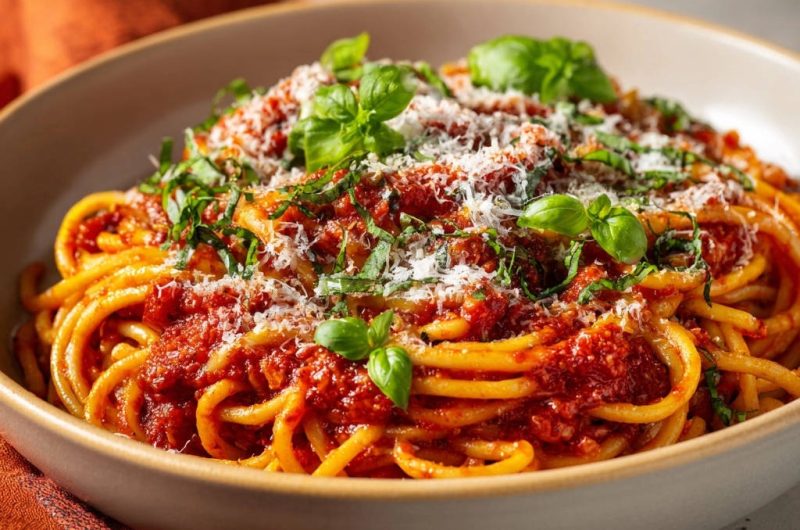
Spaghetti
Course: Main CourseCuisine: ItalianDifficulty: easy4
servings20
minutes45
minutes550
kcal60
minutesSay goodbye to sticky pasta! This recipe reveals the simple trick to perfectly tender spaghetti that soaks up every drop of a delicious, homemade marinara sauce. You’ll love this easy, foolproof method for a classic Italian meal.
Ingredients
1 pound spaghetti
2 tablespoons olive oil
1 medium yellow onion, finely chopped
3 cloves garlic, minced
1 28-ounce can crushed tomatoes
1/2 teaspoon red pepper flakes (optional)
Salt to taste
Freshly ground black pepper to taste
1/2 cup fresh basil, chopped, plus more for garnish
1/2 cup grated Parmesan cheese, plus more for garnish
Reserved pasta water
Directions
- For the sauce: Heat olive oil in a large saucepan over medium heat. Add onion and cook until softened, about 5 minutes. Add minced garlic and red pepper flakes (if using), and cook for 1 minute more until fragrant. Be careful not to scorch the garlic.
- Pour in the crushed tomatoes. Season with salt and black pepper. Bring to a simmer, then reduce heat to low, cover, and let it gently cook for at least 20 minutes, or up to an hour, stirring occasionally. The longer it simmers, the deeper the flavor.
- For the perfect pasta (and to avoid gumminess!): Bring a very large pot of water to a rolling boil. Add a generous amount of salt to the water; it should taste like the sea. This is crucial for flavor and preventing stickiness.
- Add the spaghetti to the boiling water, stirring immediately to prevent sticking. Cook according to package directions until al dente. This means it should be firm to the bite, not mushy. Do not overcook and do not rinse the pasta after draining. Rinsing removes the beneficial starch needed for the sauce to cling.
- Before draining the pasta, reserve about 1 cup of the starchy pasta water.
- Drain the spaghetti quickly. Immediately add the drained pasta directly to the simmering marinara sauce.
- Add the chopped fresh basil and half of the grated Parmesan cheese. Toss vigorously to combine the pasta with the sauce, allowing the pasta to absorb the flavors. If the sauce seems too thick, add a splash or two of the reserved pasta water until it reaches your desired consistency and beautifully coats every strand.
- Serve immediately, garnished with extra fresh basil and a generous sprinkle of grated Parmesan cheese.
Notes
- Don’t rinse pasta after draining; it helps the sauce cling better. Salt pasta water generously!