Mastering Savory Ginger Chicken Lettuce Wraps Without the Soggy Mess
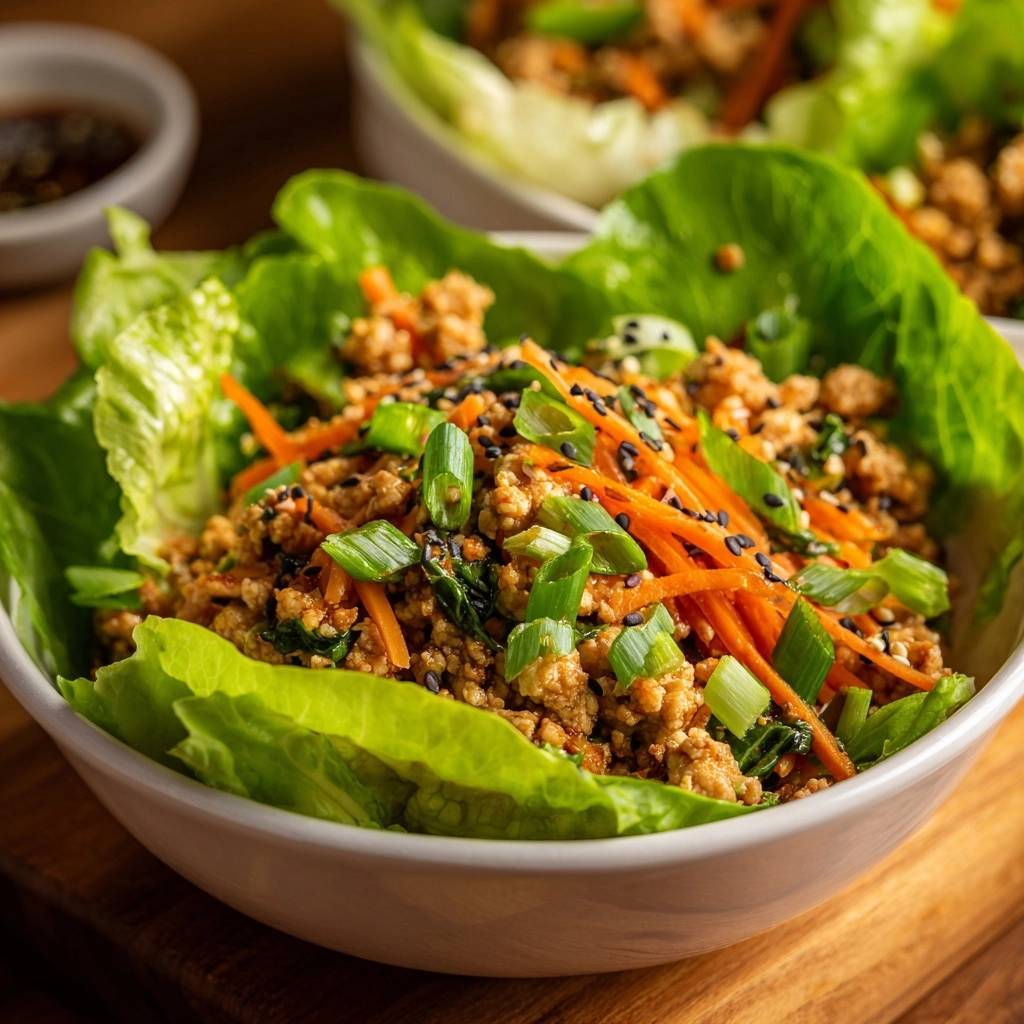
There is a specific, addictive joy in the perfect lettuce wrap. You want that sharp contrast between a steaming, savory ginger chicken filling and a cold, crisp leaf of butter lettuce that snaps when you bite into it. However, most home cooks end up with a puddle of gray liquid at the bottom of their plate, turning a vibrant meal into a soggy disappointment.
The secret to restaurant-quality wraps isn’t a hidden ingredient; it’s moisture management. By treating your skillet like a high-heat stage, you can transform humble ground chicken into a deeply caramelized, glazed masterpiece. We’re going to focus on the “Skyscraper” approach, building layers of flavor while keeping the water content under strict control.
I’ve found that the biggest mistake people make is stirring the meat too soon. If you want that intense, savory punch, you have to let the chicken sit undisturbed in a screaming hot pan. This creates a golden crust that locks in the juices, ensuring your lettuce stays dry and your chicken stays succulent.
The Science of Moisture Management in Stir-Fry
Ground chicken is notorious for releasing a lot of liquid during the cooking process. When you crowd a pan or use low heat, the meat essentially “stews” in its own juices. This results in a rubbery texture and a lack of flavor because the temperature never gets high enough to trigger the Maillard reaction.
The Maillard reaction is the chemical process that occurs when proteins and sugars are exposed to high heat, creating those brown, savory bits we all crave. To achieve this, you need to maximize the surface area of the meat against the hot metal. If the pan is too cool, the moisture leaks out, the temperature drops further, and you’re left with a watery mess.
By using a high-heat sear, you evaporate surface moisture instantly. This allows the fats to fry the protein rather than the water boiling it. Therefore, your goal is to create a dry environment in the pan for the first few minutes of cooking to ensure the chicken develops a firm, meaty texture that can hold up to a heavy glaze.
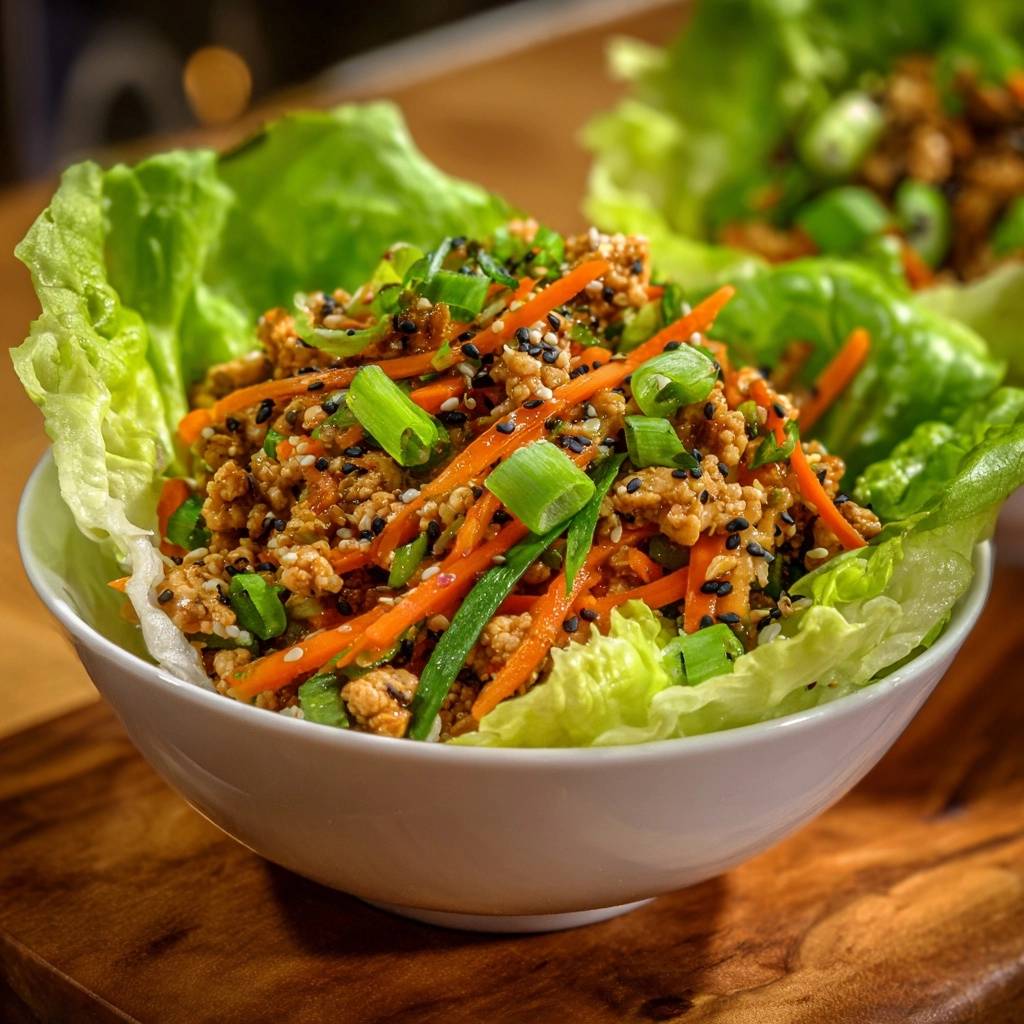
Why High-Heat Searing Prevents Watery Fillings
You’ll know your pan is ready when the neutral oil begins to shimmer and just barely starts to smoke. This is the “patience phase.” When you drop the chicken in, it should hiss loudly. If it doesn’t, your pan isn’t hot enough, and you should wait longer next time.
Once the chicken hits the pan, resist the urge to move it. Moving the meat too early drops the pan’s temperature and breaks the seal you’re trying to form. Let it sit for at least two minutes until a deep golden-brown crust forms on the bottom. This crust acts as a barrier, keeping the interior juicy while providing a robust flavor base.
The Role of the Cornstarch Slurry as a Binding Agent
A slurry is a simple mix of cornstarch and cold water, and it’s your best friend for moisture control. Without it, the soy sauce and hoisin would simply pool at the bottom of the lettuce cup, making the leaf limp and messy. The slurry acts as a stabilizer and thickener.
When the slurry hits the hot pan, the starch granules swell and absorb the liquid aromatics. This creates a glossy, translucent glaze that clings to every nook and cranny of the chicken crumbles. It effectively “glues” the sauce to the meat, ensuring every bite is packed with flavor without any dripping liquid.
Essential Components for Savory Ginger Chicken Lettuce Wraps
Quality ingredients are the backbone of this dish, especially since the cooking time is so fast. Because we’re using ground chicken, which is leaner than beef, we have to be intentional about how we build flavor and texture. Every element serves a specific purpose in the final bite.
I always recommend using fresh ginger and garlic rather than the jarred versions. The oils in fresh aromatics are much more volatile and fragrant, which is essential for that signature “zing.” Additionally, the way you prep your vegetables determines whether they stay crunchy or turn into mush under the heat of the chicken.
Selecting the Best Lettuce for Structural Integrity
Bibb or Butter lettuce is the gold standard for a reason. The leaves are naturally cup-shaped, flexible, and soft, making them easy to fold without snapping. While Romaine provides a great crunch, its rigid ribs make it harder to eat as a wrap. Iceberg is crunchy but often lacks the flavor and flexibility needed here.
The most important tip for your lettuce is to make sure it’s bone-dry. After washing the leaves, pat them down with paper towels or use a salad spinner. If there’s water on the lettuce, the savory glaze will slide right off instead of sticking to the leaf. I like to keep the dried leaves in the fridge until the very second I’m ready to serve.
If you enjoy quick-cooking chicken dishes, you will love these tender, flavor-packed chicken gyro wraps.
Fresh Aromatics: The Ginger and Garlic Ratio
Fresh ginger provides a spicy, citrusy heat that defines this dish. I prefer grating it with a microplane so it melts into the sauce, distributing the flavor evenly. If you chop it too coarsely, you’ll end up with woody chunks that can be overwhelming. Aim for a generous tablespoon to really make the flavors pop.
Garlic is equally important, but it’s more delicate. If you add it at the beginning with the chicken, it will burn and turn bitter. By adding it later in the process, you mellow the raw bite while preserving its sweet, pungent aroma. Two cloves are usually perfect, but feel free to measure with your heart here.
The Crunch Factor: Carrots and Green Onions
Texture is just as important as flavor in a lettuce wrap. We use matchstick carrots and sliced green onions to provide a fresh “snap” that cuts through the richness of the hoisin sauce. The trick is to avoid cooking them over active heat, which would make them limp.
Instead, we use the “residual heat” method. By tossing the carrots and onions into the pan after the heat is turned off, you soften them just enough to take away the raw edge while maintaining their cellular structure. This ensures that every wrap has a satisfying, audible crunch when you take a bite.
Step-by-Step: Executing the Perfect Ginger Chicken Sear
Success in the kitchen often comes down to timing. Since this recipe cooks in under ten minutes, you need to have all your ingredients prepped and ready to go. This isn’t a dish where you can chop as you go; it’s a fast-paced dance that requires your full attention.
You’re looking for a transformation of textures. You’ll start with soft, pale meat and end with a glistening, mahogany-colored filling. Pay close attention to the smells in your kitchen—the aroma will shift from raw meat to toasted ginger and sweet garlic as the glaze thickens and coats the chicken.
Phase 1: Achieving the Golden Crust
Start by heating your neutral oil (like canola or grapeseed) in a large skillet or wok. These oils have high smoke points, meaning they won’t burn at the temperatures needed for a proper sear. Once the oil is shimmering, spread the ground chicken into a single, flat layer across the bottom of the pan.
Don’t touch it! Let it sizzle and brown for about 3 minutes. You’ll see the edges start to turn opaque and white. When you finally flip it, you should see a beautiful, dark golden crust. Now, break it into small crumbles with a wooden spoon and finish cooking until no pink remains.
Phase 2: Integrating Greens and Aromatics
Once the chicken is browned, clear a small space in the center of the pan and drop in your ginger and garlic. Stir-fry them for just 30 seconds. You’ll know they’re ready when the smell hits you—it should be fragrant and warm, not burnt. This short window prevents the garlic from turning acrid.
Next, toss in your chopped spinach or baby bok choy. These greens cook incredibly fast. You only want to toss them for about 30 seconds until they are just wilted. If you cook them any longer, they will release their internal water and make your filling runny, which is exactly what we’re trying to avoid.
Phase 3: Glazing and Thickening the Filling
Now it’s time for the flavor explosion. Pour in the soy sauce, hoisin, and rice vinegar. Immediately follow this with your cornstarch slurry. Give it a quick stir, and you’ll see the liquid transform from a thin soup into a thick, glossy glaze in a matter of seconds.
As soon as the sauce is bubbling and thick, turn off the heat. This is when you stir in the toasted sesame oil for that nutty finish. Add your carrots and half of the green onions now. The residual heat will marry the flavors together without sacrificing the fresh texture of the vegetables.
Avoiding Common Mistakes with Chicken Lettuce Wraps
Even with the best intentions, things can sometimes go sideways in the kitchen. The most common issue is a filling that feels too heavy or salty. Because soy sauce and hoisin are both high in sodium, it’s easy to overdo it if you aren’t careful with your measurements.
If you like a bit of a kick, the same ginger and garlic base works beautifully in this garlic ginger chicken and broccoli.
Another pitfall is the “steaming” effect. If you try to double the recipe in a small pan, the meat will pile up, and the steam won’t be able to escape. This leads to that gray, boiled texture we’re trying to avoid. Always ensure your pan is large enough for the meat to sit in a relatively thin layer.
How to Fix an Overly Salty Filling
If you find the filling is a bit too salty, don’t panic. You can easily balance it out by adding more bulk. Toss in an extra handful of julienned carrots or some extra chopped greens. The water content in the fresh vegetables will help dilute the saltiness without making the dish watery.
A splash of rice vinegar can also help. The acidity cuts through the salt and the sweetness of the hoisin, brightening the entire dish. If it’s still too much, serve the wraps with a side of plain white rice or extra lettuce leaves to spread out the flavor intensity.
Preventing the “Steaming” Effect in Small Pans
If you don’t have a massive wok, the best solution is to cook in batches. Sear half the chicken, remove it from the pan, and then sear the second half. Once both batches are browned and crispy, you can combine them to add the aromatics and sauces.
This ensures that the pan temperature stays high enough to create that vital sear. It takes a few extra minutes, but the difference in texture is massive. Remember, overcrowding is the primary enemy of a crisp, savory stir-fry.
Flavor Variations and Protein Swaps
While ground chicken is the classic choice, this ginger-heavy flavor profile works beautifully with other proteins. The key is to maintain the same moisture-control techniques regardless of what you’re using. You want a protein that can crumble easily to fit inside the lettuce leaves.
You can also play with the aromatics. If you love citrus, a little lime zest added at the very end can provide a beautiful lift. If you prefer a deeper, earthier flavor, try adding some finely chopped shiitake mushrooms to the mix during the searing phase.
Plant-Based Alternatives: Tofu and Mushroom Crumble
To make a plant-based version, use extra-firm tofu. The trick is to press the tofu for at least 20 minutes to remove as much water as possible. Crumble it with your hands to mimic the texture of ground meat, then sear it in the hot pan until the edges are crispy.
Adding finely diced mushrooms to the tofu provides an extra hit of umami. Mushrooms have a high water content, so make sure to cook them until all their liquid has evaporated before adding your sauces. This ensures your plant-based wraps stay just as “dry” and glazed as the chicken version.
Adjusting the Heat: Adding Spice Without Losing Balance
If you like a bit of a kick, there are several ways to add heat. You can stir in a teaspoon of chili garlic sauce when you add the hoisin, or toss in some red pepper flakes with the ginger and garlic. This allows the heat to infuse into the oil and spread evenly throughout the dish.
For a fresher heat, try adding some thinly sliced serrano or jalapeño peppers along with the carrots at the end. This gives you a bright, sharp spice that contrasts well with the sweet and savory glaze. Just be careful not to let the spice overshadow the delicate flavor of the fresh ginger.
Expert Tips for Serving and Presentation
The magic of this dish lies in the temperature contrast. You want the chicken to be hot enough to slightly warm the lettuce, but the lettuce should still be cold and crisp. This creates a sensory experience that makes the meal feel much more sophisticated than a standard weeknight dinner.
To take it up a notch, I like to chill my lettuce leaves in an ice bath for 10 minutes before drying them. This makes them extra crunchy and helps them hold their shape. Serve the filling in a large bowl in the center of the table and let everyone build their own wraps for a fun, interactive meal.
What to Serve with Ginger Chicken Lettuce Wraps
These lettuce wraps are light and savory, so pair them with sides that add crunch and a bit of chew.
- A crisp Rainbow Veggie Slaw brings extra crunch and a tangy contrast to the ginger chicken.
- Soft Steamed Vegetable Dumplings round out the meal with a warm, tender bite that echoes the wrap’s filling flavors.
Maintaining the Hot-Cold Dynamic
Timing is everything when serving. Have your lettuce prepped and your garnishes ready before you even start the stove. The second that chicken is glazed and the carrots are tossed in, it should go straight to the table. If the filling sits in the pan too long, the carrots will lose their snap.
If you’re serving a large group, you can keep the filling in a warmed bowl, but don’t pre-assemble the wraps. If you put the hot meat into the lettuce and let it sit, the heat will wilt the leaves and make them soggy within minutes. The “build-your-own” style is the best way to preserve the integrity of the dish.
Troubleshooting and Preparation Logistics
This is a fantastic recipe for busy people because the actual cooking time is so short. However, because it moves so fast, you might have questions about how to prep it in advance or what to do with leftovers. Here is how to handle the logistics like a pro.
The filling is actually quite versatile. While it’s best fresh, the flavors continue to develop as it sits, making it a great option for meal prep if you store the components correctly. Just remember that the lettuce is the one thing that cannot be prepped too far in advance or frozen.
Can I make the ginger chicken filling ahead of time?
Yes, you can absolutely make the chicken filling a day in advance. Follow the instructions up until the point where you add the carrots and green onions. Store the cooked, glazed chicken in an airtight container in the fridge. When you’re ready to eat, reheat it in a skillet over medium heat.
Once the chicken is hot and the glaze has loosened up, turn off the heat and toss in your fresh carrots and green onions. This ensures that your “crunch factor” is perfectly preserved. If you reheat the carrots with the meat, they will become soft and lose their appeal.
What are the best side dishes for a complete meal?
Since these wraps are light and vibrant, you want side dishes that complement those flavors without being too heavy. A smashed cucumber salad with a bit of rice vinegar and sesame oil is a classic pairing. The cool, watery crunch of the cucumbers mirrors the lettuce wraps perfectly.
If you want something more filling, a chilled noodle salad or a simple bowl of jasmine rice works well. Avoid anything too greasy or heavy, as it will overshadow the fresh ginger and garlic notes of the chicken. A simple miso soup is also a great way to start the meal.
How do I store leftovers without losing texture?
Store the chicken filling and the lettuce leaves in separate containers. The filling will stay fresh in the refrigerator for up to three days. To reheat, use a pan rather than a microwave if possible; the pan helps re-crisp the edges of the chicken and keeps the glaze glossy.
The lettuce leaves should be kept in a zip-top bag with a slightly damp paper towel to keep them hydrated and crisp. Do not freeze the lettuce, as it will turn to mush. The chicken filling can be frozen for up to a month, but you’ll need to add a fresh splash of water or soy sauce when reheating to bring the glaze back to life.
Why is my chicken filling watery even though I used high heat?
This usually happens if you added the vegetables too early or used frozen vegetables that weren’t thawed and dried. Vegetables like spinach and bok choy release a lot of water as they cook. Make sure to only toss them for 30 seconds. Also, ensure your cornstarch slurry was mixed thoroughly; if the starch settles at the bottom of the cup, it won’t thicken the sauce properly.
Can I use ground turkey instead of chicken?
Absolutely. Ground turkey is a great substitute and has a similar fat content to ground chicken. The cooking process remains exactly the same. Just be sure to still aim for that deep sear, as turkey can also become “stewed” and rubbery if the pan isn’t hot enough.
What can I use if I don’t have hoisin sauce?
If you’re out of hoisin, you can create a quick substitute by mixing a tablespoon of peanut butter with a teaspoon of honey and a splash of Sriracha. It won’t be identical, but it provides the necessary sweetness and thickness to help the glaze cling to the meat. Alternatively, a bit of extra soy sauce mixed with brown sugar can work in a pinch.
How do I keep the lettuce leaves from tearing?
The best way to get perfect leaves is to cut the core out of the head of lettuce first. Then, hold the head under cold running water, letting the water flow between the leaves. This naturally pushes them apart without you having to pull and tug, which is usually when the tearing happens. Pat them dry gently with a soft towel.
Is there a way to make this gluten-free?
Yes! To make this dish gluten-free, simply swap the soy sauce for tamari and ensure your hoisin sauce is labeled gluten-free. Most cornstarch is naturally gluten-free, but always double-check the label. The rest of the ingredients—ginger, garlic, chicken, and vegetables—are naturally safe for a gluten-free diet.
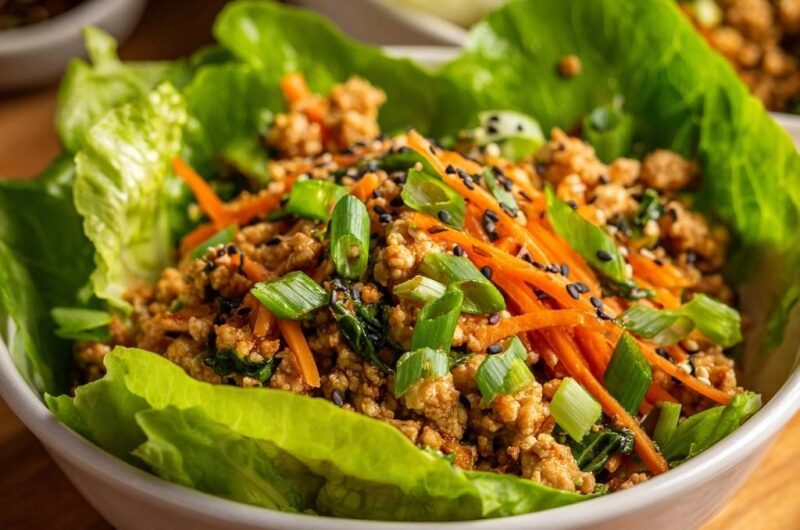
Ginger Chicken
Course: Main CourseCuisine: Asian FusionDifficulty: easy4
servings15
minutes10
minutes295
kcal25
MinutesA flavorful and healthy meal featuring ground chicken glazed in a savory ginger and hoisin sauce, served in crisp butter lettuce leaves. The recipe focuses on moisture management to ensure a perfect crunch.
Ingredients
1 pound ground chicken
1 tablespoon neutral oil (canola or grapeseed) for searing
1 teaspoon toasted sesame oil (for finishing)
2 cups matchstick (julienned) carrots
1 bunch green onions, thick-sliced on a bias
2 tablespoons soy sauce
1 tablespoon hoisin sauce
1 tablespoon rice vinegar
1 teaspoon cornstarch mixed with 1 tablespoon water (slurry)
1 tablespoon fresh grated ginger
2 cloves garlic, minced
1 cup fresh spinach or baby bok choy, roughly chopped
1 tablespoon black sesame seeds
1 head Butter or Bibb lettuce, leaves separated, washed, and patted bone-dry
Directions
- The key to avoiding a soggy filling is starting with a very hot pan. Heat the neutral oil in a large skillet or wok over high heat until it shimmers and just begins to smoke.
- Add the ground chicken to the pan in a flat layer. Do not stir for 2-3 minutes. This allows the meat to develop a deep golden-brown crust, which locks in flavor and prevents the meat from “stewing” in its own juices.
- Break the chicken into small crumbles and continue to cook until no longer pink.
- Add the ginger and garlic. Stir-fry for 30 seconds until fragrant.
- Add the chopped spinach (or bok choy). Toss for 30 seconds until just wilted.
- Pour in the soy sauce, hoisin sauce, and rice vinegar. Immediately stir in the cornstarch slurry. This will thicken the liquids into a glossy glaze that clings to the meat rather than pooling at the bottom of the lettuce cup.
- Turn off the heat. Stir in the toasted sesame oil, the matchstick carrots, and half of the green onions. The residual heat will slightly soften the carrots while maintaining their structural crunch.
- Spoon the glazed chicken mixture into the center of the cold, dry lettuce leaves.
- Garnish generously with the remaining green onions and black sesame seeds. Serve immediately to maintain the temperature contrast and the crunch of the lettuce.
Notes
- To prevent sogginess, ensure the lettuce leaves are patted bone-dry and the chicken is seared at high heat to prevent stewing.