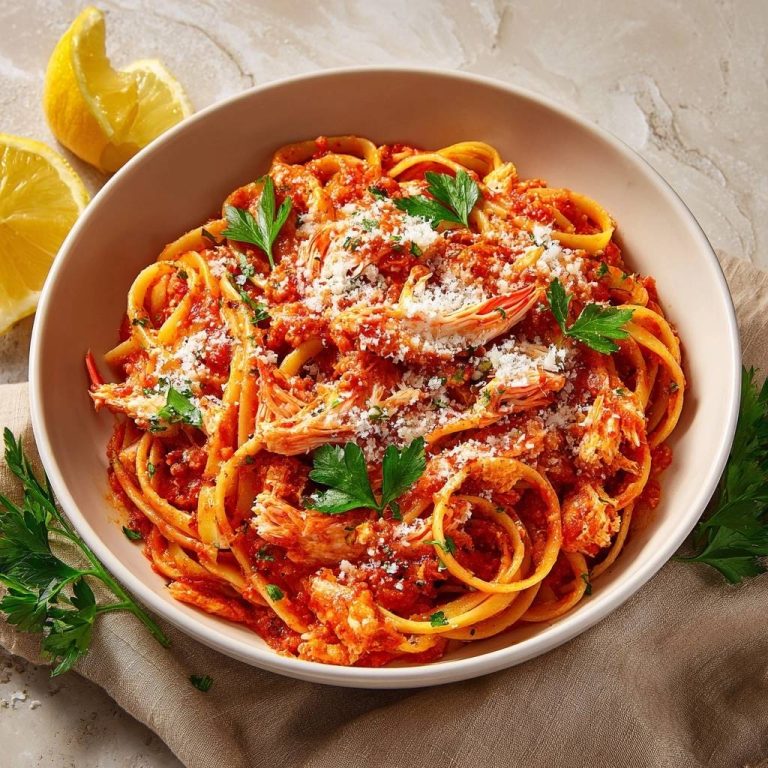
Classic Spaghetti with Meat Sauce: The Secret to Sauce That Clings
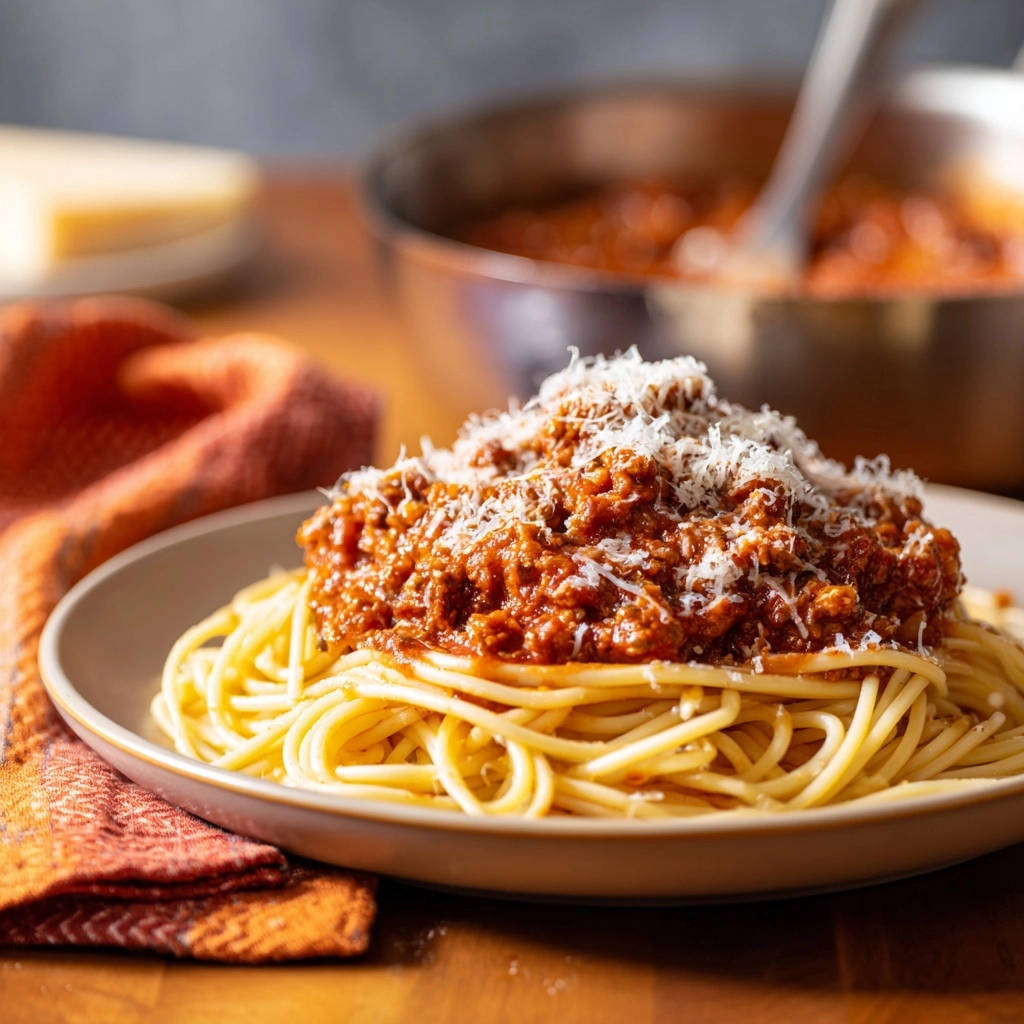
There’s nothing more frustrating than crafting a rich, savory meat sauce, only to watch it slide off your spaghetti, leaving bare noodles behind. I’ve been there many times myself. This recipe for Classic Spaghetti with Meat Sauce isn’t just about incredible flavor; it’s about a game-changing technique that ensures every single strand is beautifully coated and bursting with goodness.
Beyond Basic: Why Our Meat Sauce Truly Clings to Every Noodle
Many recipes for spaghetti with meat sauce stop short, leaving you with a delicious sauce that simply doesn’t adhere to the pasta. This common frustration is precisely what we tackle head-on.
Our approach incorporates a crucial, yet simple, step that transforms the texture of the sauce, enabling it to cling luxuriously to every noodle. You’ll achieve a harmonious dish where pasta and sauce are truly unified, making every bite satisfying.
This method not only creates a wonderfully integrated experience but also deepens the overall flavor. It’s a testament to how small tweaks can elevate a beloved family favorite into an unforgettable meal.
Gather Your Essentials: The Building Blocks for Flavorful Classic Spaghetti
The Heart of the Sauce: Meat & Aromatics
Start with lean ground beef for a rich, savory base without excessive greasiness. The fat renders down beautifully, contributing to the sauce’s depth of flavor.
A finely chopped medium onion provides sweetness and aromatic complexity. Minced garlic cloves are essential for that pungent, warm undertone that defines a classic meat sauce.
Tomato Base & Savory Liquids
Crushed tomatoes form the robust foundation of our sauce. Look for high-quality canned tomatoes for the best flavor and texture.
Beef broth adds another layer of umami and helps thin the sauce to the perfect consistency. Dried Italian seasoning, salt, and black pepper are the classic flavor enhancers that bring everything together.
Pasta & The Clinging Secret Ingredient
Spaghetti is the traditional choice, offering long strands perfect for twirling and coating. Ensure you cook it to a true al dente for optimal texture.
The true secret is reserved starchy pasta cooking water. This humble liquid contains starches that, when combined with the sauce, create an emulsified, clingy texture.
The same starchy water trick works wonders for getting the sauce to cling in this creamy penne with seared steak bites.
Finishing Touches & Serving Suggestions
Freshly grated Parmesan cheese is non-negotiable. Its salty, nutty flavor melts into the warm pasta, adding a final touch of richness and aroma.
Essential Tools for Your Spaghetti with Meat Sauce Adventure
Large Pot: Absolutely essential for cooking spaghetti in generously salted water, ensuring even cooking and flavor.
Large Skillet or Dutch Oven: Perfect for browning the ground beef and simmering the meat sauce, allowing for ample space to toss the pasta later.
Slotted Spoon: Handy for removing browned beef while leaving rendered fat, if needed, and for stirring.
Tongs: Your best friend for vigorously tossing the spaghetti with the sauce, ensuring every strand is coated.
Cutting Board and Sharp Knife: For finely chopping the onion and mincing garlic with ease and precision.
Your Path to Perfect Classic Spaghetti with Meat Sauce: A Step-by-Step Guide
- Prepare the Spaghetti:
Cook one pound of spaghetti according to package directions in a large pot of generously salted water until al dente. This means it should be tender but still have a slight bite.
Before draining, reserve about 1 cup of the starchy pasta cooking water. This cloudy, flavorful liquid is your secret weapon for a clingy sauce, so don’t skip it!
- Brown the Beef & Aromatics:
While the spaghetti cooks, heat one tablespoon of olive oil in a large skillet or Dutch oven over medium heat. Add one pound of lean ground beef.
Cook the beef, breaking it up with a spoon, until it is thoroughly browned and no pink remains. Drain off any excess fat to keep your sauce light and flavorful.
Add the chopped onion to the skillet with the cooked beef and cook until softened, about 5 minutes, stirring occasionally. Stir in the minced garlic and cook for another minute until fragrant.
- Simmer the Sauce Base:
Pour in the crushed tomatoes and beef broth. Stir in the Italian seasoning, salt, and black pepper.
Bring the sauce to a gentle simmer, then reduce the heat to low, cover, and let it cook for at least 20 minutes. This slow simmer allows the flavors to meld and deepen beautifully, creating a richer meat sauce.
- The Game-Changing Clinging Step: Marrying Pasta and Sauce:
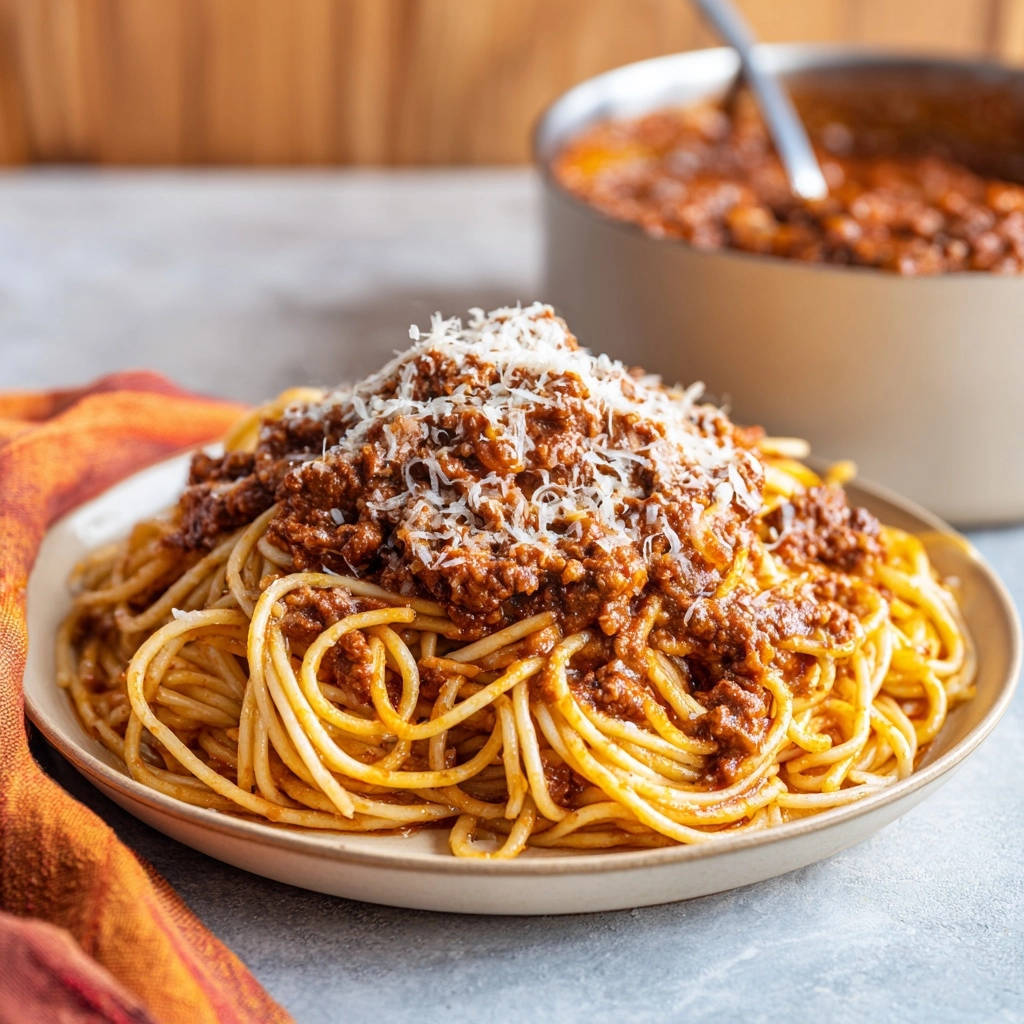
This is the crucial step for perfect sauce adhesion. Add the drained al dente spaghetti directly into the simmering meat sauce in the skillet.
Add about 1/2 cup of the reserved pasta cooking water. Using tongs or a large spoon, vigorously toss the spaghetti with the sauce for 1 to 2 minutes.
This active tossing motion, combined with the starchy pasta water, creates an emulsion. The starch from the pasta water helps the sauce thicken slightly and literally “clings” to every strand of spaghetti, creating a luxurious, cohesive dish. If the sauce seems too thick, add more pasta water, a tablespoon at a time, until the desired consistency is achieved and the pasta is beautifully coated.
- Serve Immediately:
Serve the Classic Spaghetti with Meat Sauce immediately, topped generously with freshly grated Parmesan cheese. This dish is best enjoyed fresh from the pan.
The Science of Cling: Why Reserved Pasta Water is Your Secret Weapon
The magic behind a sauce that truly clings to your spaghetti lies in the reserved pasta cooking water. As pasta cooks, it releases starches into the water.
When you add this starchy water to your meat sauce and vigorously toss it with the cooked spaghetti, a process called emulsification occurs. The starches act as a natural emulsifier, binding the oil and water components of the sauce together.
This creates a smooth, cohesive, and slightly thickened sauce that effortlessly adheres to the pasta. It’s this scientific interaction that transforms a good spaghetti and meat sauce into a truly exceptional one.
Elevate Your Classic Spaghetti: Chef’s Tips for Unforgettable Flavor
Choosing Your Ground Beef: Opt for lean ground beef (85/15 or 90/10) to minimize excess grease, allowing the pure flavor of the meat and tomatoes to shine. If using higher fat content, ensure you drain thoroughly.
The Art of Al Dente: Cook your spaghetti until it has a firm bite. Overcooked, mushy pasta won’t hold the sauce well. Al dente pasta also finishes cooking beautifully when tossed in the hot sauce.
Deepening Sauce Flavor: For an even richer sauce, let it simmer longer, ideally for an hour or more, stirring occasionally. A pinch of sugar can balance the acidity of the tomatoes, and a bay leaf added during simmering enhances complexity (remember to remove it before serving).
Fresh Herbs vs. Dried: While dried Italian seasoning works wonderfully for simmering, consider stirring in a handful of fresh basil or parsley just before serving for a vibrant burst of fresh flavor and aroma in your Classic Spaghetti with Meat Sauce.
Parmesan Prowess: Always use freshly grated Parmesan cheese. Pre-grated options often contain anti-caking agents that affect melting and flavor. The sharp, nutty taste of real Parmesan elevates the entire dish.
What to Serve with Your Perfect Classic Spaghetti with Meat Sauce
A warm, crusty loaf of garlic bread is the quintessential accompaniment, perfect for soaking up every last drop of the delicious sauce.
A simple, crisp green salad with a light vinaigrette offers a refreshing contrast to the richness of the pasta, balancing the meal.
Consider a simple side of steamed green beans or roasted asparagus for an added vegetable component that complements the savory flavors.
Preparing Ahead & Storing Leftovers: Enjoying Your Spaghetti Later
Can You Make the Meat Sauce Ahead?
Absolutely! The meat sauce can be made 2-3 days in advance and stored in an airtight container in the refrigerator. In fact, many find the flavors deepen and improve with a day or two of resting.
Reheat gently on the stovetop before combining with freshly cooked spaghetti and reserved pasta water for the clingy finish.
Storing Cooked Spaghetti with Meat Sauce
Once combined, store any leftover spaghetti with meat sauce in an airtight container in the refrigerator for up to 3-4 days. For longer storage, freeze portions in freezer-safe containers for up to 2-3 months.
Reheating Tips
When reheating from the refrigerator, gently warm portions in a skillet over medium-low heat, adding a splash of water or broth to loosen the sauce. For frozen portions, thaw overnight in the refrigerator, then reheat as above.
Avoid microwaving on high for too long, as this can make the pasta mushy. Low and slow reheating maintains the integrity of the sauce and pasta.
Common Challenges & Simple Solutions for Your Classic Spaghetti
“My Sauce is Too Thin/Runny!”
If your meat sauce seems too thin, let it simmer uncovered for a bit longer. This allows some of the liquid to evaporate, naturally thickening the sauce.
Alternatively, mix a teaspoon of cornstarch with a tablespoon of cold water, then stir this slurry into the simmering sauce and cook for a minute until thickened.
“My Sauce is Too Thick!”
No worries! This is an easy fix. Simply stir in a bit more beef broth or, even better, some of your reserved pasta cooking water until you reach your desired consistency.
Add it gradually, a tablespoon at a time, until the sauce is luscious and pourable.
“My Pasta is Sticky/Mushy!”
This usually means the pasta was overcooked. Always aim for al dente, cooking according to package directions and testing often. Ensure your pot is large enough and the water is generously salted for proper cooking.
Draining immediately after reaching al dente helps prevent further cooking. Remember, the pasta will finish cooking slightly when tossed with the hot sauce.
Your Top Questions About Classic Spaghetti with Meat Sauce Answered
What kind of spaghetti should I use?
Traditional dried spaghetti is ideal for this recipe. Its firm texture holds up well to tossing and provides a great base for the rich meat sauce. Feel free to use whole wheat spaghetti if you prefer.
Can I use a different type of ground meat?
Yes, absolutely! While ground beef is classic, you can substitute with ground turkey, a mix of ground beef and lamb, or even ground Italian sausage for a different flavor profile. Adjust cooking times slightly as needed.
Is it possible to make this vegetarian?
To make a vegetarian version, omit the ground beef. Sauté finely chopped mushrooms, lentils, or a plant-based ground substitute with the onion and garlic. Use vegetable broth instead of beef broth to maintain a savory depth.
Why do you add pasta water? What does it do?
Adding pasta water is the secret to a perfectly emulsified, clingy sauce. The starches in the pasta water bind the sauce ingredients together, creating a slightly thickened, cohesive texture that adheres beautifully to every noodle.
How can I make the sauce spicier?
For a spicier kick, add 1/4 to 1/2 teaspoon of red pepper flakes along with the Italian seasoning. You can also incorporate a pinch of cayenne pepper or a dash of your favorite hot sauce during the simmering stage.
Ready to Create Your Own Irresistible Classic Spaghetti with Meat Sauce?
Now you have all the tools and techniques to master this beloved dish. Say goodbye to runny, uncooperative sauces and hello to perfectly coated strands of spaghetti, rich with savory meat sauce. This Classic Spaghetti with Meat Sauce isn’t just a meal; it’s an experience that brings comfort and joy to your table.
Go ahead, give it a try tonight, and witness the magic of a sauce that truly clings. We’d love to hear how your spaghetti night turns out!
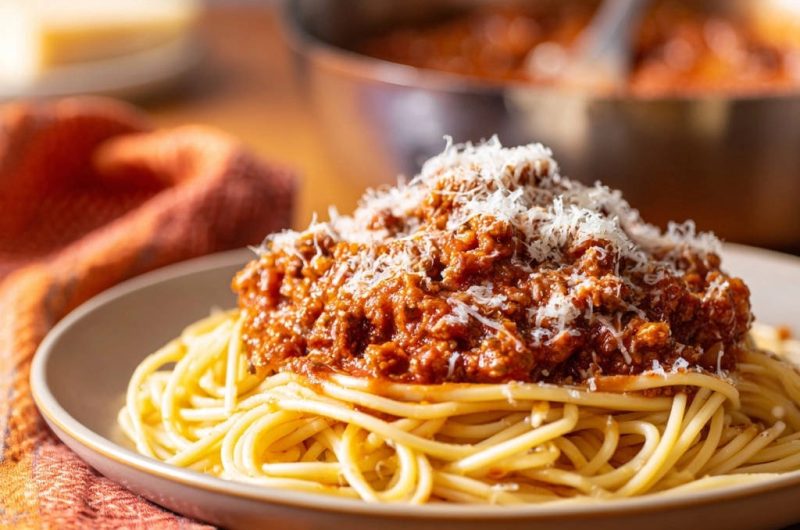
Spaghetti Meat Sauce
Course: Main CourseCuisine: Italian-AmericanDifficulty: easy4
servings15
minutes45
minutes550
kcal60
minutesSay goodbye to dry, un-sauced spaghetti! This recipe reveals a simple yet game-changing trick to make your delicious meat sauce cling perfectly to every noodle. Get ready for a perfectly coated, savory pasta night.
Ingredients
1 pound spaghetti
1 tablespoon olive oil
1 pound lean ground beef
1 medium onion, finely chopped
2 cloves garlic, minced
1 (28 ounce) can crushed tomatoes
1 cup beef broth
1 teaspoon dried Italian seasoning
1/2 teaspoon salt
1/4 teaspoon black pepper
Freshly grated Parmesan cheese, for serving
Directions
- Cook spaghetti according to package directions in a large pot of generously salted water until al dente. Before draining, reserve about 1 cup of the starchy pasta cooking water. Then drain the spaghetti.
- While the spaghetti cooks, heat the olive oil in a large skillet or Dutch oven over medium heat. Add the ground beef and cook, breaking it up with a spoon, until it is thoroughly browned. Drain off any excess fat. Cook until no pink remains and it reaches 160°F (71°C).
- Add the chopped onion to the skillet with the cooked beef and cook until softened, about 5 minutes, stirring occasionally. Stir in the minced garlic and cook for another minute until fragrant.
- Pour in the crushed tomatoes and beef broth. Stir in the Italian seasoning, salt, and black pepper. Bring the sauce to a gentle simmer, then reduce the heat to low, cover, and let it cook for at least 20 minutes to allow the flavors to deepen, stirring occasionally.
- This is the key step for perfect sauce clinging: Add the drained al dente spaghetti directly into the simmering meat sauce in the skillet. Add about 1/2 cup of the reserved pasta cooking water.
- Using tongs or a large spoon, vigorously toss the spaghetti with the sauce for 1 to 2 minutes. This crucial step allows the starchy pasta water to emulsify with the sauce, creating a thick, luxurious coating that clings to every strand of spaghetti. If the sauce seems too thick, add more pasta water, a tablespoon at a time, until the desired consistency is achieved and the pasta is beautifully coated.
- Serve the spaghetti immediately, topped generously with freshly grated Parmesan cheese.
Notes
- The key step for perfect sauce clinging is tossing the drained spaghetti directly into the simmering sauce with reserved pasta water.