Donut Holes: The Secret to Light & Fluffy Bites
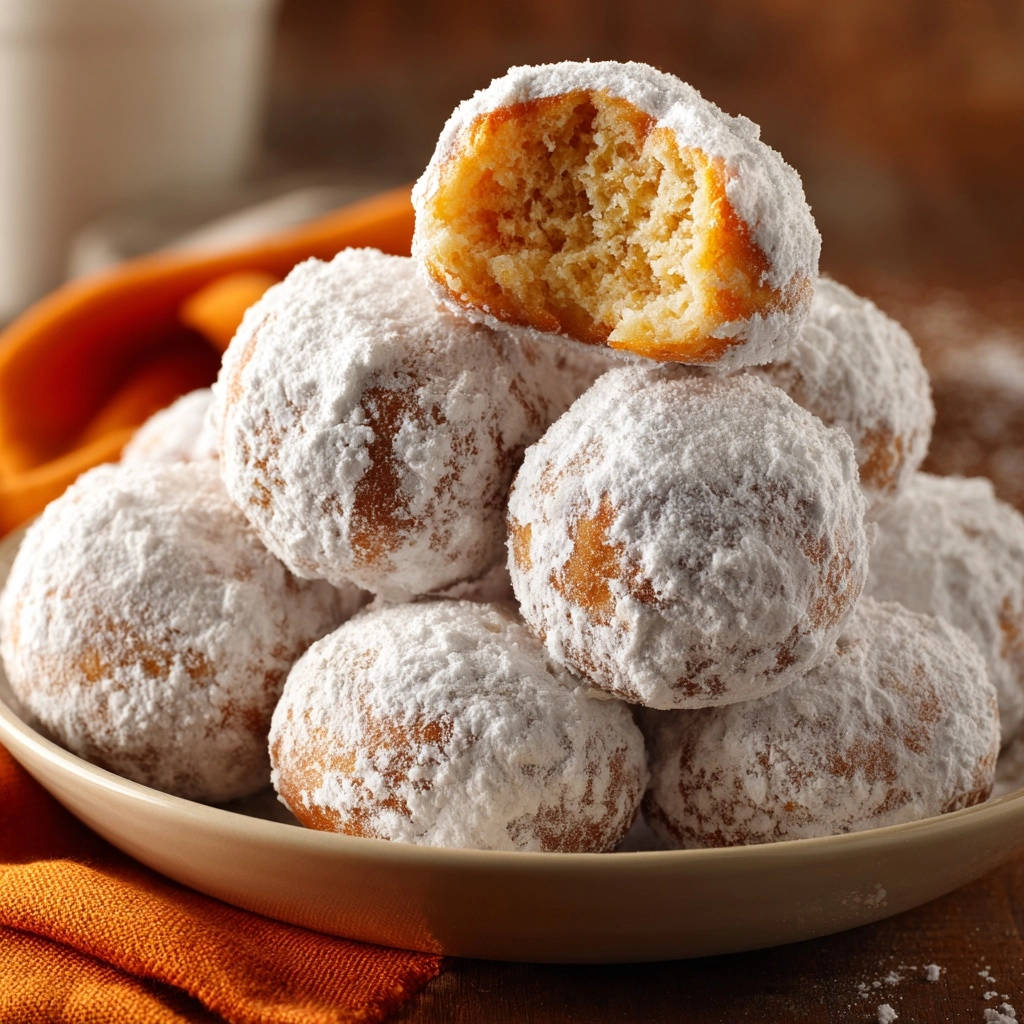
There’s nothing quite like a warm, sugary donut hole, but I vividly remember the frustration of biting into ones that were dense and heavy. For years, achieving perfectly light and airy donut holes felt like a secret reserved for bakeries. Now, I’ve perfected a technique that guarantees irresistible, cloud-like results every single time, and I’m thrilled to share it with you.
Why These Donut Holes Will Become Your New Favorite
This isn’t just another donut hole recipe; it’s a masterclass in achieving that elusive, bakery-quality texture right in your own kitchen. We focus on specific techniques that eliminate the common pitfalls of homemade fried dough, ensuring your donut holes are never disappointingly dense.
You’ll discover how simple it is to create golden-brown bites with an incredibly fluffy interior. The reliability and ease of this recipe mean you can enjoy truly exceptional homemade donut holes whenever the craving strikes.
The Building Blocks: Ingredients for Irresistible Donut Holes
Pantry Staples for the Dough
All-purpose flour provides the essential structure for our donut holes. It’s the foundation for a tender crumb, allowing for gentle gluten development crucial for lightness.
Granulated sugar doesn’t just add sweetness; it also contributes to the dough’s tenderness and helps achieve that beautiful golden-brown crust during frying.
Baking powder is our primary leavening agent, creating those wonderful pockets of air that make the donut holes so fluffy. It’s key to their signature light texture.

A touch of salt is vital for balancing the sweetness and enhancing all the other flavors in the dough, preventing a flat taste.
Liquid Gold: Wet Ingredients Explained
Milk adds moisture and richness to the dough, contributing to a softer texture. Whole milk is recommended for the best flavor and tenderness.
A large egg acts as a binder, bringing all the ingredients together while adding richness and structure. It also contributes to the golden color.
Melted unsalted butter provides incredible flavor and further enhances the tenderness of the donut holes. Ensure it’s cooled slightly before adding to prevent cooking the egg.
Vanilla extract is a simple yet powerful flavor enhancer. Its warm, aromatic notes complement the sweetness beautifully, making these treats even more appealing.
The Frying & Finishing Touch
For frying, a neutral-flavored vegetable oil like canola or sunflower oil is ideal. These oils have a high smoke point, allowing for even cooking without imparting unwanted flavors.
The final flourish of powdered sugar provides a classic, delicate sweetness and a beautiful visual appeal. It adheres perfectly to the warm donut holes, creating an irresistible finish.
If you enjoy this sweet, spiced finish, try the same approach with a classic carrot layer cake.
Gearing Up: Essential Tools for Donut Hole Success
Having the right equipment makes all the difference in achieving perfect donut holes. These tools ensure safety, precision, and consistent results.
Large Heavy-Bottomed Pot or Dutch Oven: This is crucial for maintaining a stable oil temperature, which is key to evenly cooked donut holes. Its thick bottom distributes heat effectively.
Candy Thermometer: Absolutely non-negotiable for accurate oil temperature monitoring. This prevents greasy, undercooked, or burnt donut holes by keeping the oil precisely at 350°F (175°C).
Small Cookie Scoop or Two Spoons: Essential for portioning the dough uniformly. Consistent size ensures all your donut holes cook at the same rate for perfect results.
Slotted Spoon or Spider: Used for safely dropping dough into the hot oil and carefully retrieving the cooked donut holes. Its design allows excess oil to drain away quickly.
Plate Lined with Paper Towels: This simple setup is vital for draining any residual oil from the freshly fried donut holes, preventing them from becoming greasy.
Your Path to Perfect Donut Holes: Step-by-Step Guide
- Combine Dry Ingredients:
In a spacious bowl, thoroughly whisk together your all-purpose flour, granulated sugar, baking powder, and salt. This step ensures all leavening and flavoring agents are evenly distributed, leading to uniform fluffiness.
- Whisk Wet Ingredients:
In a separate medium bowl, whisk the milk, egg, slightly cooled melted butter, and vanilla extract until completely smooth. Make sure there are no streaks of egg, as this ensures even moisture throughout the dough.
- Gently Mix Wet into Dry: The “No Overmix” Secret:
Pour the whisked wet ingredients into the dry mixture. With a spoon or spatula, stir gently just until combined. A few lumps are perfectly fine and are actually desirable; they indicate you haven’t overmixed.
It’s crucial not to overmix the dough because developing too much gluten will lead to tough, dense donut holes, exactly what we want to avoid for that light, tender texture.
- Heat the Frying Oil to Perfection:
Fill a large heavy-bottomed pot or Dutch oven with vegetable oil to a depth of about 2-3 inches. Heat it over medium heat, meticulously monitoring with a candy thermometer, until it reaches precisely 350°F (175°C).
Maintaining this accurate temperature is the most critical step to prevent your donut holes from becoming greasy, dense, or having burnt exteriors with raw centers.
- Carefully Drop Donut Holes in Batches:
Using a small cookie scoop or two spoons, gently drop spoonfuls of dough into the hot oil. Work in small batches, adding only 4-6 donut holes at a time to avoid overcrowding the pot.
Overcrowding will significantly drop the oil temperature, leading to greasy donut holes that absorb too much oil instead of frying crisp.
- Fry Until Golden Brown:
Allow the donut holes to fry for 2 to 3 minutes, turning them occasionally with your slotted spoon or spider. Continue until they are evenly golden brown on all sides.
This duration ensures they cook through completely and achieve a beautiful, appealing color.
- Drain Excess Oil:
Once beautifully golden, use the slotted spoon to carefully transfer the cooked donut holes to a plate lined with paper towels. This step allows any excess frying oil to drain off, keeping them light and non-greasy.
- The Sweet Coating: Toss in Powdered Sugar:
While the donut holes are still warm (but not scorching hot), place them in a shallow bowl or plate filled with powdered sugar. Gently toss them until they are thoroughly coated on all sides.
The warmth helps the powdered sugar adhere perfectly, ensuring every bite is delightfully sweet. Serve these unbelievably light and airy treats immediately and savor your success!
Unlock the Magic: Expert Tips for Flawless Donut Holes
The Golden Rule: Don’t Overmix!
Overmixing is the most common culprit behind dense, chewy donut holes. When flour and liquid combine, gluten develops, which is great for bread but not for tender donuts. Stir just until the ingredients are incorporated; a few small lumps are perfectly acceptable and even desirable for a light texture.
Precision Frying: Maintaining Optimal Oil Temperature
The oil temperature is paramount for perfect donut holes. Too low, and they’ll absorb excess oil, becoming greasy and heavy. Too high, and the exterior will burn before the inside cooks through. Invest in a good candy thermometer and diligently keep the oil at 350°F (175°C) for consistent, delicious results.
Batch Frying for Best Results
Resist the urge to overcrowd the pot. Frying too many donut holes at once will cause the oil temperature to drop drastically, leading to uneven cooking and greasy textures. Fry in small batches, allowing the oil to recover its temperature between additions, for beautifully crisp and light bites.
Coating While Warm for Maximum Deliciousness
The secret to a perfectly coated donut hole is to toss it in sugar while it’s still warm, but not fresh out of the oil. The residual heat helps the powdered sugar adhere beautifully, creating a delightful, slightly melted coating. This ensures maximum flavor in every bite.
Experiment with Coatings: Beyond Powdered Sugar
While powdered sugar is a classic, don’t hesitate to get creative! A simple mixture of cinnamon and granulated sugar makes a fantastic alternative. For a more decadent finish, consider a simple vanilla glaze, a chocolate drizzle, or even rolling them in finely crushed nuts for added texture. For more sweet bite-sized inspiration, you might enjoy our decadent pumpkin pie truffles!
Common Donut Holes Woes: Quick Fixes & Solutions
Why Are My Donut Holes Dense or Heavy?
The most likely culprits are overmixing the dough, which develops too much gluten, or frying in oil that is too cold. Ensure you mix the dough just until combined and always use a thermometer to maintain the oil at 350°F.
Greasy Donut Holes: What Went Wrong?
Greasy donut holes typically result from oil that isn’t hot enough. If the oil temperature is too low, the dough will absorb the oil rather than cooking quickly and sealing its exterior. Always monitor your oil temperature with a thermometer and avoid overcrowding the pot.
Burnt Outside, Raw Inside?
This is a clear sign that your frying oil is too hot. The high temperature rapidly browns the exterior before the interior has a chance to cook through. Adjust your heat down and use your thermometer to ensure the oil stays consistently at 350°F (175°C).
Enjoying Your Donut Holes: Serving & Storage Tips
Best Ways to Serve Your Homemade Donut Holes
Donut holes are best served warm, fresh from the fryer, and coated in sugar. They’re perfect with a cup of coffee, a tall glass of cold milk, or as a delightful addition to any brunch spread. You can even offer a small side of chocolate sauce or fruit compote for dipping.
For another warm, fried treat straight from the fryer, try these fluffy caramel pecan bites.
Keeping Them Fresh: Storage Guidelines
While best eaten immediately, leftover donut holes can be stored in an airtight container at room temperature for up to 2 days. Their texture will soften slightly, but they will still be delicious.
Can You Make Donut Holes Dough Ahead?
Yes, you can prepare the dough in advance! Mix the dough as directed, then cover the bowl tightly with plastic wrap and refrigerate for up to 24 hours. When ready to fry, allow the dough to sit at room temperature for about 15-20 minutes before proceeding with the frying steps.
Your Donut Holes Questions Answered
What’s the best oil for frying Donut Holes?
A neutral-flavored oil with a high smoke point is best for frying donut holes. Vegetable oil, canola oil, or sunflower oil are excellent choices as they won’t impart any unwanted flavors to your delicious treats.
Can I make the dough for Donut Holes in advance?
Absolutely! You can prepare the dough for these light and fluffy donut holes up to 24 hours ahead of time. Simply cover it tightly and refrigerate, then let it come to room temperature slightly before frying.
Can I bake these Donut Holes instead of frying?
While you can bake some donut recipes, this specific recipe is formulated for frying, which contributes significantly to its signature light and airy texture. Baking would result in a different, more cake-like consistency.
How do I make Donut Holes gluten-free or dairy-free?
For a gluten-free version, use a 1:1 gluten-free all-purpose flour blend, preferably one containing xanthan gum. For dairy-free, substitute the milk with a non-dairy alternative like almond or oat milk, and use a plant-based butter alternative. Results may vary slightly in texture. For more sweet, dough-based breakfast ideas, check out our cinnamon sugar pull-apart rolls!
What’s the best way to reheat Donut Holes?
To refresh leftover donut holes, place them on a baking sheet and warm them in a preheated oven at 300°F (150°C) for 5-7 minutes. An air fryer can also quickly crisp them up at 300°F for 2-3 minutes. Toss in fresh powdered sugar after reheating if desired.
Ready to Create Your Own Donut Holes Masterpiece?
You now have all the tools, tips, and expert guidance needed to master the art of homemade donut holes. Ditch those dense, store-bought disappointments and embrace the joy of creating these perfectly light, fluffy, and utterly irresistible treats yourself. Get ready to impress your family and friends with a truly delightful experience!
What’s Next?
Try these delicious pairings:
- Coconut Dream Muffins: The Secret to Light & Fluffy Bites
- Ultra-Gooey Chocolate Cinnamon Rolls: Your Ultimate Soft & Sweet Treat
Donut Holes
Course: DessertCuisine: AmericanDifficulty: easy24
donut holes15
minutes10
minutes40
kcal30
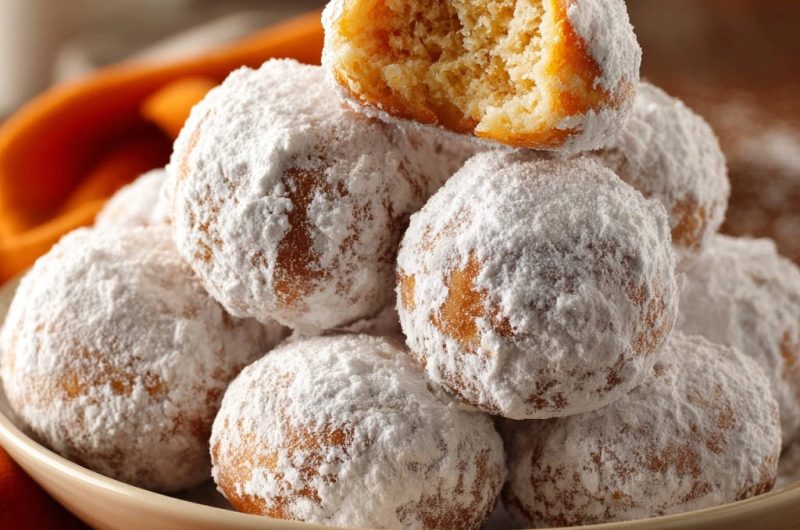
minutesDiscover the simple secret to perfectly light and airy donut holes that are never dense or heavy. This easy recipe promises irresistibly fluffy results every single time, just like your favorite bakery. Enjoy warm, sugary bites!
Ingredients
1 and 1/2 cups all-purpose flour
1/4 cup granulated sugar
2 teaspoons baking powder
1/2 teaspoon salt
1/2 cup milk
1 large egg
2 tablespoons unsalted butter, melted
1 teaspoon vanilla extract
4 cups vegetable oil, for frying
1 cup powdered sugar, for coating
Directions
- In a large bowl, whisk together the flour, granulated sugar, baking powder, and salt.
- In a separate medium bowl, whisk together the milk, egg, melted butter, and vanilla extract until well combined.
- Pour the wet ingredients into the dry ingredients. Stir gently with a spoon or spatula just until combined. It’s crucial not to overmix the dough; a few lumps are perfectly fine and will help ensure a light, tender texture. Overmixing develops too much gluten, leading to tough, dense donut holes.
- Heat the vegetable oil in a large heavy-bottomed pot or Dutch oven over medium heat until it reaches 350°F (175°C). Use a candy thermometer to monitor the temperature accurately. Maintaining this precise temperature is key to preventing greasy, dense donut holes or burnt exteriors with raw centers.
- Using a small cookie scoop or two spoons, carefully drop spoonfuls of dough into the hot oil, working in batches to avoid overcrowding the pot. Do not add too many at once, as this will drop the oil temperature and lead to greasiness.
- Fry for 2 to 3 minutes, turning occasionally with a slotted spoon or spider, until the donut holes are evenly golden brown all over.
- Once cooked, use a slotted spoon to transfer the donut holes to a plate lined with paper towels to drain any excess oil.
- While still warm, place the donut holes in a shallow bowl or plate with powdered sugar and toss gently until they are thoroughly coated. Serve immediately and enjoy the unbelievably light and airy results!
Notes
- Do not overmix dough for a light texture. Maintain oil temperature at 350°F (175°C) for best results.