Fresh Tomato Basil Spaghetti: The Secret to Silky Sauce
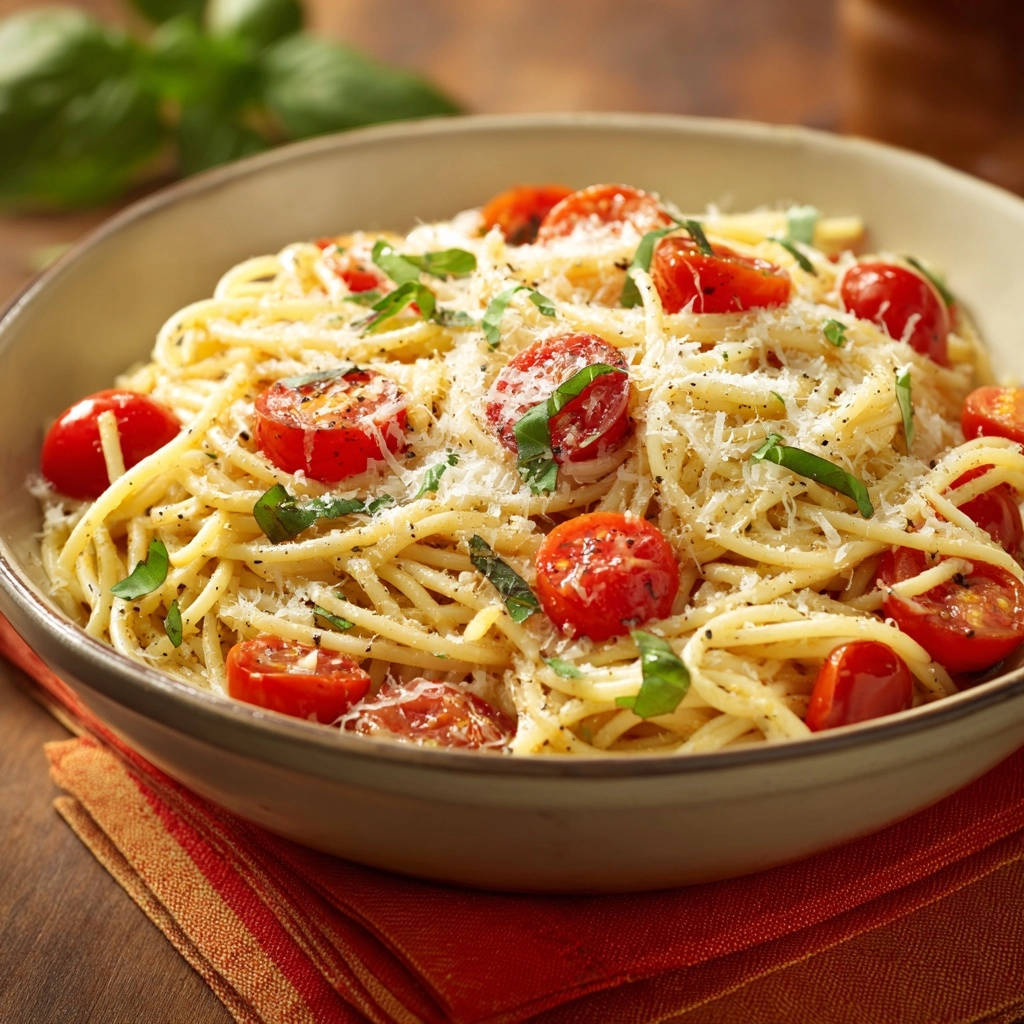
For years, I struggled with delicious pasta dishes that always seemed to have a puddle of watery sauce at the bottom. That all changed when I discovered the simple trick to achieving a perfectly emulsified, clinging sauce for my Fresh Tomato Basil Spaghetti.
This recipe isn’t just easy; it’s a revelation, promising a deeply flavorful pasta experience with a luxurious, non-watery sauce that coats every single strand.
Why This Fresh Tomato Basil Spaghetti Is Your New Go-To
No More Watery Pasta: The Game-Changing Technique
The common frustration of a thin, runny sauce is completely eliminated with this recipe’s brilliant method. By combining starchy pasta water with Parmesan cheese and vigorously tossing, you create a rich, glossy emulsified sauce.
This technique ensures your Fresh Tomato Basil Spaghetti boasts a sauce that lovingly clings to every noodle, elevating your simple spaghetti to a restaurant-quality dish.
Bursting with Fresh, Vibrant Flavors
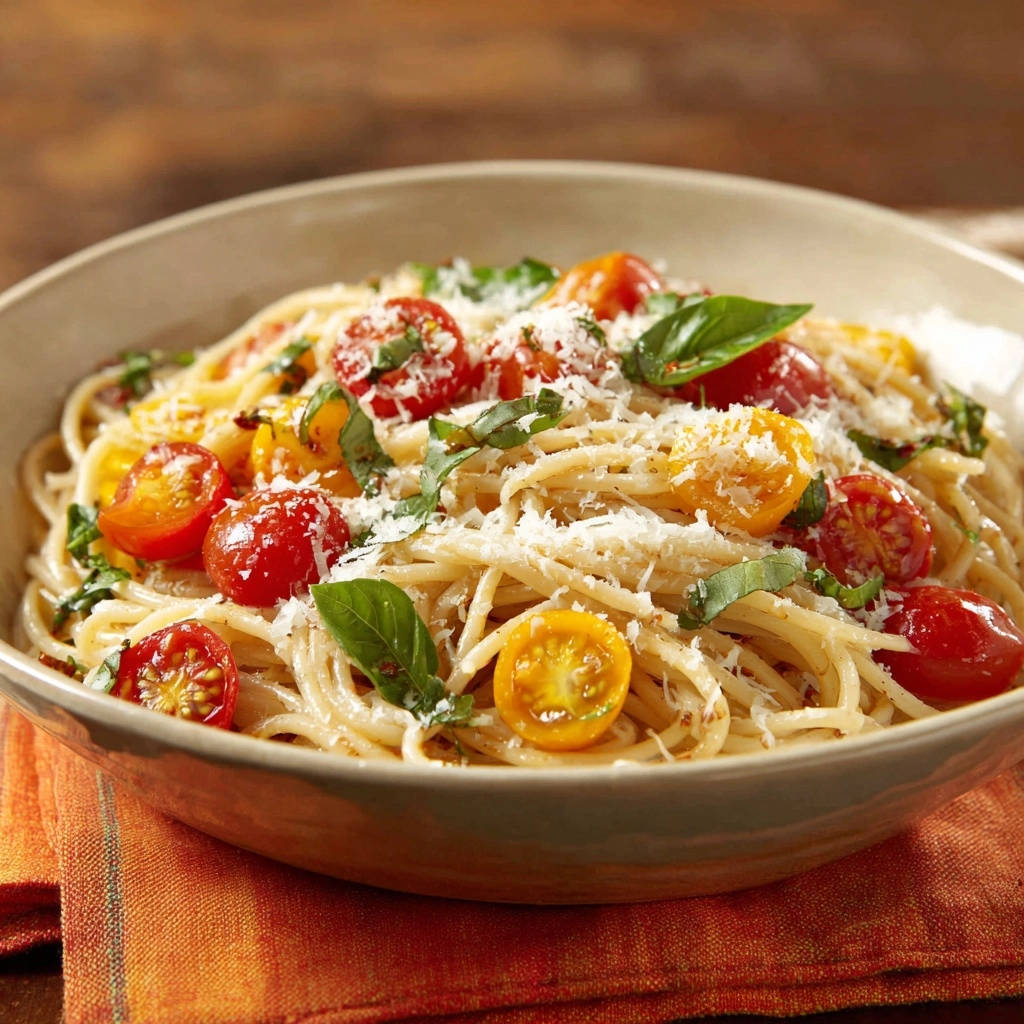
This dish celebrates the natural sweetness of ripe cherry tomatoes and the aromatic punch of fresh basil. The flavors are clean, bright, and incredibly satisfying without being heavy.
It’s the essence of summer on a plate, delivering a fresh and vibrant taste experience that truly sings.
Surprisingly Simple & Quick to Make
Despite its sophisticated results, this Fresh Tomato Basil Spaghetti comes together quickly with minimal fuss. It’s the ideal weeknight meal solution when you crave something incredibly delicious but need it on the table fast.
With just a few simple steps, you can achieve pasta perfection that feels effortless.
The Simple & Fresh Ingredients You’ll Need
The Foundation: Spaghetti
Choose a good quality dried spaghetti made from 100% durum wheat semolina. Cooking it strictly al dente is crucial, as it provides a pleasant bite and prevents mushiness.
The firm texture also interacts better with the sauce, allowing it to cling more effectively.
The Heart of the Sauce: Ripe Cherry Tomatoes
Cherry tomatoes are ideal for their concentrated sweetness and tendency to burst, releasing their flavorful juices into the sauce. Opt for deeply colored, ripe tomatoes for the best flavor.
Their natural acidity balances the richness of the cheese and olive oil beautifully.
Aromatic Essentials: Garlic & Olive Oil
Freshly minced garlic is vital for its pungent aroma and depth of flavor. Be careful not to brown it, as burned garlic can turn bitter and ruin the dish.
A good quality extra virgin olive oil serves as the essential medium, carrying and tying all the fresh flavors together.
The Creamy & Umami Kick: Parmesan Cheese
High-quality grated Parmesan cheese is a non-negotiable ingredient, providing a salty, umami depth and a key component for emulsifying the sauce. Its richness helps create that silky texture.
Always grate your own cheese from a block for the freshest flavor and best melting properties.
Freshness Personified: Basil Leaves
Fresh basil adds a distinct, sweet, and peppery aroma that is characteristic of this Italian classic. For the best flavor and to prevent bruising, gently tear the leaves rather than chopping them.
Adding the basil at the very end ensures its delicate flavor isn’t cooked away.
The Unsung Hero: Starchy Pasta Water
This is the secret ingredient for a perfectly emulsified, non-watery sauce. The starch released from the pasta thickens the sauce and helps the oil and water bind together.
Never drain all your pasta water; reserving some is crucial for achieving that glossy, clinging sauce.
Seasoning: Salt & Black Pepper
Proper seasoning is paramount to enhance all the fresh flavors. Taste as you go, adjusting salt and freshly ground black pepper to your preference.
Remember that Parmesan cheese also contributes significant salinity to the dish.
Essential Tools for Perfect Pasta
Your Go-To Gear: Pot, Skillet, and Tongs
A large pot is essential for cooking spaghetti evenly, allowing the noodles to spread out and preventing them from clumping. A wide, large skillet provides ample surface area for sautéing and, most importantly, for tossing the pasta.
Sturdy kitchen tongs are your best friend for vigorously tossing and emulsifying the sauce, ensuring every strand is perfectly coated.
Crafting Your Fresh Tomato Basil Spaghetti: A Step-by-Step Guide
Prepare the Pasta
Bring a large pot of salted water to a rolling boil. A generous amount of salt should make the water taste like the sea, seasoning the pasta from within.
Add your spaghetti and cook strictly according to package directions until it’s perfectly al dente, meaning it’s firm to the bite but not hard.
Before draining, remember to reserve approximately 1 cup of the starchy pasta cooking water. This liquid is fundamental to the sauce’s texture, so don’t discard it all!
Build the Aromatic Tomato Base
While the pasta cooks, heat 2 tablespoons of olive oil in a large skillet over medium heat. Add the minced garlic and sauté for about 30 seconds until it becomes wonderfully fragrant.
Be vigilant during this stage to prevent the garlic from browning, which can impart a bitter, unpleasant taste to your dish.
Introduce the halved cherry tomatoes to the skillet. Cook them for 5-7 minutes, stirring occasionally, until they visibly soften and begin to burst, releasing their sweet juices into the pan.
The Sauce Transformation: No More Watery Woes!
Drain the cooked spaghetti thoroughly and immediately transfer it directly into the skillet with the softened tomatoes. This ensures the pasta retains some heat to aid in emulsification.
Now for the magic: Add about 1/4 cup of the reserved pasta cooking water and half of the grated Parmesan cheese to the skillet. Using tongs, toss the pasta vigorously, lifting and stirring continuously.
This critical action combines the pasta water’s starch with the cheese and tomato juices, creating a rich, glossy, and beautifully emulsified sauce that clings perfectly to every strand of spaghetti.
If the sauce appears too thick for your preference, gradually add more pasta water, one tablespoon at a time, continuing to toss until you achieve your desired silky consistency.
Finishing Touches and Serving
Remove the skillet from the heat. Gently stir in the fresh basil leaves, along with salt and black pepper, adjusting to your taste preferences.
Serve your Fresh Tomato Basil Spaghetti immediately. Garnish each portion with additional grated Parmesan cheese and a delicate drizzle of high-quality olive oil for extra aroma and flavor.
Unlock Even More Flavor: Pro Tips for Your Spaghetti
Choose Your Tomatoes Wisely
Opt for the ripest, most flavorful cherry or grape tomatoes you can find. Their natural sweetness and acidity are crucial for the sauce’s vibrancy. Out-of-season tomatoes may yield a less impactful flavor profile.
For a perfect pairing, try our Creamy Tomato Farfalle with Clinging Sauce.
Don’t Skimp on the Basil
Fresh basil is non-negotiable for this dish. For best aroma, tear the leaves instead of chopping to prevent bruising, and add them at the very end off the heat to preserve their delicate flavor.
Mastering the Pasta Water Trick
The key to a non-watery, clinging sauce is the starchy pasta water. Don’t be shy about tossing vigorously.
The emulsification happens with friction and temperature, transforming simple ingredients into a gourmet experience.
Season as You Go
Taste the sauce as you build it. Adjust salt and pepper after adding the Parmesan, as the cheese itself contributes salinity.
A final squeeze of fresh lemon juice can also brighten the flavors and add a subtle zesty kick.
Quality Olive Oil Matters
A good quality extra virgin olive oil used for the initial sauté and the final drizzle makes a noticeable difference in the overall richness and aroma of the dish.
It adds a fruity, peppery note that cheap oils cannot replicate.
Elevate Your Meal: Serving & Pairing Suggestions
Ideal Companions for Your Pasta
This vibrant Fresh Tomato Basil Spaghetti pairs beautifully with a variety of simple sides. A crisp green salad dressed with a light vinaigrette offers a refreshing counterpoint to the richness of the pasta.
Don’t forget some crusty artisanal bread to soak up any last delicious traces of the silky sauce – it’s a must-have!
For added protein, consider serving alongside grilled chicken breast or perfectly seared shrimp.
Garnish for Visual & Flavor Impact
Beyond the essential extra Parmesan, consider a few whole basil leaves or finely chopped fresh parsley for a pop of color and additional herbal notes.
A final crack of fresh black pepper or even a tiny drizzle of a high-quality balsamic glaze can add sophisticated layers of flavor and visual appeal, making your simple spaghetti truly shine.
Plan Ahead: Storage and Reheating Tips
Can You Make This Ahead?
This Fresh Tomato Basil Spaghetti is truly at its best when enjoyed immediately after preparation, when the sauce is perfectly emulsified and the basil is fresh.
While you can prep ingredients like mincing garlic and halving tomatoes ahead of time, the final cooking and tossing should be done just before serving to ensure the best texture and flavor.
Storing Leftovers
If you have any leftovers, allow them to cool completely before transferring to an airtight container. Refrigerate for up to 2-3 days.
Be aware that the sauce may not retain its original silky texture as the pasta absorbs more liquid and the cheese solidifies slightly. The fresh basil will also lose some vibrancy.
Reheating for Best Results
To reheat, gently warm the spaghetti in a skillet over low heat, adding a splash of water or vegetable broth to help loosen the sauce and rehydrate the pasta.
Stir frequently until just warmed through. Avoid microwaving if possible, as it can make the pasta rubbery and dry out the sauce.
Common Questions & Quick Fixes
Why is my sauce still watery?
This usually means you either didn’t add enough starchy pasta water, or you didn’t toss vigorously enough to emulsify the sauce. Ensure your pasta water is sufficiently starchy by not rinsing your pasta before cooking.
You can try adding a bit more pasta water and a touch more Parmesan, then toss vigorously over very low heat to try and bring it together and achieve that glossy sauce.
My garlic burned! What happened?
Garlic burns quickly. This happens if your skillet was too hot, or you cooked it for too long. Garlic should only be fragrant, not browned, which happens in about 30 seconds.
If your garlic burns, it will taste bitter. It’s best to discard it and start fresh with new garlic to avoid ruining the dish’s flavor.
The pasta stuck together after draining.
This often occurs if you didn’t use enough water in the pot, didn’t salt the water sufficiently, or didn’t stir the pasta frequently during the initial cooking phase.
Always use a large pot with plenty of water, add a generous amount of salt, and give the pasta a good stir in the first few minutes to prevent sticking.
Your Fresh Tomato Basil Spaghetti Questions Answered
What kind of spaghetti should I use?
Any good quality dried spaghetti will work perfectly. Look for brands that are made with 100% durum wheat semolina for the best texture and flavor.
You can also experiment with whole wheat or gluten-free spaghetti, adjusting cooking times as needed.
Can I use canned tomatoes?
While fresh cherry tomatoes are highly recommended for their vibrant flavor and sweetness in this recipe, you could use a good quality can of diced or crushed tomatoes in a pinch.
However, the overall flavor profile will be less bright and fresh, leaning more towards a rustic, cooked tomato taste.
Is there a dairy-free option for the sauce?
To make this dairy-free, you can omit the Parmesan cheese entirely. The pasta water will still help create a cohesive sauce, though it won’t be as creamy or rich.
Nutritional yeast can be added for a cheesy, umami flavor without dairy, giving a similar depth.
How spicy can I make this?
For a delightful kick, add a pinch or two of red pepper flakes along with the garlic when sautéing the tomatoes. Adjust the amount to your preferred level of heat.
You can always add more at the end if you prefer a spicier finish.
Can I add other vegetables?
Absolutely! Thinly sliced zucchini, spinach, or chopped bell peppers would be delicious additions. This simple spaghetti is very versatile.
Add heartier vegetables like zucchini with the tomatoes, and leafy greens like spinach at the very end to gently wilt into the pasta.
Ready to Experience Pasta Perfection?
Now that you’re armed with the secret to an impeccably silky, never-watery sauce, you’re ready to transform your weeknight meals with this incredible Fresh Tomato Basil Spaghetti.
Dive into the vibrant flavors, enjoy the simple elegance, and prepare to impress yourself and your loved ones with this truly special dish. We can’t wait to see your creations! Share your experience in the comments below or tag us on social media.
Spaghetti
Course: Main CourseCuisine: ItalianDifficulty: easy4
servings15
minutes15
minutes550
kcal30
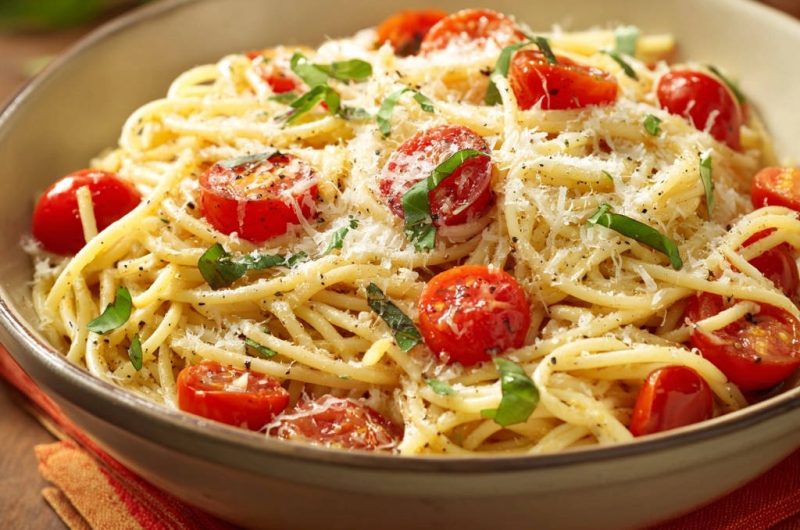
minutesDiscover the secret to a perfectly sauced spaghetti! This recipe guarantees a silky, flavorful pasta dish with a rich sauce that clings to every noodle, no more watery messes. Simple, delicious, and satisfying every time.
Ingredients
1 pound spaghetti
2 tablespoons olive oil, plus more for drizzling
2 cloves garlic, minced
1 pint cherry tomatoes, halved
1/2 cup grated Parmesan cheese, plus more for serving
1/4 cup fresh basil leaves, chopped or torn
Salt and black pepper to taste
1/2 cup pasta cooking water (approximately)
Directions
- Bring a large pot of salted water to a boil. Add the spaghetti and cook according to package directions until al dente. Before draining, reserve about 1 cup of the starchy pasta cooking water.
- While the pasta cooks, heat 2 tablespoons of olive oil in a large skillet over medium heat. Add the minced garlic and cook for about 30 seconds until fragrant, being careful not to brown it.
- Add the halved cherry tomatoes to the skillet. Cook for 5-7 minutes, stirring occasionally, until they begin to soften and burst, releasing their juices.
- Drain the cooked spaghetti and add it directly to the skillet with the tomatoes.
- Here’s the key for a non-watery sauce: Add about 1/4 cup of the reserved pasta cooking water and half of the grated Parmesan cheese to the skillet. Toss vigorously with tongs, stirring and lifting the pasta. The starch from the pasta water combined with the cheese and tomato juices will emulsify, creating a rich, glossy sauce that clings to the spaghetti. If the sauce seems too thick, add more pasta water, a tablespoon at a time, until it reaches your desired consistency.
- Remove the skillet from the heat. Stir in the fresh basil, salt, and black pepper to taste.
- Serve immediately, garnished with additional grated Parmesan cheese and a drizzle of olive oil.
Notes
- Key tip for non-watery sauce: Use reserved pasta water and Parmesan to emulsify a rich, glossy sauce.