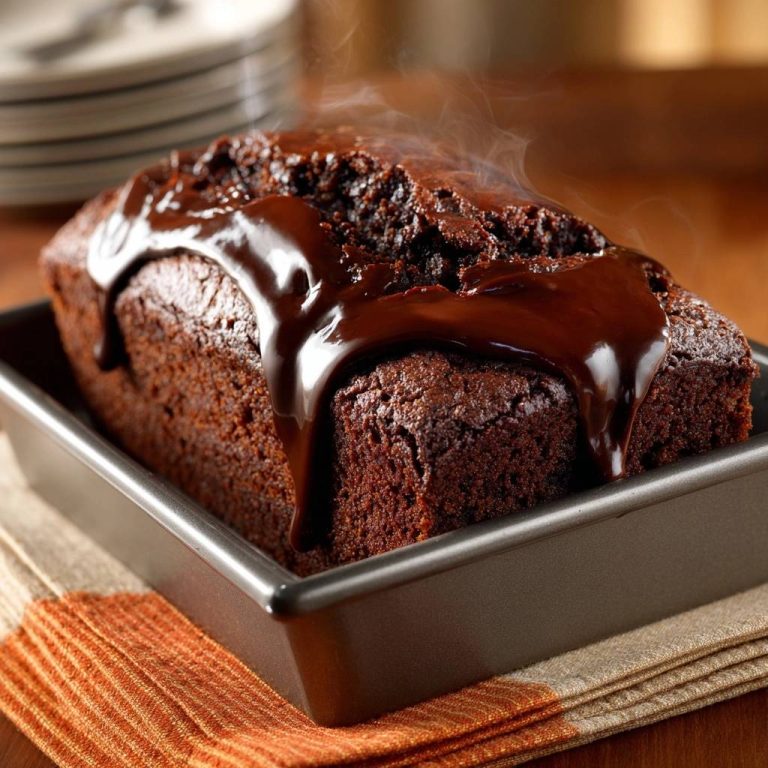
Frosted Chocolate Walnut Cake: Foolproof Moist Recipe
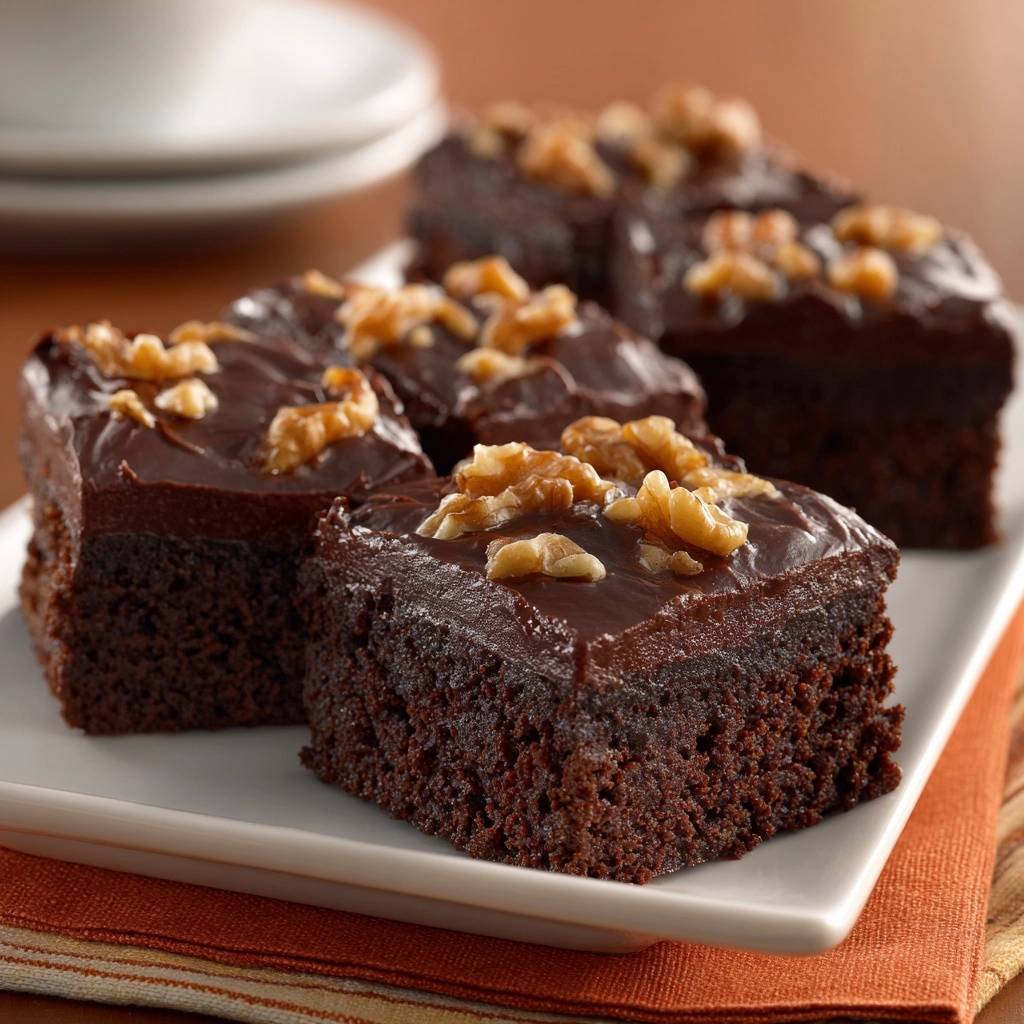
Ever bitten into a chocolate cake that crumbles like sawdust? You know the drill: all that hype, then disappointment on the first forkful. But this frosted chocolate walnut cake flips the script. Dinner’s not even on the table yet, and you’ve got a fudgy, moist masterpiece ready in under an hour from start to finish.
Here’s why it works every time. The boiling water bloom technique creates steam pockets that trap moisture deep in the crumb. No more dry edges or dense middles. You’ll get that tender, rich texture that stays fudgy for days.
The real secret? Pour that boiling water slowly into the batter. It blooms the cocoa for intense flavor and gelatinizes the starches just right. Trust me, one taste and you’ll never go back to box mixes. This yields 12-15 servings, with 20 minutes prep and 35 minutes bake time. Oh man, the first slice melts in your mouth!
Why Boiling Water Transforms Frosted Chocolate Walnut Cake
Boiling water doesn’t just mix in; it revolutionizes the cake. First, it blooms the cocoa, releasing volatile compounds for deeper chocolate taste. In addition, the heat gelatinizes starches, creating a structure that holds moisture tight. Cold water methods? They leave you with flat flavor and dry results.
Picture the batter: thin and pourable at first, but in the oven, steam pockets expand. Therefore, you end up with a fudgy crumb instead of a tough one. This simple step beats traditional recipes hands down.
Cocoa Blooming for Intense Flavor Depth
Hot water at 212°F unlocks cocoa’s aromas that cold liquids miss. Bloomed cocoa tastes richer, more complex. However, skip it, and your cake stays muted. Always use unsweetened cocoa here; it reacts perfectly with the leaveners.
Steam Pockets Ensuring Fudgy Texture
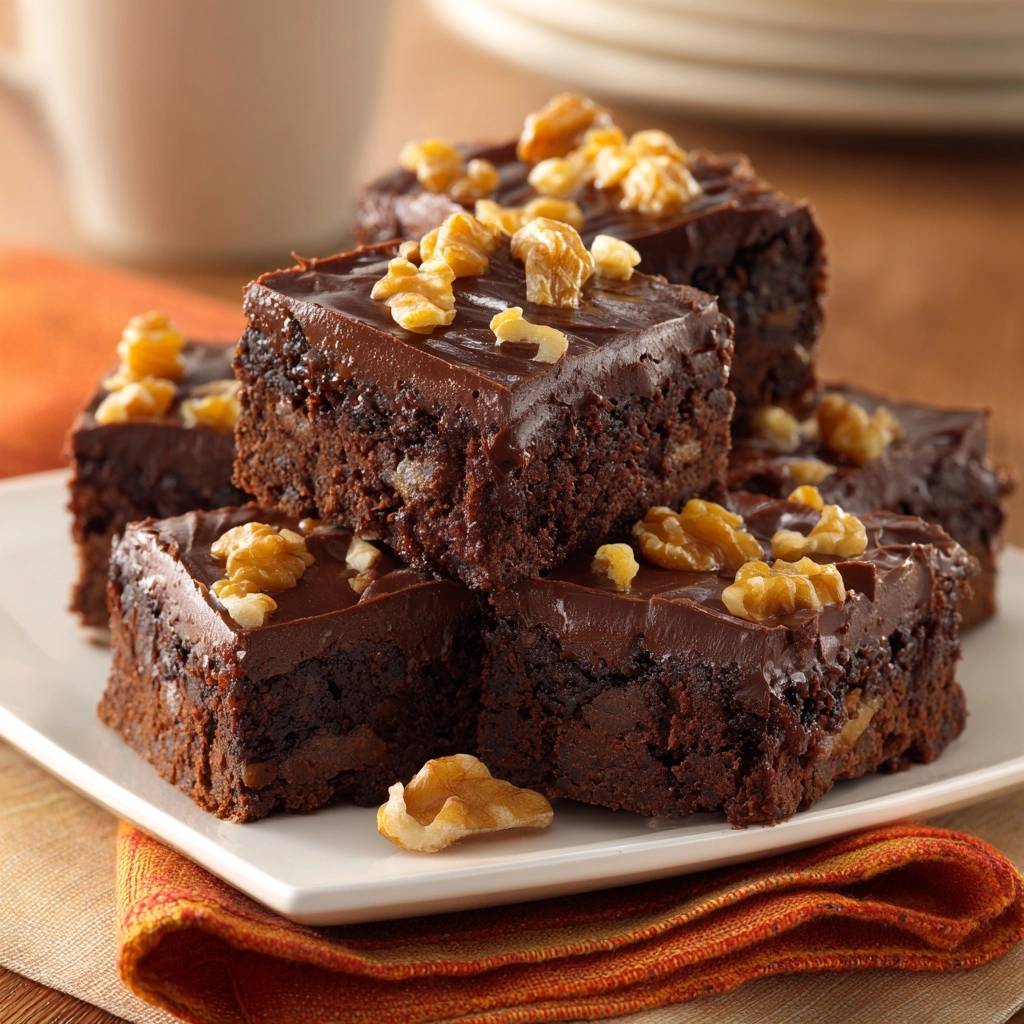
The thin batter turns to vapor in the heat, forming tiny steam pockets. These keep the crumb tender as it bakes. Don’t panic at the pourable consistency; it’s your ticket to moisture that lasts.
Essential Ingredients for Moist Frosted Chocolate Walnut Cake
Every ingredient pulls its weight. Whole milk adds fat for tenderness, while vegetable oil locks in moisture better than butter. In addition, the 2 cups flour balances structure without toughness. Fresh walnuts bring crunch and omega-3s for that satisfying bite.
Quality cocoa matters most; cheap stuff lacks depth. Therefore, opt for natural unsweetened. Eggs at room temp emulsify smoothly, preventing curds. These choices guarantee fudgy results.
Dry Base: Flour, Sugar, Cocoa Balance
Two cups flour and sugar create tenderness; sugar also tenderizes gluten. Cocoa’s acidity activates baking soda for lift. Stick to unsweetened over Dutch-processed for proper rise.
Wet Binders: Eggs, Milk, Oil Mechanics
Room-temp eggs whip air for lightness and emulsify fats. Oil stays liquid, keeping crumbs moist. Whole milk’s fat content binds everything without watering down flavor.
Walnut Topping and Frosting Components
Chopped walnuts add texture contrast; toast them lightly for extra nuttiness. Frosting’s cocoa-to-sugar ratio yields fudgy spreadability. Press nuts right after frosting to stick.
Step-by-Step: Building Your Frosted Chocolate Walnut Cake
Follow these phases, and you’ll nail it. Each step ties back to moisture retention. Pro tip: grease pans with oil and flour for foolproof release.
Prep and Dry Mix Foundation
Preheat to 350°F; this temp evenly activates leaveners without drying. Grease your 9×13 pan thoroughly. Whisk dry ingredients 30 seconds; even distribution prevents hot spots. Avoid overmixing to dodge tough gluten.
Wet Incorporation and Boiling Water Bloom
Beat in eggs, milk, oil, and vanilla for 2 minutes; batter aerates nicely. Slowly pour boiling water while stirring; it thins out but blooms cocoa beautifully. Look for a smooth, ribbon-like flow off the spoon.
Baking to Moist Crumb Perfection
Pour evenly into the pan. Bake 30-35 minutes; toothpick should show moist crumbs, not batter. Cool in pan; steam reabsorbs for extra fudginess. Rotate halfway if your oven runs hot.
Frosting and Walnut Application
Melt butter low and slow to avoid seizing. Alternate powdered sugar and milk for silky texture. Frost cooled cake fully, then press on walnuts immediately. They’ll adhere without sinking.
Science of Cocoa Bloom in Frosted Chocolate Walnut Cake
This method amps Maillard reactions for better browning and flavor precursors. The cocoa’s low pH pairs with baking soda for CO2 lift, while powder gives double action. Experiments show 212°F water maximizes bloom without curdling.
Therefore, hydration stays high in the thin batter, preventing staling. Traditional thick batters dry out faster. Nail the soda-to-powder ratio, and rise is perfect every time.
Leavener Reactions with Acidic Cocoa
Baking soda neutralizes cocoa acids, releasing CO2 fast. Powder reacts twice: once in batter, once in heat. Imbalance leads to flat cake; measure precisely.
Moisture Retention from Thin Batter
High liquid ratio hydrates starches fully, mimicking pro bakery results. Post-bake, it resists drying for days. Thicker batters trap less steam, so stay thin.
Avoiding Pitfalls in Frosted Chocolate Walnut Cake
Overbaking dries edges; check at 30 minutes. Cold ingredients curdle batter, so warm them first. Skipping bloom flattens taste. At altitude, reduce leaveners by 25%.
Visual fix: if batter lumps, whisk vigorously. Almond milk works but cuts fat slightly. These tweaks keep it foolproof.
Overmixing and Gluten Development
Tough cake means too much whisking; stop at smooth. Mix dry separately, fold wet gently. Keeps crumb tender.
Frosting Too Thick or Grainy
Sift sugar first, use room-temp milk. Beat steadily for gloss. Fixes lumps fast.
Flavor Twists on Frosted Chocolate Walnut Cake
Swap walnuts for pecans or add chips to batter for bursts. Keep the bloom intact for moisture. Vegan? Use aquafaba for eggs and plant milk.
Espresso powder in the water amps chocolate without overpowering. Cinnamon in dry mix adds warmth. These keep the fudgy core perfect.
Nut Swaps and Add-Ins
Pecans mimic walnuts’ richness; hazelnuts bring earthiness. Fold in chips post-bloom for melty pockets. Boosts without drying.
Boozy or Spice Infusions
Coffee in bloom deepens flavor. Cinnamon or extracts spice it up. Stays moist and versatile.
Storage and Make-Ahead for Frosted Chocolate Walnut Cake
Store covered at room temp up to 3 days; it stays fudgy. Fridge works for 5 days in airtight wrap. Freeze unfrosted cake for 2 months.
Thaw overnight, then frost fresh. Frosting holds well but softens in fridge.
Freezing Unfrosted Layers
Cool fully, double-wrap in plastic and foil. Thaw wrapped at room temp. Prevents freezer burn.
Repurposing Leftovers
Crumble into trifle with whipped cream. Or form cake pops, chill, and dip. Zero waste.
Pairing Sides with Frosted Chocolate Walnut Cake
Black coffee cuts the richness perfectly. Fresh berries add tart pop. Vanilla ice cream melts into fudgy bliss. Seasonal peaches work great too.
For a perfect pairing, try our Red Velvet Cinnamon Rolls with Tangzhong for Fluffy Texture.
Frosted Chocolate Walnut Cake Troubleshooting
Why is the batter so thin?
That’s intentional; boiling water creates high hydration for steam pockets and moist crumb. It bakes up fudgy, not dense. Stir slowly to avoid lumps, and trust the thin pour.
Why did my cake sink in the middle?
Oven door peeks deflate rising steam. Check temp with thermometer; avoid drafts. Test doneness early at 30 minutes for perfect lift every time.
Why did my frosting seize or separate?
High heat on butter causes it. Melt low over medium-low, stir constantly. If it happens, cool slightly and beat in milk gradually for smooth recovery.
Why is my cake too dense?
Old leaveners lose power; test by bubbling in vinegar. Use fresh baking powder and soda. Room-temp wets also help aeration during beating.
Why are my walnuts soggy?
Sprinkled too early or cake not fully cooled. Frost completely, then press nuts on right away. They’ll stay crisp for days.
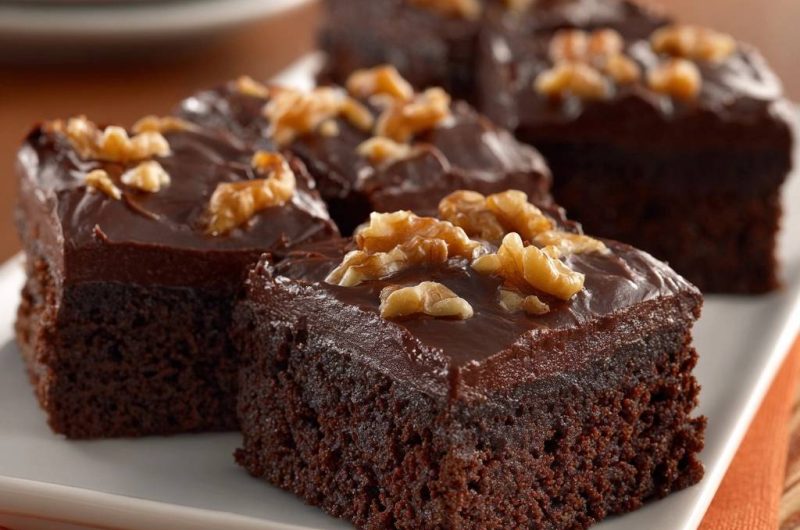
Chocolate Walnut Cake
Course: DessertCuisine: AmericanDifficulty: easy12
servings20
minutes35
minutes450
kcal55
MinutesTired of dry chocolate cake? This recipe uses boiling water to bloom the cocoa for unbeatable moisture and fudgy texture. Topped with rich chocolate frosting and walnuts.
Ingredients
2 cups all-purpose flour
2 cups granulated sugar
3/4 cup unsweetened cocoa powder
2 teaspoons baking powder
1 1/2 teaspoons baking soda
1 teaspoon salt
2 large eggs
1 cup whole milk
1/2 cup vegetable oil
2 teaspoons vanilla extract
1 cup boiling water
1/2 cup chopped walnuts, for topping
For the frosting:
1/2 cup unsalted butter
2/3 cup unsweetened cocoa powder
3 cups powdered sugar
1/3 cup whole milk
1 teaspoon vanilla extract
Directions
- Preheat oven to 350 degrees F. Grease a 9×13-inch baking pan.
- In a large bowl, whisk together flour, sugar, cocoa, baking powder, baking soda, and salt.
- Add eggs, milk, oil, and vanilla. Beat on medium speed for 2 minutes until smooth.
- Here is the key to no more dry cake: Slowly pour in the boiling water while stirring. The hot water blooms the cocoa for deep flavor and creates steam pockets that guarantee a moist, tender crumb that stays fudgy for days. Batter will be thin; do not worry.
- Pour batter into prepared pan. Bake 30 to 35 minutes, until a toothpick inserted in center comes out with moist crumbs. Cool completely in pan.
- For frosting: Melt butter in a saucepan. Stir in cocoa until smooth. Alternately add powdered sugar and milk, beating to spreading consistency. Stir in vanilla.
- Spread frosting over cooled cake. Immediately sprinkle walnuts on top and gently press to adhere. Cut into squares and serve. Store covered at room temperature.
Notes
- The batter will be thin after adding boiling water – this is normal and key to the moist crumb. Cake stays fudgy for days when stored covered at room temperature.