Gingerbread Bundt Cake with Lemon Glaze
Deep molasses flavor, warm spices, and a thick lemon glaze make this gingerbread Bundt cake a cozy dessert with a moist crumb and bright citrus finish.
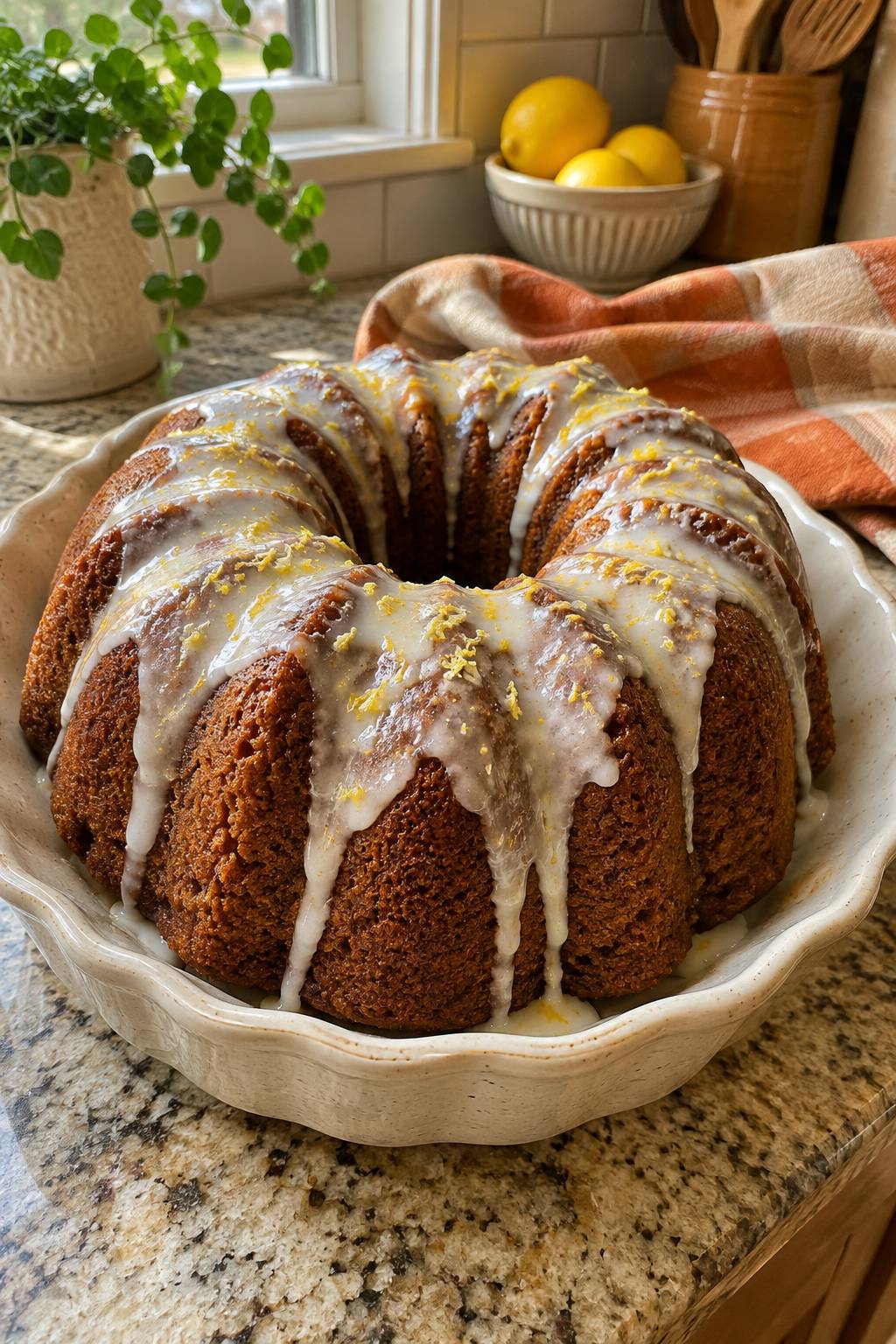
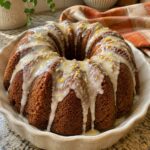
This gingerbread Bundt cake has the deep brown color and warm spice flavor you expect from a cozy holiday dessert, with a lemon glaze that brightens every bite. Molasses and dark brown sugar give the cake its rich character, while ginger, cinnamon, cloves, and nutmeg bring familiar gingerbread warmth.
The crumb is moist and close-textured, and the Bundt shape gives the thick glaze ridges to follow. Fresh lemon zest scattered over the top adds a fragrant finish. Paying attention to pan preparation, mixing, and cooling helps you preserve that balance of tender cake and distinct citrus drips.
Molasses and Dark Brown Sugar Build the Flavor
Use the unsulphured molasses specified on the recipe card. Blackstrap has a stronger, more bitter flavor that would change the character of this cake. Dark brown sugar complements the molasses, giving the gingerbread a deep sweetness that holds its own alongside the ground spices.
Ginger leads the spice blend, with cinnamon, cloves, and nutmeg rounding it out. Whisking these into the flour helps distribute them throughout the batter. The lemon glaze adds a bright counterpoint to the rich cake, so you get a clear citrus finish alongside the warm spice flavor.
Give Every Bundt Groove Attention
A decorative Bundt pan needs careful preparation because batter reaches into narrow curves and around the center tube. Spread the greasing butter thoroughly into those spaces, then dust with flour and tap away the excess. Bare patches can leave parts of the cake vulnerable to sticking.
Check the pan capacity against the recipe card before you begin; a smaller pan may overflow. When it is time to unmold, follow the card's cooling guidance and gently loosen cake touching the outer edge or center tube with a thin silicone spatula. That gentle handling helps protect the cake's ridged surface.
Mix Gently and Check the Thickest Part
Start with softened butter and room-temperature eggs and buttermilk, as directed. Beat the butter and brown sugar until fluffy, and scrape the bowl as needed so the mixture stays evenly combined. After the flour mixture enters the bowl, keep the mixer on low and stop when the batter comes together.
A spatula sweep across the bottom of the bowl catches flour the beaters may have missed without requiring extra mixing. For doneness, look for a cake that springs back lightly and check the thickest part with a wooden skewer. A few moist crumbs are fine; wet batter means the cake needs further baking.
Aim for a Slow Ribbon of Lemon Glaze
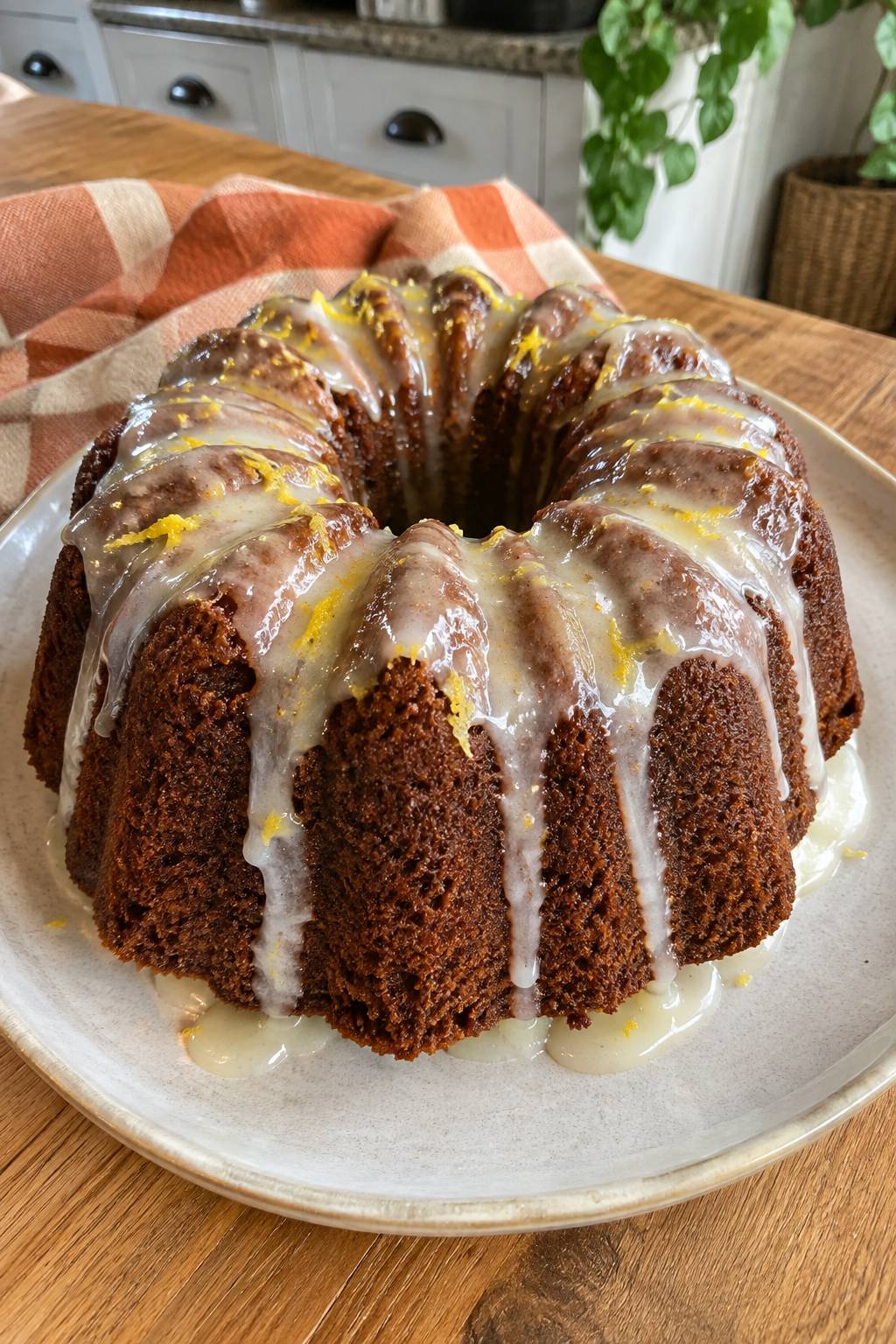
The cake must be completely cool before glazing. Warm cake lets the glaze run too freely, making it harder to achieve the thick, visible drips that define the finish.
Whisk the powdered sugar, fresh lemon juice, and the designated portion of zest until smooth. Use the recipe card's allowance for additional juice cautiously, watching for a slow ribbon from the spoon. Reserve the remaining zest for the top, and let the glaze begin setting before you slice.
Frequently Asked Questions
Can I use blackstrap molasses in this cake?
Use unsulphured molasses as specified. Blackstrap tastes stronger and more bitter, which would shift the flavor away from the intended balance of molasses, dark brown sugar, and warm spices. Check the label before you start mixing.
How can I tell whether the cake is baked through?
Check the thickest part with a wooden skewer and look for a clean skewer or a few moist crumbs. The surface should also spring back lightly when touched. If you find wet batter, continue baking and check again.
Why is my lemon glaze running off the cake?
Check that the cake has cooled completely and that the glaze falls slowly from your spoon. Warm cake or a loose glaze can prevent defined drips. Add the permitted extra lemon juice gradually so you can judge the consistency.
Recipe
Gingerbread Bundt Cake with Lemon Glaze
This deep brown gingerbread Bundt cake combines molasses, brown sugar and warm spices for a moist, close-textured crumb. Thick lemon glaze drips down the ridges, with fresh lemon zest scattered over the top.
- Course
- Dessert
- Cuisine
- American
- Difficulty
- Easy
- Servings
- 12 servings
- Prep time
- 25 mins
- Cook time
- 1 hr
- Total time
- 3 hr 25 mins
- Calories
- 500 kcal
Ingredients
Cake
Lemon Glaze
Instructions
Cake
Heat the oven to 350°F with a rack in the middle. Thoroughly grease a 10-inch, 12-cup Bundt pan with the 1 tbsp butter, reaching every groove and the center tube. Dust with the 1 tbsp flour and tap out the excess.
Whisk the 3 cups flour, ginger, cinnamon, cloves, nutmeg, baking soda, baking powder and salt together in a medium bowl.
In a large bowl, beat the 1 cup softened butter and brown sugar with an electric mixer on medium speed until fluffy, about 3 minutes. Beat in the eggs one at a time, scraping the bowl as needed. Gradually beat in the molasses on low speed.
On low speed, add the flour mixture in three additions, alternating with the buttermilk in two additions, beginning and ending with flour. Mix just until combined, then scrape the bottom of the bowl with a spatula to incorporate any remaining flour.
Spoon the batter evenly into the prepared pan and smooth the top. Bake for 60 minutes, until the cake springs back lightly when touched and a wooden skewer inserted into the thickest part comes out clean or with a few moist crumbs. If wet batter remains, bake a few minutes longer and check again.
Cooling
Cool the cake in the pan on a wire rack for 15 minutes. Gently loosen any cake touching the outer edge or center tube with a thin silicone spatula. Invert onto the rack, lift off the pan and cool for about 90 minutes, until completely cool.
Lemon Glaze
Transfer the cooled cake to a serving platter. Whisk the powdered sugar, 2 tbsp lemon juice and 1 tsp lemon zest until smooth. Add the remaining lemon juice a little at a time as needed for a thick glaze that falls from a spoon in a slow ribbon.
Spoon the glaze over the top of the cake, letting it run down the ridges. Sprinkle with the remaining 1 tsp lemon zest. Let stand for 15 minutes to allow the glaze to begin setting before slicing.
Notes
- Use a Bundt pan with a 12-cup capacity; a smaller pan may overflow.
- Blackstrap molasses has a stronger, more bitter flavor than the unsulphured molasses called for here.
- Glaze the cake only after it has cooled completely so the glaze stays thick enough to form visible drips.
- Store covered at room temperature for up to 3 days. Freeze unglazed slices, tightly wrapped, for up to 2 months.
Recipe: https://naileditrecipes.co/gingerbread-bundt-cake-with-lemon-glaze/