Hearty Classic Lasagna: Perfectly Structured, Every Slice!
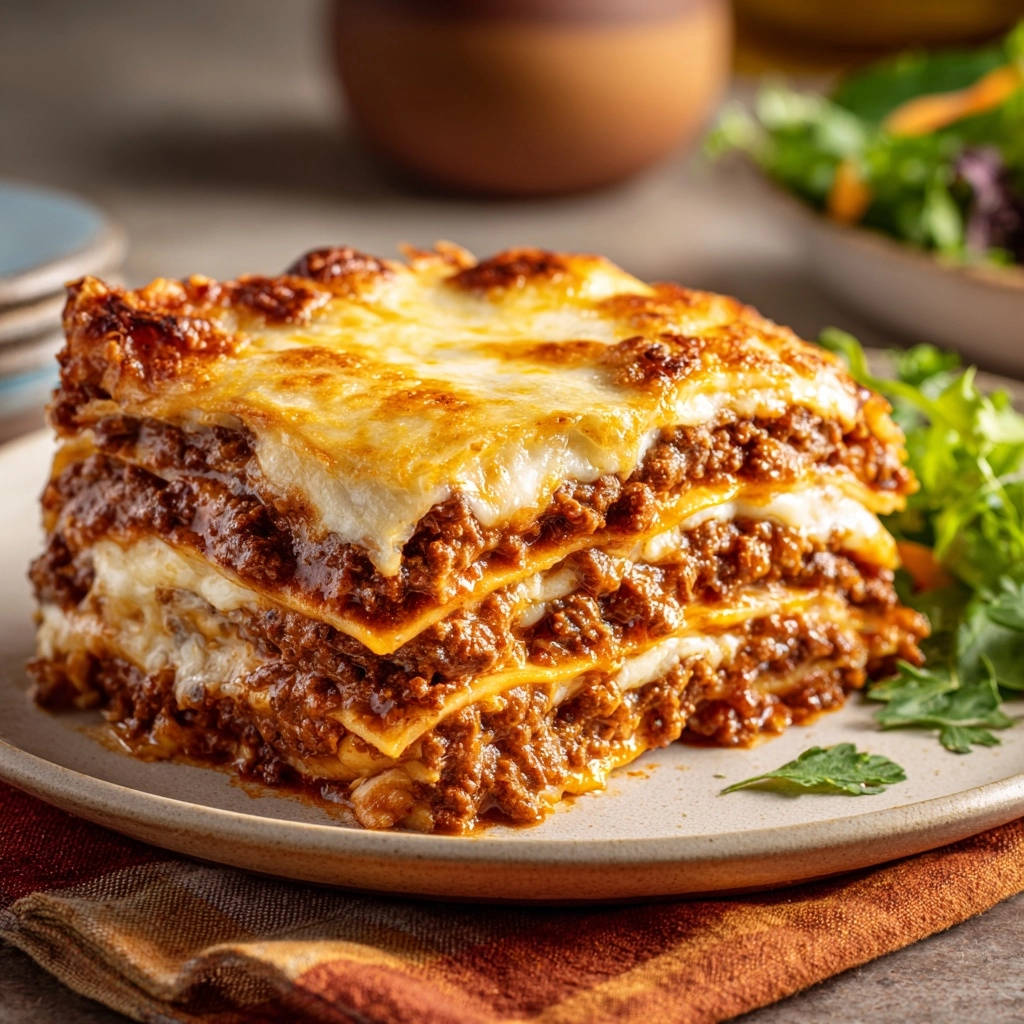
There’s nothing quite like the comforting aroma of a bubbling Hearty Classic Lasagna baking in the oven. For years, I perfected my own version, driven by the frustration of a beautiful lasagna collapsing into a messy pile on the plate. This recipe is the culmination of that journey, offering you the secret to a perfectly structured, sliceable masterpiece every single time.
Why This Hearty Classic Lasagna Recipe Stands Apart
The Secret to No-Fuss, Flawless Slices
This recipe guarantees beautifully structured lasagna that holds its shape, preventing the common “slide” issue. We build in stability from the very start, culminating in a crucial, often-overlooked final step that locks everything into place for clean, elegant servings.
Flavorful Depth: No Watery Lasagna Here!
Say goodbye to bland, watery lasagna. This approach prioritizes rich, concentrated flavors through extended sauce simmering and meticulous ricotta preparation. Every layer contributes to a deeply satisfying, cohesive dish.
A Family Favorite Made Easy and Impressive
This Hearty Classic Lasagna is designed to be both approachable for the home cook and impressive enough for guests. Its reliability and irresistible taste make it a go-to for family dinners and special occasions alike, promising consistent success.
Gathering Your Gustatory Arsenal: Key Ingredients for Hearty Classic Lasagna
The Rich Ragu: Foundation of Flavor
The meat sauce forms the soul of your lasagna. Using lean ground beef ensures a hearty base without excessive grease.
Fresh aromatics like finely chopped onion and minced garlic build incredible flavor depth.
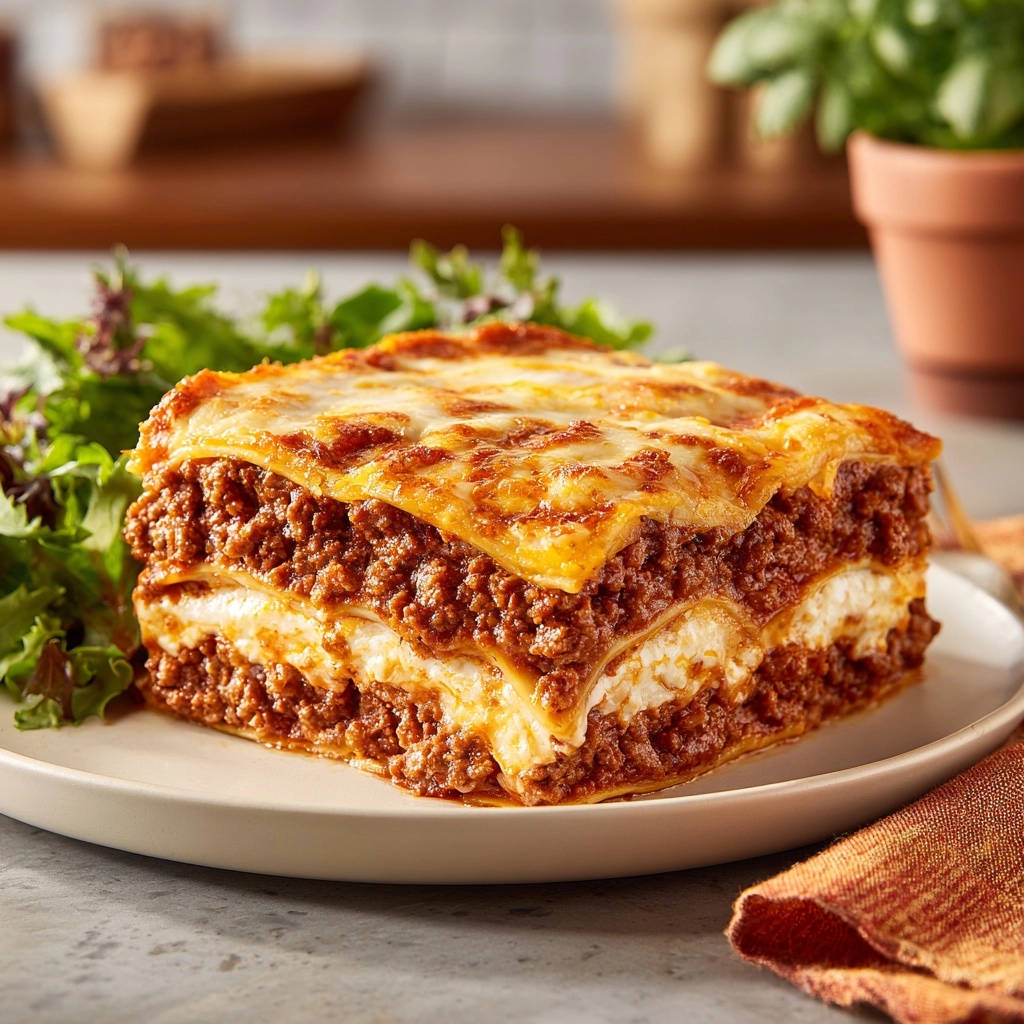
A quality marinara sauce, coupled with Italian seasoning, is essential for that authentic, robust taste.
Creamy Core: Ricotta & Cheese Blends
Well-drained ricotta cheese is paramount for a stable, creamy texture. This prevents your lasagna from becoming watery.
A large egg acts as a binder, helping the ricotta mixture set beautifully.
Grated Parmesan cheese infuses the ricotta with a salty, umami richness.
Shredded mozzarella delivers that iconic, irresistible melt and stretch, creating bubbly golden layers.
Noodle Notes: Oven-Ready vs. Traditional
Oven-ready lasagna noodles offer convenience, saving you a prep step. They hydrate directly in the sauce during baking.
Traditional noodles require pre-cooking to an al dente stage. This ensures they are tender and pliable before assembly.
Essential Equipment for Lasagna Success
Must-Have Kitchen Tools for Layering Perfection
Large Skillet: Essential for browning meat and simmering your flavorful sauce to perfection.
9×13 Inch Baking Dish: This standard size is ideal for this recipe, ensuring even cooking and beautiful layers.
Mixing Bowls: You’ll need separate bowls for preparing the robust meat sauce and the creamy cheese mixture.
Whisk & Spatula: These tools are crucial for thoroughly mixing ingredients and smoothly spreading your layers.
Aluminum Foil: Critical for the initial baking stage to prevent the top from drying out or burning prematurely.
Your Culinary Journey: Step-by-Step Hearty Classic Lasagna
Building the Robust Meat Sauce
- Brown the Beef & Sauté Aromatics:
In a large skillet, heat 1 tablespoon of olive oil over medium heat. Add 1 pound of lean ground beef and cook, breaking it up with a spoon, until it’s fully browned. Drain any excess fat from the skillet.
Next, add 1 medium finely chopped onion to the skillet and cook until it softens, which usually takes about 5 minutes. Stir in 2 cloves of minced garlic and cook for just 1 minute more, until it becomes fragrant.
- Simmer for Depth:
Pour in 24 ounces of marinara sauce and 1/2 cup of water. Stir in 1 teaspoon of Italian seasoning, 1/2 teaspoon of salt, and 1/4 teaspoon of black pepper.
Bring the sauce to a simmer, then reduce the heat to low. Let it cook for at least 20 minutes, stirring occasionally, to allow the flavors to meld and the sauce to thicken slightly. A robust, not-too-thin sauce is key for the structural integrity of your Hearty Classic Lasagna.
Crafting the Velvety Ricotta Mixture
- Combine & Season:
In a medium bowl, combine 15 ounces of well-drained ricotta cheese, 1 large egg, 1/2 cup of grated Parmesan cheese, 1/4 teaspoon of salt, and 1/8 teaspoon of black pepper. Mix all the ingredients thoroughly until they are well combined and smooth.
- The Drainage Difference:
Emphasize that draining the ricotta completely is crucial. This step prevents the lasagna from becoming watery and ensures that it maintains its firm, desirable form when sliced.
Artful Assembly: Layer by Layer
- Noodle Prep (if needed):
If using regular lasagna noodles, cook them according to package directions until they are al dente. Drain them, then rinse with cold water to prevent sticking, and lay them flat on parchment paper or a clean kitchen towel. Oven-ready noodles require no pre-cooking.
- Begin with Sauce:
Spread a thin, even layer of meat sauce on the bottom of a 9×13 inch baking dish. This foundational layer prevents the noodles from sticking and infuses the bottom with rich flavor.
- The First Tier:
Arrange a layer of lasagna noodles over the sauce. Evenly spread half of the ricotta cheese mixture over the noodles. Top this with another generous layer of meat sauce, then sprinkle with about 1/3 of the shredded mozzarella cheese.
- Repeating the Cycle:
Add another layer of noodles. Spread the remaining ricotta mixture evenly over these noodles, followed by more meat sauce, and then another 1/3 of the mozzarella cheese.
- The Grand Finale Layer:
Finish your layering with a final layer of noodles. Spread the last of the meat sauce over these noodles and generously top with the remaining mozzarella cheese for that perfect golden crust.
Baking to Golden Perfection
- Preheat & Cover:
Preheat your oven to 375°F (190°C). Once assembled, cover the baking dish tightly with aluminum foil. Ensure the foil is secure to trap steam.
- Initial Bake:
Place the covered lasagna in the preheated oven and bake for 30 minutes. This initial bake ensures the noodles cook through and the flavors meld.
- Uncover & Finish:
After 30 minutes, carefully remove the aluminum foil. Return the lasagna to the oven and bake for an additional 15-20 minutes, or until the cheese is beautifully bubbly and golden brown on top.
The Critical Rest: Unlocking Lasagna Stability
- The Game-Changing Step:
Once baked, remove your Hearty Classic Lasagna from the oven and let it rest, uncovered, for at least 15-20 minutes before you even think about slicing and serving. This resting period is absolutely critical for structural integrity.
- Why Resting Matters:
This essential downtime allows the hot, melty cheese, sauce, and noodles to cool slightly and set. This process firms up the layers, ensuring that your lasagna holds its shape beautifully and doesn’t fall apart when you cut into it.
- Garnish & Serve:
Optionally, garnish your perfectly stable, delicious lasagna with fresh parsley for a touch of color and freshness. Then, slice into neat, impressive portions and enjoy!
If you enjoy layering ground beef with a rich sauce and fresh greens, try this spinach beef lasagna for another structured, satisfying dinner.
Elevate Your Lasagna: Chef’s Tips & Tricks
Mastering the Meat Sauce
Don’t Skimp on Simmer Time: A longer simmer for your meat sauce, ideally 20-30 minutes, deepens the flavors significantly. This also helps it thicken to a perfect consistency, which is crucial for the structural integrity of your lasagna.
Season Generously: Always taste and adjust seasonings, including salt, pepper, and Italian seasoning, as the sauce simmers. A well-seasoned sauce provides a robust, flavorful base for your Hearty Classic Lasagna.
The Ricotta Drainage Difference
The Easiest Way to Drain: Place your ricotta in a fine-mesh sieve lined with cheesecloth or a coffee filter set over a bowl. Let it drain for at least 30 minutes, or even overnight in the refrigerator, to remove all excess moisture effectively.
Why It’s Non-Negotiable: Undrained ricotta introduces too much liquid into your lasagna. This excess moisture inevitably leads to a soupy, unstable dish that struggles to hold its shape and collapses easily.
Noodle Preparation Pointers
Al Dente is Key for Regular Noodles: If you are pre-cooking regular noodles, slightly undercook them to an al dente stage. They will continue to cook and soften perfectly in the oven, preventing them from becoming mushy.
Prevent Sticking: For regular noodles, rinse them thoroughly with cold water immediately after cooking. Then, lay them flat on parchment paper or a clean kitchen towel to cool and prevent them from clumping together.
Cheese Layering Best Practices
Even Spreading: Ensure an even spread of all cheese layers, especially the ricotta mixture. This guarantees balanced flavor in every bite and contributes to a consistent, stable structure for your lasagna.
The Final Mozzarella: Do not be shy with the top layer of mozzarella cheese. A generous amount creates that irresistible, bubbly, golden-brown crust that everyone loves.
Covering & Uncovering: The Bake Cycle
Why Cover? Covering the lasagna with foil for the initial bake creates a steamy environment. This ensures the noodles cook through evenly and prevents the top layers from drying out or burning before the interior is fully cooked.
The Uncovered Finish: Removing the foil for the final baking stage allows the top cheese to brown beautifully and achieve that desirable golden crispness. It also prevents the lasagna from becoming too soggy.
Troubleshooting Common Lasagna Challenges
“My Lasagna is Too Watery!”
This common issue is often due to insufficiently drained ricotta cheese or a meat sauce that was too thin. Always ensure your ricotta is thoroughly drained, and simmer your sauce longer to achieve a robust, thicker consistency.
If you want to avoid a watery ricotta in your lasagna, the same principle applies when you want to ensure a firm, not mushy, texture in this cheesy baked rotini.
“Why Won’t My Lasagna Hold Its Shape?”
The primary culprit here is almost always failing to implement the critical resting period after baking. Without this rest, the layers haven’t had a chance to set. A too-thin sauce or overly wet cheese layers can also contribute to this problem.
Preventing Dry or Hard Edges
To avoid dry or hard edges, ensure there is sufficient sauce, especially along the perimeter of the pan. Additionally, proper foil coverage during the initial bake is key to locking in moisture and creating an even cook.
My Noodles Are Still Hard After Baking!
If your noodles are hard, first check your oven temperature calibration. For oven-ready noodles, ensure there was enough liquid (sauce) in the recipe to properly hydrate them. If using regular noodles, confirm they were pre-cooked adequately to an al dente stage.
Beyond the Bake: Serving, Storing, & Making Ahead
Presenting Your Masterpiece
For an unforgettable meal, pair your Hearty Classic Lasagna with a crisp, fresh green salad and warm, crusty garlic bread. Remember the importance of allowing it to rest for at least 15-20 minutes before slicing to ensure clean, beautiful portions.
What’s Next?
Try these delicious pairings:
- Crispy Pepperoni & Cheese Bites: The Secret to Never-Soft Perfection
- Crispy Mozzarella Bites: No-Mess, Gooey Perfection!
Keeping Lasagna Fresh: Storage Solutions
Properly store leftover lasagna in the refrigerator within an airtight container for up to 3-4 days. For longer storage, individual slices or larger portions can be wrapped well in plastic wrap and then foil, and frozen for up to 3 months.
Prep Ahead for Stress-Free Meals
You can assemble this lasagna completely in advance. Store the unbaked dish, tightly covered, in the refrigerator for 1-2 days. If freezing, cover tightly with foil and then plastic wrap; thaw in the fridge overnight before baking as directed, possibly adding 10-15 minutes to the covered bake time.
Frequently Asked Questions About Hearty Classic Lasagna
Can I Substitute the Meat in this Hearty Classic Lasagna?
Absolutely! You can easily substitute the ground beef with other meats. Italian sausage (mild or hot), ground turkey, or a combination of beef and sausage all work wonderfully, each lending a slightly different flavor profile to the dish.
Is Oven-Ready Pasta Really Okay for This Recipe?
Yes, oven-ready noodles are perfectly acceptable and convenient for this Hearty Classic Lasagna. The key is to ensure there is ample moisture in your sauce to properly hydrate them during the baking process, and they perform beautifully without sacrificing quality.
How Do I Know My Lasagna is Fully Cooked Through?
You’ll know your lasagna is fully cooked when the sauce is bubbly around the edges and the top cheese is melted, golden brown, and slightly bubbly. You can also carefully insert a knife into the center; if it slides in easily, the noodles are tender.
What’s the Best Way to Reheat Leftover Lasagna?
For individual slices, the microwave works well on a medium setting until heated through. For larger portions, cover the lasagna loosely with foil and reheat in an oven preheated to 350°F (175°C) for 20-30 minutes, or until warmed thoroughly, ensuring it doesn’t dry out.
Your Lasagna Legacy: Share and Savor!
Now that you’re equipped with all the secrets, it’s time to create your own perfectly structured, delectable Hearty Classic Lasagna. Embrace the process, trust the steps, and revel in the joy of serving a dish that truly impresses.
We’d love to hear about your lasagna triumphs! Share your experiences, photos, or any personal twists you add in the comments below. Happy cooking, and may every slice be a testament to your culinary expertise!
Lasagna
Course: Main CourseCuisine: Italian-AmericanDifficulty: medium8
servings40
minutes45
minutes450
kcal120
minutesDiscover the simple secret to a perfectly structured, sliceable lasagna that won’t fall apart on the plate. This hearty classic features layers of rich meat sauce, creamy ricotta, and melted mozzarella, with a crucial resting step for ideal stability.
Ingredients
1 tablespoon olive oil
1 pound lean ground beef
1 medium onion, finely chopped
2 cloves garlic, minced
24 ounces marinara sauce
1/2 cup water
1 teaspoon Italian seasoning
1/2 teaspoon salt
1/4 teaspoon black pepper
12 lasagna noodles (oven-ready or regular, pre-cooked if not oven-ready)
15 ounces ricotta cheese, well-drained
1 large egg
1/2 cup grated Parmesan cheese
2 cups shredded mozzarella cheese
Fresh parsley, for garnish (optional)
Directions
- Heat olive oil in a large skillet over medium heat. Add ground beef and cook until browned, breaking it up with a spoon. Drain any excess fat. Add chopped onion and cook until softened, about 5 minutes. Stir in minced garlic and cook for 1 minute more until fragrant. Cook until no pink remains and it reaches 160°F (71°C).
- Pour in the marinara sauce, water, Italian seasoning, salt, and black pepper. Bring to a simmer, then reduce heat to low and cook for at least 20 minutes, stirring occasionally, allowing the sauce to thicken slightly. A robust, not-too-thin sauce is key for structure.
- While the sauce simmers, prepare the cheese mixture. In a medium bowl, combine the well-drained ricotta cheese, egg, Parmesan cheese, 1/4 teaspoon salt, and 1/8 teaspoon black pepper. Mix thoroughly. Draining the ricotta completely is crucial to prevent your lasagna from becoming watery and losing its form.
- If using regular lasagna noodles, cook them according to package directions until al dente. Drain, rinse with cold water to prevent sticking, and lay flat on parchment paper.
- Preheat your oven to 375°F (190°C).
- To assemble the lasagna: Spread a thin layer of meat sauce on the bottom of a 9×13 inch baking dish. Arrange a layer of lasagna noodles over the sauce. Spread half of the ricotta cheese mixture evenly over the noodles. Top with another generous layer of meat sauce, then sprinkle with about 1/3 of the shredded mozzarella cheese.
- Repeat the layers: noodles, remaining ricotta mixture, meat sauce, and another 1/3 of the mozzarella cheese.
- Add a final layer of noodles, the remaining meat sauce, and top with the last of the mozzarella cheese.
- Cover the baking dish tightly with aluminum foil. Bake for 30 minutes. Remove the foil and bake for an additional 15-20 minutes, or until the cheese is bubbly and golden brown.
- The Game-Changing Step: Once baked, remove the lasagna from the oven and let it rest for at least 15-20 minutes before slicing and serving. This resting period is critical! It allows the hot, melty layers to set and firm up, ensuring that your lasagna holds its shape beautifully and doesn’t fall apart when you cut into it. Garnish with fresh parsley if desired and enjoy your perfectly stable, delicious lasagna!
Notes
- The crucial 15-20 minute resting period after baking ensures a perfectly structured, sliceable lasagna.