Kentucky Butter Cake
Bake a golden Kentucky butter cake with a tender buttermilk crumb and sweet butter glaze, plus helpful tips for preparing the Bundt pan and glazing the cake.
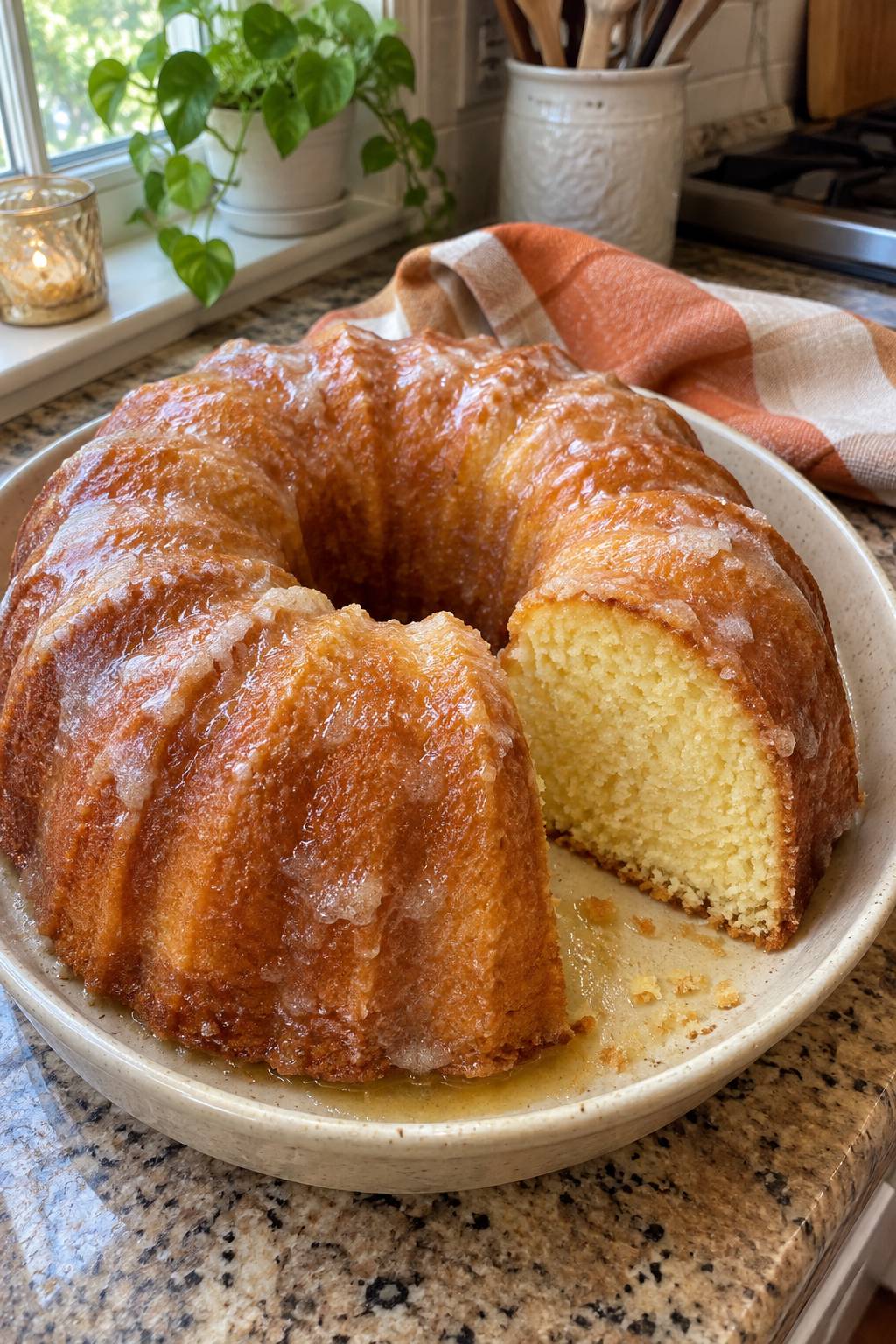
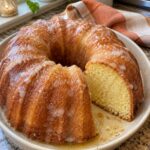
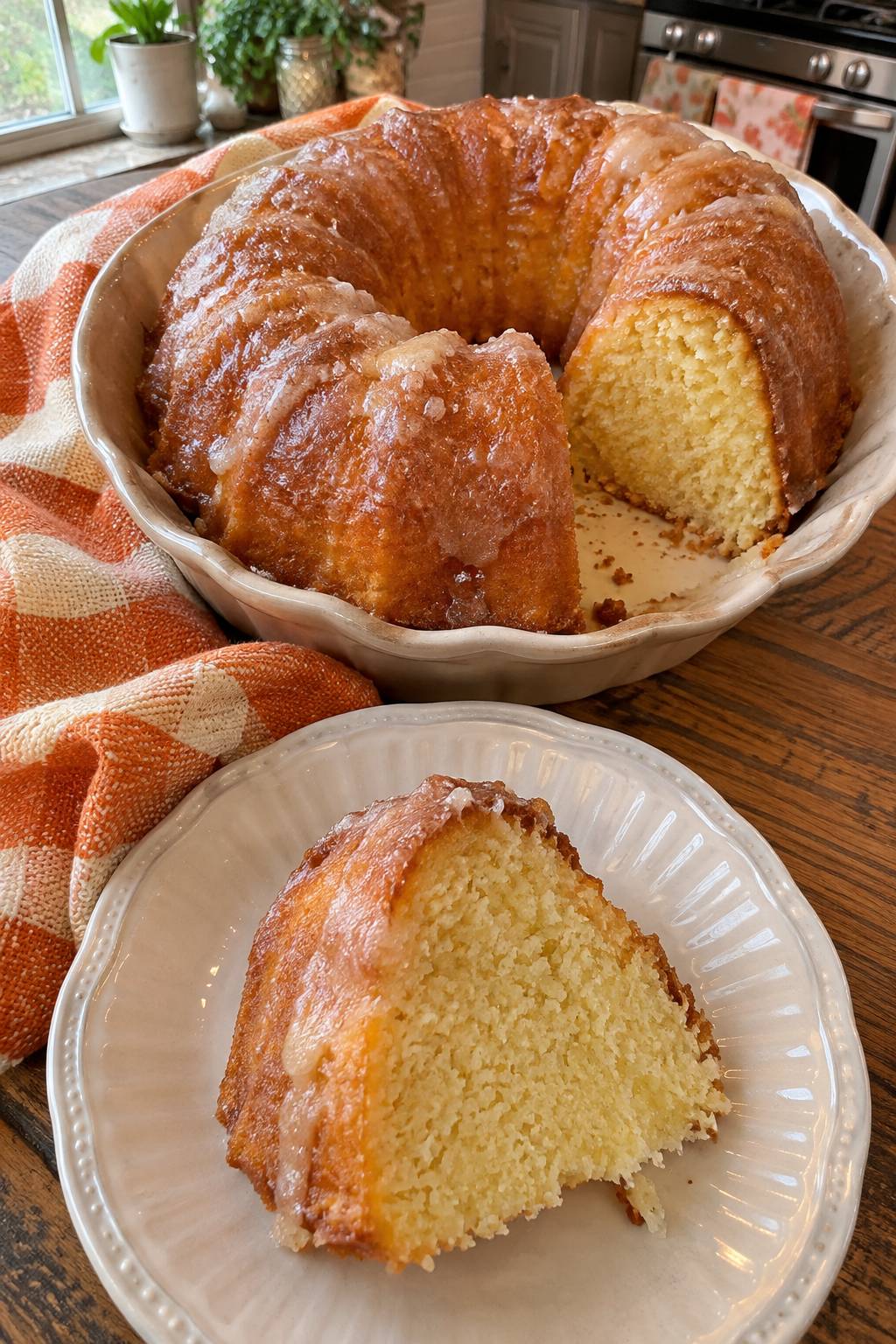
Kentucky butter cake gets its appeal from a simple combination: a golden buttermilk cake, a tender, close crumb, and a sweet butter glaze that soaks beneath the surface. The glaze also lightly coats the Bundt cake’s ridges, giving the outside a finish that complements the soft interior.
You don’t need elaborate decoration to make this cake feel special. Its shape and buttery vanilla flavor do the work. The details that deserve your attention are practical ones: preparing the pan thoroughly, mixing the batter gently, and giving the warm cake a chance to absorb its glaze.
Choose the right vanilla and measure flour gently
Pure ground vanilla bean powder flavors both the cake and the glaze. Check the label so you’re using the ingredient specified on the recipe card. Adding it to the dry ingredients distributes it through the batter, while stirring it into the glaze after removing the saucepan from the heat follows the recipe’s separate glazing method.
All-purpose flour provides the cake’s structure, but how you fill the measuring cup matters. Spoon the flour into the cup and level the top instead of scooping directly from the bag. Packed flour can leave you with more than intended, working against the tender crumb you want.
Give every Bundt groove a protective coating
A detailed Bundt pan gives this cake its attractive ridges, but those same contours need careful preparation. Spread the pan-preparation butter into every groove and around the center tube. Dust with the pan-preparation flour, then tap out the excess so you leave a light coating without loose pockets.
Pay particular attention to narrow creases where batter can catch. Good coverage matters even more here because the cake receives its soaking glaze before you turn it out. After the rest specified on the recipe card, loosen the accessible edges and center tube gently and unmold while the cake is still warm.
Build a tender crumb without overmixing
Start with softened cake butter and room-temperature eggs and buttermilk, as specified. Beat the butter and sugar until pale and fluffy rather than stopping as soon as they look combined. Scraping the bowl as you incorporate the eggs helps you avoid leaving unmixed butter along the sides.
Once the flour mixture and buttermilk enter the bowl, use low speed and stop when they’re incorporated. Alternating the additions, beginning and ending with flour, follows the recipe’s mixing method. For doneness, look for a golden surface and a skewer that comes out clean or with moist crumbs; wet batter means the cake needs further baking.
Let the glaze soak in before finishing the ridges
The glaze should have melted butter and dissolved sugar without reaching a rolling boil. Keep stirring over medium-low heat, then remove the saucepan from the heat before adding the vanilla bean powder. You’re looking for a glaze you can spoon gradually over the warm cake.
Skewer holes help the glaze reach into the crumb. Pouring too quickly can leave it collecting on the exposed surface, so pause as it absorbs. Remember to reserve the portion directed on the recipe card: that glaze is brushed over the ridges after unmolding, completing the cake’s lightly coated exterior.
Frequently Asked Questions
Why did my Kentucky butter cake stick to the pan?
Missed grooves or an uncoated center tube can make release difficult. The sugary glaze can also stick as it cools. Prepare the pan thoroughly, gently loosen accessible edges after the stated rest, and turn out the cake while it’s still warm.
How can I tell whether the center is baked?
Check with a wooden skewer near the center of the cake. It should emerge clean or with a few moist crumbs. If you see wet batter, continue baking and check again according to the recipe card.
Should I glaze the cake before removing it from the pan?
Yes. The warm cake stays in its pan for the soaking glaze, which enters through the skewer holes. Keep the reserved glaze separate so you can brush it over the warm ridges after turning the cake onto a rimmed plate.
Recipe
Kentucky Butter Cake
This golden buttermilk Bundt cake has a tender, close crumb and a sweet butter glaze that soaks into the cake and lightly coats its ridges.
- Course
- Dessert
- Cuisine
- American
- Difficulty
- Easy
- Servings
- 12 servings
- Prep time
- 25 mins
- Cook time
- 1 hr 3 mins
- Total time
- 3 hr 38 mins
- Calories
- 520 kcal
Ingredients
Cake
Pan preparation
Butter glaze
Instructions
Cake
Heat the oven to 325°F with a rack in the center. Thoroughly grease a 12-cup Bundt pan with the pan-preparation butter, including the center tube and every groove. Dust with the pan-preparation flour and tap out the excess.
Beat the cake butter and sugar with an electric mixer on medium speed until pale and fluffy, about 4 minutes. Beat in the eggs one at a time, scraping the bowl as needed.
In a separate bowl, whisk together the cake flour, baking powder, baking soda, salt and vanilla bean powder. With the mixer on low, add the flour mixture in three additions, alternating with the buttermilk in two additions. Begin and end with flour, mixing just until incorporated.
Spread the batter evenly in the prepared pan. Bake for 60 minutes, until golden brown and a wooden skewer inserted near the center comes out clean or with a few moist crumbs. If wet batter remains, bake for an additional 5 minutes and check again.
Butter glaze
Once the cake comes out of the oven, combine the glaze sugar, butter and water in a small saucepan. Cook over medium-low heat, stirring constantly, for 3 minutes, until the butter melts and the sugar dissolves; do not bring to a rolling boil. Remove from the heat and stir in the vanilla bean powder.
Glaze and cool
Leave the warm cake in its pan. Use a thin wooden skewer to poke holes across the exposed surface, reaching about three-quarters of the way into the cake. Reserve 1/4 cup of glaze, then slowly spoon the remaining glaze over the cake, pausing to let it absorb.
Let the glazed cake stand in the pan for 10 minutes. Gently loosen the accessible edges and center tube with a thin flexible spatula, then invert onto a rimmed serving plate. Brush the reserved glaze over the warm cake's ridges. Cool for 2 hours before slicing.
Notes
- Measure the flour by spooning it into measuring cups and leveling the tops; scooping directly from the bag can pack in too much flour.
- Use pure ground vanilla bean powder, not a sweetened vanilla drink powder.
- Unmold after the stated rest while the cake is still warm; the sugary glaze can stick to the pan as it cools.
- Store tightly covered at room temperature for up to 3 days.
Recipe: https://naileditrecipes.co/kentucky-butter-cake/