Lemon Garlic Shrimp Pasta with Tender, Juicy Shrimp
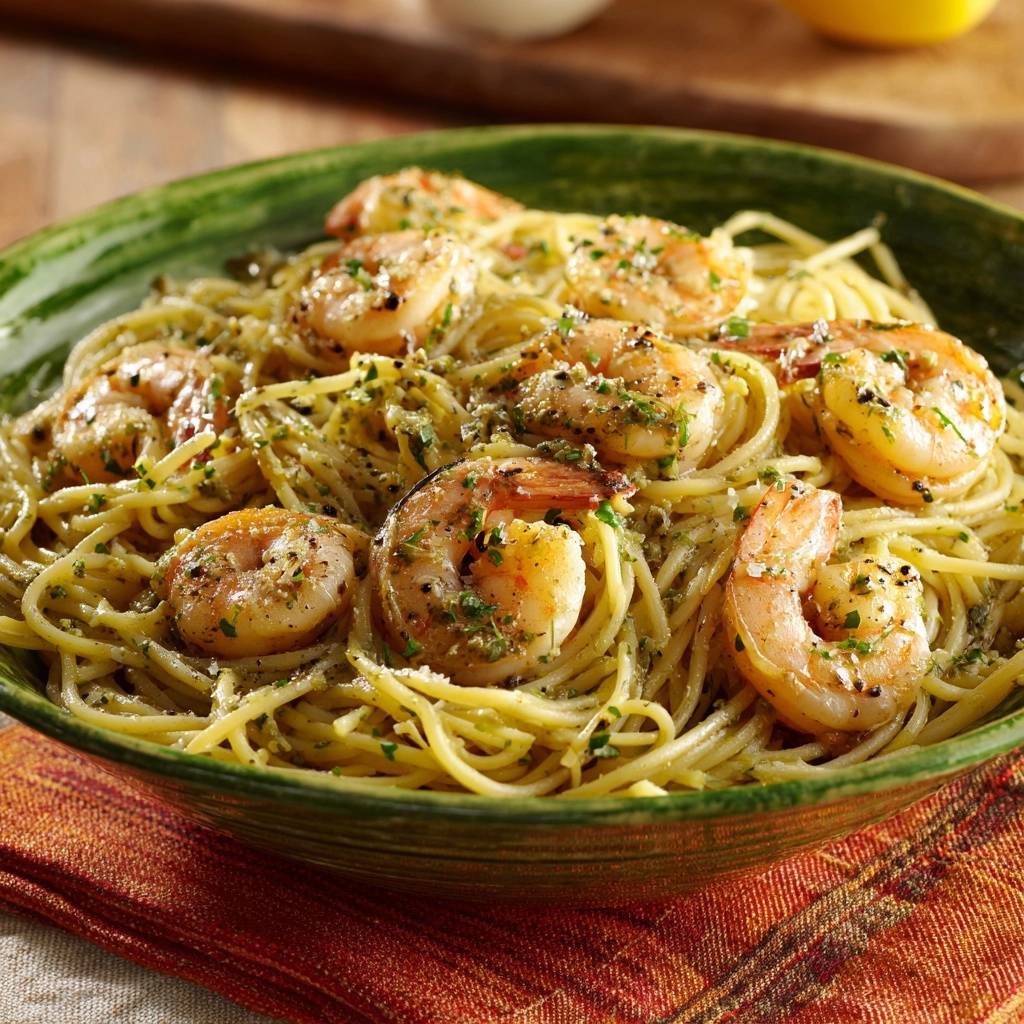
Ever bite into shrimp that’s tough and rubbery, ruining your whole Lemon Garlic Shrimp Pasta? You’re not alone. This recipe fixes that with a quick high-heat sear that locks in juices for plump, tender bites every time. Dinner’s ready in under 20 minutes, faster than takeout, and way better.
So why does this version shine? It nails the balance of bright lemon zing, savory garlic punch, and a glossy sauce that clings to al dente pasta. No more watery disappointments. You control the freshness, saving cash while impressing everyone at the table.
Here’s the expertise kicker: pat those shrimp bone-dry before searing. That simple step triggers the perfect crust, sealing flavors inside. Oh man, the result pops with every forkful.
Key Ingredients for Lemon Garlic Shrimp Pasta
Shrimp Selection and Prep Essentials
Large shrimp, around 16-20 count per pound, cook evenly without shrinking. They’re peeled and deveined for ease. Pat them completely dry with paper towels first. Wet shrimp steam instead of sear, losing up to 20% more moisture and turning rubbery.
Fresh works best, but frozen? Thaw in cold water for 15 minutes, then pat extra dry. Therefore, you avoid that waterlogged texture. This prep ensures juicy results.
Garlic, Lemon, and Butter Foundations
Mince 6 garlic cloves fresh for bold pungency. Pre-minced lacks the allicin kick that blooms when raw. One lemon gives 1-2 teaspoons zest and 2-3 tablespoons juice for bright acid that cuts richness.
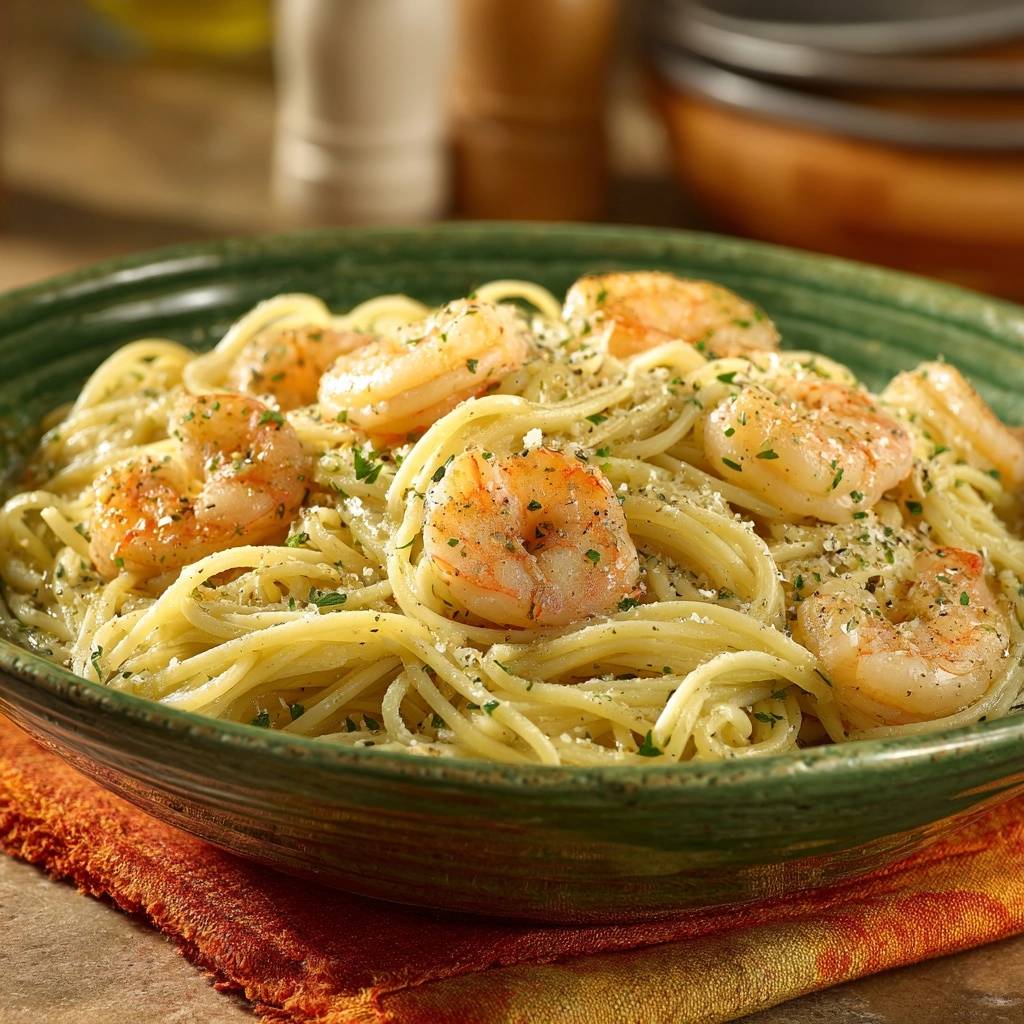
Unsalted butter, 4 tablespoons total, emulsifies smoothly without extra saltiness. In addition, 3 tablespoons olive oil handles high heat without smoking. Together, they build the sauce base.
Pasta, Herbs, and Finishing Touches
8 ounces spaghetti releases just enough starch for sauce cling. Cook it al dente so it absorbs flavors without getting mushy. Reserve 1 cup pasta water; its starch is magic for silkiness.
Chop 1/2 cup fresh parsley for herbaceous lift; dried needs half the amount. Red pepper flakes add subtle heat, Parmesan brings umami, and season with salt and pepper at the end for balance.
Mastering the High-Heat Shrimp Sear Technique
Boiling Pasta to Al Dente Perfection
Bring a large pot of salted water to a rolling boil. Add spaghetti and cook 8-9 minutes until al dente, firm to the bite. Test by tasting; it should have a slight resistance.
Reserve 1 cup cooking water before draining. However, don’t rinse the pasta. That starch helps the sauce emulsify later.
Drying and Seasoning Shrimp for Crisp Sear
Pat 1 pound shrimp completely dry. This promotes the Maillard reaction for golden edges and sealed juices. Season simply with salt and pepper.
If you want to keep those shrimp tender, follow the same technique in this lemon garlic shrimp linguine.
Fit them in a single layer in the skillet. If needed, cook in batches. Therefore, you get even browning.
Heating Oil and Butter to Shimmering Point
Heat 2 tablespoons olive oil and 2 tablespoons butter over medium-high until shimmering and rippling, about 1 minute. This hits 375-400°F for browning, not steaming.
Watch for splatter; use a splatter screen if you have one. Safety first keeps cooking fun.
Searing Shrimp Without Overcooking
Add shrimp in one layer; sear undisturbed 1-2 minutes until edges pink and opaque. Flip and cook 1 more minute to 140°F internal. Remove immediately to a plate.
High heat and short time keep them tender. Low-slow methods squeeze out juices, causing rubberiness. Pro tip: they finish cooking off-heat.
Building the Silky Lemon Garlic Sauce
Sautéing Aromatics on Medium Heat
Lower to medium; add remaining 1 tablespoon oil, 2 tablespoons butter, minced garlic, and 1/2 teaspoon red pepper flakes. Stir constantly 30 seconds until fragrant.
This releases garlic’s allicin without burning, which turns bitter. Smell that sweet aroma? You’re on track.
Emulsifying with Lemon and Pasta Water
Stir in lemon zest, juice, and 1/2 cup reserved pasta water. Simmer 1 minute for a glossy sauce. Pasta water’s lecithin binds butter fats and lemon acid stably.
Add more water if thick. Therefore, you get that perfect silky coat on the pasta.
Coating Pasta and Reheating Shrimp
Toss in drained spaghetti; add water as needed for silkiness. Return shrimp and 1/2 cup parsley; toss 30 seconds to warm and infuse.
Taste and adjust salt, pepper. Serve with 1/4 cup Parmesan on top. Quick and craveable.
Science of Tender Shrimp in Lemon Garlic Shrimp Pasta
Why High-Heat Searing Prevents Rubberiness
Shrimp proteins denature at 140°F, firming nicely. Past 145°F, myosin contracts, squeezing out moisture for toughness. High-heat sear forms a crust that locks juices in.
Poaching or steaming loses 15-25% more water, per studies. Dry pat reduces surface moisture by 80%, boosting browning. Result: plump bites.
Emulsion Chemistry for Glossy Sauce
Butter and oil fats mix with lemon acid uneasily, but pasta water’s starch breaks surface tension for stability. It’s like a vinaigrette that coats pasta perfectly.
Keep temps moderate to avoid separation. If it breaks, whisk in cold pasta water off-heat. Science makes it foolproof.
Avoiding Common Mistakes in Lemon Garlic Shrimp Pasta
Overcrowding the Pan Pitfalls
Don’t pile shrimp; a single layer maintains heat for searing. Crowding drops temp to steaming, yielding pale, watery results.
Batch cook if needed. Therefore, every shrimp gets crisp edges.
Garlic Burning and Sauce Separation Fixes
Stir aromatics constantly on medium; 30 seconds max. Burning kills with bitterness. If sauce separates, whisk in cold water or butter off-heat.
Add lemon after garlic to preserve fresh volatiles. Timing prevents off-flavors.
Pasta Water and Texture Troubleshooting
Reserve at least 1 cup; too little leaves pasta dry, too much makes soup. Al dente start fights gumminess.
Undercook slightly since it finishes in sauce. Balance is key.
Flavor Variations for Lemon Garlic Shrimp Pasta
Adding Greens or Veggies
Stir in 2 cups spinach or arugula at the end; they wilt in 30 seconds. Blister cherry tomatoes in the sear pan pre-shrimp for sweet pops.
Asparagus spears or peas need 2 minutes with aromatics. These boost nutrition without muddling lemon garlic stars.
Spice Levels and Cheese Alternatives
Swap flakes for chili paste to amp heat. Pecorino adds sharper tang over Parmesan.
For vegan, use nut-based parm. Adjust to your taste boldly.
Perfect Pairings for Lemon Garlic Shrimp Pasta
Simple Side Salads and Breads
Arugula with lemon vinaigrette cuts richness with peppery crispness. Garlic bread crisps soak up sauce perfectly.
Sparkling grape juice’s crisp apple notes echo the dish. Balance keeps it light.
Light Starters and Desserts
Start with caprese skewers or grilled veggies for fresh vibes. End with berry sorbetto; its tart chill mirrors lemon.
These keep the meal vibrant and satisfying.
Lemon Garlic Shrimp Pasta FAQ
Can I Use Frozen Shrimp?
Yes, thaw in cold water for 15 minutes, then pat extra dry. Skip pre-cooked frozen; they overcook fast. This keeps texture juicy like fresh.
How to Store Leftovers?
Store in an airtight container in the fridge up to 2 days. Reheat gently in a skillet with a splash of pasta water to revive sauce. Don’t freeze; shrimp toughens from protein changes.
Gluten-Free or Dairy-Free Options?
Use gluten-free spaghetti; it works but may need extra pasta water for starch. For dairy-free, swap butter for olive oil or vegan butter, and skip Parmesan or use nut-based. Emulsion holds with tweaks.
Why Is My Shrimp Rubbery?
Usually overcooking past 140°F or skipping the dry pat. Wet shrimp steam and lose juices. Sear high-heat briefly, remove fast, and check temp for tender pops every time.
Scaling for More Servings?
Double ingredients for 4; cook shrimp in batches to avoid crowding. Use 1.5-2 cups pasta water for sauce. Pan size matters; bigger skillet prevents steaming.
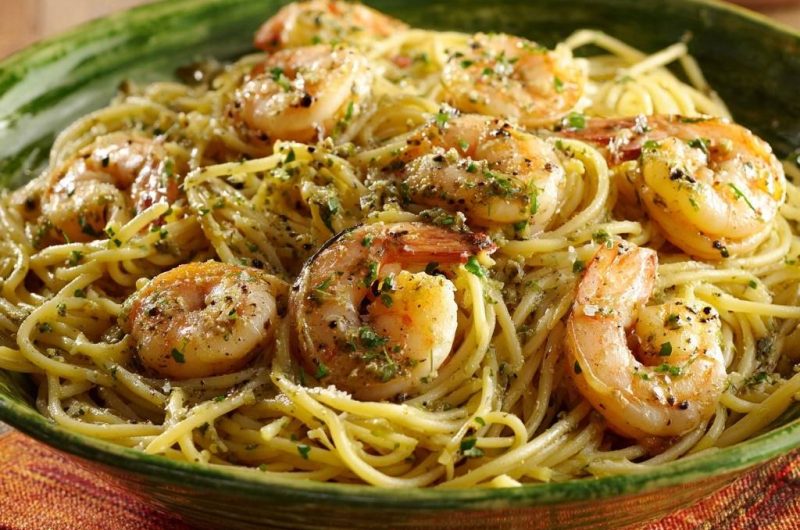
Shrimp Pasta
Course: Main CourseCuisine: AmericanDifficulty: easy4
servings10
minutes15
minutes550
kcal25
MinutesTired of overcooked, rubbery shrimp? This quick high-heat sear method delivers tender perfection in lemon garlic shrimp pasta.
Ingredients
8 ounces spaghetti
1 pound large shrimp, peeled and deveined
4 tablespoons unsalted butter, divided
3 tablespoons olive oil, divided
6 garlic cloves, minced
1 lemon, zested and juiced
1/2 cup fresh parsley, chopped
1/2 teaspoon red pepper flakes
Salt and black pepper to taste
1/4 cup grated Parmesan cheese
1 cup reserved pasta cooking water
Directions
- Bring a large pot of salted water to a boil. Cook spaghetti al dente according to package directions, about 8-9 minutes. Reserve 1 cup pasta water, then drain.
- Pat shrimp completely dry with paper towels. This is key for the no-rubbery trick. Season with salt and pepper.
- In a large skillet, heat 2 tablespoons olive oil and 2 tablespoons butter over medium-high heat until shimmering hot (about 1 minute, oil should ripple). Add shrimp in a single layer. Sear undisturbed for 1-2 minutes until edges turn pink and opaque. Flip and sear 1 minute more until just cooked through (internal temp 140F if checking). Do not overcook. Remove shrimp to a plate.
- Lower heat to medium. Add remaining 1 tablespoon olive oil, 2 tablespoons butter, garlic, and red pepper flakes. Saute 30 seconds until fragrant (stir constantly to avoid burning).
- Stir in lemon zest, juice, and 1/2 cup reserved pasta water. Simmer 1 minute to emulsify into glossy sauce. Add spaghetti and toss to coat, adding more pasta water if needed for silky texture.
- Return shrimp to skillet with parsley. Toss 30 seconds to warm through and infuse flavors. Taste and adjust salt, pepper.
- Serve topped with Parmesan. Enjoy tender shrimp that pop with every bite!
Notes
- Pat shrimp completely dry before searing for the no-rubbery trick. Do not overcook shrimp—internal temp 140°F.