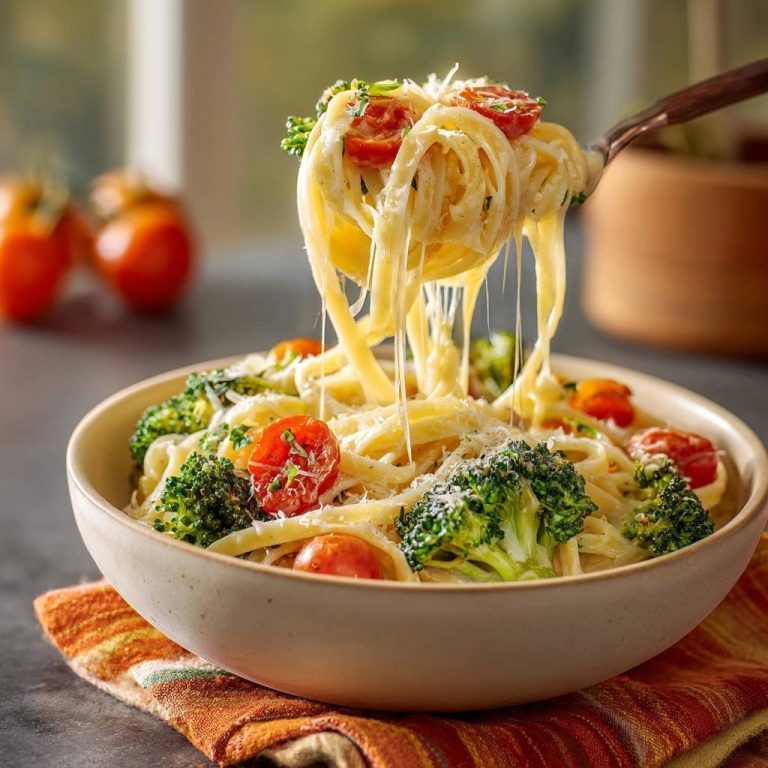
Lemon Garlic Shrimp Linguine with Juicy, Tender Shrimp
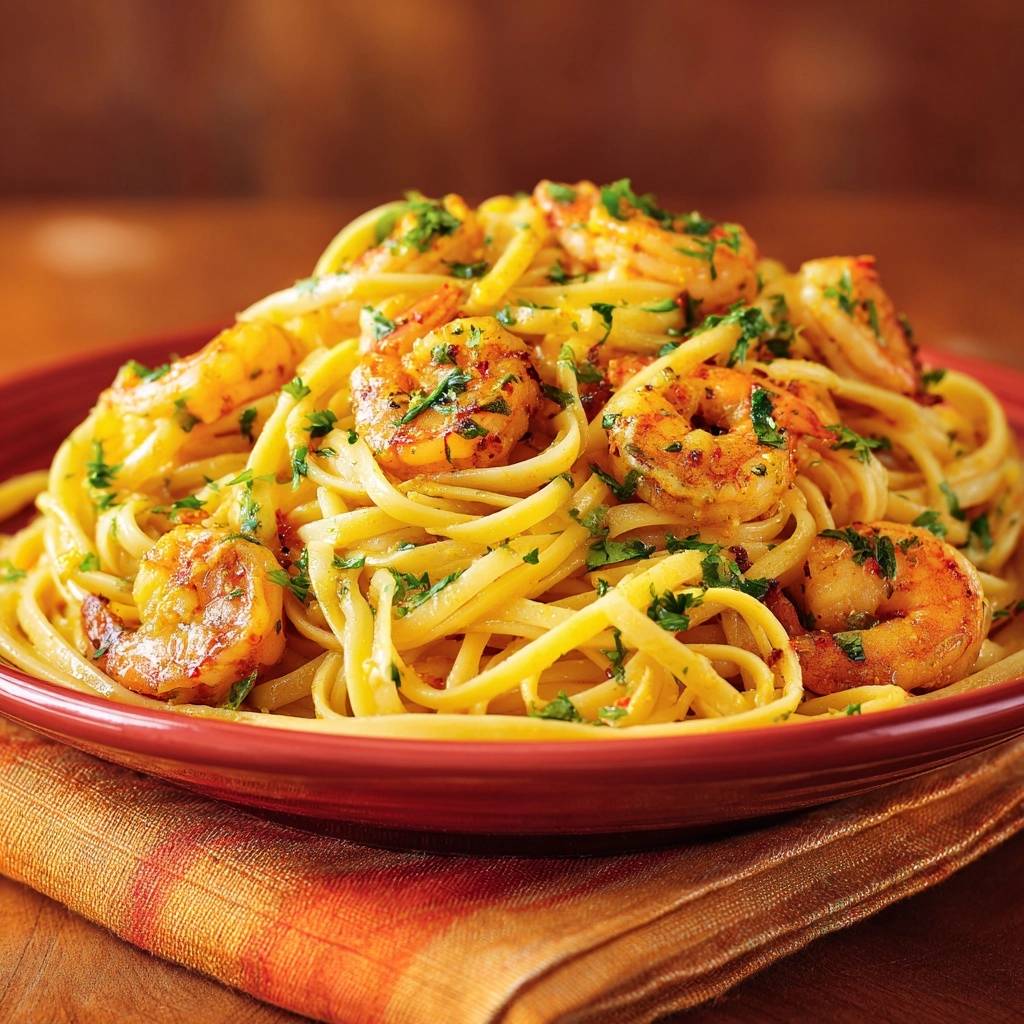
Ever bitten into shrimp pasta where the shrimp bounce like rubber balls? Yeah, it’s a total buzzkill. This Lemon Garlic Shrimp Linguine fixes that fast with a high-heat sear that turns tough failures into juicy, curl-shaped perfection. You’ll get that bright lemon zing, garlic perfume wafting through your kitchen, and a glossy sauce clinging to al dente linguine like it was meant to be.
So why does this recipe deliver every time? It skips the low-and-slow steaming trap most home cooks fall into. Instead, you pat shrimp bone-dry and blast them hot for moisture lock-in. In just 30 minutes, dinner’s ready, beating takeout freshness and cost hands down.
Here’s the game-changer: dry those shrimp completely with paper towels before seasoning. That simple move prevents water from leaching out during cooking, keeping every bite tender. Trust me, it’s the difference between wow and whatever.
Key Ingredients for Lemon Garlic Shrimp Linguine
Linguine and Shrimp Selection Tips
You’ll need 8 ounces of linguine. Cook it al dente, around 8-9 minutes, so it holds up to the sauce without turning mushy. Therefore, it stays firm and grabs that glossy coating perfectly.
Grab 1 pound of large shrimp, like 16/20 count per pound. These sizes sear just right without overcooking. Smaller ones toughen up fast, so stick to big boys, peeled and deveined for clean bites.
Butter, Oil, and Garlic Breakdown
Divide 4 tablespoons unsalted butter and 3 tablespoons olive oil. Butter brings rich flavor, while oil handles high heat without burning. Together, they layer nutty depth into your Lemon Garlic Shrimp Linguine.
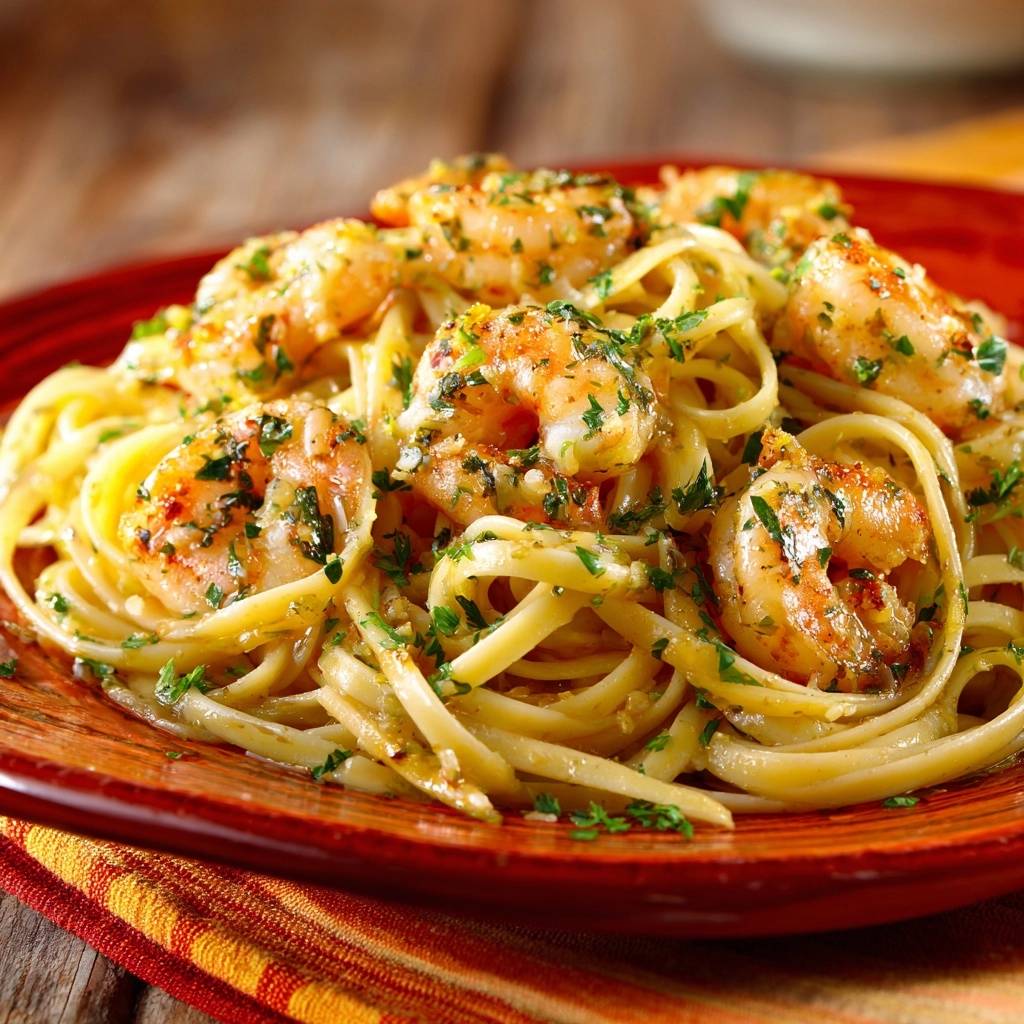
Mince 4 fresh garlic cloves yourself. Jarred stuff lacks punch and can turn bitter. Fresh releases sweet aroma in seconds, elevating the whole dish.
Lemon Zest, Juice, and Fresh Parsley Role
One lemon’s zest and juice cut through the richness with bright acidity. Zest adds oils for perfume; juice emulsifies everything silky. In addition, 1/4 teaspoon red pepper flakes bring subtle heat without overpowering.
Chop 1/4 cup fresh parsley at the end. It delivers herbaceous freshness that balances the garlic. Season with salt and pepper to taste, but go easy early to build flavor gradually.
Mastering the High-Heat Shrimp Sear Technique
Prep Shrimp for Perfect Moisture Lock
Pat that pound of shrimp completely dry with paper towels. Excess moisture steams them rubbery, so this step’s non-negotiable. Season with salt, pepper, and red pepper flakes right after.
If you love that quick sear technique, try it with this lemon garlic shrimp pasta for another fast weeknight meal.
Look for a loose C-shape when done, not a tight O. That curl signals juicy proteins, cooked just through. Overcook by 30 seconds, and toughness sets in fast.
Heating Skillet to Shimmering Point
Crank heat to high with 2 tablespoons olive oil and 2 tablespoons butter. Wait till it shimmers, just shy of smoke. That’s your cue for searing magic in Lemon Garlic Shrimp Linguine.
Add shrimp in a single layer. Sear undisturbed 1-2 minutes till edges pink up, then flip for 1 more. High heat coagulates proteins quick, locking juices inside. Remove immediately to a plate.
Science of Shrimp Protein Denaturation
High heat rapidly denatures shrimp proteins, firming them without squeezing out moisture. Low heat? It steams slowly, turning them chewy. Therefore, that C-shape is your foolproof doneness check.
Building Silky Lemon Garlic Sauce Base
Garlic Aroma Without Browning
Drop heat to medium. Add remaining 1 tablespoon oil and 2 tablespoons butter, then stir in minced garlic for 30 seconds. You’ll smell that sweet fragrance bloom, but stop before it browns bitter.
Emulsifying with Lemon and Pasta Water
Stir in lemon zest, juice, and 1/2 cup reserved pasta water. Simmer 2 minutes. The starch binds fat and acid into a glossy emulsion that coats everything beautifully.
Pro tip: if it’s too thick, splash in more pasta water tablespoon by tablespoon. That keeps your Lemon Garlic Shrimp Linguine silky, not gloppy.
Combining Elements for Lemon Garlic Shrimp Linguine
Tossing Pasta, Shrimp, and Sauce Together
Boil linguine in salted water till al dente, reserving 1 cup water. Drain and add to skillet with shrimp. Toss 1-2 minutes over medium heat.
Stir in chopped parsley last for color and pop. Taste, adjust salt, and serve hot. Total time? Under 30 minutes from start to plate.
If you enjoy pairing greens with seafood, try this garlic butter shrimp pasta for a similar bright, buttery finish.
Avoiding Common Mistakes in Lemon Garlic Shrimp Linguine
Overcooking Shrimp Beyond C-Shape
Don’t linger after the flip. Even 30 extra seconds toughens proteins irreversibly. Rest shrimp on a plate while you build sauce; residual heat finishes them gently.
Skipping Dry Pat or Crowding Pan
Wet shrimp steam, not sear. Always pat dry first. Plus, crowd the pan, and temperature drops, leading to uneven cooking and sogginess.
Sauce Separation Fixes
If sauce breaks, whisk in a splash of cold pasta water or butter off heat. Pasta starch is key, so always reserve plenty. Low simmer prevents splits upfront.
Flavor Variations for Lemon Garlic Shrimp Linguine
Spicy or Herbal Twists
Double red pepper flakes or drizzle chili oil for heat lovers. Swap parsley for basil in a lemon-basil twist; it amps Italian vibes. Cilantro works for a fresh, coastal feel too.
Protein and Pasta Swaps
Try scallops or chicken chunks instead of shrimp; sear same way. Spaghetti or gluten-free linguine sub fine. For vegan, tofu or mushrooms keep the lemon garlic core shining.
Ideal Pairings for Lemon Garlic Shrimp Linguine
Simple Side Salads and Veggies
Toss arugula with lemon vinaigrette; its peppery bite cuts richness. Steam broccoli or asparagus to echo the brightness. Greens balance the buttery sauce perfectly.
Grape juice and Breads to Complement
Crisp sparkling grape juice match the acidity. Grab crusty baguette to sop up every glossy drop. Skip heavy reds; they overwhelm the delicacy.
Make-Ahead Strategies for Lemon Garlic Shrimp Linguine
Prepping Components Separately
Cook pasta al dente, shock in ice water, and store airtight. Sear shrimp ahead; reheat gently in sauce. Prep sauce base without pasta water till serving.
Freezing and Reheating Guide
Freeze fully sauced pasta and shrimp up to 2 months in portions. Thaw overnight in fridge, then re-toss stovetop with a splash of water. Don’t refreeze shrimp; texture suffers.
What’s Next?
Try these delicious pairings:
- Mastering Cranberry Sausage Stuffing with the Anti-Soggy Technique
- Mastering Golden Skillet Dinner Rolls for Bakery-Quality Results
Troubleshooting Lemon Garlic Shrimp Linguine Issues
Rubbery Shrimp Recovery
Overcooked? Slice thin and mix into sauce; it softens slightly. But prevention rules: time your sear precisely next round.
Dry or Watery Pasta Fixes
Dry pasta needs more reserved water during toss. Watery? Start al dente and don’t over-simmer sauce. Balance is everything.
Weak Lemon Flavor Boosts
Always zest first for essential oils, then juice. Fresh lemons beat bottled every time. Add a touch more zest if needed.
FAQ: Lemon Garlic Shrimp Linguine Essentials
Can I use frozen shrimp?
Yes, thaw fully in cold water, then pat extra dry. Excess ice means more steaming, so double down on towels. Sear proceeds identically for juicy results.
How much pasta water exactly?
Start with 1/2 cup in the sauce, then add tablespoons during toss till silky. Pasta starch varies, so eyeball for that glossy cling, not soupy.
Substitutes for linguine?
Any long pasta like spaghetti works great. For low-carb, zucchini noodles absorb sauce well. Keep cooking time al dente.
Make it dairy-free?
Swap all butter for olive oil. Sprinkle nutritional yeast for cheesy depth. Lemon garlic shines through undimmed.
Storage time after cooking?
Fridge in airtight container up to 3 days. Reheat gently stovetop with a splash of water to revive sauce. Freezes okay for 2 months; thaw and toss fresh.
Why are my shrimp rubbery?
Usually from skipping the dry pat or low-heat cooking. Pat thoroughly, use high shimmering heat, and pull at C-shape. Overcrowding drops temp too, so single layer always.
Can I substitute butter?
Olive oil fully replaces it for dairy-free. Or try ghee for higher smoke point. Keep divided usage for flavor layering.
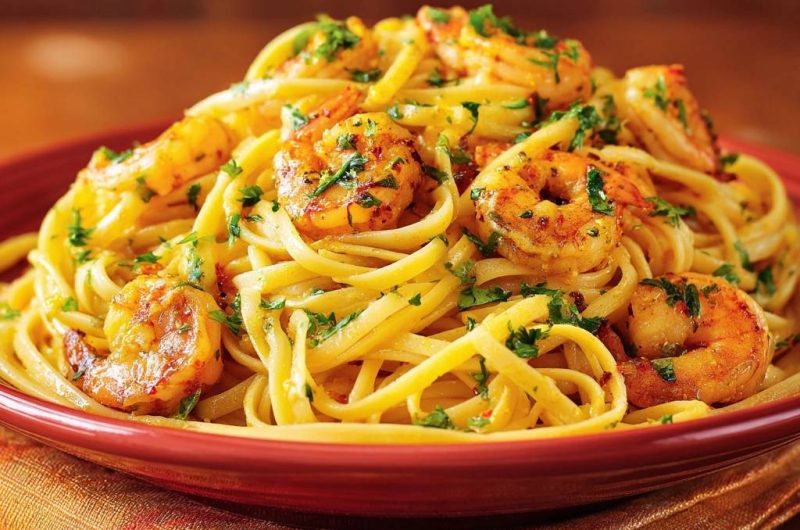
Shrimp Linguine
Course: Main CourseCuisine: AmericanDifficulty: easy4
servings10
minutes15
minutes550
kcal25
MinutesTired of overcooked, rubbery shrimp? This recipe uses a dead-simple high-heat sear to lock in moisture for perfectly juicy shrimp tossed in a glossy lemon garlic sauce with linguine.
Ingredients
8 ounces linguine
1 pound large shrimp, peeled and deveined
4 tablespoons unsalted butter, divided
3 tablespoons olive oil, divided
4 garlic cloves, minced
1 lemon, zested and juiced
1/4 teaspoon red pepper flakes
1/4 cup fresh parsley, chopped
Salt and black pepper, to taste
Directions
- Bring a large pot of salted water to a boil. Cook linguine according to package directions until al dente, about 8-9 minutes. Reserve 1 cup pasta water, then drain.
- Pat shrimp completely dry with paper towels. This crucial step removes surface moisture to prevent steaming and rubbery texture. Season with salt, pepper, and red pepper flakes.
- Heat 2 tablespoons olive oil and 2 tablespoons butter in a large skillet over high heat until shimmering and very hot (just before smoking). Add shrimp in a single layer. Sear undisturbed for 1-2 minutes until edges turn pink and opaque. Flip and sear 1 minute more. Shrimp should curl into a loose C-shape and be just cooked through, not tight O-shape. Immediately remove to a plate. Overcooking by even 30 seconds toughens them, so watch closely.
- Lower heat to medium. Add remaining 1 tablespoon olive oil and 2 tablespoons butter to skillet. Stir in garlic and cook 30 seconds until fragrant (no browning). Add lemon zest, juice, and 1/2 cup reserved pasta water. Simmer 2 minutes to emulsify into glossy sauce.
- Add linguine and shrimp back to skillet. Toss 1-2 minutes, adding more pasta water if needed for silky coating. Stir in parsley. Serve hot.
- Perfect juicy shrimp, guaranteed!
Notes
- Pat shrimp completely dry before seasoning for the best sear. Cook shrimp to a loose C-shape, not a tight O, to avoid toughness. Use high heat and don’t overcrowd the pan.