Mastering Slow Cooked Shredded Beef Tacos
There is nothing quite like the first bite of a taco where the beef simply dissolves on your tongue. You know the kind I’m talking about—the meat is rich, deeply savory, and dripping with just enough juice to make you reach for an extra napkin. It’s a far cry from the dry, stringy, or chewy beef that often plagues home-cooked versions.
Most people struggle with shredded beef because they treat it like a quick weeknight stir-fry. However, the secret to professional-grade tacos lies in understanding how to manipulate heat and moisture over several hours. We aren’t just boiling meat in a pot; we are performing a culinary transformation that turns a humble, tough cut into something spectacular.
The real trick to success is the “sponge method” during the resting phase. If you shred your beef and serve it immediately, the steam escapes and the meat dries out in seconds. By letting the shredded strands soak in the concentrated braising liquid for fifteen minutes, you ensure every bite is succulent and packed with flavor.
The Science of Collagen and Muscle Fiber
To understand why we cook this beef for eight hours, we have to look at the biology of the cow. The chuck roast comes from the shoulder, a muscle that does a lot of heavy lifting. Therefore, it is packed with connective tissue called collagen, which acts like a series of tight rubber bands holding the muscle fibers together.
If you cook this meat quickly over high heat, those rubber bands snap tight, squeezing out all the moisture and leaving you with a gray, leathery mess. However, when you maintain a low, steady temperature, a chemical miracle occurs. The collagen slowly melts into gelatin, which coats the muscle fibers and provides that silky, “melt-in-your-mouth” texture we crave.
This transformation takes time and cannot be rushed. You are essentially waiting for the internal structure of the meat to dissolve. Once that gelatin is released, the beef will naturally pull apart with almost no resistance from your fork.
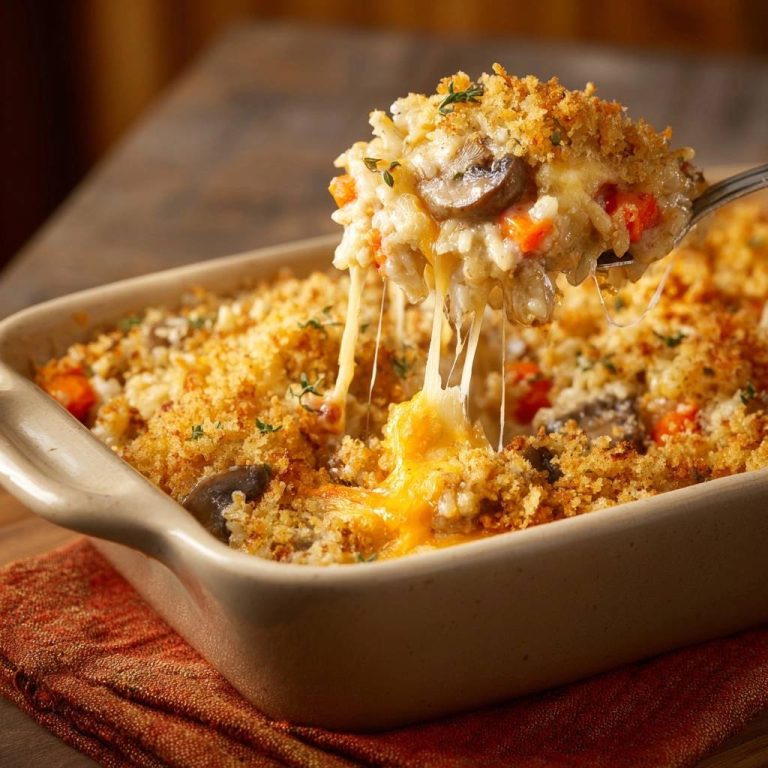
For that same rich, slow-cooked texture, try these barbacoa beef tacos instead.
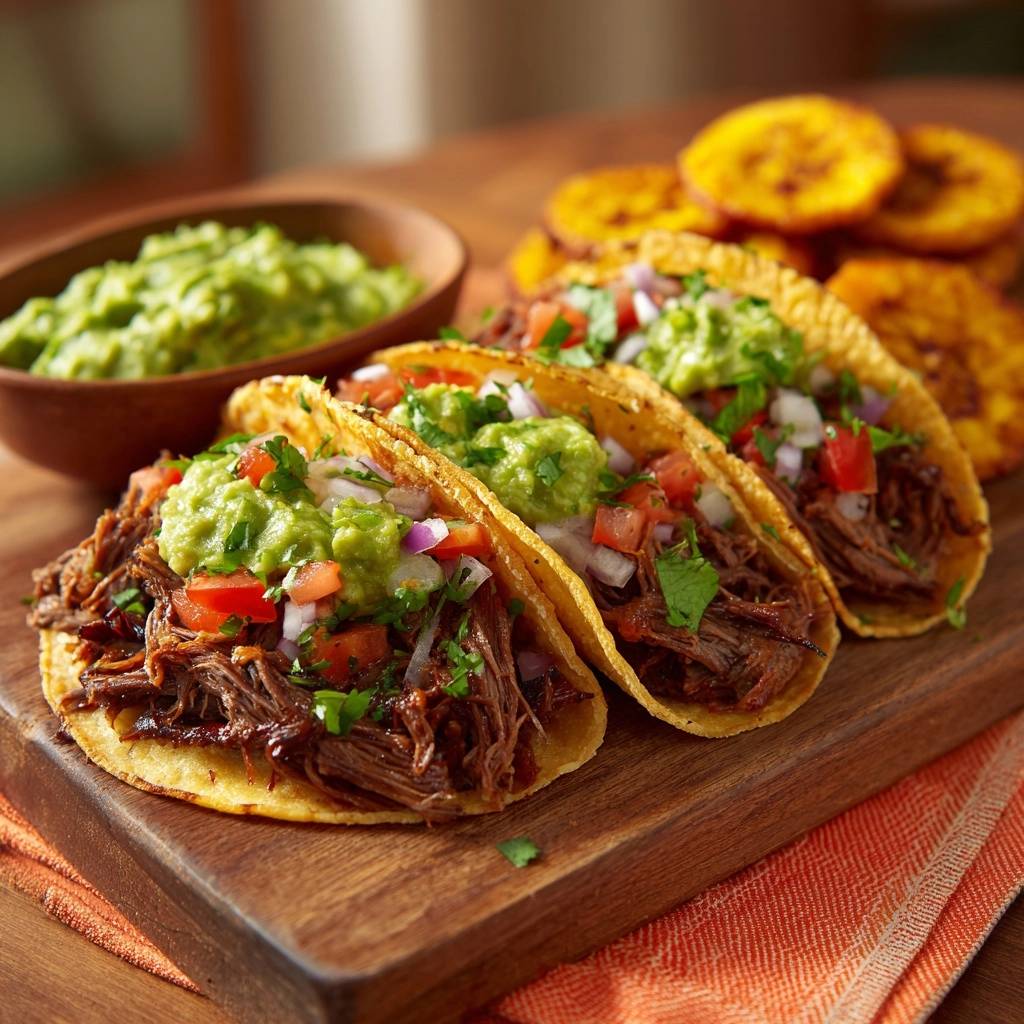
Why Chuck Roast is the Superior Choice
While you might be tempted to grab a leaner cut like a round roast, chuck roast is the undisputed king of shredded beef. It features a high fat-to-lean ratio and beautiful intramuscular marbling. This fat doesn’t just add flavor; it acts as an internal basting mechanism that keeps the meat lubricated during the long cook.
Compared to brisket, which can be finicky and prone to drying out if the grain isn’t sliced correctly, chuck is very forgiving. The marbled fat ensures that even if you go a little over on time, the meat remains tender. It is the most reliable cut for achieving that classic taco truck consistency at home.
Essential Components for Shredded Beef Tacos
Great tacos are built on a foundation of high-quality ingredients. For the braising liquid, always choose a rich beef broth over plain water. Water dilutes the flavor, whereas broth reinforces the beefy profile of the roast. In addition, a small amount of tomato paste acts as an “umami booster,” adding a hidden layer of savory depth that makes the sauce taste like it’s been simmering for days.
Don’t skip the step of patting your meat dry before it hits the pan. Moisture is the enemy of a good sear. If the beef is damp, it will steam instead of browning, and you’ll miss out on the complex flavors that only a hard sear can provide.
Selecting and Prepping the Aromatics
In Mexican-inspired cooking, white onions are the gold standard. They offer a sharper, cleaner bite than yellow onions, which helps cut through the richness of the fatty beef. When sautéed, they provide a subtle sweetness that balances the earthy spices in the pot.
Furthermore, always use fresh garlic cloves rather than the pre-minced stuff in a jar. Jarred garlic often has a metallic aftertaste that becomes more pronounced during an eight-hour cook. Freshly minced garlic releases natural oils that permeate the meat, creating a much more authentic and vibrant flavor profile.
The Spice Profile: Cumin and Chili Powder
The duo of cumin and chili powder provides the “soul” of this dish. Cumin brings a warm, nutty, and slightly smoky aroma that is synonymous with great tacos. Meanwhile, the chili powder adds a mild heat and a beautiful brick-red color to the braising liquid.
If you prefer a spicier kick, you can easily increase the chili powder or add a pinch of cayenne. However, the ratios provided in this recipe are designed to be family-friendly. They focus on building a savory base that complements the beef rather than overwhelming it with pure heat.
For those who can’t get enough of these flavors, this loaded taco casserole stacks everything into one crispy dish.
The Maillard Reaction: Searing for Deep Flavor
The most common mistake home cooks make is skipping the sear. When you brown the meat in hot oil, you trigger the Maillard reaction. This is a chemical reaction between amino acids and reducing sugars that creates hundreds of different flavor compounds. Without this step, your beef will look gray and taste one-dimensional.
You want to see a dark, mahogany-colored crust on all sides of the roast. Don’t be afraid of a little smoke in the kitchen! That crust is where the “roasty” flavor lives, and it eventually dissolves into the braising liquid, making the entire pot taste better.
Deglazing the Pot and Capturing the Fond
After you sear the beef, you’ll notice brown bits stuck to the bottom of the pot. This is called “fond,” and it is pure culinary gold. When you pour in the beef broth, use a wooden spoon to scrape those bits loose. This process is called deglazing.
The broth acts as a solvent, lifting those caramelized proteins and integrating them back into the liquid. This ensures that none of the flavor you worked so hard to create during the searing process goes to waste. It turns a simple broth into a complex, concentrated sauce.
Step-by-Step: The Low and Slow Braise
Once the beef is back in the pot with the aromatics and liquid, it’s time to let physics do the work. Whether you use a Dutch oven on the stove or a slow cooker, the goal is a gentle simmer. You should see only a few small bubbles breaking the surface occasionally.
It is vital to keep a tight-fitting lid on the pot. This traps the steam inside, creating a moist environment that prevents the top of the meat from drying out. If your lid is a bit loose, you can place a piece of parchment paper or foil over the pot before putting the lid on to create a better seal.
Maintaining Temperature Consistency
Consistency is key when breaking down tough fibers. If the liquid reaches a rolling boil, the muscle fibers will contract violently and become tough. You want the meat to “relax” into the heat. If you’re using a slow cooker, the “Low” setting is almost always better than “High” for achieving that perfect shred.
Resist the urge to peek! Every time you lift the lid, you release the built-up steam and drop the temperature. This can add significant time to your total cook. Trust the process and let it ride for the full eight hours.
The Moisture Secret: The Post-Cook Soak
This is the step that separates amateur tacos from the pros. After eight hours, the beef will be tender, but the fibers are still hot and expanded. If you shred it and leave it on a cutting board, the moisture evaporates instantly, leaving the meat dry.
Instead, shred the beef and immediately toss it back into the pot with the remaining juices. Let it sit off the heat for about 15 minutes. The meat acts like a sponge, reabsorbing the concentrated, flavorful liquid as it cools slightly. This ensures every single strand of beef is dripping with flavor when it hits the tortilla.
Preparing the Sweet and Savory Sides
To balance the salty, savory beef, fried plantains are the perfect companion. Look for plantains that are yellow with plenty of black spots. These are the ripest and contain the most sugar, which will caramelize beautifully in the pan.
When you fry them, the outside becomes crispy and dark brown while the inside turns creamy and sweet. This contrast in texture and flavor provides a much-needed break from the richness of the tacos. It’s a classic pairing that makes the meal feel complete.
Hand-Pressing and Frying Corn Tortillas
Never serve a corn tortilla straight out of the package. Cold corn tortillas are brittle, dry, and have a raw flour taste. You need to “awaken” them in a lightly greased skillet for about 30 seconds per side.
This quick fry makes the tortilla pliable so it won’t crack when you fold it. It also brings out the toasted corn aroma, which is a vital component of the overall taco experience. You’re looking for a few golden spots and a soft, flexible texture.
Assembling the Perfect Shredded Beef Taco
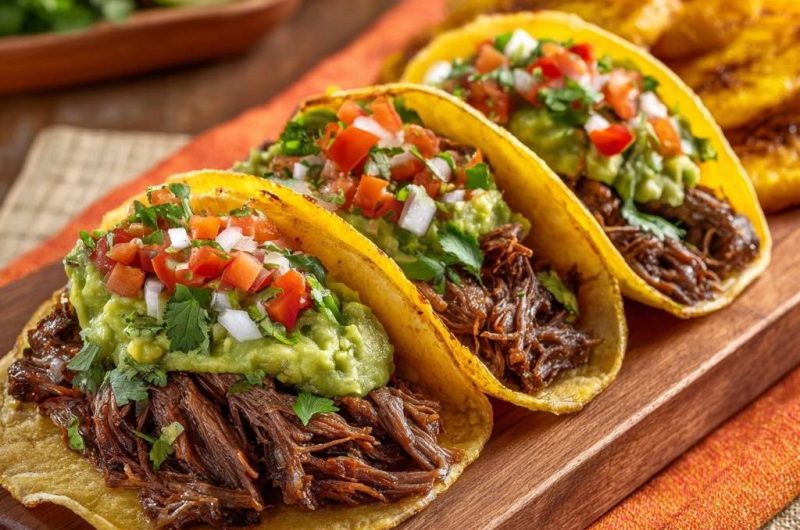
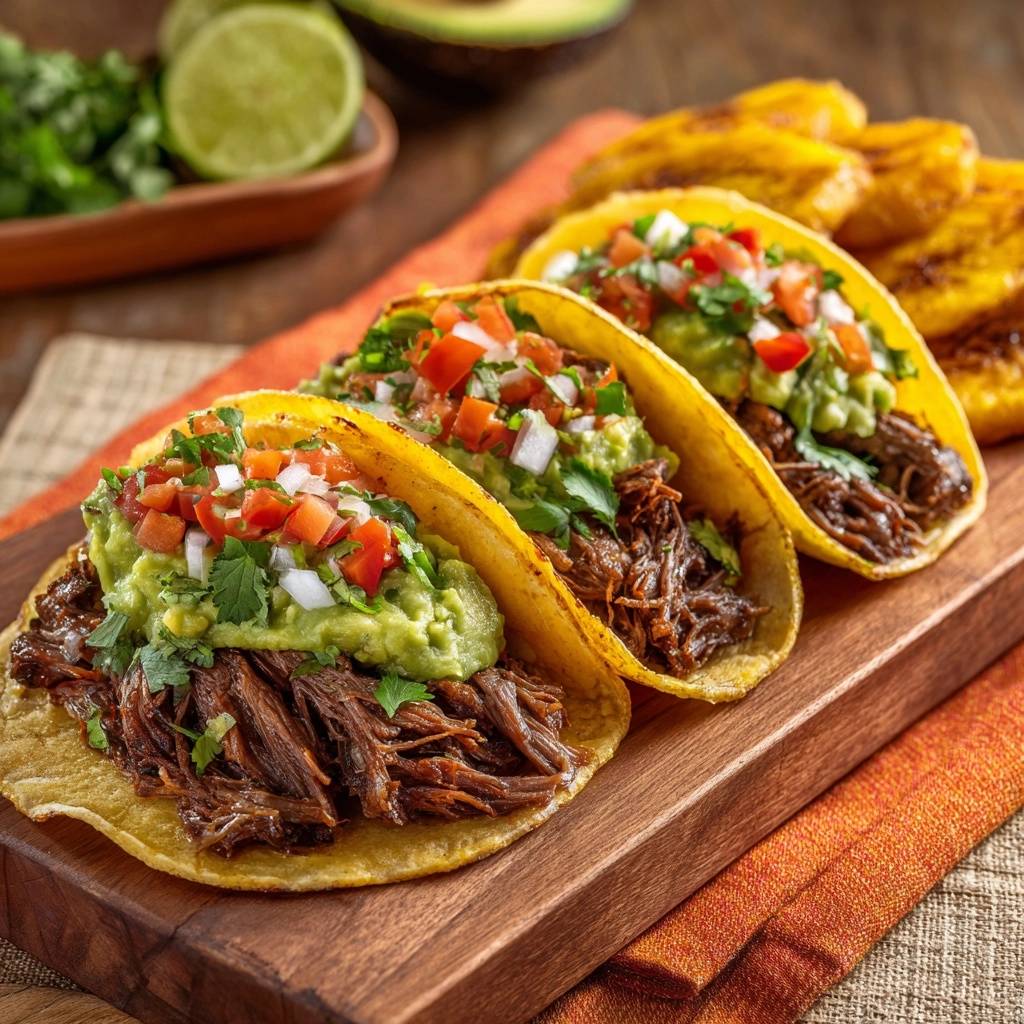
Assembly is an art form. Start with a warm tortilla and spread a layer of mashed avocado on the bottom. This isn’t just for flavor; the avocado acts as a moisture barrier, preventing the beef juices from soaking through and tearing the tortilla.
Next, add a generous heap of the juicy beef. Top it with the diced tomatoes, raw white onions, and fresh cilantro. The raw onions provide a necessary “crunch” factor that contrasts with the soft meat. Finally, a squeeze of fresh lime juice right before eating brightens all the heavy flavors and makes the spices pop.
What to Serve with Your Tacos
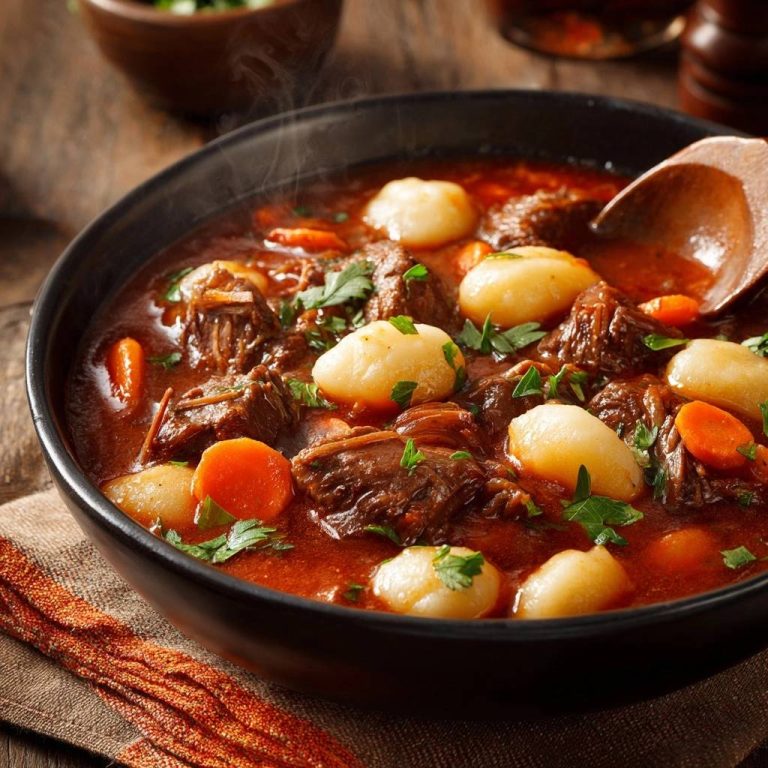
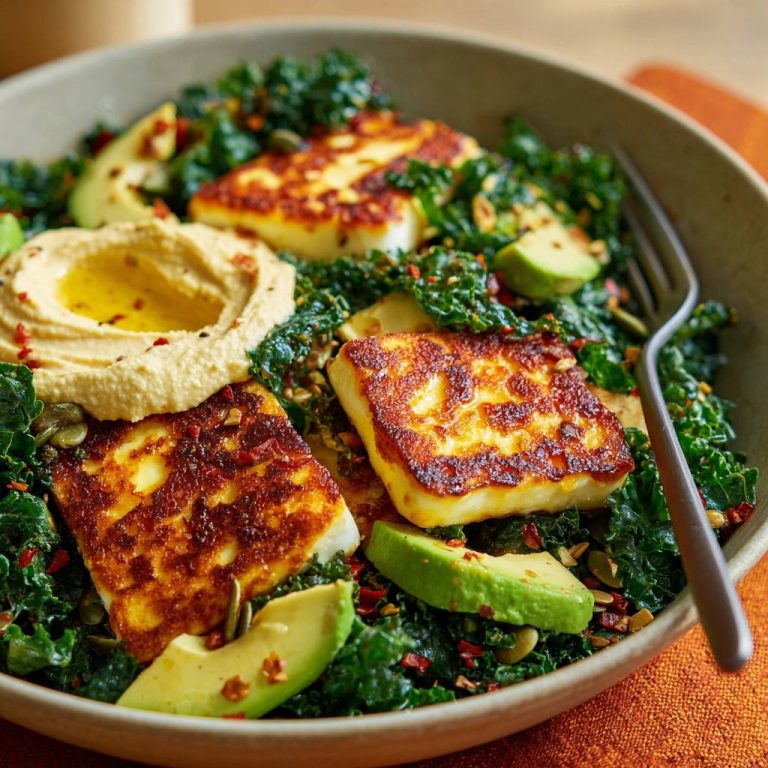
Shredded beef tacos have a rich, savory filling that begs for bright, crunchy contrasts. These two recipes add texture and acidity without stealing the spotlight.
- Elote-Style Roasted Brussels Sprouts bring charred edges and a creamy, tangy finish that cuts through the beef’s richness.
- Rainbow Pepper Pickles offer a
Troubleshooting Common Braising Issues
If your meat is still tough after eight hours, don’t panic. It simply means the collagen hasn’t finished melting yet. Every piece of meat is different, and some roasts just need an extra hour. Put the lid back on and keep simmering; it will eventually give in.
If your braising liquid feels too thin, you can remove the meat and simmer the liquid uncovered for 10 minutes to reduce and thicken it. Conversely, if it’s too salty, add a splash of water or a little more tomato paste to balance the flavors. Cooking is all about adjusting as you go!
Make-Ahead Strategies and Storage
This beef actually tastes even better the next day. If you’re making it ahead of time, store the shredded beef submerged in its cooking liquid in an airtight container. This prevents the meat from oxidizing and turning gray. It will stay fresh in the fridge for up to four days.
For long-term storage, this beef freezes beautifully. Place the meat and juice in a freezer bag, squeezing out as much air as possible. It will last for three months. When you’re ready to eat, thaw it in the fridge overnight and reheat it gently on the stove.
Expert Tips for Taco Success
To get the most juice out of your limes, roll them firmly on the counter with your palm before cutting them. This breaks the internal membranes and makes them much easier to squeeze. Also, never throw away the leftover braising liquid! It is packed with flavor and makes an incredible base for cooking rice or beans the next day.
If you prefer a bit of texture on your meat, you can spread the shredded beef on a baking sheet and pop it under the broiler for 3-5 minutes. This creates “crispy bits” similar to carnitas while keeping the interior moist. It’s a great way to add another layer of sensory delight to your tacos.
What is the best way to reheat shredded beef?
Avoid the microwave if possible, as it tends to zap the moisture out of the meat. Instead, place the beef and a splash of its juices (or a little broth) in a skillet over medium-low heat. Cover the pan with a lid to trap the steam and heat until it’s just simmering. This keeps the fibers tender and juicy.
Can I use a different cut of meat?
Yes, you can use beef brisket or short ribs if chuck roast isn’t available. Brisket will result in longer, more distinct strands but may require an extra hour of cooking. Short ribs are incredibly rich and fatty, which makes for a very decadent taco, though they are usually more expensive than chuck roast.
How do I keep the tortillas warm for a crowd?
The best method is to stack the warmed tortillas and wrap them in a clean, slightly damp kitchen towel, then wrap that entire bundle in aluminum foil. The towel provides steam to keep them soft, while the foil holds the heat. They will stay warm and pliable for at least 30 minutes this way.
Is it possible to overcook the beef?
While it’s hard to do with a low-and-slow method, you can eventually overcook it. If the meat cooks for too long (like 12+ hours), the fibers can break down so much that they become “mushy” or “pasty” rather than shredded. Stick to the 8-hour mark for the best structural integrity and mouthfeel.
Shredded Beef Tacos
Course: Main CourseCuisine: Mexican-AmericanDifficulty: mediumYields6
servingsPrep Time30
minutesCook Time8
hoursCalories750
kcalTotal Time510
MinutesA foolproof recipe for beef tacos featuring chuck roast seared to perfection and slow-cooked for 8 hours. The meat is shredded and tossed back into its natural juices for maximum moisture, served with fried plantains and fresh toppings.
Ingredients
3 pounds beef chuck roast, trimmed of excess fat
2 tablespoons vegetable oil
1 cup beef broth
2 tablespoons tomato paste
1 white onion, finely diced
3 cloves garlic, minced
1 tablespoon chili powder
1 teaspoon ground cumin
12 yellow corn tortillas
2 ripe avocados, mashed with a pinch of salt and lime
2 Roma tomatoes, finely diced
1/2 white onion, finely diced (for garnish)
1 bunch fresh cilantro, chopped
2 limes, cut into wedges
3 ripe plantains, sliced diagonally (for the side)
1/2 cup neutral oil (for frying plantains)
Salt and black pepper to taste
Directions
- Pat the beef chuck roast completely dry with paper towels. Season generously with salt and pepper on all sides.
- Heat 2 tablespoons of vegetable oil in a large heavy pot or Dutch oven over medium-high heat. Sear the beef for 5-7 minutes per side until a deep, dark brown crust forms. This Maillard reaction is essential for the rich color seen in the final dish.
- Remove the beef and set aside. Lower the heat to medium and add the diced onion and garlic, sautéing for 3 minutes until softened. Stir in the tomato paste, chili powder, and cumin, cooking for 1 minute to toast the spices.
- Pour in the beef broth and scrape the bottom of the pot with a wooden spoon to release the flavorful browned bits (fond).
- Place the beef back into the pot. The liquid should come about halfway up the side of the meat. Cover with a tight-fitting lid and reduce heat to the lowest setting. Simmer for 7 to 8 hours (or cook in a slow cooker on LOW for 8 hours). Do not open the lid frequently, as trapped steam is what breaks down the collagen.
- Once the beef is fork-tender and falling apart, remove it to a large bowl. Use two forks to shred the meat into long, clean strands.
- The Moisture Secret: Return the shredded meat to the pot with the remaining concentrated cooking juices. Toss well and let it sit for 15 minutes off the heat. The meat will act like a sponge and soak up the braising liquid, ensuring it is never dry.
- While the meat rests, prepare the plantains. Heat 1/2 cup oil in a skillet over medium heat. Fry plantain slices for 2-3 minutes per side until golden brown and caramelized. Drain on paper towels.
- Lightly fry the corn tortillas in a greased skillet for 30 seconds per side until pliable and slightly golden.
- Assemble the tacos: Layer a generous portion of the juicy shredded beef onto each tortilla. Top with a thick layer of mashed avocado, followed by the diced tomatoes, raw white onions, and fresh cilantro. Serve immediately with the fried plantains and lime wedges.
Notes
- The crucial step is letting the shredded meat rest in the cooking juices for 15 minutes to ensure it stays moist. Do not skip searing the meat, as it develops the deep flavor profile.