Mastering Golden Egg Fried Rice: The Dry-Chill Method for Perfect Grains
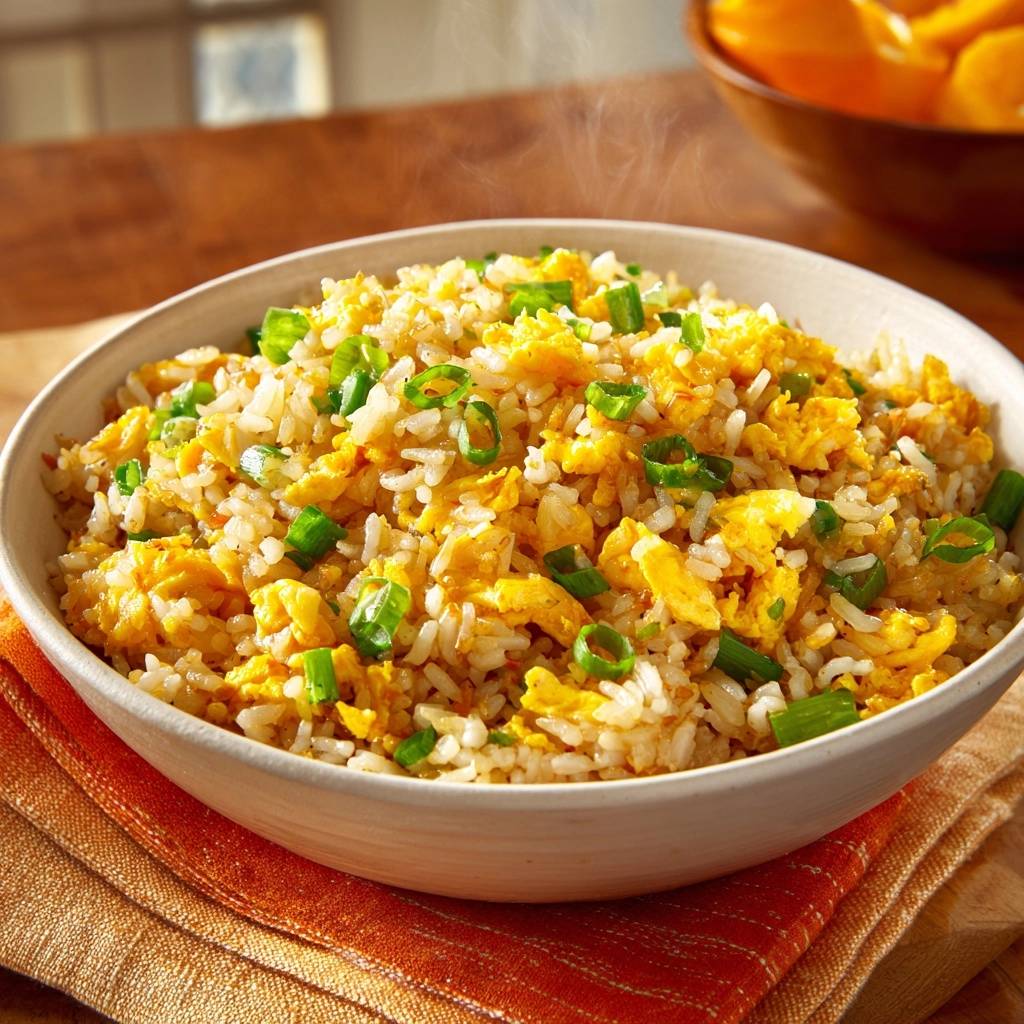
Stop settling for soggy, clumped-up fried rice that tastes like a wet mess. Most people treat fried rice as a way to hide old scraps, but the “Golden” style, or Jin Chao Fan, is a culinary art form that celebrates the individual grain. When you do it right, every bite offers a firm, toasted texture and a rich, savory coating that feels incredibly indulgent.
The secret to that restaurant-quality texture is all about moisture control and the “dry-chill” method. By using day-old rice and high heat, you ensure every single grain stays separate and firm. It’s the difference between a mushy side dish and a masterpiece that shines with a brilliant yellow hue.
I’ve found that the biggest mistake home cooks make is using rice that’s too fresh or too wet. To get that perfect “bounce” in your bowl, you need to understand how starch behaves when it’s cold. Let’s dive into why that overnight stay in the fridge is actually the most important step in the entire process.
The Anatomy of Long-Grain Rice and Starch Retrogradation
To master this dish, you have to understand the science of the grain. Long-grain white rice is the gold standard here because it contains a high amount of amylose. This specific starch molecule helps the grains stay distinct and fluffy after cooking, unlike short-grain varieties that are packed with amylopectin, which makes things sticky and gluey.
When you cook rice and then immediately throw it into a wok, the surface is covered in active, sticky starches. However, when you let that rice sit in the fridge overnight, a process called starch retrogradation occurs. The starch molecules realign and crystallize as they cool, which firms up the exterior of each grain.
This refrigeration period essentially “toughens” the rice so it can withstand the intense heat of the pan. It also allows the surface moisture to evaporate. Without this step, the steam trapped inside the rice will turn your dinner into a gummy paste the moment it hits the oil. Fresh rice is truly the enemy of the golden style; you want grains that feel slightly dry to the touch before they ever see a flame.
Essential Components for Authentic Golden Egg Fried Rice
Quality ingredients are the backbone of this recipe, and since the list is short, each one has a big job to do. We use light soy sauce specifically because it provides that essential salty, umami punch without muddying the color. If you use dark soy sauce, you’ll lose that vibrant, sunny yellow aesthetic that defines “Golden” rice.
White pepper is another non-negotiable for authentic flavor. While black pepper is bold and floral, white pepper offers a sharp, fermented heat that cuts through the richness of the eggs without being visually distracting. It provides a subtle “zing” that lingers on the back of the palate, which is a hallmark of traditional Asian aromatics.
For the fat, you want something neutral that can handle the heat. Vegetable oil is perfect here because it has a high smoke point and won’t compete with the delicate flavors of the egg and sesame. Avoid olive oil or butter for the main frying phase, as they will burn and turn bitter long before the rice gets that necessary toasted crust.
Selecting the Right Fat: Why Smoke Point Matters
Achieving “Wok Hei”—or the breath of the wok—requires intense heat. You need an oil like vegetable, grapeseed, or peanut oil that can reach high temperatures without breaking down. If your oil starts to smoke excessively and smell acrid, it has reached its flash point, which will ruin the clean taste of your golden grains.
The Pre-Cook Ritual: Breaking Clumps and Prepping Aromatics
Before you even turn on the stove, you need to prep your rice. Take that cold block of rice out of the fridge and use your hands to gently break it apart. I like to dampen my fingers slightly to prevent sticking, or you can use a fork to fluff the grains until they are individual and loose.
If you skip this, the heat of the pan won’t be able to penetrate the center of large clumps, leaving you with cold spots and uneven seasoning. It’s much easier to separate the grains while they are cold than it is once they start softening in the hot oil.
Next, prep your green onions by separating the white bottoms from the green tops. The whites are pungent and hardy, so they need to be fried early to mellow out and flavor the oil. The greens are delicate and fresh, so we save those for the very end to provide a pop of color and a crisp, raw bite.
Phase One: Achieving the Perfect Large-Curd Scramble
The eggs are the star of the show, so we treat them with care. Heat your pan until the oil is shimmering—you should see tiny ripples on the surface. When you pour the beaten eggs in, they should sizzle and puff up immediately. This is the sign of a properly heated pan.
Let the eggs set for about 10 seconds without touching them. You want the bottom to turn a light golden brown while the top stays slightly runny. Then, use your spatula to quickly scramble them into large, soft curds. Don’t overwork them into tiny bits yet.
Remove the eggs from the pan while they still look a little wet and “underdone.” They will finish cooking later when you toss them back into the rice. If you cook them all the way through now, they’ll turn into dry, rubbery pellets by the time the dish is finished. We want pillowy clouds of gold.
Phase Two: The Searing Technique and Moisture Evaporation
Now comes the most critical part of the process: the sear. After adding the remaining oil and the onion whites, toss in your rice. Instead of stirring constantly, spread the rice out into an even layer across the bottom and sides of the pan. Now, wait. Let it sit undisturbed for about 45 seconds.
This “spread and wait” method allows the residual moisture to evaporate and creates a slight toasted crust on the bottom layer. You’ll hear a distinct crackling sound as the grains fry. This is exactly what you want! It builds a flavor profile that you simply can’t get from boiling or steaming alone.
After that initial sear, start stir-frying with a vigorous tossing motion. You want every single grain to be lightly coated in oil. This oil coating acts as a moisture barrier, preventing the grains from sticking back together as they heat up. Keep the rice moving for 2 to 3 minutes until every grain is piping hot and dancing in the pan.
Phase Three: Seasoning for Color and Fragrance
When it’s time to season, don’t just dump the soy sauce in the middle of the rice. Use the “perimeter drizzle” technique. Pour the light soy sauce around the very edges of the hot wok or skillet. As it slides down the sides, it will caramelize and intensify in flavor before it even touches the rice.
For a perfect pairing, try our Speedy Veggie & Egg Power Bowl: The Secret to Perfect Runny Yolks.
This creates a much deeper, more complex savory note than just mixing it in cold. Sprinkle your white pepper and salt over the top, then toss everything vigorously for a minute. You’ll see the rice take on a beautiful, uniform glow without turning dark brown.
Finally, add the toasted sesame oil at the very end. Sesame oil is highly volatile, meaning its nutty aroma can burn off quickly if exposed to high heat for too long. By adding it just before you pull the pan off the heat, you ensure that the fragrance is at its peak when the dish hits the table.
Troubleshooting Common Fried Rice Textural Issues
If your rice turned out grey or muddy, you likely used dark soy sauce or too much of it. Stick to light soy sauce to keep that “Golden” look. If the rice is still mushy, it’s usually because the pan was overcrowded. If you’re cooking for a crowd, work in batches so the rice can fry rather than steam.
Another common issue is blandness. Remember that rice absorbs a lot of salt. If it tastes flat, you might have seasoned the rice but forgotten that the eggs need their own pinch of salt too. Always taste a small spoonful before serving and adjust the salt or white pepper as needed.
Lastly, if your rice is sticking to the pan, your heat might be too low. High heat creates a steam barrier between the food and the pan surface. If the pan isn’t hot enough, the starches will grab onto the metal and create a mess. Get that pan shimmering before you start!
Optimal Pairings: What to Serve with Golden Rice
Since this rice is rich and savory, it pairs beautifully with clean, vibrant sides. A simple plate of steamed bok choy drizzled with a little garlic oil provides a refreshing crunch. The bitterness of the greens balances the richness of the fried eggs perfectly.
For a more substantial meal, try a ginger-soy glazed fish fillet. The acidity in a ginger sauce cuts through the oil of the fried rice, making the whole meal feel lighter. A crisp cucumber salad with a splash of rice vinegar and a pinch of sugar is another fantastic way to add contrast to the plate.
Avoid serving this with other heavy, fried foods. You want accompaniments that offer different textures—think crunchy, steamed, or raw—to keep the palate excited. A simple clear broth or a light vegetable soup also makes for a traditional and comforting pairing.
Storage and Reheating: Maintaining Grain Integrity
If you have leftovers, store them in an airtight container in the fridge for up to three days. Fried rice actually holds up quite well, but you have to be careful when reheating it so it doesn’t dry out into hard little pebbles.
The best way to reheat is the “steam-reheat” method. Place the rice in a microwave-safe bowl and cover it with a damp paper towel. Microwave in 30-second bursts, stirring in between. The moisture from the towel creates a mini-steamer that softens the grains without making them soggy.
Alternatively, you can toss the leftovers back into a hot pan with a tiny splash of water. Cover the pan for 30 seconds to let the steam do its work, then uncover and stir-fry for a minute to crisp the edges back up. It’ll taste almost as good as the moment you first made it.
Expert Tips for Wok Management at Home
Most home stoves don’t put out the same heat as a commercial wok burner, but you can still get great results. If you don’t have a wok, use a heavy-bottomed stainless steel or cast iron skillet. These materials hold onto heat much better than thin non-stick pans, which helps mimic that professional sear.
The key is to cook in smaller batches. If you try to cook four servings at once on a standard home burner, the temperature of the pan will drop too low, and you’ll end up with steamed rice. Stick to two servings at a time for the best texture and flavor.
The Importance of Mise en Place in High-Heat Cooking
Because the actual cooking process only takes about 10 minutes, you cannot afford to be chopping onions while the eggs are in the pan. Have every single ingredient measured, chopped, and within arm’s reach before you turn on the flame. This “mise en place” is the only way to ensure you don’t burn your aromatics while searching for the soy sauce.
How do I store leftovers and does this freeze well?
Store your Golden Egg Fried Rice in an airtight container in the refrigerator for up to 3 days. While you can freeze it for up to a month, the texture of the eggs can become slightly spongy upon thawing. For the best results, eat it fresh or within a few days of cooking. When reheating, always use a damp paper towel to keep the grains from drying out.
Why did my fried rice turn out mushy and clumped together?
Mushy rice is almost always caused by excess moisture. This happens if you use freshly cooked rice that hasn’t had time to dry out, or if you overcrowd the pan, which causes the rice to steam instead of fry. To fix this, always use day-old, chilled rice and cook in small batches over the highest heat your stove can manage.
Can I use a different type of rice if I don’t have long-grain?
Long-grain white rice like Jasmine is the best choice because it stays firm. You can use medium-grain rice in a pinch, but it will be significantly stickier. Avoid short-grain or sushi rice, as these varieties are designed to stick together and will likely result in a gummy texture that won’t separate into individual golden grains.
What can I use if I don’t have light soy sauce?
If you don’t have light soy sauce, you can use regular all-purpose soy sauce, but use slightly less to keep the color bright. You can also substitute with a pinch of extra salt and a splash of broth to maintain the savory depth without darkening the rice. Avoid dark soy sauce or thick soy pastes, as they will turn the rice a muddy brown color.
Why are my eggs dry and rubbery instead of soft?
This usually happens if the eggs are overcooked during the initial scramble. The trick is to remove them from the pan while they still look slightly wet and underdone. They will finish cooking through the residual heat of the rice in the final 30 seconds of tossing. If they are fully cooked before you add the rice, the double-cooking will turn them tough.
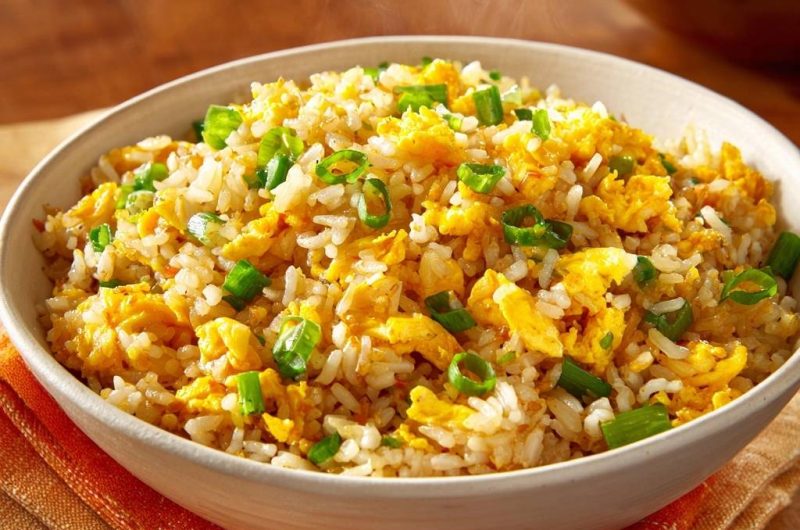
Egg Fried Rice
Course: Main CourseCuisine: ChineseDifficulty: easy2
servings10
minutes10
minutes450
kcal20
MinutesA classic fried rice recipe focusing on moisture control and high heat to ensure every grain is perfectly coated and never mushy. Using day-old rice and a specific tossing technique results in a vibrant, golden dish.
Ingredients
3 cups cooked long-grain white rice (chilled overnight)
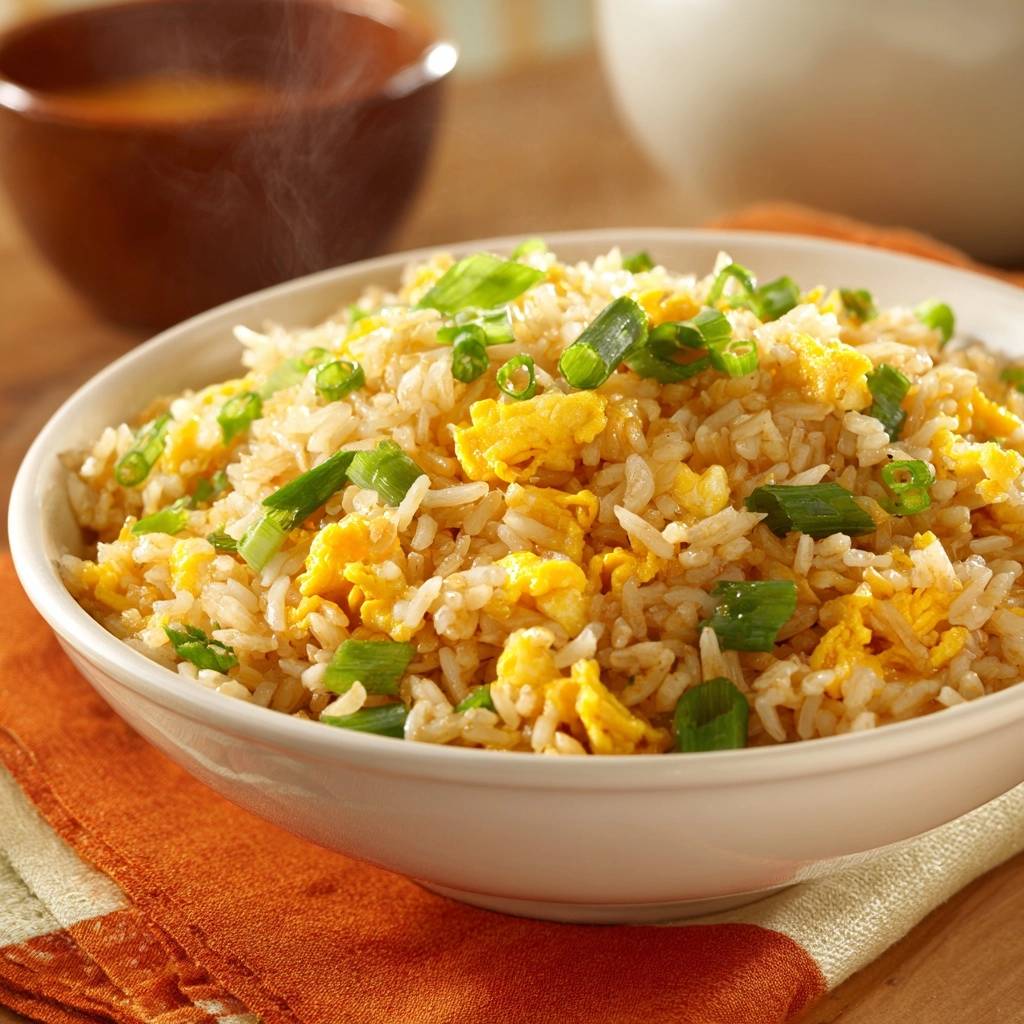
4 large eggs, beaten (extra eggs for the rich yellow color shown)
4 green onions, sliced (whites and greens separated)
3 tablespoons vegetable oil, divided
1 tablespoon light soy sauce (to keep the rice bright and golden)
1/2 teaspoon toasted sesame oil
1/4 teaspoon white pepper
1/2 teaspoon salt (or to taste)
Directions
- The most important step to prevent mushiness is using cold, day-old rice. Take your chilled rice out of the fridge and use your hands to break up any large clumps until the grains are individual and loose.
- Heat a large wok or non-stick skillet over high heat until it is shimmering. Add 1.5 tablespoons of oil and swirl to coat the surface.
- Pour the beaten eggs into the hot pan. Let them set for about 10 seconds until the bottom is golden, then quickly scramble them into large, distinct curds. Remove the eggs from the pan while they are still slightly soft and set them aside.
- Wipe the pan if needed and add the remaining 1.5 tablespoons of oil. Toss in the white parts of the green onions and stir-fry for 30 seconds until fragrant.
- Add the cold rice to the pan. Spread it out in an even layer and let it sit undisturbed for 45 seconds to develop a slight toast and evaporate surface moisture. Stir-fry for 2 to 3 minutes, using a tossing motion to ensure every grain is heated through.
- Drizzle the light soy sauce and sesame oil over the rice. Sprinkle with white pepper and salt. Toss vigorously for 1 minute to distribute the seasoning evenly without darkening the rice too much.
- Fold the cooked egg curds and the green parts of the onions back into the rice. Toss for another 30 seconds, breaking the eggs slightly so they are distributed throughout the rice as seen in the image. Serve immediately while steaming hot.
Notes
- The secret to the texture is using chilled, day-old rice. Breaking up the clumps by hand before cooking ensures even heat distribution and prevents sogginess.