Sausage Cornbread Dressing: Moist Skillet Mastery
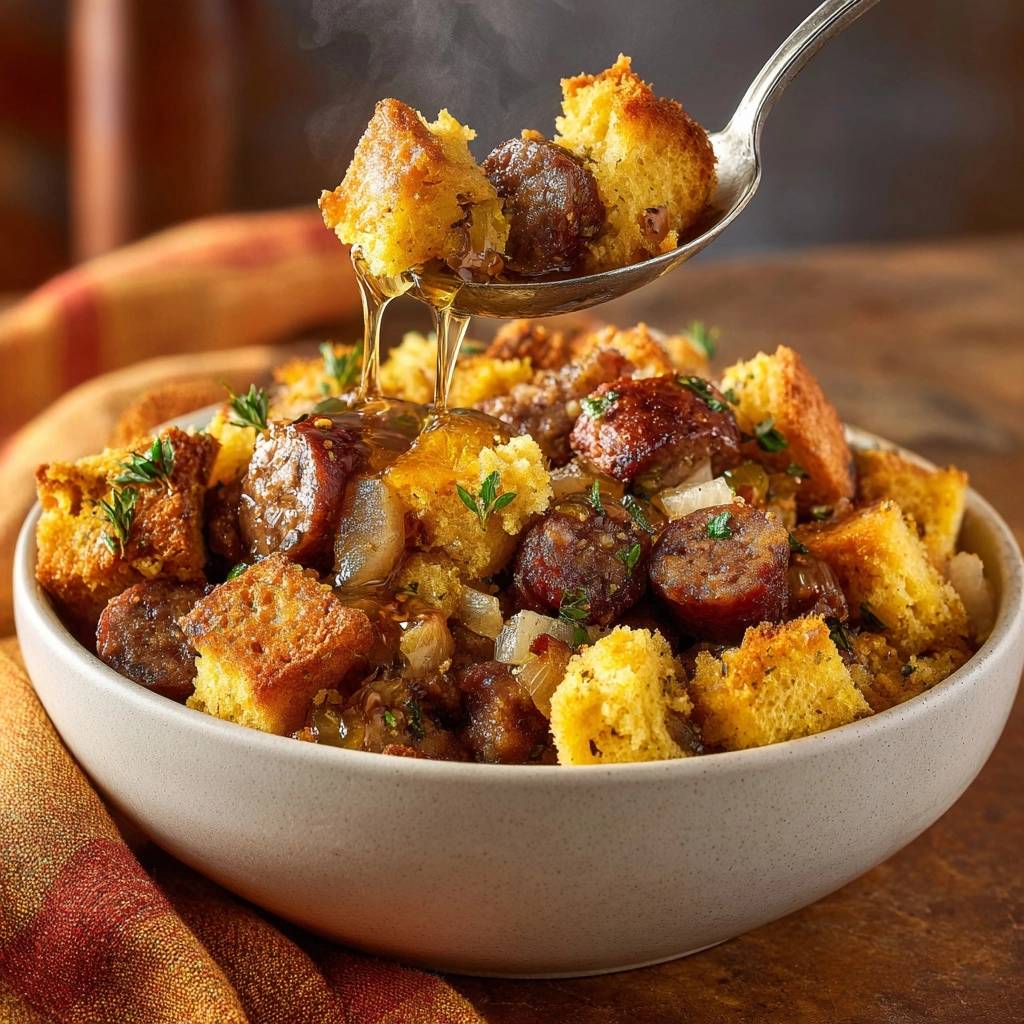
Sick of that crumbly, dry cornbread dressing that barely holds together on your plate? This skillet version changes everything. You render the sausage fat first, then coat every cornbread cube in it for juicy, flavorful bites that stay moist without a drop of extra broth.
That’s the genius here. Traditional dressing often dries out in the oven, but this one-pan method traps all the natural richness right where it belongs. You’ll get saucy, cohesive scoops every time.
The secret lies in not draining that golden sausage fat. It acts as your moisture binder, soaking into the stale cornbread for perfect texture. Trust me, once you try this, dry dressing becomes a distant memory.
Why Sausage Cornbread Dressing Transforms Holidays
Sausage cornbread dressing steals the show as a side dish that everyone fights over. It brings bold, savory punch to Thanksgiving tables or any holiday spread. In addition, the rendered fat innovation keeps it juicy, far better than soggy or dry versions.
This dish roots deep in Southern traditions, where cornbread dressing pairs perfectly with roasts. However, the skillet twist makes it accessible for weeknights too. Imagine the aroma filling your kitchen, drawing everyone in.
Skillet Method vs Traditional Baking
The skillet method shines over traditional baking because you retain every bit of sausage fat. Oven versions often dry out as moisture evaporates. Therefore, this one-pan approach delivers superior, cohesive texture.
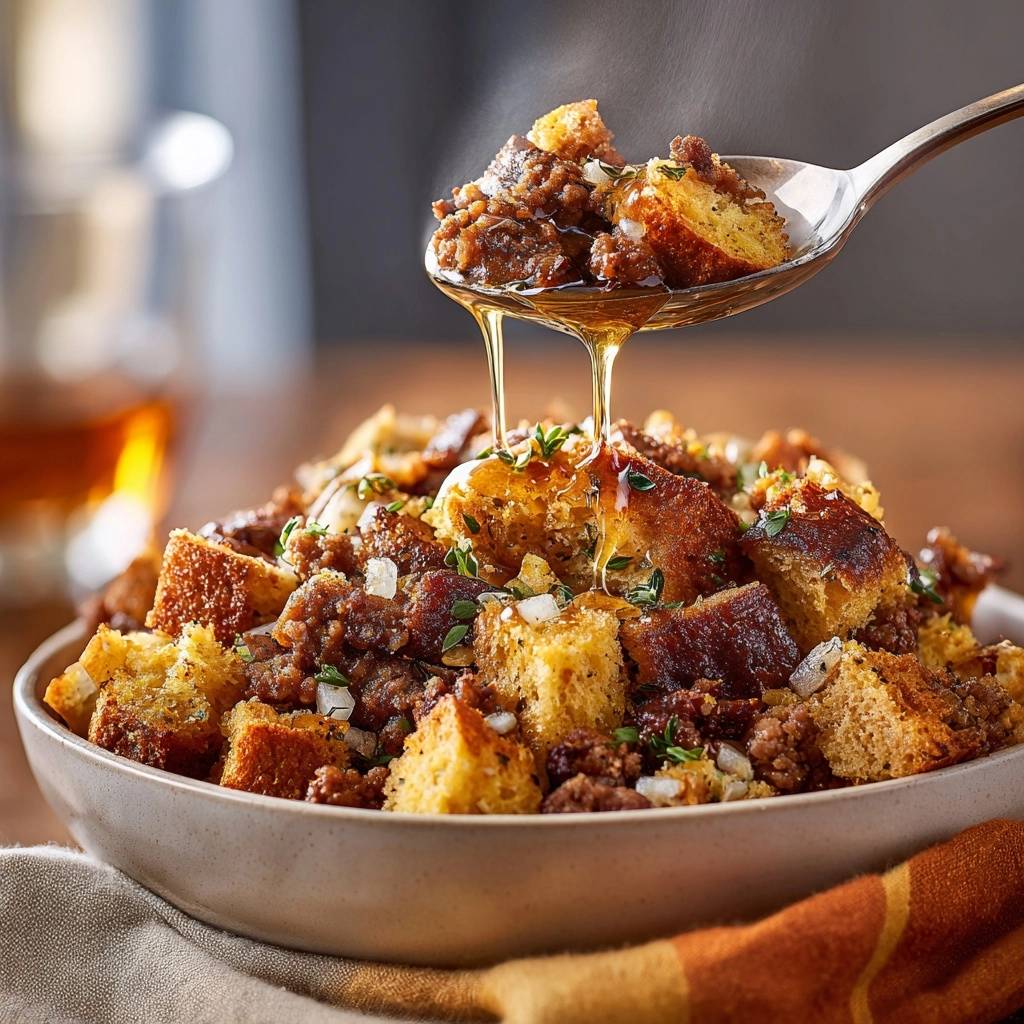
You cook everything together, so flavors meld deeply. No more separate bowls or soggy results. It’s quicker and foolproof.
Evolution from Classic Cornbread Stuffing
Cornbread dressing evolved in the American South from simple cornbread scraps mixed with seasonings. Sausage came later for heartier appeal. Nowadays, the skillet adaptation suits busy home cooks perfectly.
This version builds on those roots but amps up moisture. You’ll love how it honors tradition while fixing common flaws.
Key Ingredients for Sausage Cornbread Dressing
Start with 1 pound sausage links, sliced into ½-inch rounds. They render the fat that coats everything for moisture. Next, grab 4 cups day-old cornbread cubes; stale bread absorbs without turning mushy.
One large yellow onion, thinly sliced, adds sweet depth when caramelized. Finally, ¼ cup honey drizzles on top for a subtle glaze, and 2 tablespoons chopped fresh parsley brightens it all. Use quality sausage for the best fat render.
Pro tip: If your cornbread’s too fresh, toast cubes lightly first. That extra step prevents sogginess.
Selecting Best Sausage for Rendering Fat
Sausage links beat bulk sausage because slicing into ½-inch rounds maximizes fat release. Breakfast-style works great. For a lighter take, turkey sausage renders decently too, though beef sausage is richer.
Look for ones with good marbling. That ensures plenty of golden fat for your dressing.
Day-Old Cornbread: Texture Foundation
Cube 4 cups of day-old cornbread into 1-inch pieces. Stale bread’s drier structure soaks up sausage fat perfectly without falling apart. Homemade gives the best corn flavor, but store-bought crumbs in a pinch.
For a similar approach that keeps the dressing moist without getting heavy, try this cranberry sausage stuffing.
Fresh cornbread turns gummy, so plan ahead. It’s worth it for that ideal bite.
Onion and Honey: Balancing Sweet-Savory
Thinly slice the yellow onion so it softens fast in the fat, caramelizing for sweetness. Honey drizzle creates a glossy top that balances the savoriness. Fresh parsley chopped at the end adds a pop of color and freshness.
Don’t skip the parsley; it cuts through the richness beautifully.
Science of Fat-Rendered Moist Cornbread Dressing
Sausage fat emulsifies with the cornbread’s starches, coating each cube evenly. This locks in juiciness way better than broth. In addition, the skillet’s even heat triggers Maillard reaction on edges for crisp contrast.
Heat transfers steadily, steaming the interior while crisping outsides. That’s why it never dries out. Simple science makes this a winner.
How Rendered Fat Locks in Juiciness
The fat’s lipids bind to cornbread starches, preventing moisture loss. No-drain method keeps it all in. Therefore, your dressing stays saucy and cohesive.
Caramelization Dynamics with Onions
Onion sugars break down in hot sausage fat, creating deep flavor. Honey boosts this, forming a light crust. Together, they elevate the whole dish.
Equipment Essentials for Skillet Sausage Cornbread Dressing
A 10-12 inch cast iron skillet rules here for its heat retention. It holds the sausage fat’s warmth evenly. Use a lid for steaming, or stainless steel works if seasoned well.
Size matters; too small crowds the cornbread. Pro tip: Preheat gently to avoid sticking.
Cast Iron Skillet Advantages
Cast iron retains sausage fat heat, enhancing flavors via its seasoning. Wipe with oil after washing to maintain it. You’ll get perfect results every time.
Step-by-Step: Rendering Sausage for Cornbread Dressing
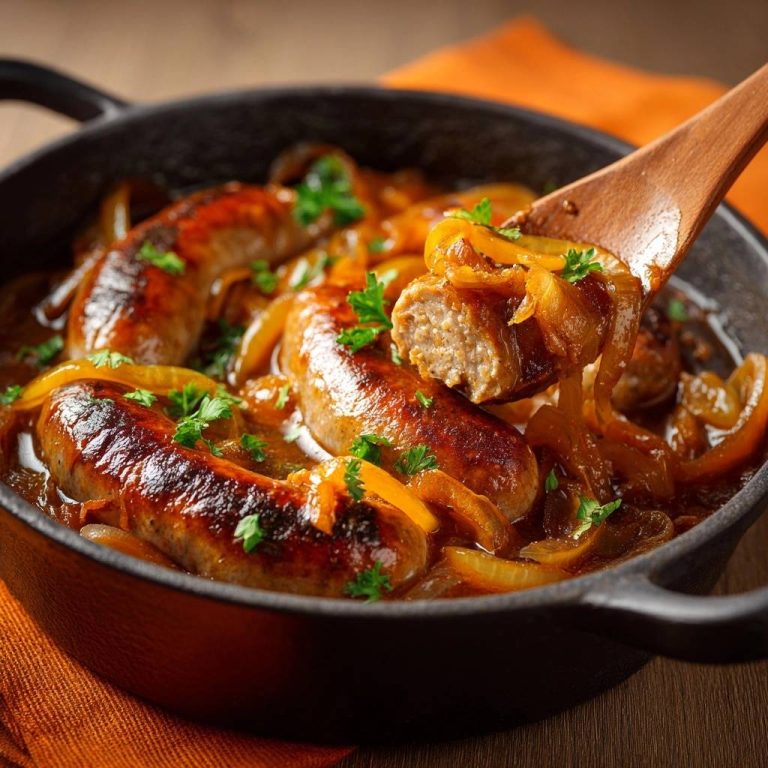
Heat your skillet over medium. Add sliced sausage and cook 8-10 minutes, stirring occasionally. Look for browned edges and pools of golden fat; that’s your moisture hero, so don’t drain it.
Splatter happens, so use a screen if needed. The fat smells rich and inviting as it renders.
Browning Sausage Without Draining Fat
Stir gently for even browning. That golden fat coats everything later, banishing dryness.
Step-by-Step: Caramelizing Onions in Sausage Fat
Push sausage aside. Add sliced onion to the fat and cook 5 minutes until softened and golden. Stir to soak up flavors, then mix back with sausage.
The same gentle folding technique works perfectly for this cheesy corn casserole too.
You’ll smell sweet caramel notes rising. It’s the base of great depth.
Achieving Softened, Golden Onions
Thin slices ensure quick softening. The fat deglazes naturally for max flavor.
Step-by-Step: Coating Cornbread Cubes Evenly
Add cornbread cubes right to the skillet. Toss gently 3-4 minutes until every piece glistens with fat. This infuses moisture deeply; avoid crushing them.
The cubes transform from dry to juicy right before your eyes.
Gentle Toss for Full Fat Absorption
Use a spatula with a folding motion. 1-inch cubes coat best without crumbling.
Step-by-Step: Finishing with Honey Drizzle
Spread mixture evenly. Drizzle honey over top, cover, and cook low 5-7 minutes until steaming. Uncover last 2 minutes for crispy edges.
Transfer to a bowl if you like, then garnish with parsley. Serve warm for saucy bites. Oh man, those edges crunch perfectly.
Low-Heat Steam and Crisp Edge Trick
Low heat steams inside while uncovering crisps outsides. Time it right for balance.
Avoiding Common Mistakes in Sausage Cornbread Dressing
Top pitfalls include draining fat, which dries everything out. Fresh cornbread makes mush, and high heat burns edges. Stick to day-old bread and medium-low temps.
Always toss gently. That keeps texture perfect.
Preventing Dry or Crumbly Texture
Retain all fat and use stale cornbread. No exceptions for moisture.
Fixing Overcooked or Soggy Results
Control heat and toss carefully. Low finish prevents both issues.
Flavor Variations for Sausage Cornbread Dressing
Try sage sausage for herbal notes. Add diced celery or bell peppers with onions for crunch. Spicy honey brings heat without overpowering.
Maple sausage works for sweeter twist, or mix in thyme. Keep the fat method core for moisture.
What to Serve Alongside
This hearty sausage cornbread dressing pairs well with a warm, creamy appetizer to balance the savory notes. Both options use a cheese base and nutty or sweet toppings that echo the dressing’s texture.
- Set out a Fig Walnut Baked Brie for a contrast of sweet figs and crunchy walnuts against the dressing’s rich cornbread and sausage.
- For a milder, herb-forward cheese dish, try the Honey Thyme Baked Brie Without the Mess — the honey and thyme mirror the dressing’s earthy seasoning without overwhelming it.
Herb-Infused and Spicy Twists
Upgrade parsley with sage or add peppers for kick. They blend seamlessly.
Make-Ahead Guide for Cornbread Dressing
Cook sausage and onions a day ahead; store in the skillet. Cube cornbread up to 3 days prior. Assemble and finish on serving day.
Freeze full dish up to 2 months in portions. Thaw overnight and reheat low, covered, to retain moisture. Pro tip: Add a splash of water if needed.
Freezing and Reheating Without Dryness
Portion airtight, thaw in fridge. Reheat skillet-low to revive fat juiciness.
Perfect Pairings for Sausage Cornbread Dressing
Pair with roast turkey or chicken for holidays. Southern greens balance the richness. Cranberry relish cuts through with tartness.
Sparkling cranberry juice refreshes alongside. Serve ½ cup portions as side.
Main Dishes That Complement Skillet Dressing
Poultry roasts shine, or veggie mains like roasted squash. They match the savory depth.
Troubleshooting Sausage Cornbread Dressing Issues
Common fixes keep you winning. Fat drained? Next time, embrace it fully. Soggy? Use staler bread.
Addressing Texture and Flavor Problems
Not crispy? Uncover longer. Bland? More honey or herbs next batch.
FAQ
How do I store leftovers of Sausage Cornbread Dressing?
Store in an airtight container in the fridge for up to 3 days. It reheats beautifully in a skillet over low heat with a lid to restore steam and crisp edges. Freezing works well too; portion into freezer bags for up to 2 months, thaw overnight in the fridge, then reheat gently to keep the fat moisture intact without drying out.
Why is my Sausage Cornbread Dressing still dry?
The most common cause is draining the sausage fat; always leave it in as your moisture hero. Also, ensure cornbread is truly day-old or stale, since fresh bread doesn’t absorb well and stays crumbly. Toss thoroughly in the fat for 3-4 minutes to coat every cube evenly.
Can I substitute the sausage in Sausage Cornbread Dressing?
Yes, turkey or chicken sausage works for a lighter version, though it renders less fat, so add a tablespoon of olive oil if needed. Avoid lean meats entirely; they won’t provide enough rendered fat for juiciness. Stick to links you can slice for best results.
What if I don’t have day-old cornbread for this recipe?
Make or buy cornbread today, then cube and dry it out. Spread cubes on a sheet pan and bake at 300°F for 20-30 minutes until stale and firm. This mimics day-old perfectly, ensuring it absorbs sausage fat without sogginess.
How can I make Sausage Cornbread Dressing crispier?
Uncover during the last 2-3 minutes of low-heat cooking and increase to medium for edge browning via Maillard reaction. For extra crunch, broil uncovered 1-2 minutes at the end, watching closely to avoid burning. The cast iron helps here big time.
Is Sausage Cornbread Dressing good for meal prep?
Absolutely; prep sausage and onions ahead, store separately up to 2 days. Assemble with cornbread when ready. It holds flavor well and reheats moist if you use the skillet method with a lid first, then uncover. Perfect for holiday sides or weeknight boosts.
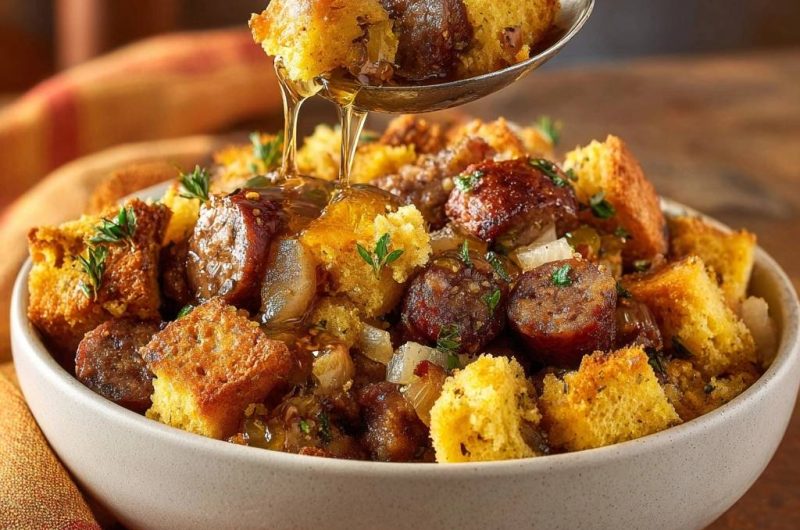
Sausage Cornbread Dressing
Course: Side DishCuisine: AmericanDifficulty: easy6
servings15
minutes25
minutes450
kcal40
MinutesSick of crumbly, dry cornbread dressing that falls apart? This skillet version renders sausage fat first to coat every cornbread cube, locking in juicy moisture without added broth.
Ingredients
1 pound sausage links (such as breakfast sausage), sliced into ½-inch rounds
4 cups day-old cornbread, cubed
1 large yellow onion, thinly sliced
2 tablespoons fresh parsley, chopped
1/4 cup honey
Directions
- Heat a large skillet over medium heat. Add sliced sausage and cook 8-10 minutes, stirring occasionally, until browned and fat renders out. This golden fat is your moisture hero; do not drain it.
- Push sausage to one side. Add sliced onion to the fat and cook 5 minutes until softened and caramelized, stirring to absorb flavors. Mix onions back with sausage. Cook until no pink remains and it reaches 160°F (71°C).
- Add cornbread cubes directly to the skillet. Toss gently 3-4 minutes to fully coat cubes in rendered sausage fat; this step soaks in all the juices for guaranteed moist texture, no dryness ever.
- Spread mixture evenly in skillet. Drizzle honey over top. Cover and cook on low 5-7 minutes until hot and steaming, uncovering last 2 minutes for crispy edges.
- Transfer to a serving bowl if desired. Garnish with chopped parsley. Serve warm, scooping up saucy, moist bites.
Notes
- Use day-old cornbread for best texture. Do not drain the sausage fat—it’s the key to moisture!