Beef Bok Choy Stir-Fry: Crisp Greens, Juicy Beef
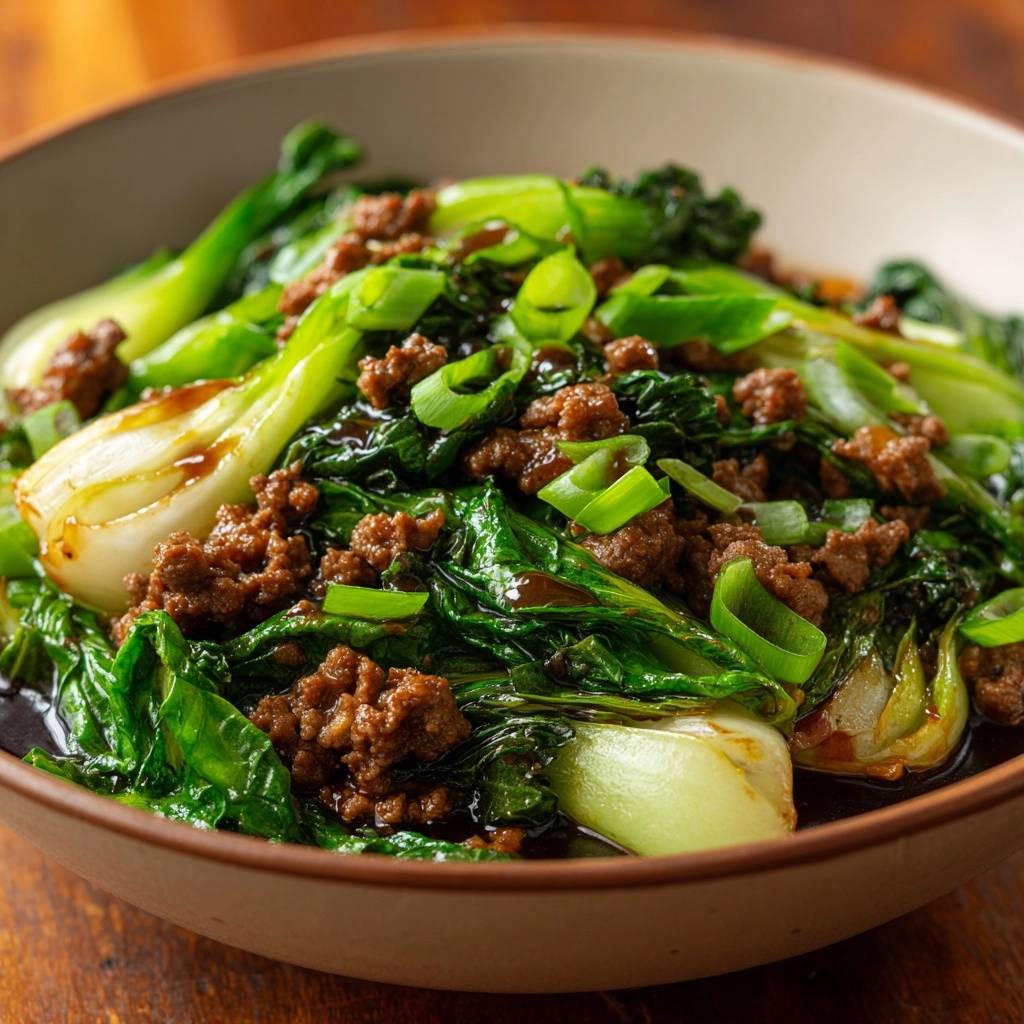
Ever end up with a pile of mushy greens in your beef bok choy stir-fry? You’re not alone. Most home cooks dump everything in at once, and the bok choy steams into sogginess. But this beef bok choy stir-fry changes that with a stem-first, high-heat blast.
Here’s why it works so well. That quick 15-minute cook time gets dinner on the table fast, while the method keeps the greens crisp-tender and the beef juicy. Plus, it evaporates excess water from the stems right away, so you get vibrant flavor instead of a watery mess.
The real secret lies in searing the beef undisturbed first. It builds those deep browned flavors through Maillard reaction. Meanwhile, the high-heat wok turns bok choy stems tender without losing crunch. You’ll crave this beef bok choy stir-fry every weeknight.
Why Beef Bok Choy Stir-Fry Succeeds
This dish nails the balance of rich beef and fresh bok choy. Umami from the sauces coats everything in glossy goodness, while the greens cut through with crisp freshness. In addition, it’s packed with lean protein and vitamins A, C, and K from the bok choy.
Therefore, it’s a low-carb winner at under 400 calories per serving with 25 grams of protein. Rooted in Asian stir-fry traditions, this bok choy beef stir-fry adapts perfectly for busy home kitchens. You get restaurant quality without the wait.
Core Appeal of Bok Choy and Beef Pairing
Bok choy brings crunch that contrasts beautifully with tender beef. However, the stems’ firmness needs extra heat to soften just right. That pairing delivers satisfying texture in every bite.
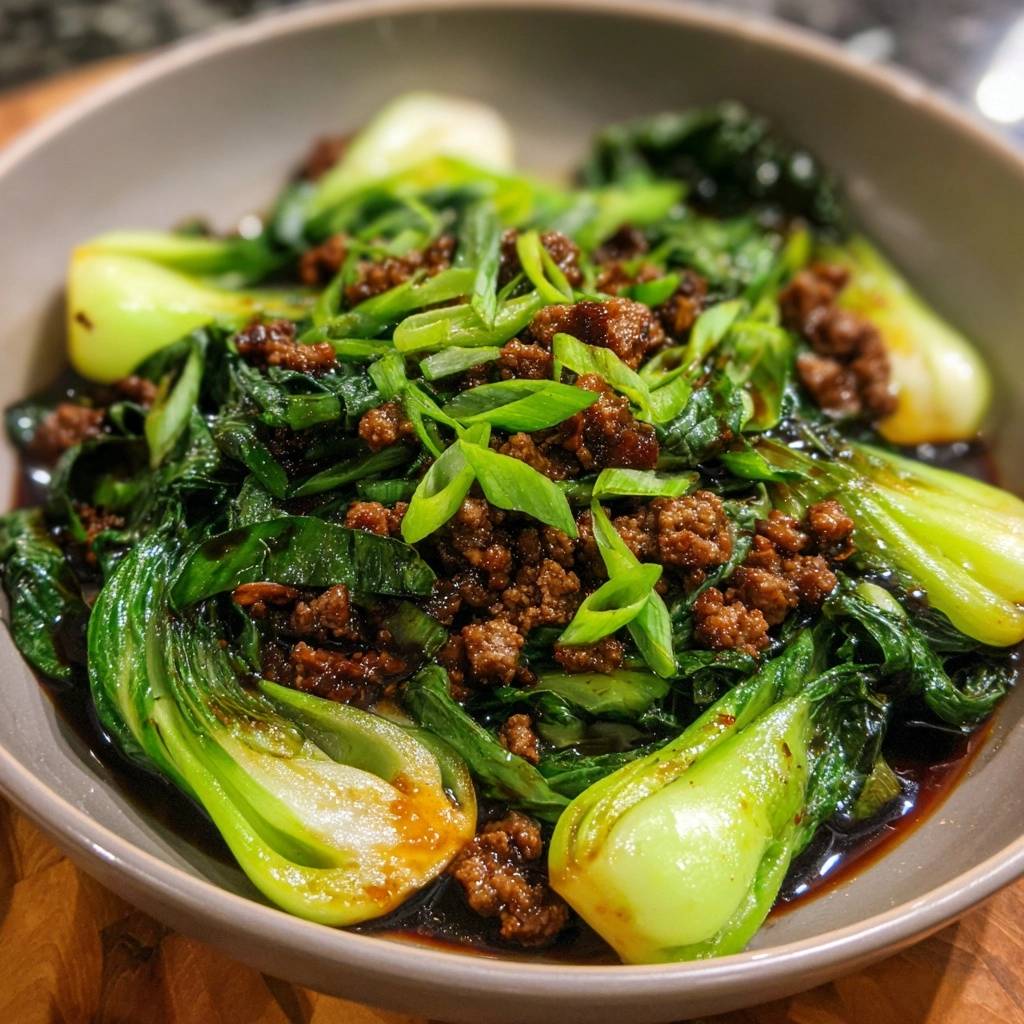
Nutrition shines too. Each serving hits 25 grams of protein and stays under 400 calories. It’s hearty yet light, perfect for any meal.
Key Ingredients for Beef Bok Choy Stir-Fry
Start with 1 pound ground beef for juicy richness. It browns fast and stays crumbly. Then grab 4 large bok choy heads, separated into stems chopped into 1-inch pieces and leaves roughly chopped. Separating them prevents sogginess, as stems need more time.
A bunch of scallions, sliced with whites and greens apart, adds sharp bite. For sauces, use 3 tablespoons soy sauce, 2 tablespoons oyster sauce, and 1 tablespoon sesame oil. They build deep umami. Finally, 2 tablespoons vegetable oil fuels high heat, plus salt and pepper.
No soy? Swap tamari easily. Fresh ingredients matter most, so source crisp bok choy from Asian markets if you can. These keep your beef bok choy stir-fry foolproof.
Bok Choy Stems vs Leaves Breakdown
Stems go first because they’re firmer and hold more water. Chop into 1-inch pieces for even searing. Leaves wilt fast, so add them later to stay vibrant.
This separation ensures crisp-tender results. Skip it, and everything turns mushy.
Sauces Driving Umami in Stir-Fry
Soy brings salty depth, oyster adds sweet richness, and sesame oil finishes with nutty aroma. Fermentation in soy and oyster creates that glossy, layered sauce. Toss at the end for perfect cling.
Science of Crisp Bok Choy in Stir-Fry
High heat evaporates the 90% water in bok choy stems instantly. That crisp beef bok choy stir-fry texture comes from this sear, not steaming. Low heat traps moisture and leads to sogginess.
Meanwhile, beef benefits from Maillard browning for savory crust. Therefore, crank the wok to shimmering hot. You’ll smell the difference as aromas bloom.
Pro tip: If smoke alarms bug you, use a well-ventilated space. The payoff is worth it for that restaurant-style crispness.
High-Heat Evaporation for Tender Stems
Bok choy stems are 90% water, so high wok heat vaporizes it fast. Sear for 3 minutes spread thin. They turn tender-crisp without wilting.
Timing matters. Pull them early to avoid chewiness.
Essential Tools for Bok Ch Bok Choy Stir-Fry
A large wok or skillet works best. Carbon steel retains heat like a champ for searing. However, any big nonstick pan does in a pinch.
Grab a sturdy spatula to break up beef and toss greens. No fancy gear needed. These basics ensure your beef bok choy stir-fry succeeds.
Heat recovery is key after adding cold ingredients. Let it shimmer again before next steps.
Why Wok Shape Maximizes Stir-Fry Success
Sloped sides let you toss ingredients high for even cooking. It promotes browning without burning. Affordable carbon steel woks season beautifully over time.
No wok? A wide skillet mimics the action. Just spread food thin.
Step-by-Step Beef Bok Choy Stir-Fry Method
Heat 1 tablespoon vegetable oil in your wok over high until shimmering, about 30 seconds. Add 1 pound ground beef. Break it up, but cook undisturbed for 2 minutes for browning. Stir and finish in 3 minutes total till crumbly. Remove to a plate.
Next, add the last tablespoon oil. Toss in chopped bok choy stems and scallion whites. Stir-fry 3 minutes on high, spreading out for max contact. You’ll see steam rise as water evaporates, leaving sweet aroma and crisp texture. Season lightly with salt.
Push stems aside. Add bok choy leaves and scallion greens. Stir 1 minute till leaves wilt but stay bright green. Return beef to wok. Pour in soy sauce, oyster sauce, sesame oil. Toss 1 minute to coat and thicken. Taste, add pepper, serve over rice.
Phase 1: Browning Ground Beef Fully
Undisturbed sear builds flavor compounds. Don’t stir too soon, or it steams. Drain excess fat if needed for less grease.
Phase 2: Searing Bok Choy Stems First
Spread thin for 3-minute blast. Salt draws out moisture for faster evaporation. They soften with snap intact.
Phase 3: Wilting Leaves and Reuniting
One minute wilts leaves vibrantly. Add beef back now for warmth. Keep heat high.
Phase 4: Saucing and Final Toss
Sauces thicken from beef juices. Toss evenly for gloss. Always taste before serving.
Avoiding Soggy Bok Choy Pitfalls
Top mistake: overcrowding the wok, which steams everything. Cook in batches if needed. Low heat traps water, so stay on high.
Don’t wash bok choy right before cooking; dry thoroughly. Chop evenly for uniform cooking. Always separate stems. Fix these, and your beef bok choy stir-fry shines.
Pro tip: Prep everything mise en place style. It keeps the high-heat pace smooth.
Overcrowding Wok Leads to Steaming
Batch cook large amounts. Let wok reheat fully between. This preserves crispness.
Flavor Twists on Beef Bok Choy Stir-Fry
Swap ground beef for thin-sliced flank steak; sear quick. Baby bok choy works, just halve and reduce stem time. Add minced ginger and garlic with stems for punch.
Hoisin instead of oyster sweetens it up. Stir in sriracha for heat. Core high-heat method stays the same for crisp results.
Protein Swaps Beyond Ground Beef
Thin sirloin slices cook in 2 minutes. Tofu for veggie version: press dry first, then sear. Adjust times to avoid toughness.
Perfect Pairings for Bok Choy Stir-Fry
Jasmine rice soaks up the glossy sauce perfectly. Cauliflower rice keeps it low-carb. Cucumber salad adds cool crunch.
For a perfect pairing, try our Glazed Beef Broccoli Stir-Fry: Tender Beef Mastery.
Upgrade to egg fried rice for heartiness. Green tea cuts the richness nicely.
Rice Choices Enhancing Sauce
Sticky jasmine clings best. Cook fluffy long-grain if you prefer separate grains. Steam it ahead.
Beef Bok Choy Stir-Fry Storage Guide
Store leftovers in an airtight container in the fridge up to 3 days. It reheats well in a hot skillet to revive crispness; microwave softens greens.
Freezes for 2 months in portions. Thaw overnight, then stir-fry fresh. Avoid plastic bags alone; use rigid containers to prevent mush.
Common Beef Bok Choy Stir-Fry Queries
Can I Use Baby Bok Choy Here?
Yes, perfect swap. Halve baby heads lengthwise, sear stems 2 minutes instead of 3. Leaves wilt even faster, so watch closely for vibrancy.
Gluten-Free Beef Bok Choy Stir-Fry Adaptation?
Swap soy for tamari and use gluten-free oyster sauce. Everything else stays the same. Sauce thickens identically for full flavor.
Vegetarian Version of This Stir-Fry?
Replace beef with sliced mushrooms or crumbled tempeh. Sear them first for browning. Boost umami with extra oyster sauce.
Scaling Up for Family Batch?
Double ingredients, but cook in two batches to avoid steaming. Use a bigger wok if available. Sauce scales evenly.
How Do I Prevent Soggy Bok Choy?
Separate stems and leaves, sear stems on high heat first for 3 minutes. Dry greens well after washing. High heat evaporates water instantly.
Can I Make Beef Bok Choy Stir-Fry Ahead?
Prep ingredients up to 4 hours early. Cook fresh for best crispness. Leftovers reheat crisply in a skillet, not microwave.
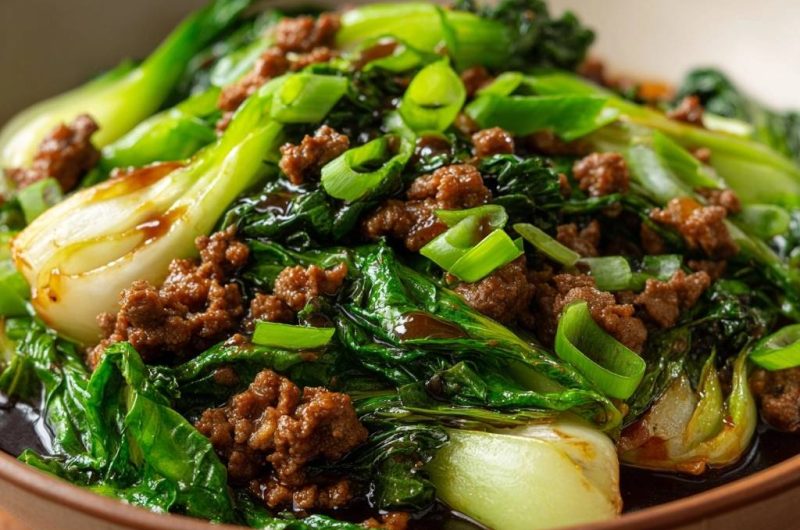
Beef Bok Choy Stir-Fry
Course: Main CourseCuisine: AsianDifficulty: easy4
servings10
minutes10
minutes450
kcal20
MinutesTired of bok choy turning mushy in stir-fries? This recipe fixes it with a simple stem-first, high-heat blast that evaporates excess water for crisp-tender greens every time, while the beef stays juicy and flavorful.
Ingredients
1 pound ground beef
4 large bok choy heads, separated into stems and leaves (stems chopped into 1-inch pieces, leaves roughly chopped)
1 bunch scallions, sliced (white and green parts separated)
3 tablespoons soy sauce
2 tablespoons oyster sauce
1 tablespoon sesame oil
2 tablespoons vegetable oil
Salt and pepper to taste
Directions
- Heat 1 tablespoon vegetable oil in a large wok or skillet over high heat until shimmering, about 30 seconds. Add ground beef, break it up with a spatula, and cook undisturbed for 2 minutes to brown one side. Stir and cook until browned and crumbly, about 3 minutes total. Remove beef to a plate. Cook until no pink remains and it reaches 160°F (71°C).
- Add remaining 1 tablespoon vegetable oil to the hot wok. Toss in bok choy stems and white parts of scallions. Stir-fry on high heat for 3 minutes, spreading them out to maximize contact with the hot surface. This high-heat sear releases and instantly evaporates the stems’ water, preventing sogginess and creating tender-crisp texture. Season lightly with salt.
- Push stems to the sides, add bok choy leaves and green scallion parts. Stir-fry for 1 minute until leaves just wilt but stay vibrant green.
- Return beef to the wok. Pour in soy sauce, oyster sauce, and sesame oil. Toss everything for 1 minute to coat evenly and thicken the sauce. Taste and adjust with pepper. Serve hot over rice.
Notes
- Separate bok choy stems and leaves for best texture. High heat is key to evaporating excess water and preventing sogginess.