Caramelized Pineapple Chunks: Skillet Perfection Without Watery Glaze
Why Caramelized Pineapple Chunks Transform Everyday Meals
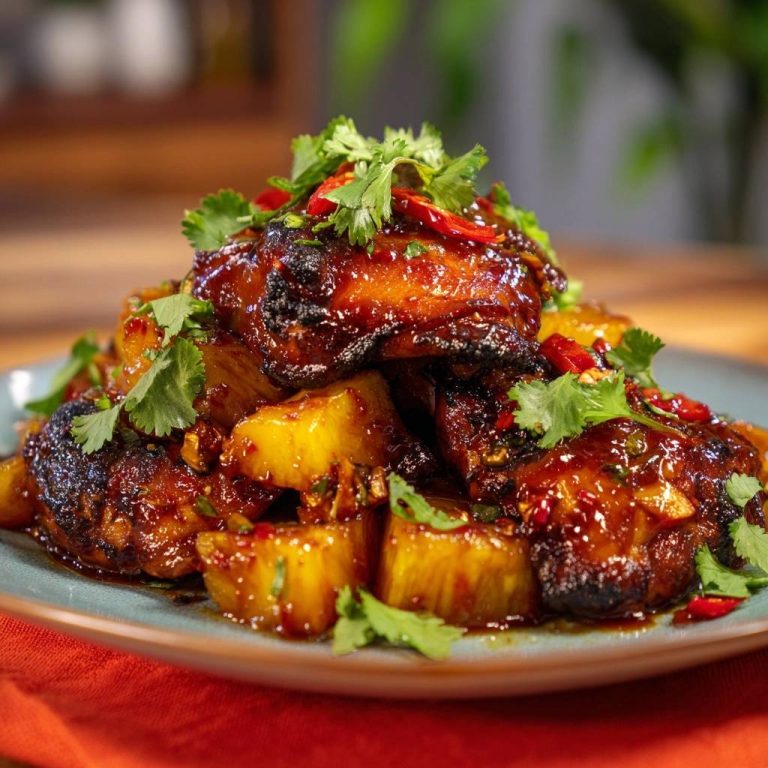
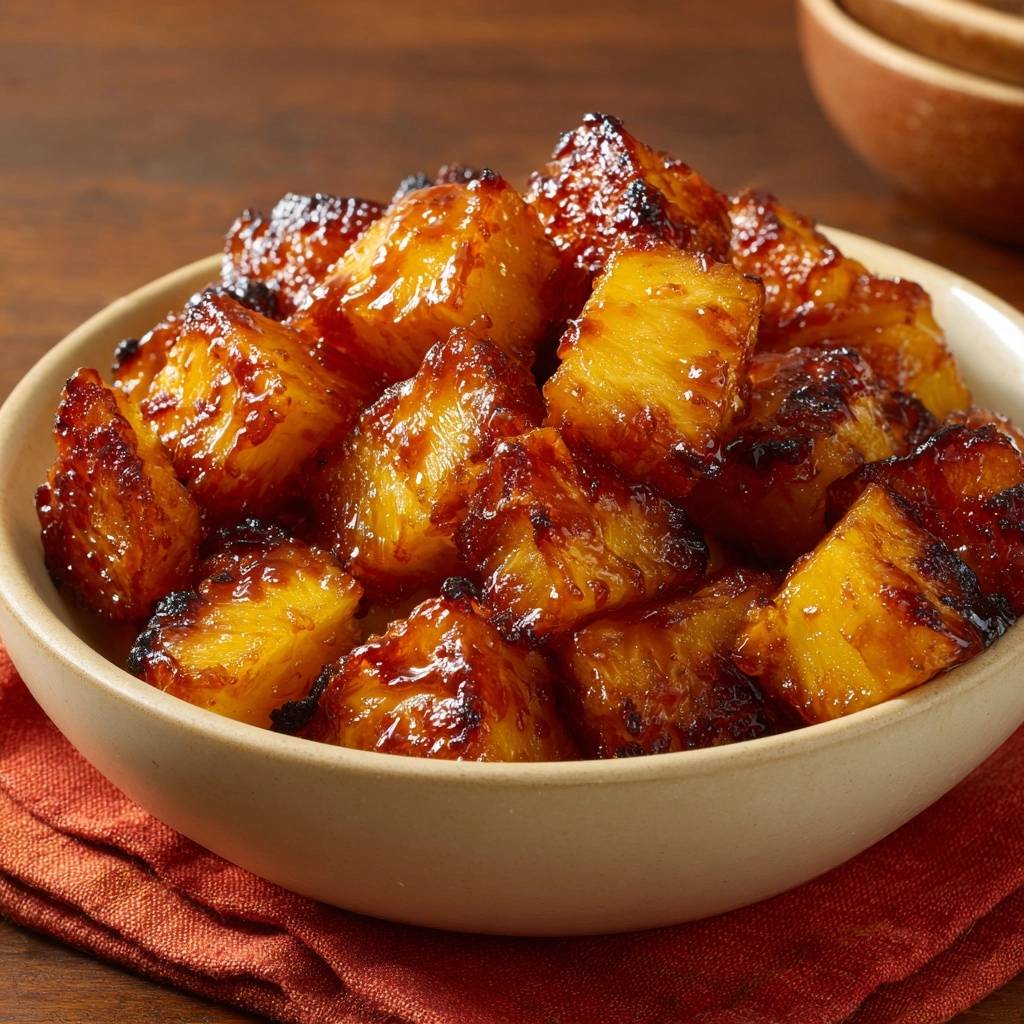
Glazed pineapple usually turns into a soggy puddle, right? You know that frustrating pool of watery syrup that ruins the whole thing. But this skillet method changes everything with a simple pat-dry trick and high-heat sear. Suddenly, you get glossy, sticky chunks that cling perfectly without a drop of liquid.
Therefore, these caramelized pineapple chunks shine as a snack, yogurt topper, ice cream drizzle, or grilled meat side. Imagine the sweet, caramelized aroma filling your kitchen, that slight char crunch giving way to juicy tenderness. In addition, they elevate any meal instantly.
The secret lies in patting the chunks extremely dry first. This prevents steaming so the sugar hits caramelization temps right away. You’ll nail sticky perfection every time.
Essential Components for Caramelized Pineapple Chunks
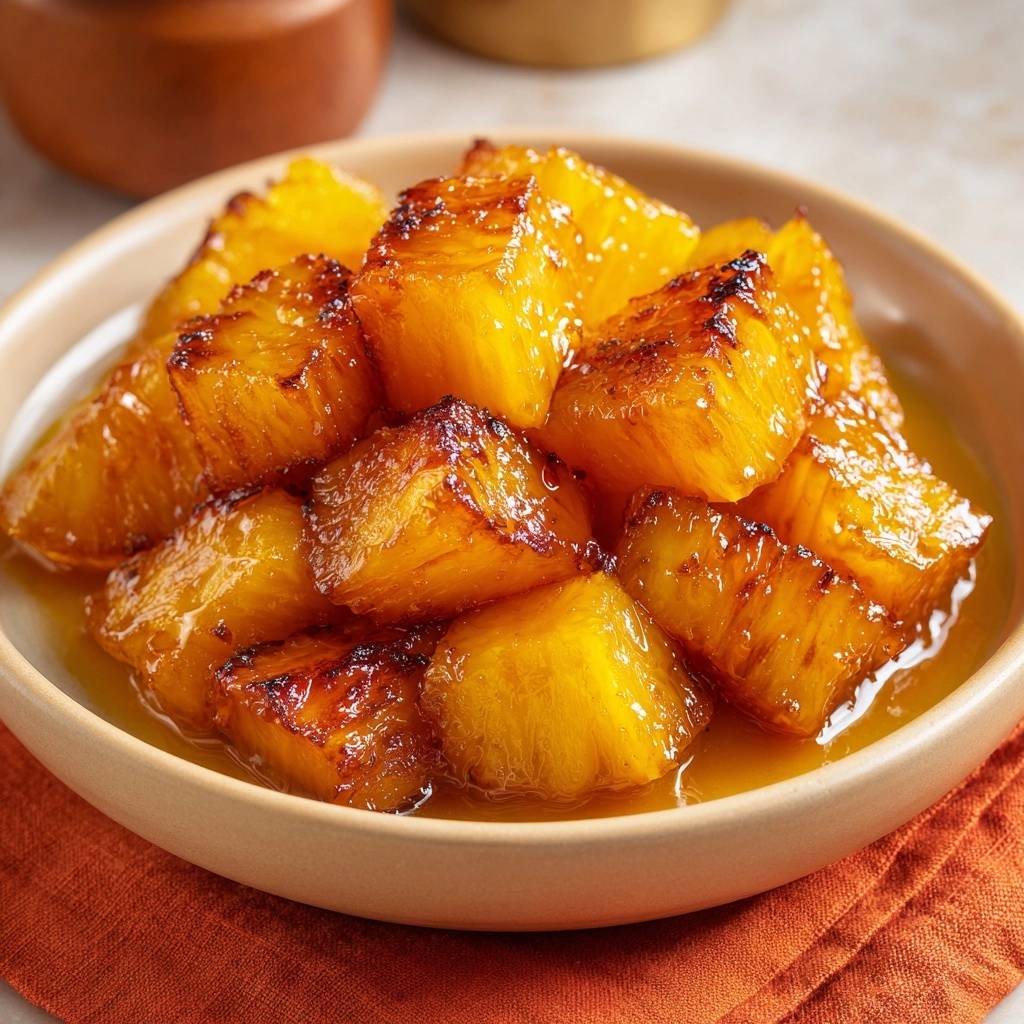
Fresh pineapple forms the star here. Its enzymes boost natural sweetness, unlike canned versions packed in syrup. Therefore, pick a ripe one by its golden color and sweet smell at the base. Cut into 1-inch chunks for even cooking; this recipe serves four generously.
Brown sugar brings molasses depth for rich caramel notes. White sugar falls flat without that chewiness. Meanwhile, unsalted butter provides clean fat for searing; salted risks bitterness.
A pinch of salt enhances all the fruit sugars. Use 1/2 cup brown sugar and 4 tablespoons butter total. Fresh quality matters most for that pro-level glaze.
Pineapple Selection and Prep Basics
Choose pineapples heavy for their size with a sweet scent. Avoid green or mushy spots; overripe fruit turns tough or watery. Peel, core, and cube into uniform 1-inch pieces for even caramelization.
Brown Sugar and Butter Pairing Science
Brown sugar inverts sucrose to kick off the Maillard reaction with butter’s milk solids. Therefore, it builds deep flavor fast. Unsalted butter avoids bitter notes, keeping the sear pure and golden.
Science of Dry Pineapple Chunks for Sticky Caramelization
Moisture on pineapple causes steaming below caramelization temps around 320°F. Patting dry removes surface water, so sugar melts instantly without dilution. High heat near butter’s 350°F smoke point evaporates juices quick.
Boiled methods dilute everything into soup. Here, however, searing in a single layer reduces liquids to a clingy glaze. The dry start makes all the difference.
Pro tip: Weigh chunks before and after drying; you’ll squeeze out up to 20% moisture. This physics hack guarantees no pooling.
Moisture Removal Prevents Pooling
Press chunks between stacked paper towels for a full minute, then air-dry five minutes via osmosis. This pulls hidden water out. Test it; drier fruit means thicker glaze.
High-Heat Searing Locks in Flavors
Single-layer cooking builds fond through thermodynamics. Sear undisturbed for fond’s browned bits. Therefore, flavors intensify without steaming.
Skillet Setup for Caramelized Pineapple Chunks
Grab a cast-iron or stainless skillet for superior heat retention; nonstick slips on fond. Heat to medium-high, about 375°F if you have a thermometer. A large 12-inch size prevents crowding.
Therefore, juices evaporate evenly. Carbon steel works great too. Wipe clean after; hot water deglazes stuck bits easily.
Phase 1: Drying and Syrup Base for Caramelized Pineapple
Pat pineapple chunks super dry, pressing firmly for 30 seconds per batch. Let air-dry five minutes. This stops steam and sets up caramel magic.
Heat skillet medium-high. Add butter; watch it foam and smell nutty, about one minute. Stir in brown sugar and salt until it dissolves into thick syrup, 45 to 60 seconds. No boiling yet; look for bubbling edges.
Common mistake: Skipping dry time leads to soup. However, follow this and your base thickens perfectly.
Pressing Out Pineapple Moisture
Stack two towels, pile chunks, press one minute, flip, repeat. Air-dry five minutes more. This fixes watery woes alone.
Phase 2: Searing Caramelized Pineapple Chunks
Add dry chunks in a single layer; batch if needed. Sear undisturbed three minutes until edges char and caramelize. Flip, sear other side three minutes; juices vanish fast from high heat.
Reduce to medium. Toss in glaze two to three minutes until syrup clings thickly, no pools. Pull off heat quick for glossy shine.
Perfection signs: Sticky coat, caramel aroma, slight crunch. Pro tip: Batch cooking keeps heat high for larger yields.
Flipping for Even Char
Use tongs for grip; monitor edges for golden char. Juices evaporate in two minutes. Spatula works but tongs flip precise.
Avoiding Pitfalls in Caramelized Pineapple Chunks
Watery glaze? Undried fruit steams it. Burnt sugar means heat too long; pale chunks signal low heat or crowding. Overripe pineapple gets tough.
Fixes include a vinegar splash for stuck bits or heat tweaks. Prevention checklist: Dry thoroughly, single layer, time sears exactly.
Therefore, you’ll avoid every common flop with these tips.
Watery Glaze Fixes
Root cause is moisture; reinforce dry protocol. Press harder next time. High heat evaporates the rest.
Burning and Sticking Prevention
Manage heat drops post-sear. Butter layer prevents initial stick. Deglaze pan later if needed.
Flavor Twists on Caramelized Pineapple Chunks
Add cinnamon or vanilla to the syrup stage for warmth. Post-sear lime zest brightens it up. Ginger grate brings spice; swap coconut sugar for paleo vibes.
Chili flakes add savory kick. Adjust portions same way; don’t overload pan. These twists keep it fresh.
Pro tip: Zest timing preserves oils without bitterness.
Citrus and Spice Enhancements
Stir zest after heat drop to avoid burn. Balance spice with 1/4 teaspoon starts. It cuts sweetness perfectly.
Pairing Caramelized Pineapple Chunks with Mains
Serve warm over coconut rice or with grilled chicken and fish. Toss into salads or cheese platters for contrast. As dessert, pile on pancakes or waffles.
Warm temp maximizes stickiness. Try pineapple salsa with herbs. It transforms basics into wow dishes.
If you enjoy the caramelized fruit technique here, try this method for caramel apple biscuits too.
Versatile for any meal.
Savory Protein Matches
Cuts richness in turkey or seafood glazes. Sweet char balances smoky grills. Pairs with fish tacos too.
Dessert and Breakfast Ideas
Top yogurt parfaits or oat bowls. Warm chunks melt into bliss. Breakfast waffles love it.
Storage Guide for Caramelized Pineapple Chunks
Cool fully, then store in airtight container in fridge up to five days. Reheat in skillet over medium to crisp glaze back up; skip microwave to avoid sogginess.
Freeze by sheet-traying first, then bag for three months. Thaw overnight, re-sear. Keeps that sticky texture.
Frequently Asked Questions on Caramelized Pineapple Chunks
Can I Use Canned Pineapple?
No, canned packs excess liquid that dilutes glaze. If desperate, drain, rinse, pat rigorously dry, but fresh gives superior caramelization and flavor every time.
How to Scale for Larger Batches?
Double ingredients, but use two skillets or cook in multiple batches to maintain single layer. Heat stays high, preventing steam and ensuring even char.
Vegan Version Possible?
Yes, swap butter for coconut oil or vegan butter. Same quantities; coconut oil adds tropical note that pairs perfectly with pineapple.
Why No Pooling Liquid Here?
Dry-start removes moisture to skip steaming, plus high-heat searing evaporates juices fast into clingy syrup. Pat dry and sear single-layer for zero pools.
Best Serving Temperature?
Warm, right off heat or gently skillet-reheated. Maximizes sticky glaze adhesion and releases aromas; room temp works but loses some crunch.
Caramelized Pineapple
Course: Side DishCuisine: AmericanDifficulty: easy4
servings10
minutes10
minutes250
kcal20
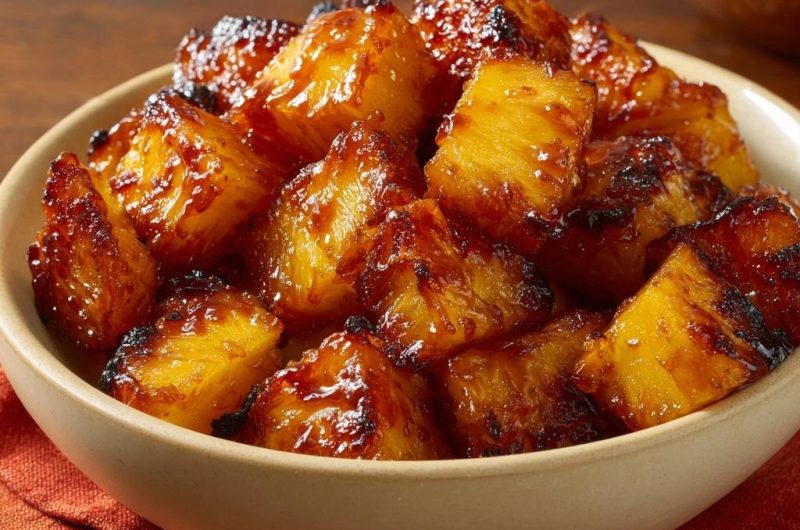
MinutesGlazed pineapple always ends up a soggy, juice-filled mess? This foolproof skillet method pats out excess moisture first and uses high-heat searing to lock in sticky caramel perfection without a drop of pooling liquid.
Ingredients
1 fresh pineapple, peeled, cored, and cut into 1-inch chunks
1/2 cup packed brown sugar
4 tablespoons unsalted butter
Pinch of salt
Directions
- Start with the key fix for no watery glaze: Pat the pineapple chunks extremely dry with paper towels, pressing firmly to absorb all surface moisture. This prevents steaming and lets sugar caramelize instantly. Let them air-dry 5 minutes if possible.
- Heat a large skillet over medium-high heat. Add butter and let it melt and foam, about 1 minute.
- Stir in brown sugar and salt until fully dissolved into a thick syrup, about 1 minute. No boiling yet.
- Add pineapple chunks in a single layer (work in batches if needed). Sear undisturbed for 3 minutes until edges caramelize and char slightly. Flip chunks and sear other side 3 minutes more. Juices will evaporate fast thanks to the dry start and high heat.
- Reduce heat to medium. Toss chunks in glaze 2-3 minutes until syrup thickens and clings without any liquid pooling. Remove from heat immediately.
- Serve warm as a side, topping, or snack. Perfect glossy, sticky results every time.
Notes
- Pat pineapple chunks extremely dry to prevent steaming and ensure perfect caramelization. Serve warm as a side, topping, or snack.