Classic Lemon Bars with Firm, Sliceable Filling
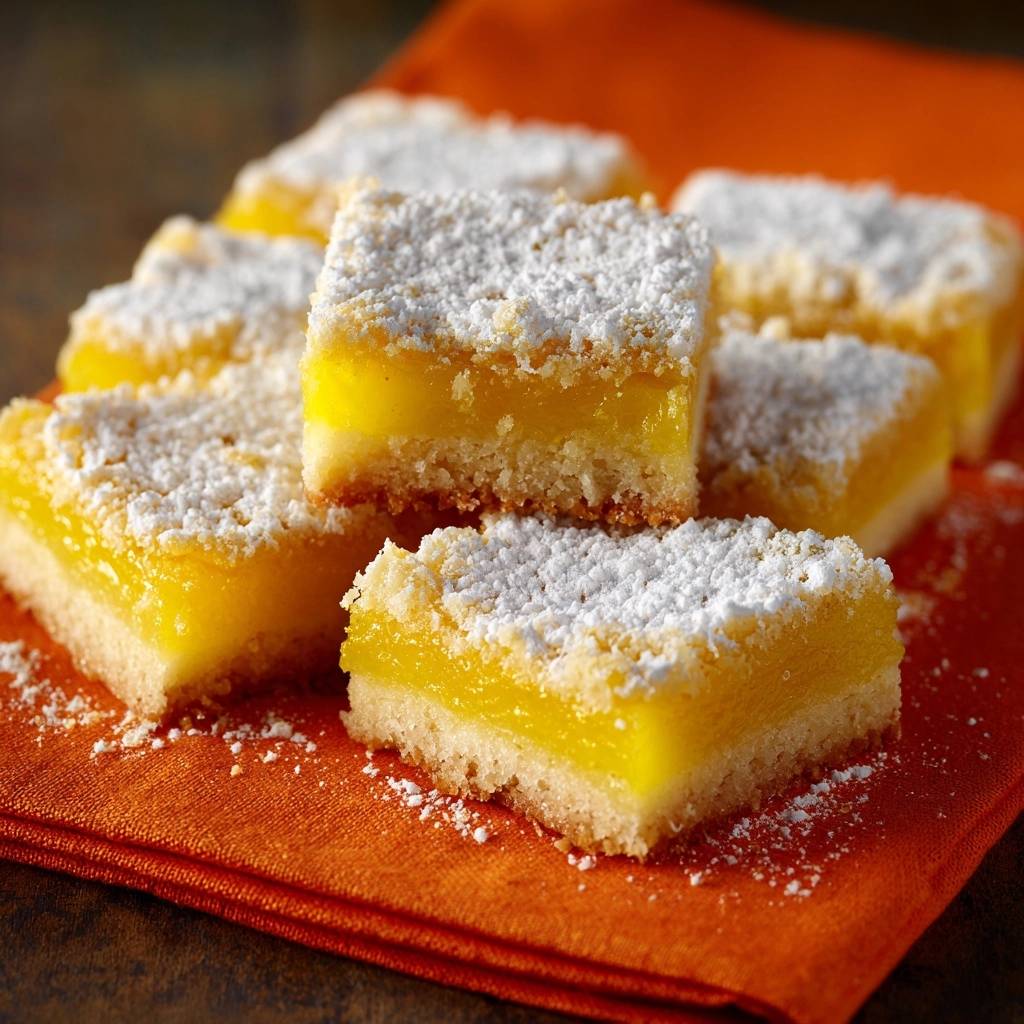
Picture this: you slice into lemon bars and they hold their shape perfectly, no oozing mess on the plate. That’s the dream, right? Most recipes fail because they skip the thickening magic, leaving you with a puddle. But this version changes everything with cornstarch and a smart chill.
So why do these bars deliver that tangy zing and buttery snap every time? It comes down to balancing acid, eggs, and starches just right. You’ll get a filling that’s creamy yet firm, with a shortbread crust that melts in your mouth.
Here’s the pro tip that seals the deal: sift the flour and cornstarch together before whisking them in. This prevents lumps and creates a stable network that fights off runniness, even after hours in the fridge. Trust me, it’s the difference between sloppy and sliceable.
Why Classic Lemon Bars Need Thickening Precision
Most lemon bars turn runny because lemon’s acid messes with egg proteins, stopping them from setting firm. Flour alone can’t handle it; the filling weeps when cut. However, adding cornstarch builds a gel that stabilizes everything.
In addition, this combo forms a network that traps moisture without curdling. Flour-only versions collapse under the acidity. Therefore, cornstarch ensures your bars slice cleanly.
These bars trace back to 1960s American cookbooks, where home bakers craved that bright citrus punch. This recipe refines it for foolproof results. You’ll taste the fresh, puckery lemon in every bite.

The Role of Cornstarch in Stable Custard
Cornstarch molecules swell in the hot filling, binding with lemon acid and eggs to form a firm gel. Unlike arrowroot, which breaks down too fast, or tapioca that gets gummy, cornstarch holds steady. It prevents the custard from leaking.
First sift it with flour, then whisk smoothly. This creates even thickening. Your bars stay intact for days.
Chilling Method for Locked-In Structure
After baking, the starches gelatinize from heat. Cooling at room temp for 30 minutes sets the edges, but fridge time reverses excess moisture, locking the structure. Skip it, and the center sags.
Four hours or overnight firms everything perfectly. Therefore, patience pays off with clean slices. No more heartbreak.
Essential Ingredients for Reliable Crust and Filling
Start with 2 cups all-purpose flour, 1/2 cup powdered sugar, 1 cup softened unsalted butter, and 1/4 teaspoon salt for the crust. Softened butter cuts in easily for tenderness; unsalted keeps it from getting soggy. Powdered sugar dissolves without graininess.
For the filling, grab 4 large eggs, 1 1/2 cups granulated sugar, 1/2 cup fresh lemon juice from about 4 lemons, 1 tablespoon zest, 1/4 cup flour, and 1/4 cup cornstarch. Fresh juice brings bright tartness; bottled tastes flat. Zest adds oils for aroma.
Top with 1/4 cup powdered sugar. Pick vibrant, heavy lemons for max flavor. If you’re short on lemons, lime works but tweak sugar slightly.
Crust Components: Flour, Butter, Sugar Balance
Two cups flour provides structure without toughness. Half cup powdered sugar tenderizes and sweetens subtly. Salt sharpens the butter’s richness.
Softened butter beats cold here; it blends fast into crumbs. Press it in, and you get a base that shatters just right.
Filling Ingredients: Eggs, Sugar, Citrus Power
Four eggs build the custard base. One and a half cups sugar balances the tartness. Half cup juice plus zest packs intense flavor.
Sift flour and cornstarch for smoothness. This duo thickens reliably. Whisk until lump-free for a silky pour.
Equipment Choices for Perfect Lemon Bars
Grab a 9×13-inch metal pan for even baking; glass holds heat longer, so watch time. Line with parchment overhang for easy lift-out. A pastry blender makes quick work of the crust.
Use a whisk for the filling to aerate lightly. An oven thermometer ensures accuracy. These tools prevent common fails.
Pan Prep: Parchment Overhang Technique
Cut parchment longer than the pan on both ends. Press into corners smoothly. This avoids sticking and foil tears.
Grease lightly first if needed. Lift-out makes cutting a breeze.
Mixing Tools for Lump-Free Filling
Sift dry ingredients over wet. Whisk by hand to avoid overbeating. A fine strainer catches any bits.
Electric mixers foam it up too much. Keep it simple for stability.
Step-by-Step: Building the Buttery Crust Base
Preheat to 350°F. Mix flour, powdered sugar, and salt. Cut in softened butter until pea-sized crumbs form; it should hold when squeezed.
Press evenly into the pan with your fingers or a glass bottom. Bake 20 minutes till lightly golden at edges. The aroma hits sweet and nutty. Reduce oven to 325°F right away.
Pro tip: even pressure prevents cracks and uneven baking. Feel the dough transform from sandy to cohesive.
Pressing Dough Evenly Without Cracks
Start in corners, work out. Use flat palm or glass for uniformity. Fill gaps gently.
This bakes flat. No tough spots.
Step-by-Step: Mixing No-Runny Lemon Filling
Whisk eggs and sugar till smooth and pale. Stir in juice and zest. Sift flour and cornstarch, then whisk in fully; it’ll thicken slightly.
Pour right over hot crust. The heat jumpstarts setting for a seamless layer. Tap pan to pop bubbles for smooth top.
Smell that citrus burst? It’s promising perfection.
If you’re after that same bright lemon flavor with a flaky twist, try these lemon phyllo cream bars.
Sifting Dry Ingredients for Stability
Sift 1/4 cup each flour and cornstarch together. Whisk into wet in stages. No lumps means even set.
Avoid foam by gentle mixing. Stability follows.
Step-by-Step: Baking and Chilling to Firm Perfection
Bake at 325°F for 25-30 minutes. Edges set firm, center jiggles lightly like gelatin. Cool 30 minutes at room temp.
Refrigerate 4 hours or overnight. Lift with parchment, cut into squares. Dust powdered sugar last; it stays snowy.
Store in fridge up to 5 days. Reheat? Nah, serve cold for best texture.
Doneness Checks and Overbake Risks
Jiggle the center; it should quiver but not wave. Toothpick comes cleanish. Underbake slightly; chill finishes it.
Overbake turns rubbery. Watch closely past 25 minutes.
Avoiding Common Mistakes in Lemon Bars
Overmix crust dough, and it toughens. Use bottled juice? Flavor dulls. Skip chill, and it runs. Overbake for rubber.
Fix by straining filling and pouring hot on crust. Foil edges if browning fast. These tweaks save the day.
I’ve seen slices collapse; don’t let it happen to you.
Fixing Runny Centers and Soggy Crust
Stick to ratios; extra cornstarch isn’t needed. Hot crust pour bonds layers. Full chill locks moisture.
No separation. Firm every time.
Preventing Cracked Tops and Uneven Slices
Avoid slamming oven door. Cool gradually first. Use serrated knife, wipe between cuts.
Hot knife glides clean. Perfect edges.
Flavor Variations on Classic Lemon Bars
Swap for lime juice and zest for tropical tang. Add grated ginger to zest for spice. Swirl in raspberry puree before baking.
Try coconut in crust for crunch. For vegan, use flax eggs. Texture stays firm.
Scale to 8×8 pan; cut time by 5 minutes. Experiment confidently.
Citrus Swaps and Zest Boosts
Meyer lemons mellow it out. Blood orange adds berry notes. Keep juice at 1/2 cup.
Double zest for punch. Adjust sugar to taste.
Pairing Classic Lemon Bars with Drinks and Desserts
Black coffee cuts the sweet tartness perfectly. Herbal mint tea refreshes alongside. Sparkling water with lemon slices matches the vibe.
Serve at tea parties with fresh berries. Or pair with shortbread for double buttery joy. Guests rave.
Make-Ahead and Freezing Guide for Lemon Bars
Bake and chill fully first. Wrap whole pan airtight or cut and layer with parchment in freezer bags. Freezes up to 2 months.
Thaw overnight in fridge. Dust fresh; crust stays crisp thanks to the seal. Perfect for ahead prep.
Pro tip: don’t dust before freezing; sugar clumps.
Frequently Asked Questions About Classic Lemon Bars
Can I Use Bottled Lemon Juice?
Yes, but fresh gives brighter, more vibrant flavor. Bottled often tastes metallic, so add an extra teaspoon of zest and taste-test sugar. It works in a pinch.
Why Add Cornstarch to the Filling?
Cornstarch thickens the custard into a stable gel that resists lemon acid, preventing runniness. It teams with flour for firmness without rubbery eggs. Skip it, and bars weep.
How Long Do They Last in Fridge?
Up to 5 days in an airtight container. Texture actually improves after day 2 as flavors meld. Cover loosely if dusting sugar to avoid stickiness.
Gluten-Free Classic Lemon Bars Possible?
Yes, swap all-purpose flour for 1:1 gluten-free blend plus 1/2 teaspoon xanthan gum. Crust may need extra press for binding. Filling stays the same; chills firm.
Can I Double the Batch?
Sure, use two 9×13 pans or one larger sheet pan. Add 5-10 minutes bake time. Chill fully before cutting; freezes great doubled.
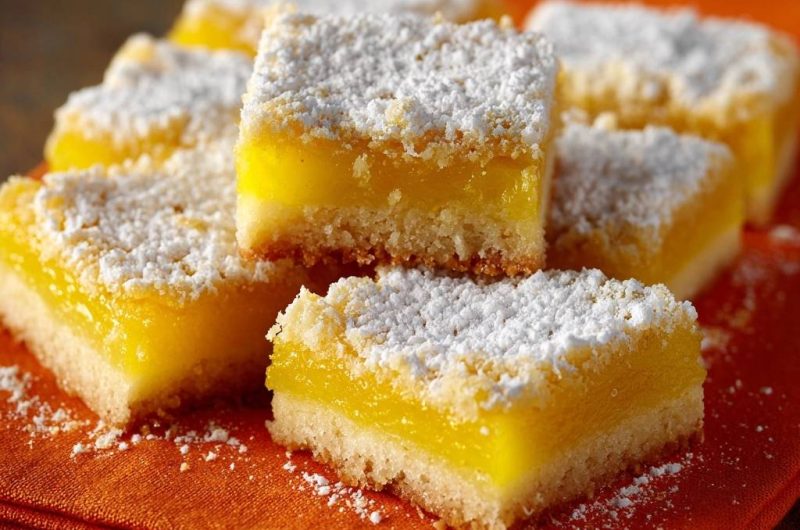
Lemon Bars
Course: DessertCuisine: AmericanDifficulty: medium24
bars20
minutes50
minutes220
kcal240
MinutesSick of lemon bars that collapse into a gooey mess when sliced? This recipe nails a firm, sliceable filling every time with one simple thickener trick and chill method that locks in perfection.
Ingredients
Crust:
2 cups all-purpose flour
1/2 cup powdered sugar
1 cup unsalted butter, softened
1/4 teaspoon salt
Filling:
4 large eggs
1 1/2 cups granulated sugar
1/2 cup fresh lemon juice (about 4 lemons)
1 tablespoon lemon zest
1/4 cup all-purpose flour
1/4 cup cornstarch (the key thickener for no-runny results)
Topping:
1/4 cup powdered sugar
Directions
- Preheat oven to 350 degrees F. Line a 9×13-inch baking pan with parchment paper, leaving overhang for easy removal.
- For the crust: In a bowl, mix flour, powdered sugar, and salt. Cut in softened butter with a pastry blender or fork until crumbly and pea-sized. Press evenly into the prepared pan. Bake 20 minutes until lightly golden. Reduce oven to 325 degrees F.
- For the filling (no-runny secret starts here): In a bowl, whisk eggs and sugar until smooth. Add lemon juice and zest. Sift flour and cornstarch together, then whisk into the wet mixture until fully dissolved and lump-free. This combo creates a stable custard that sets firm without curdling or leaking. Pour over hot crust.
- Bake 25 to 30 minutes until edges are set and center has a slight jiggle (do not overbake). Cool at room temperature 30 minutes, then refrigerate 4 hours or overnight to fully firm up the filling.
- Lift bars from pan using parchment. Cut into squares. Dust with powdered sugar just before serving to keep it crisp. Store in fridge up to 5 days. Enjoy the perfect slice!
Notes
- Use fresh lemons for best flavor. Cornstarch is the key to no-runny results. Chill overnight for perfect slices. Store in fridge up to 5 days.