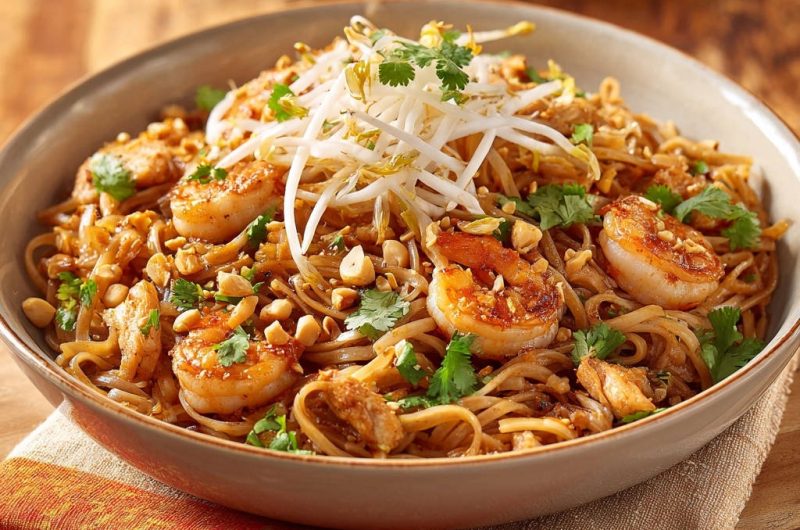
Classic Shrimp and Chicken Pad Thai: No More Gummy Noodles!
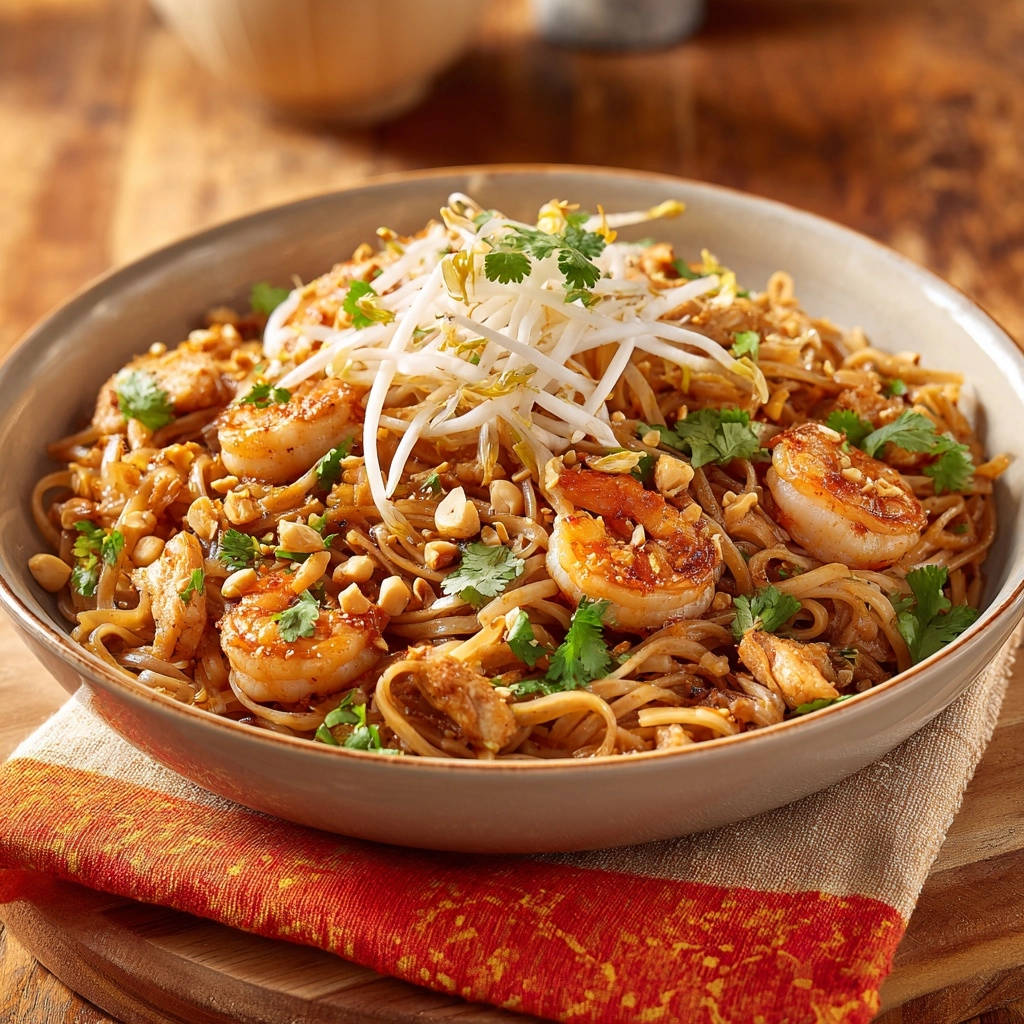
For years, making an authentic Classic Shrimp and Chicken Pad Thai at home felt like chasing a mythical creature. I often ended up with a sticky, clumpy mess of noodles that just didn’t hit that perfect mark. But after countless experiments, I finally cracked the code to truly distinct, chewy noodles, and now my homemade Pad Thai rivals any restaurant version.
This recipe isn’t just about ingredients; it’s about technique, specifically the secret to perfectly prepped rice noodles. Get ready to create a vibrant, balanced, and utterly delicious Classic Shrimp and Chicken Pad Thai that will become your go-to.
Why This Classic Shrimp and Chicken Pad Thai Belongs in Your Recipe Box
The Secret to Perfectly Chewy, Distinct Noodles
The core challenge with homemade Pad Thai is often sticky or mushy noodles. Our specific soaking method is a game-changer, ensuring each strand remains distinct and perfectly chewy. This technique guarantees your Pad Thai will have that coveted texture, preventing the common gummy noodle dilemma.
Restaurant-Quality Flavor, Made Easy at Home
This Classic Shrimp and Chicken Pad Thai delivers a complex, authentic taste profile without the fuss. We balance the four essential Thai flavors-sweet, sour, salty, and spicy-into a harmonious sauce that’s surprisingly straightforward to prepare. You’ll impress yourself with how easily you can achieve genuine Thai stir-fry flavors in your own kitchen.
A Balanced Meal in One Wok
With succulent shrimp, tender chicken, eggs, and fresh vegetables, this dish is a complete meal. It’s packed with protein and vibrant textures, making it a satisfying and nutritious choice for any weeknight dinner. Everything comes together beautifully in a single wok, simplifying both cooking and cleanup.
Essential Tools for Your Pad Thai Journey
The Mighty Wok (or a Wide Skillet)
A wok is ideal for Pad Thai because its high, sloped sides distribute heat evenly and allow for constant tossing without spillage. This creates the signature smoky “wok hei” flavor. If you don’t have a wok, a large, wide, deep skillet or Dutch oven with high sides works perfectly as an alternative.
Basic Prep Gear
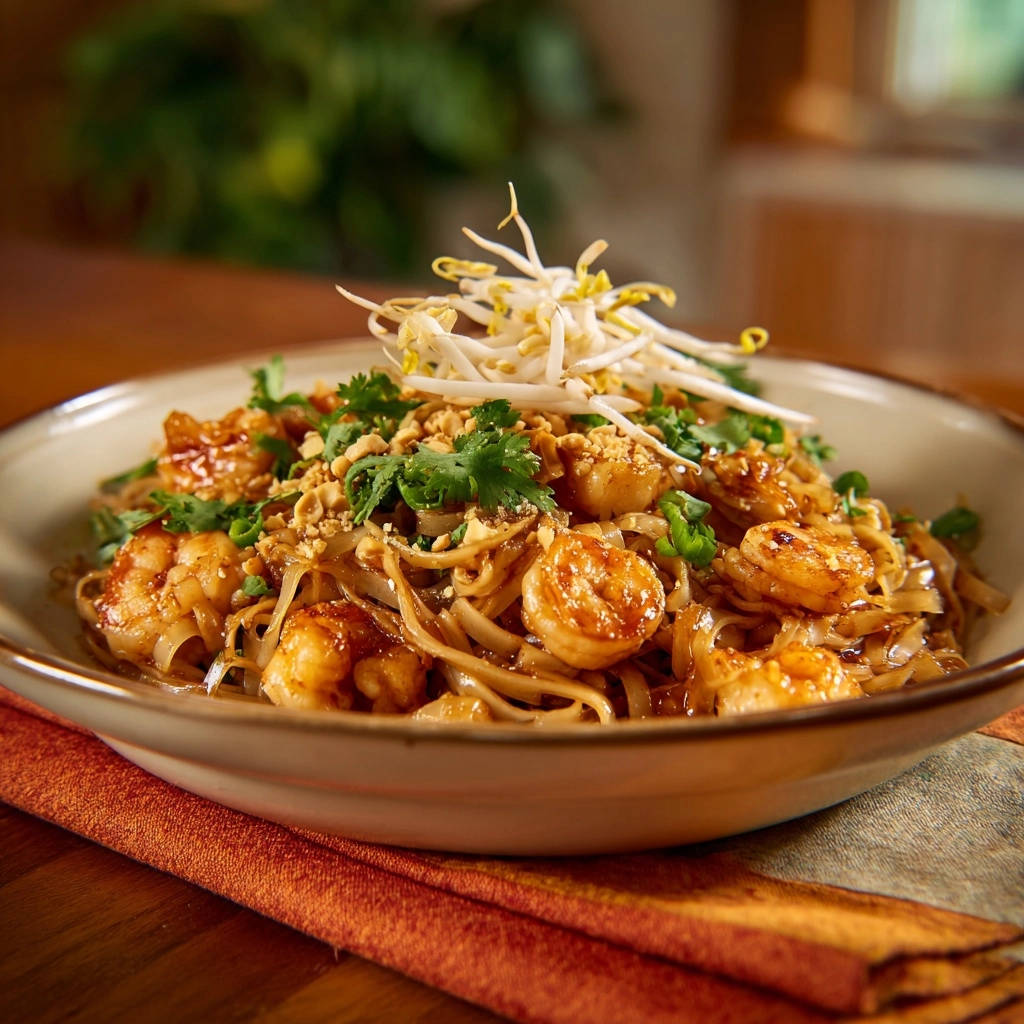
You’ll need a sturdy cutting board and a sharp knife for efficiently preparing your chicken and garnishes. Several mixing bowls are also essential for holding prepped ingredients and whisking your flavorful sauce. This organized approach, often called “mise en place,” streamlines the fast-paced stir-frying process.
Gathering Your Pad Thai Essentials: Ingredients Breakdown
Noodles: The Foundation of Classic Pad Thai
For this authentic Pad Thai, dried flat rice noodles are crucial. Look for ones specifically labeled “Pad Thai noodles” or medium-width rice vermicelli (about ¼ to ½ inch wide).
The right width ensures they absorb the sauce beautifully and hold up to stir-frying. Avoid fresh noodles as they often yield a softer, less desirable texture for this dish.
Proteins: Shrimp & Chicken Power Duo
Use 8 ounces of raw shrimp, peeled and deveined, for a clean texture and quick cooking. Fresh, high-quality shrimp will provide the best flavor and sweetness.
For the chicken, 8 ounces of boneless, skinless chicken breast, thinly sliced, will cook rapidly and evenly. Thin slices ensure it integrates seamlessly with the noodles and sauce.
The Iconic Pad Thai Sauce Components
Tamarind Paste: This provides the signature tangy, fruity sourness essential to authentic Pad Thai. You can find it in Asian markets or the international aisle of larger supermarkets. Avoid tamarind concentrate, which is much stronger.
Fish Sauce: Crucial for depth and savory umami, good quality fish sauce makes a significant difference. Choose a brand with clear amber liquid for the best flavor. It provides the salty backbone of the dish.
If you are working to avoid sticky noodles, the same technique is key for this sticky-free noodles recipe.
Brown Sugar: Adds a rich sweetness that balances the sourness of the tamarind and saltiness of the fish sauce. It also contributes to the sauce’s glossy finish.
Fresh Lime Juice: A squeeze of fresh lime juice at the end brightens all the flavors and adds a zesty finish. It’s vital for that fresh, vibrant kick.
Red Pepper Flakes: These are optional but provide a gentle, building heat. Adjust the quantity to your personal spice preference.
Fresh Add-ins & Garnishes
Fresh Bean Sprouts: Provide a delightful crunch and freshness, stirred in at the very end and as a garnish. They add vital texture contrast.
Chopped Roasted Peanuts: Essential for a nutty flavor and satisfying crunch. Roasting them enhances their flavor profile significantly.
Fresh Cilantro: Offers a bright, herbaceous aroma and a beautiful pop of color as a garnish. It completes the dish’s fresh appeal.
The Unsung Hero: Eggs
Lightly beaten eggs are quickly scrambled in the wok, adding a tender, fluffy texture to the Pad Thai. They integrate throughout the noodles, offering a subtle richness and an extra layer of protein.
Crafting Your Classic Shrimp and Chicken Pad Thai: Step-by-Step Perfection
- Master the Noodle Soak: The Key to No-Gummy Pad Thai.
Place the dried rice noodles in a large bowl and pour hot tap water over them until completely submerged. Let them soak for exactly 15-20 minutes.
They should become pliable and bend easily but still feel firm and slightly undercooked-never soft or mushy. Immediately and thoroughly drain the noodles; this critical step prevents them from becoming sticky and clumping together in the wok.
- Sear Your Proteins.
Heat 1 tablespoon of vegetable oil in a large wok or wide skillet over medium-high heat until shimmering. Add the thinly sliced chicken and peeled shrimp to the hot oil.
Stir-fry for 3-4 minutes, tossing continuously, until the shrimp turn pink and opaque, and the chicken is cooked through. Remove the cooked proteins from the wok and set them aside to prevent overcooking.
- Scramble the Eggs.
Add the remaining 1 tablespoon of vegetable oil to the now-empty wok. Pour in the lightly beaten eggs and scramble them quickly, breaking them into small pieces as they cook, for about 1-2 minutes. The eggs should be just set and crumbly.
For a lighter take on these same bright Thai flavors, try this zesty Thai chicken noodle salad.
- Combine Noodles & Eggs.
Stir the drained, pre-soaked rice noodles directly into the wok with the scrambled eggs. Toss gently but thoroughly for 1 minute, allowing the eggs to coat the noodles slightly. This prepares the noodles to absorb the sauce effectively.
- Whisk the Iconic Pad Thai Sauce.
In a small bowl, combine the tamarind paste, fish sauce, brown sugar, fresh lime juice, and red pepper flakes (if using). Whisk vigorously until the brown sugar is fully dissolved and the sauce is well combined.
This creates the perfectly balanced sweet, sour, and savory foundation for your Classic Shrimp and Chicken Pad Thai.
- Sauce the Noodles to Perfection.
Pour the prepared Pad Thai sauce evenly over the noodles in the wok. Toss continuously and gently for 2-3 minutes using tongs or spatulas, ensuring every strand is coated. The noodles will absorb most of the sauce and finish cooking, achieving that perfect chewy, non-gummy texture.
- Bring It All Together.
Return the cooked shrimp and chicken to the wok with the sauced noodles. Add half of the fresh bean sprouts, half of the chopped roasted peanuts, and half of the fresh cilantro.
Toss everything together briefly, for just about 1 minute, simply until all the ingredients are heated through. Avoid over-mixing or overcooking at this stage to maintain textures.
- Serve & Garnish.
Transfer your Classic Shrimp and Chicken Pad Thai immediately to serving plates. Garnish generously with the remaining fresh bean sprouts, chopped roasted peanuts, and fresh cilantro.
Serve it hot, allowing the vibrant flavors and textures to shine through.
Chef’s Secrets: Elevating Your Classic Shrimp and Chicken Pad Thai Game
Don’t Overcook Your Noodles (Even After Soaking!): The initial soak only partially cooks the noodles, making them pliable. The final cooking happens quickly in the wok with the sauce, which is crucial for achieving a tender yet firm bite. Watch them closely during this stage to prevent mushiness.
High Heat is Your Friend (Mostly): Stir-frying demands medium-high to high heat for proper searing and quick cooking. This prevents ingredients from steaming and becoming soggy. However, be mindful not to let the heat get too high, which can burn the sauce or other components.
Prep Everything Ahead (Mise en Place): Pad Thai cooks incredibly fast once you start. Have all your ingredients chopped, measured, and ready within arm’s reach before you turn on the heat. This organization ensures a smooth, stress-free cooking process.
Balance the Flavors to Your Liking: Before adding the sauce to the wok, taste it! You can adjust the sweet (brown sugar), sour (tamarind, lime), salty (fish sauce), and spicy (red pepper flakes) elements to suit your palate. A balanced sauce is key to exceptional Pad Thai.
What to Serve with Your Pad Thai
This shrimp and chicken pad Thai is bold, tangy, and a little rich — pair it with something bright and crunchy to balance the noodles.
- A Radicchio Orange Avocado Salad brings bitterness, citrus, and creamy avocado that cuts through the sweet-savory sauce of the
Customizing Your Proteins: Feel free to experiment with other proteins. Firm tofu, thinly sliced beef, or even just vegetables can be delicious additions or substitutions. Ensure any new proteins are sliced thinly for quick, even cooking.
Spice It Up (or Down): If you love heat, add extra red pepper flakes to the sauce or garnish with fresh sliced bird’s eye chilies. For less spice, simply omit the red pepper flakes entirely. You can also serve sriracha on the side for individual adjustments.
Troubleshooting Common Pad Thai Hiccups
“My Noodles Are Still Gummy/Sticky!”
This is often due to over-soaking or insufficient draining. Ensure you stick to the 15-20 minute soak time and drain them immediately and thoroughly. If they seem excessively sticky after draining, a quick rinse under cold water can help, but ensure they are very well-drained again before adding to the wok.
“My Pad Thai Lacks Flavor.”
The quality of your core sauce ingredients, especially fish sauce and tamarind paste, is paramount. If your Pad Thai tastes flat, try adding a tiny bit more fish sauce or fresh lime juice at the end. Always taste the sauce mixture before adding it to the noodles and adjust as needed.
“My Wok is Overcrowded and Not Searing!”
If your wok or skillet isn’t large enough, cooking ingredients in smaller batches is crucial. Overcrowding lowers the temperature of the pan, causing proteins and vegetables to steam rather than sear. This results in a softer texture and less flavorful outcome.
Your Pad Thai Questions Answered: FAQs
What are the best rice noodles for Classic Pad Thai?
Medium-width flat rice noodles, often explicitly labeled “Pad Thai noodles,” are ideal. Their thickness allows them to absorb the sauce beautifully while maintaining a pleasant chew. Thinner noodles might become too soft, while very wide ones may be harder to coat evenly.
Can I make Classic Shrimp and Chicken Pad Thai ahead of time?
While Pad Thai is best enjoyed immediately for optimal texture, you can prep components in advance. Prepare the sauce, slice chicken, peel shrimp, and chop garnishes. Cooked noodles can become dry or absorb too much sauce if left too long, so cooking the dish fresh is always recommended.
How do I store leftover Pad Thai?
Store any leftover Pad Thai in an airtight container in the refrigerator for up to 2-3 days. When reheating, gently warm it in a wok or microwave with a splash of water or chicken broth to rehydrate the noodles and prevent them from drying out.
Is there a vegetarian/vegan option for this recipe?
Absolutely! You can easily make this dish vegetarian or vegan. Replace shrimp and chicken with extra firm tofu (pressed and cubed), mushrooms, or other plant-based proteins. Omit the eggs or use a plant-based egg substitute. Be sure to use a good quality vegan fish sauce substitute for the sauce.
What is tamarind paste and where can I find it?
Tamarind paste is a concentrated pulp from the tamarind fruit, offering a distinct sweet-sour flavor profile. It’s crucial for the authentic tang in Pad Thai, balancing the other flavors. You can typically find it in the international aisle of larger grocery stores, specialty Asian markets, or online.
Serving Suggestions for Your Perfect Pad Thai
Classic Garnishes and Accompaniments
Beyond the inherent garnishes, offer extra fresh bean sprouts, lime wedges for a burst of citrus, and a side of chili flakes or sriracha for personalized heat. A small bowl of extra chopped peanuts is also a welcome addition for those who love extra crunch.
Complementary Drinks
Pair your savory noodle dish with refreshing beverages. Iced Thai tea, a crisp lager, or a simple sparkling water with a slice of lime are excellent choices. They complement the rich, complex flavors without overpowering them, making for a truly enjoyable meal.
Dive In and Share Your Classic Shrimp and Chicken Pad Thai Creation!
You now possess all the secrets to crafting a truly exceptional Classic Shrimp and Chicken Pad Thai at home, complete with perfectly chewy, distinct noodles. No more settling for sticky or bland versions!
Embrace the vibrant flavors and satisfying textures of this beloved Thai stir-fry. I encourage you to try this recipe, customize it to your taste, and share your delicious success with friends and family. Happy cooking!
Shrimp and Chicken Pad Thai
Course: Main CourseCuisine: AsianDifficulty: easyServings3
servingsPrep time25
minutesCooking time15
minutesCalories750
kcalTotal time40
minutesCraving homemade Pad Thai without the sticky mess? This recipe unveils a simple trick for perfectly chewy, distinct noodles that beautifully absorb all the vibrant flavors. Enjoy a delicious Classic Shrimp and Chicken Pad Thai every time.
Ingredients
8 ounces dried flat rice noodles (Pad Thai noodles)
2 tablespoons vegetable oil, divided
8 ounces raw shrimp, peeled and deveined
8 ounces boneless, skinless chicken breast, thinly sliced
2 large eggs, lightly beaten
1 cup bean sprouts, divided
1/4 cup chopped roasted peanuts, divided
2 tablespoons fresh cilantro, chopped, divided
1/4 cup tamarind paste
3 tablespoons fish sauce
1/4 cup brown sugar
1 tablespoon fresh lime juice
1/2 teaspoon red pepper flakes (optional, for heat)
Directions
- Prep Your Noodles for Success: Place the dried rice noodles in a large bowl. Pour hot tap water over them until fully submerged. Let them soak for exactly 15-20 minutes, or until pliable but still firm and slightly undercooked. They should bend easily but not be soft. Drain them immediately and thoroughly. This is crucial for preventing gummy noodles later.
- Heat 1 tablespoon of vegetable oil in a large wok or a wide, deep skillet over medium-high heat. Add the shrimp and chicken. Stir-fry for 3-4 minutes, until the shrimp turn pink and the chicken is cooked through. Remove the cooked shrimp and chicken from the wok and set aside.
- Add the remaining 1 tablespoon of vegetable oil to the wok. Pour in the beaten eggs and scramble them quickly, breaking them into small pieces as they cook, about 1-2 minutes.
- Stir in the drained, pre-soaked rice noodles with the eggs. Toss gently for 1 minute to coat.
- In a small bowl, whisk together the tamarind paste, fish sauce, brown sugar, lime juice, and red pepper flakes (if using) to create your Pad Thai sauce.
- Pour the sauce over the noodles in the wok. Toss continuously and gently for 2-3 minutes, until the noodles are evenly coated and have absorbed most of the sauce. The noodles should now be perfectly cooked with a pleasant chew, not gummy.
- Return the cooked shrimp and chicken to the wok. Add half of the bean sprouts, half of the chopped peanuts, and half of the chopped cilantro. Toss everything together briefly, just until heated through, about 1 minute.
- Serve immediately, garnished with the remaining fresh bean sprouts, chopped peanuts, and cilantro.
Notes
- The crucial noodle soaking technique ensures perfect, non-gummy noodles.