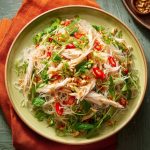
Mastering the Zesty Thai Chicken Noodle Salad
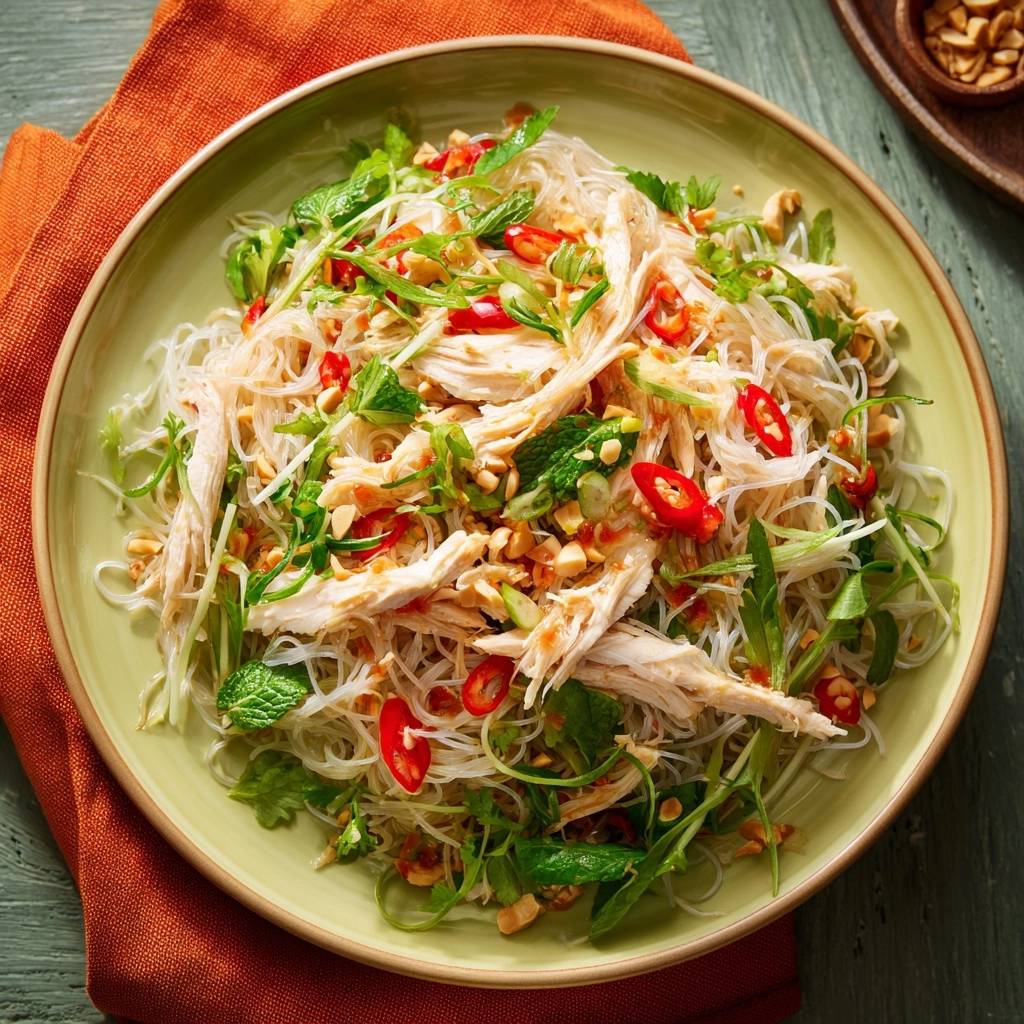
Most of us have experienced the heartbreak of a soggy, clumped-up noodle salad. You’re craving those vibrant, punchy flavors from your favorite Thai street food stall, but you end up with a gummy block of starch that refuses to separate. A true Zesty Thai Chicken Noodle Salad should be a bright explosion of salty, sour, and spicy notes that dance across your palate.
The secret to success lies in the delicate balance of the dressing and the structural integrity of the rice vermicelli. When done right, every bite offers a refreshing crunch of herbs and a silky, bouncy noodle texture. It’s the kind of meal that feels incredibly light yet deeply satisfying, especially on a warm afternoon when you want something bold but not heavy.
I’ve found that the biggest mistake home cooks make is treating rice noodles like Italian pasta. If you boil them in a pot of bubbling water, you’ve already lost the battle. The real trick is a controlled soak followed by a strategic oil coating that keeps every single strand distinct and slippery.
The Physics of Non-Sticky Rice Vermicelli
Rice noodles are packed with surface starch that turns into a glue-like substance the moment it hits hot water. Unlike wheat pasta, which relies on gluten for structure, rice vermicelli is held together by amylose. If you cook them too long or at too high a heat, that starch leeches out and creates a sticky mess.
The “Anti-Gummy Method” is your best friend here. By using a controlled soak in boiling water rather than active boiling on the stove, you gently soften the noodles without exploding the starch granules. It’s a subtle difference that completely changes the mouthfeel of the final dish.
Once the noodles reach that perfect al dente snap, you must stop the residual cooking immediately. Plunging them into a large bowl of ice water is non-negotiable. This “cold-shock” locks in the texture and prevents them from turning into mush while they sit in the colander.
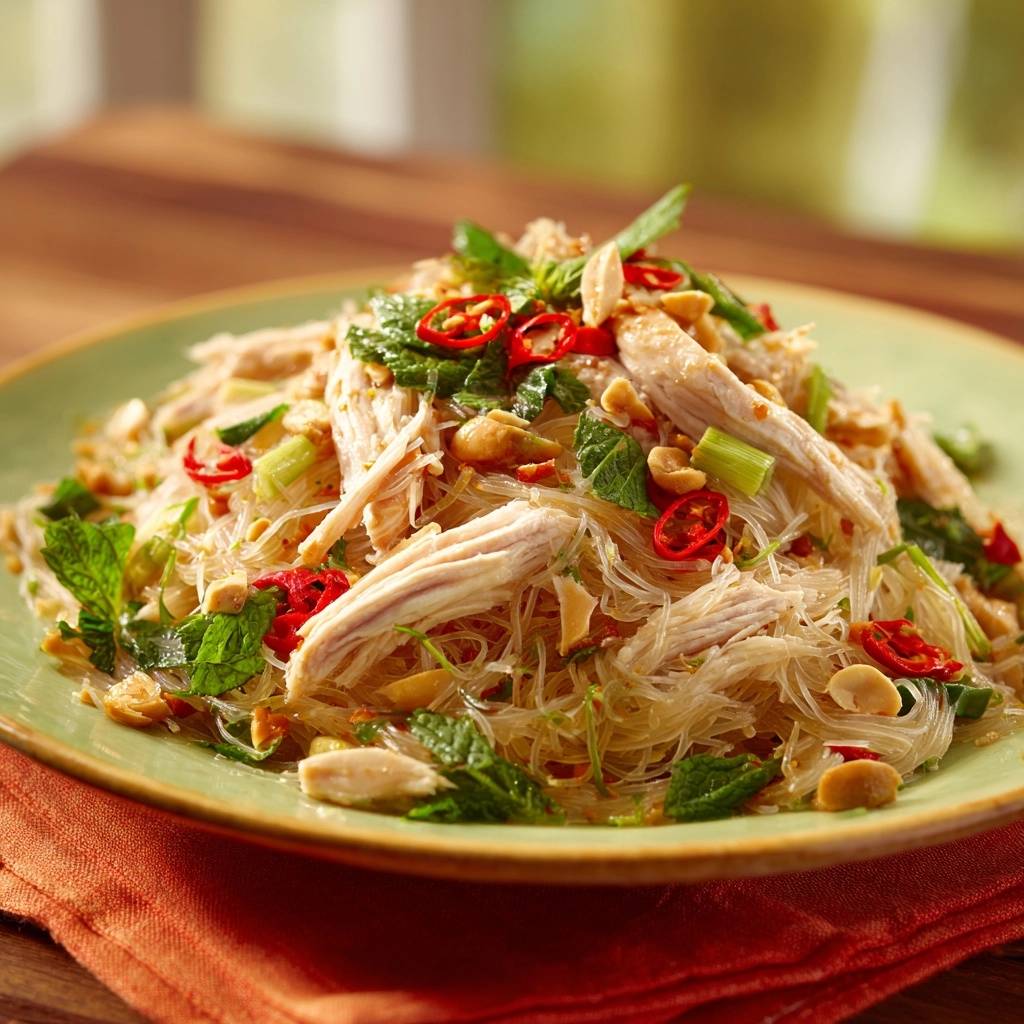
While the noodles are submerged, you need to get your hands in there and agitate them. This physical movement washes away the excess surface amylose that causes sticking. Think of it as a final rinse that ensures your salad stays light and airy rather than dense and clumpy.
Why the Hydrophobic Oil Barrier Works
After draining the noodles, you might notice they still want to grab onto each other. This is where a tablespoon of neutral oil comes into play. By tossing the damp noodles with oil, you’re creating a microscopic hydrophobic barrier around every strand.
This oil film serves two purposes. First, it prevents the starch molecules from bonding back together as the noodles cool. Second, it ensures the dressing coats the outside of the noodle rather than soaking into the core. This keeps the noodles firm and prevents them from bloating and softening after you’ve dressed the salad.
This same noodle-soaking trick works perfectly for getting the perfect texture in this shrimp pad thai as well.
Essential Components for Zesty Thai Chicken Noodle Salad
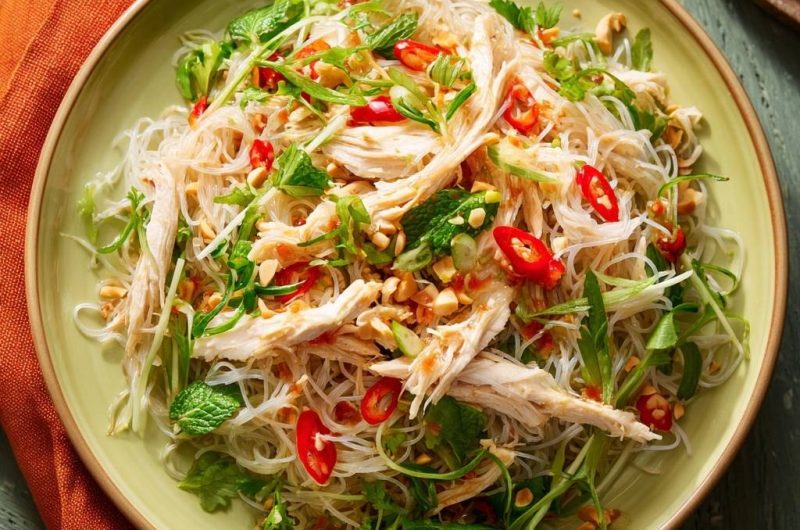
Quality ingredients are the backbone of this dish because there’s nowhere for mediocre flavors to hide. Take the chicken, for example. While dicing is faster, hand-shredding the poached breast into long, thin strips creates a much better texture. These ragged edges provide more surface area for the lime and fish sauce to cling to, ensuring every bite is seasoned.
Never reach for the plastic lime-shaped bottle in the grocery store. Freshly squeezed lime juice provides a bright, floral acidity that bottled versions simply can’t replicate. That hit of citrus is what cuts through the richness of the peanuts and the saltiness of the fish sauce.
Speaking of fish sauce, it’s the umami powerhouse of this recipe. It provides a deep, savory funk that salt alone cannot achieve. If you’re worried about the smell, don’t be; once it’s whisked with the brown sugar and lime, it transforms into a complex, savory base that defines the “zesty” profile of the salad.
Selecting the Right Bird’s Eye Chilies
Thai bird’s eye chilies are small but mighty. They offer a sharp, clean heat that hits the back of the throat. If you prefer a milder experience, use a spoon to scrape out the seeds and the white ribs before slicing them into rings. For those who love a challenge, keep the seeds in for that authentic street-food kick. These chilies have a much fruitier aroma than jalapeños, which perfectly complements the fresh mint.
The Herb Profile: Cilantro, Mint, and Scallions
Herbs aren’t just a garnish here; they are a primary vegetable component. Use the cilantro leaves and the tender upper stems, which actually hold more flavor than the leaves themselves. The mint provides a necessary cooling sensation that balances the chili heat, while the green onions add a sharp, peppery bite. This trio creates a fragrant bouquet that makes the salad feel incredibly fresh and vibrant.
Step-by-Step: Preparing the Perfect Noodle Base
Start by placing your dry vermicelli in a large heat-proof bowl. Pour the boiling water over them and set a timer for exactly 3 minutes. You’re looking for a texture that is tender but still has a slight resistance when you bite into it. If they feel too soft, they’ll fall apart when you toss the salad later.
Immediately move them to the ice bath. You’ll feel the noodles firm up instantly under your fingers. Give them a vigorous shake in the colander to remove every drop of excess water. Any leftover water will dilute your dressing, and we want that flavor to stay concentrated and bold. Once they’re dry, get that oil on them immediately.
Emulsifying the Zesty Lime and Fish Sauce Dressing
Whisking the dressing is a quick but vital step. You want to keep going until you can no longer see the grains of brown sugar at the bottom of the bowl. If the sugar isn’t fully dissolved, the dressing will feel gritty and the flavors won’t be balanced. The final mixture should be a beautiful amber color with flecks of red from the chili garlic sauce. It should look slightly glossy and smell incredibly aromatic.
For a bolder twist on the same versatile chicken base, try these chimichurri chicken thighs instead.
Assembly Tactics for Maximum Freshness
Timing is everything when it comes to assembly. You want to toss the salad just minutes before you plan to eat. Use a pair of tongs to lift and fold the noodles with the chicken and herbs. Be gentle; you don’t want to snap the delicate vermicelli strands. A light touch ensures the ingredients are evenly distributed without bruising the mint or cilantro.
When you transfer the salad to a platter, try to build some height. Layer the shredded chicken and bright green herbs so they peek through the noodles. This makes the dish look professional and inviting. Scatter the peanuts and extra chilies on top at the very last second so the nuts stay perfectly crunchy against the soft noodles.
Flavor Variations and Protein Swaps
While poached chicken is the classic choice, this template is incredibly versatile. You can easily swap the chicken for grilled shrimp or even seared tofu for a different texture. If you use tofu, try pressing it first and frying it until the edges are crispy so it can stand up to the bold dressing.
If you want even more crunch, shredded green papaya or julienned carrots make excellent additions. They add a structural contrast to the soft noodles and soak up the lime juice beautifully. Just make sure whatever you add fits the “Zesty Thai” profile—think crisp, fresh, and vibrant.
Troubleshooting Common Texture Issues
If you accidentally overcook your noodles and they feel a bit soft, don’t panic. Rinse them in even colder water for an extra minute and be very generous with the oil. This can sometimes save them from becoming a total clump. If your dressing tastes too salty, add a squeeze of extra lime or a tiny pinch of sugar to bring it back into balance.
If you have leftovers that have dried out in the fridge, the noodles will likely have absorbed all the moisture. You can revive them by adding a teaspoon of warm water and a tiny splash of lime juice. Give it a quick toss to loosen the strands back up, though the herbs will naturally be less vibrant the next day.
Expert Tips for Professional Results
To get those beautiful, long strips of green onion, cut them on a sharp bias. This means slicing at a very steep angle, which creates elegant, elongated pieces that look much better than standard rounds. It’s a small detail that makes the salad look like it came from a high-end bistro.
Roasting your own peanuts is another game-changer. Buy raw peanuts and toast them in a dry pan until they are golden and fragrant. The oils will be much more active, and the crunch will be far superior to pre-packaged roasted nuts. Also, try chilling your serving platter in the fridge for 10 minutes before assembly to keep the salad crisp and refreshing.
More Thai-Inspired Mains
If you like the bright, punchy flavors of this salad, these two dishes share similar herbs and spices.
- For a richer, coconut-based meal, try this Creamy Thai Green Chicken Curry with tender chicken and a mild heat.
- Stick with the noodle theme
When poaching your chicken, add a few slices of ginger or a smashed clove of garlic to the water. This infuses the meat with a subtle base layer of flavor that complements the Thai dressing perfectly. Keep the water at a bare simmer to ensure the chicken stays moist and easy to shred.
Optimal Storage and Make-Ahead Strategies
This salad is definitely at its peak the moment it’s tossed. However, you can prep the components up to 24 hours in advance. Keep the oiled noodles, shredded chicken, and chopped herbs in separate airtight containers in the fridge. Store the dressing in a small jar on the counter or in the fridge. When you’re ready to eat, just combine and toss. This prevents the herbs from wilting and keeps the noodles from getting waterlogged by the dressing.
Frequently Asked Questions
How long can I store the leftovers?
You can store the dressed salad in an airtight container in the refrigerator for up to 2 days. However, be aware that the noodles will continue to absorb the dressing, making them softer over time. The fresh herbs will also lose their bright green color and crisp texture. For the best experience, try to eat it within 24 hours. This dish does not freeze well, as the rice noodles will become grainy and the herbs will turn to mush upon thawing.
Why did my rice noodles turn out mushy?
Mushy noodles are usually the result of overcooking or failing to rinse them properly. If you boil them on the stove like wheat pasta, they cook too fast and release too much starch. Stick to the 3-minute soak in boiling water. Additionally, if you skip the ice bath, the residual heat continues to cook the noodles even after they are drained. The cold rinse is essential to stop the cooking process and remove the sticky starch from the surface.
Can I use a different type of noodle?
While thin rice vermicelli is traditional for this specific salad texture, you can use wider rice sticks (the kind used for Pad Thai). If you use thicker noodles, you will need to increase the soaking time to about 5-8 minutes. Just keep testing them every minute until they are tender. Avoid using wheat-based noodles like spaghetti, as they won’t have the same light, bouncy quality that defines this Thai dish.
What can I use if I don’t have fish sauce?
Fish sauce has a very specific salty, savory profile that is hard to perfectly replicate. However, in a pinch, you can use a high-quality soy sauce or liquid aminos. Keep in mind that soy sauce is less salty and lacks the fermented depth of fish sauce, so you might need to add a pinch of extra salt or a tiny bit of mashed anchovy to get closer to the intended flavor profile.
Is this salad served hot or cold?
This specific salad is designed to be served cold or at room temperature. The refreshing nature of the mint, lime, and chilled noodles is what makes it so appealing. Serving it hot would wilt the fresh herbs instantly and change the texture of the rice noodles. If you are making it ahead of time, take it out of the fridge about 15 minutes before serving to let the flavors wake up slightly.
Thai Chicken Noodle Salad
Course: Main CourseCuisine: ThaiDifficulty: easyYields4
servingsPrep Time15
minutesCook Time10
minutesCalories340
kcalTotal Time25
MinutesA refreshing and vibrant noodle salad featuring shredded chicken, fresh herbs, and a spicy lime dressing. This recipe uses a specific rinsing and oiling technique to ensure the rice noodles stay distinct and never gummy.
Ingredients
8 ounces thin rice vermicelli noodles
2 cups poached chicken breast, hand-shredded into long strips
1 cup fresh cilantro (leaves and tender stems)
1/2 cup fresh mint leaves, torn
3 green onions, sliced into long bias strips
1-2 fresh Thai bird’s eye chilies, sliced into rings
1/4 cup roasted peanuts, roughly chopped
3 tablespoons fresh lime juice
2 tablespoons fish sauce
1 tablespoon brown sugar
1 teaspoon chili garlic sauce
1 tablespoon neutral oil (such as grapeseed or canola)
Directions
- The Anti-Gummy Method: Place dry rice noodles in a large heat-proof bowl. Pour boiling water over them and let sit for exactly 3 minutes until tender but still “al dente.” Immediately drain and plunge the noodles into a large bowl of ice water. Agitate the noodles with your hands to wash off excess surface starch. Drain thoroughly in a colander, shaking well to remove all water. Toss the damp noodles with 1 tablespoon of neutral oil; this creates a hydrophobic barrier that prevents the strands from fusing together.
- In a small jar or bowl, whisk together the lime juice, fish sauce, brown sugar, and chili garlic sauce until the sugar is completely dissolved.
- In a large mixing bowl, combine the oiled noodles with the shredded chicken, cilantro, mint, and green onions.
- Pour the dressing over the salad and toss gently using tongs or clean hands. The oil coating on the noodles ensures the dressing coats the exterior of the strands rather than being absorbed, which keeps the dish light and prevents the noodles from softening further.
- Transfer to a large platter. Garnish generously with the sliced red chilies and chopped peanuts. Serve immediately while the noodles are cool and the herbs are vibrant.
Notes
- To prevent gummy noodles, ensure you use the ice water bath to remove surface starch and toss with neutral oil immediately after draining to create a moisture barrier.