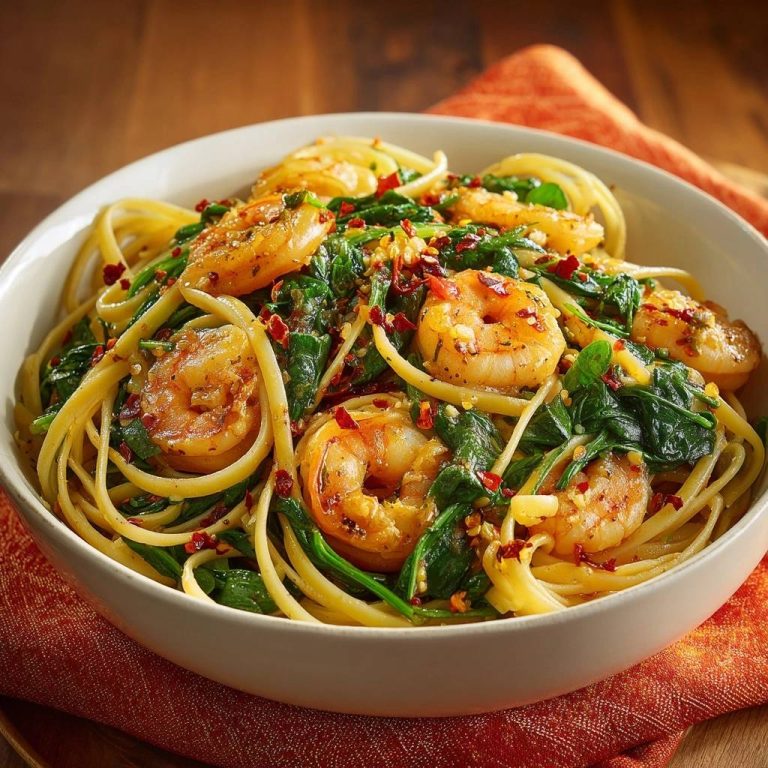
Glazed Garlic Shrimp & Soba: Perfectly Tender Every Time
There’s a universal disappointment for home cooks: perfectly cooked noodles overshadowed by tough, rubbery shrimp. I’ve personally navigated that culinary frustration, striving to achieve that elusive tender bite alongside a rich, sticky glaze.
That’s precisely why I perfected this Glazed Garlic Shrimp & Soba recipe, designed to deliver succulent, flavor-packed shrimp every single time, turning a common challenge into a guaranteed success.
Get ready for a surprisingly simple technique that makes all the difference, ensuring your weeknight meal is nothing short of exceptional.
Why This Glazed Garlic Shrimp & Soba Recipe Stands Apart
This isn’t just another dinner; it’s a testament to how simple techniques can yield extraordinary results. This recipe for Glazed Garlic Shrimp & Soba guarantees satisfaction, making it a staple in any kitchen.
The Secret to Succulent Shrimp: No More Rubbery Bites!
The core of this Glazed Garlic Shrimp & Soba recipe lies in a unique two-stage cooking method for the shrimp. We sear them briefly at high heat, then finish them gently in the glaze.
This ensures they retain their moisture and become perfectly tender, never chewy or tough. It’s a game-changer for shrimp dishes.
Quick Weeknight Elegance: Ready in Under 30 Minutes
Who says gourmet meals can’t be fast? This Glazed Garlic Shrimp & Soba comes together in under half an hour, making it ideal for busy weeknights.
The speed doesn’t compromise flavor or quality, proving that delicious home-cooked meals are always within reach.
A Symphony of Sweet, Savory, and Umami Flavors
The glaze is a perfectly balanced blend of savory soy, sweet honey, tangy rice vinegar, and aromatic garlic and ginger. This creates a complex, irresistible coating for the shrimp and soba noodles.
It’s a flavor profile that excites the palate, ensuring every bite is deeply satisfying and memorable.
Mastering Soba: Perfectly Chewy Noodles Every Time
Achieving the ideal texture for soba noodles is crucial for this dish. We’ll guide you to cook them just right, ensuring they are firm, chewy, and never sticky.
These buckwheat noodles provide a delightful textural contrast to the tender shrimp, absorbing the rich sauce beautifully.
Essential Gear for Your Glazed Garlic Shrimp & Soba Adventure
Having the right tools on hand makes preparing this Glazed Garlic Shrimp & Soba a breeze. You likely have most of these kitchen essentials already.
Skillet or Wok: Your Best Friend for Searing and Glazing
A large skillet or wok is indispensable for this recipe. Its wide surface area allows the shrimp to sear evenly without overcrowding, crucial for that perfect initial cook.
The high sides of a wok are also excellent for tossing the noodles and shrimp in the glaze, ensuring everything is thoroughly coated.
Whisks and Bowls: For Effortless Sauce Perfection
Small bowls and a good whisk are essential for preparing the glaze and the cornstarch slurry. Whisking ensures all ingredients are fully incorporated, preventing lumps and promoting a smooth, consistent sauce.
A non-reactive bowl is best for mixing the tangy sauce components.
Tongs: The Secret to Evenly Coated Shrimp
Long-handled tongs are your best friend when cooking shrimp. They allow you to easily flip each shrimp for even searing and gently toss them in the glaze.
This helps prevent breakage and ensures every piece is beautifully coated without excessive handling.
Unveiling the Flavors: Ingredients for Glazed Garlic Shrimp & Soba
Each ingredient in this Glazed Garlic Shrimp & Soba recipe plays a vital role in building its irresistible flavor and texture. Choosing quality ingredients makes all the difference.
The Star: Selecting and Preparing Your Shrimp
Shrimp Size: Opt for large (21/25 count) or extra-large (16/20 count) shrimp. These hold up well to cooking and provide a satisfying bite.
Fresh vs. Frozen: Fresh shrimp is ideal, but high-quality frozen shrimp (thawed properly) works wonderfully. Ensure they are peeled and deveined with tails on for presentation and flavor.
Preparation: Pat shrimp thoroughly dry with paper towels before cooking. This helps achieve a better sear and prevents steaming.
The Base: Choosing the Right Soba Noodles
Buckwheat Power: Soba noodles, made from buckwheat flour, offer a distinct nutty flavor and firm texture. They are perfect for soaking up the rich glaze.
If you enjoy the tender texture of soba here, try this technique with the bold kick in a garlic chili shrimp udon.
Quality Matters: Look for soba noodles with a higher buckwheat content for the best flavor and texture. Avoid overly thin or flimsy varieties.
Cooking Tip: Always check package instructions, as cooking times can vary by brand.
The Heart of the Glaze: Umami-Rich Liquids
Soy Sauce: Low-sodium soy sauce is recommended to control the saltiness. It provides the essential umami foundation for the glaze.
Rice Vinegar: This adds a crucial tang and brightens the entire dish, balancing the sweetness and richness. Do not substitute with other vinegars.
Sesame Oil: A drizzle of toasted sesame oil at the end imparts a deep, aromatic, nutty finish. This is purely for flavor, so a little goes a long way.
Sweet & Pungent Powerhouses: Honey, Garlic, and Ginger
Honey: Provides a natural sweetness that caramelizes beautifully into the glaze. Brown sugar is a good substitute if you prefer.
Fresh Garlic: Minced fresh garlic is non-negotiable for its pungent, aromatic notes that define the “garlic” in Glazed Garlic Shrimp & Soba.
Fresh Ginger: Grated fresh ginger adds a warm, zesty, and slightly spicy kick. It pairs perfectly with the garlic and prevents the glaze from being one-dimensional.
The Thickening Agent: Mastering the Cornstarch Slurry
The “Why”: Cornstarch mixed with cold water creates a slurry that, when added to hot liquid, thickens it into a glossy, sticky glaze. This is key for coating the shrimp.
Pro Tip: Always mix cornstarch with cold water before adding it to a hot sauce. This prevents lumps and ensures a smooth consistency.
Garnish Essentials: Green Onions and Sesame Seeds
Green Onions: Sliced green onions add a fresh, mild oniony bite and a pop of vibrant green color. They are essential for both flavor and presentation.
Sesame Seeds: A sprinkle of mixed black and white sesame seeds offers a subtle nutty crunch and visual appeal. They tie all the Asian-inspired flavors together.
Step-by-Step Mastery: Crafting Your Glazed Garlic Shrimp & Soba
Follow these detailed steps to create a truly exceptional Glazed Garlic Shrimp & Soba. Each action builds towards the perfect tender shrimp and glossy glaze.
- Cook and Prep the Soba Noodles:
Bring a large pot of water to a rolling boil. Add your soba noodles and cook according to the package directions, typically 4-6 minutes, until al dente.
Immediately drain the cooked noodles in a colander. Rinse them thoroughly under cold running water for about 30 seconds. This stops the cooking process and removes excess starch, preventing them from sticking together. Set aside.
- Whisk Up Your Flavorful Glaze Base:
In a small bowl, combine the minced garlic, grated fresh ginger, low-sodium soy sauce, honey (or brown sugar), rice vinegar, and a teaspoon of sesame oil. Whisk all these ingredients together until they are fully incorporated and the honey has dissolved.
This creates a homogeneous sauce base that will become your incredible glaze.
- Achieving the Perfect Shrimp Sear (The Crucial First Step):
Heat 1 tablespoon of neutral cooking oil in a large skillet or wok over medium-high heat until it shimmers. Add the peeled and deveined shrimp in a single layer, ensuring not to overcrowd the pan. Cook quickly for only 1-2 minutes per side.
The shrimp should just begin to turn pink and opaque. This initial quick sear locks in their flavor and texture. Immediately remove the partially cooked shrimp from the skillet and set them aside on a plate. They will finish cooking later in the glaze, ensuring absolute tenderness.
- Building the Glossy, Irresistible Glaze:
Pour the prepared sauce mixture into the same skillet, reducing the heat to medium. Bring the sauce to a gentle simmer, stirring constantly, allowing the flavors to meld.
While the sauce simmers, whisk together the cornstarch and 1 tablespoon of cold water in a separate small bowl until completely smooth (your slurry). Slowly whisk the cornstarch slurry into the simmering sauce. Continue stirring gently until the sauce thickens and transforms into a beautiful, glossy glaze, which usually takes about 1-2 minutes. The consistency should be thick enough to coat the back of a spoon.
- The Final Toss: Infusing Flavor and Finishing the Shrimp:
Return the partially cooked shrimp to the skillet with the thickened, glossy glaze. Using tongs, gently toss the shrimp for about 30-60 seconds, ensuring they are fully coated.
Cook just until the shrimp are completely opaque and warmed through, absorbing the rich flavors. It’s absolutely critical not to overcook them at this stage to maintain their succulent texture. Remove from heat immediately.
If you want to keep those noodles from sticking together, this garlic shrimp noodle stir-fry has the same tender results.
- Assemble and Serve Your Glazed Garlic Shrimp & Soba:
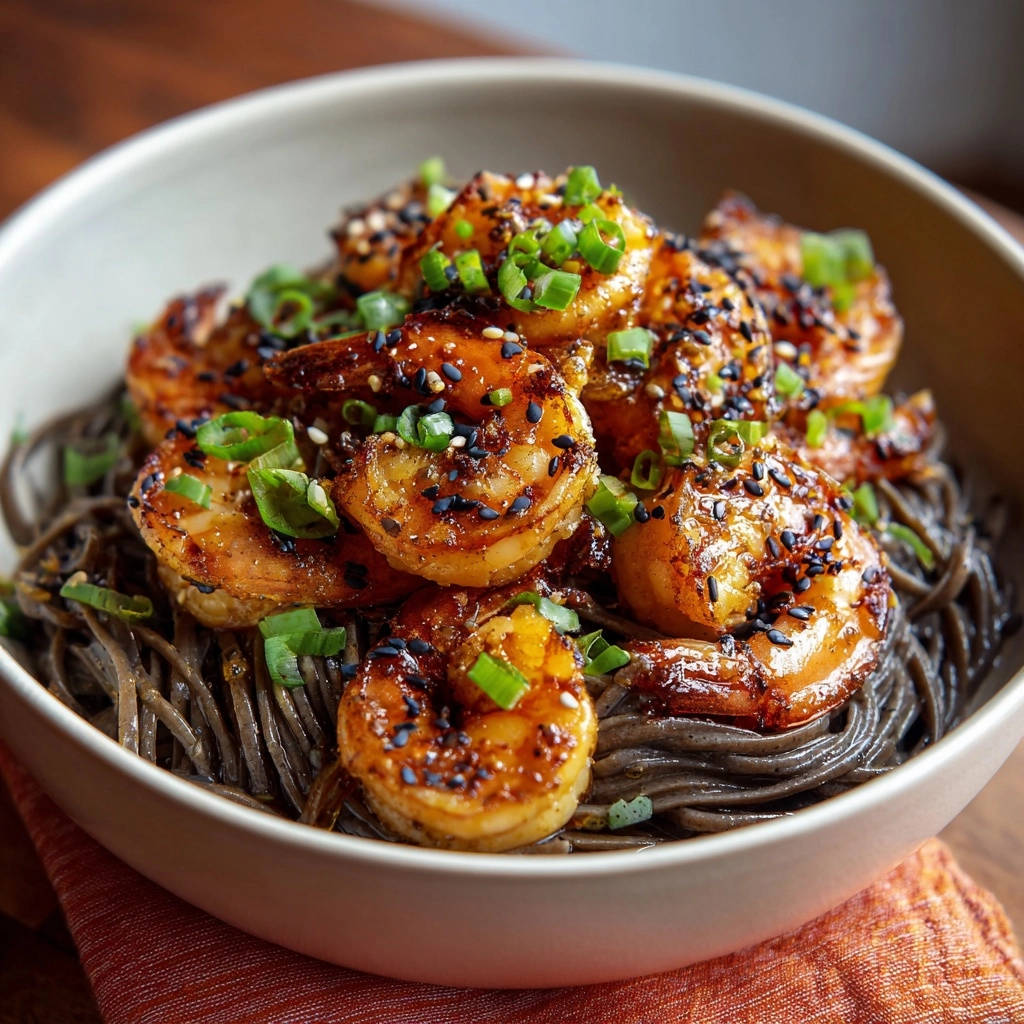
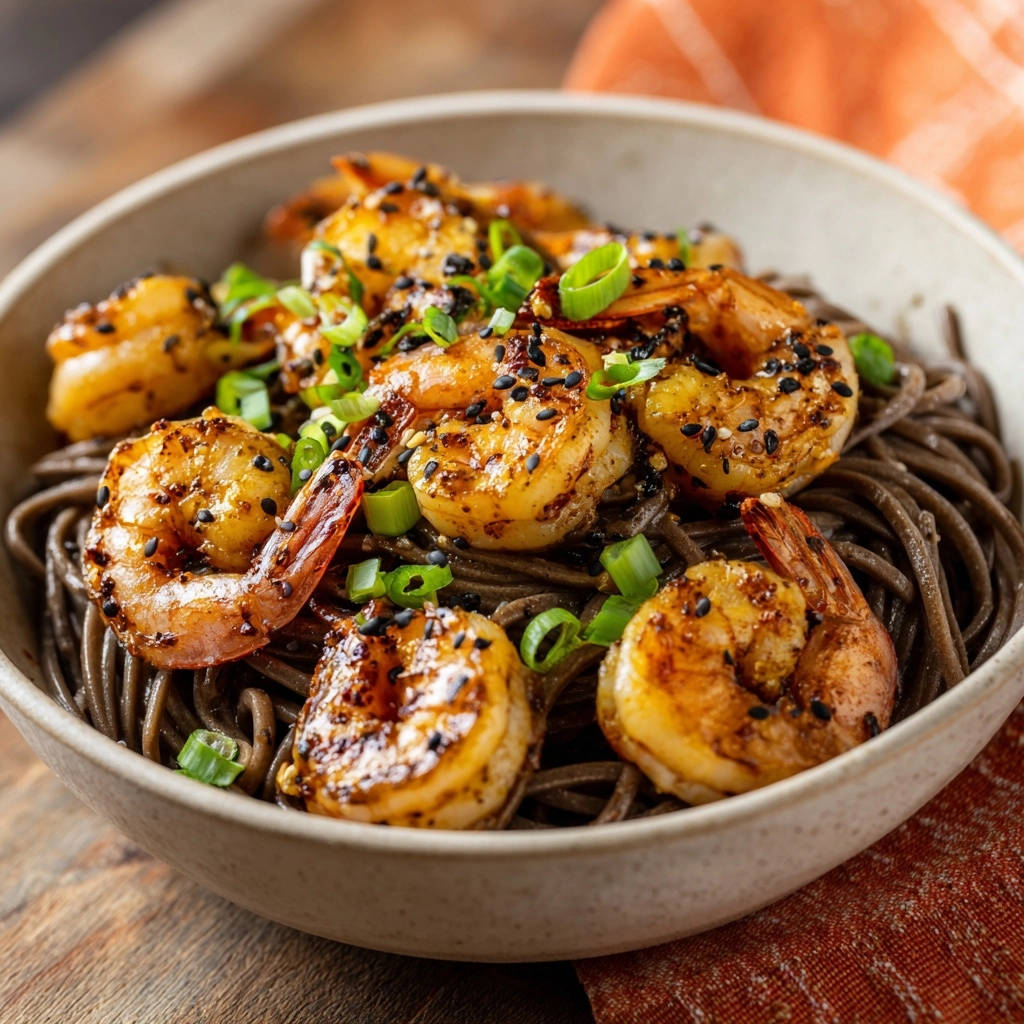
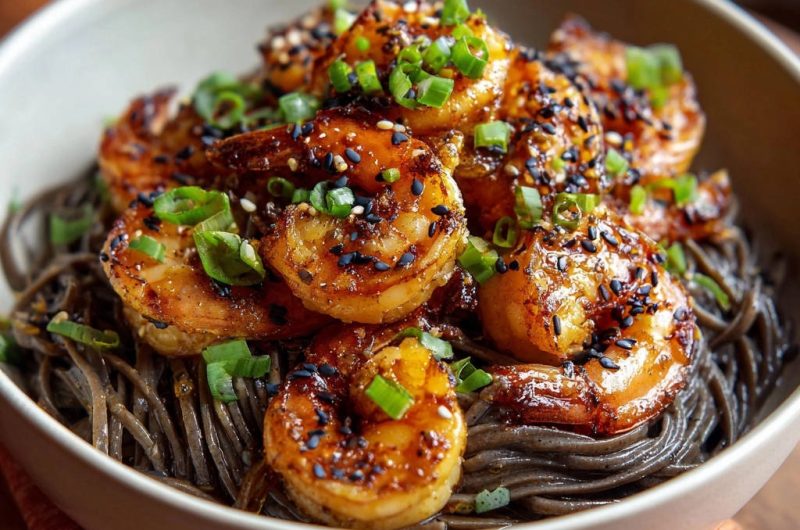
Divide the thoroughly drained soba noodles among individual serving bowls. Generously top each bowl with the beautifully glazed garlic shrimp.
Finish with a liberal sprinkle of sliced green onions and toasted sesame seeds for an extra burst of freshness and nutty flavor. Serve your Glazed Garlic Shrimp & Soba immediately to enjoy the best texture and warmth.
Elevate Your Glazed Garlic Shrimp & Soba: Expert Tips & Tricks
Take your Glazed Garlic Shrimp & Soba from great to extraordinary with these insider tips. They address common challenges and enhance the overall experience.
Never Overcrowd the Pan: The Golden Rule for Searing
When searing shrimp, cooking them in a single layer is paramount. Overcrowding lowers the pan’s temperature, leading to steaming instead of searing.
This results in rubbery, grey shrimp instead of beautifully browned, tender ones. Cook in batches if necessary, it’s worth the extra minute.
The Art of the Slurry: Smooth Thickening Every Time
Always mix cornstarch with cold water until absolutely smooth before adding it to a hot sauce. This prevents lumps, ensuring a silky, consistent glaze.
Whisking it in slowly to the simmering sauce allows you to control the thickness perfectly.
Taste and Adjust: Seasoning Your Glaze to Perfection
The beauty of homemade sauces is customization. Once the glaze has thickened, taste it and adjust as needed.
Add more honey for sweetness, a dash more rice vinegar for tang, or a tiny pinch of salt if using unsalted ingredients. Your palate is the ultimate guide.
Spice It Up: Adding a Kick to Your Glaze
For those who love a bit of heat, consider adding a pinch of red pepper flakes or a teaspoon of sriracha to the glaze mixture. This elevates the flavor profile without overwhelming the delicate shrimp.
Adjust the amount to your preferred spice level, adding it alongside the garlic and ginger.
Make it a Meal: Adding Vegetables to Your Soba
Transform your Glazed Garlic Shrimp & Soba into an even more complete meal by incorporating quick-cooking vegetables. Broccoli florets, sliced bell peppers, snow peas, or sliced carrots can be added to the skillet after the shrimp are removed.
Sauté them for a few minutes until tender-crisp before pouring in the sauce, allowing them to absorb the wonderful flavors.
Troubleshooting Common Glazed Garlic Shrimp & Soba Questions
Even expert cooks encounter challenges. Here are solutions to common issues you might face with this Glazed Garlic Shrimp & Soba recipe.
“My Shrimp are Rubbery!”
This is almost always due to overcooking. Shrimp cook incredibly fast. Remember the two-stage cooking: a quick sear until just pink, then a very brief final toss in the glaze.
Watch them closely and remove them from heat the moment they turn opaque, as they continue to cook slightly from residual heat.
“My Sauce Isn’t Thickening (or is Too Thick)!”
If your sauce isn’t thickening, ensure your cornstarch slurry was fully dissolved and the sauce was at a gentle simmer when added. Simmer for another minute, stirring, to activate the cornstarch.
If too thick, whisk in a tablespoon of water or chicken broth at a time until the desired consistency is reached. Always aim for a glossy, coating consistency, not a gloopy one.
“My Soba Noodles are Sticky!”
Sticky noodles usually mean they weren’t rinsed thoroughly enough with cold water after cooking. The cold rinse removes excess starch, which causes stickiness, and prevents further cooking.
Ensure you separate them well under the running water to rinse all surfaces. Tossing them with a tiny drizzle of neutral oil after rinsing can also help.
“The Glaze Lacks Flavor.”
This could be due to using diluted soy sauce, not enough fresh garlic or ginger, or needing a touch more balance. Taste the glaze before adding the shrimp and adjust accordingly.
A small squeeze of lime juice at the end can also brighten flavors. Ensure your ingredients are fresh and pungent.
Expanding Your Menu: Serving Suggestions and Pairings
While Glazed Garlic Shrimp & Soba is a complete meal on its own, here are some ideas to enhance your dining experience.
What to Serve with Glazed Garlic Shrimp & Soba
These shrimp noodles are light and savory, so round out the meal with something spicy or sweet-crunchy on the side.
- For a sticky, spicy contrast to the garlic noodles, try these Spicy Sticky Gochujang Chicken Wings — the heat cuts through the mild shrimp glaze.
- A Sweet and Spicy Chicken Salad adds a cool, crunchy texture that balances the warm soba noodles.
Ideal Side Dishes for a Complete Meal
A simple side of steamed or roasted asparagus, snap peas, or broccoli complements the dish beautifully. Their crisp texture and mild flavor provide a refreshing contrast.
For an added layer of freshness, a light cucumber salad with a sesame vinaigrette would be perfect.
Beverage Pairings: What to Sip With Your Soba
For a refreshing pairing, consider iced green tea or a light ginger ale. Sparkling water with a squeeze of lime also cuts through the richness of the glaze.
These choices cleanse the palate and enhance the Asian-inspired flavors of the Glazed Garlic Shrimp & Soba.
Beyond the Bowl: Creative Ways to Enjoy Leftovers
Leftover Glazed Garlic Shrimp & Soba can be transformed! Serve it chilled the next day as a delightful noodle salad for lunch.
You can also quickly sauté it with some fresh spinach or bok choy for a quick warm-up, adding new textures and nutrients.
Plan Ahead: Make-Ahead & Storage Tips
Strategic preparation can make weeknight dinners even smoother. Here’s how to manage your Glazed Garlic Shrimp & Soba effectively.
Can You Make Glazed Garlic Shrimp & Soba Ahead of Time?
For best results, this dish is truly at its peak when served fresh. However, you can prep components ahead: whisk the sauce, mince garlic and ginger, and cook and rinse the soba noodles.
Store these separately in the refrigerator. Then, simply cook the shrimp and assemble just before serving for optimal texture and flavor.
Properly Storing Leftovers for Best Flavor
Allow any leftover Glazed Garlic Shrimp & Soba to cool completely. Transfer it to an airtight container and store in the refrigerator for up to 2-3 days.
This prevents bacterial growth and maintains the quality of the ingredients for a short period.
Reheating for Optimal Taste and Texture
To reheat, gently warm the dish in a skillet over medium-low heat with a splash of water or broth. Avoid high heat, which can toughen the shrimp.
Alternatively, microwave in short bursts, stirring in between, until just warmed through. Add a fresh sprinkle of green onions for a revitalized taste.
Frequently Asked Questions About Glazed Garlic Shrimp & Soba
Q: Can I use frozen shrimp?
Absolutely! Thaw frozen shrimp completely in the refrigerator overnight, or by placing them in a colander under cold running water for 10-15 minutes. Pat them very dry before cooking for the best sear.
Q: Is this recipe gluten-free?
Soba noodles are traditionally made from buckwheat, which is gluten-free. However, many brands mix buckwheat with wheat flour. Check your soba noodle packaging to ensure they are 100% buckwheat for a gluten-free option.
Also, be sure to use tamari instead of regular soy sauce, as tamari is a gluten-free alternative.
Q: What if I don’t have rice vinegar?
While rice vinegar offers a unique mild tang, apple cider vinegar can be a decent substitute in a pinch. Start with half the amount and taste, as its flavor is more pronounced. Avoid white vinegar.
Q: How spicy is this dish?
As written, this Glazed Garlic Shrimp & Soba recipe has a mild, warming quality from the fresh ginger, but it’s not spicy. For heat, add red pepper flakes or sriracha to the sauce mixture, adjusting to your preference.
Q: Can I use different noodles?
While soba noodles are recommended for their flavor and texture, you can certainly experiment. Udon noodles, ramen noodles, or even spaghetti can be used, though the overall dish profile will change.
Adjust cooking times according to package directions for your chosen noodle type.
Ready to Impress? Share Your Glazed Garlic Shrimp & Soba Creation!
You now possess the secrets to crafting a truly exceptional Glazed Garlic Shrimp & Soba dish – one that guarantees tender shrimp and a glaze bursting with flavor. This recipe isn’t just about cooking; it’s about building confidence in your kitchen and bringing joy to your table.
Don’t let the thought of rubbery shrimp deter you any longer. Embrace the simple techniques outlined here, and prepare to delight yourself and your loved ones. I can’t wait to hear about your culinary success!
Glazed Garlic Shrimp
Course: Main CourseCuisine: AsianDifficulty: easy2
servings20
minutes15
minutes550
kcal35
minutesStruggling with rubbery shrimp? This recipe reveals a simple trick for perfectly tender, succulent shrimp every time, coated in a delicious sticky garlic glaze. Paired with quick-cooking soba noodles, it’s a flavorful and satisfying meal that comes together fast.
Ingredients
1 pound large shrimp, peeled and deveined, tails on
8 ounces soba noodles
2 tablespoons neutral cooking oil (like vegetable or canola)
2 cloves garlic, minced
1 teaspoon fresh ginger, grated
1/4 cup soy sauce (low sodium preferred)
2 tablespoons honey or brown sugar
1 tablespoon rice vinegar
1 teaspoon sesame oil
1 teaspoon cornstarch mixed with 1 tablespoon cold water (slurry)
2 green onions, sliced, for garnish
1 teaspoon sesame seeds (mixed black and white), for garnish
Directions
- Cook soba noodles according to package directions. Drain, rinse with cold water to prevent sticking, and set aside.
- In a small bowl, whisk together the minced garlic, grated ginger, soy sauce, honey (or brown sugar), rice vinegar, and sesame oil.
- Heat 1 tablespoon of cooking oil in a large skillet or wok over medium-high heat until shimmering.
- Crucial Step for Tender Shrimp: Add the shrimp to the hot skillet in a single layer, making sure not to overcrowd the pan. Cook for only 1-2 minutes per side, until they just start to turn pink and opaque. Shrimp cook very quickly, so watch them closely! Remove the shrimp from the skillet and set aside. They will finish cooking with the sauce.
- Pour the sauce mixture into the same skillet. Bring to a gentle simmer over medium heat, stirring constantly.
- Whisk in the cornstarch slurry. Continue to stir until the sauce thickens and becomes glossy, about 1-2 minutes.
- Return the partially cooked shrimp to the skillet with the thickened sauce. Toss gently for about 30-60 seconds, just until the shrimp are fully cooked through, beautifully coated in the sticky glaze, and perfectly tender. Do not overcook them at this stage.
- Divide the cooked soba noodles among serving bowls. Top with the glazed shrimp.
- Garnish generously with sliced green onions and sesame seeds. Serve immediately.
Notes
- The key to tender shrimp is to cook them briefly in two stages, never overcooking them at any point.