Korean-Inspired Beef Skillet: Perfectly Glazed, Never Watery
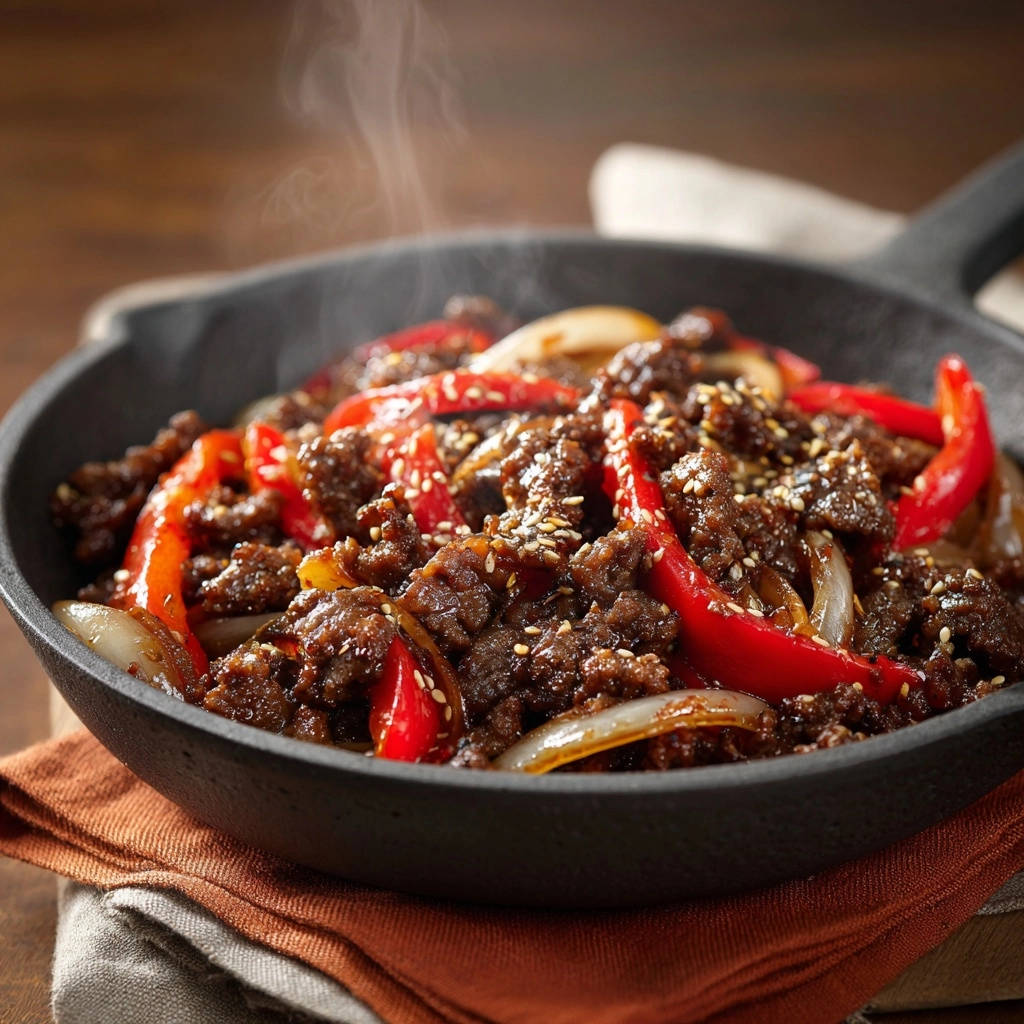
I know the frustration: craving a vibrant, savory skillet meal, only to find it swimming in a thin, watery sauce. That’s why I perfected this Korean-Inspired Beef Skillet recipe, which guarantees a rich, clingy glaze on every single bite.
This dish masterfully solves the watery sauce dilemma, delivering an incredibly flavorful and satisfying experience that’s perfect for any weeknight.
Tired of Watery Skillet Meals? Your Glazed Korean-Inspired Beef Awaits!
This Korean-Inspired Beef Skillet is more than just a quick meal; it’s a culinary triumph over common kitchen woes. It brings together incredible flavors with a foolproof method for a perfectly glazed finish.
The “Never Watery” Promise: Our Secret Method
The key to our signature glaze lies in two crucial steps. First, we thoroughly drain all rendered fat from the ground beef, preventing excess moisture from diluting the sauce.
Secondly, a precisely prepared cornstarch slurry, added at the right moment, transforms the flavorful liquid into a thick, glossy, and beautifully clingy sauce.
Speedy & Satisfying: Perfect for Weeknights
From prep to plate, this Korean-Inspired Beef Skillet comes together in under 30 minutes. It’s an ideal solution for busy evenings when you want a homemade, hearty meal without spending hours in the kitchen.
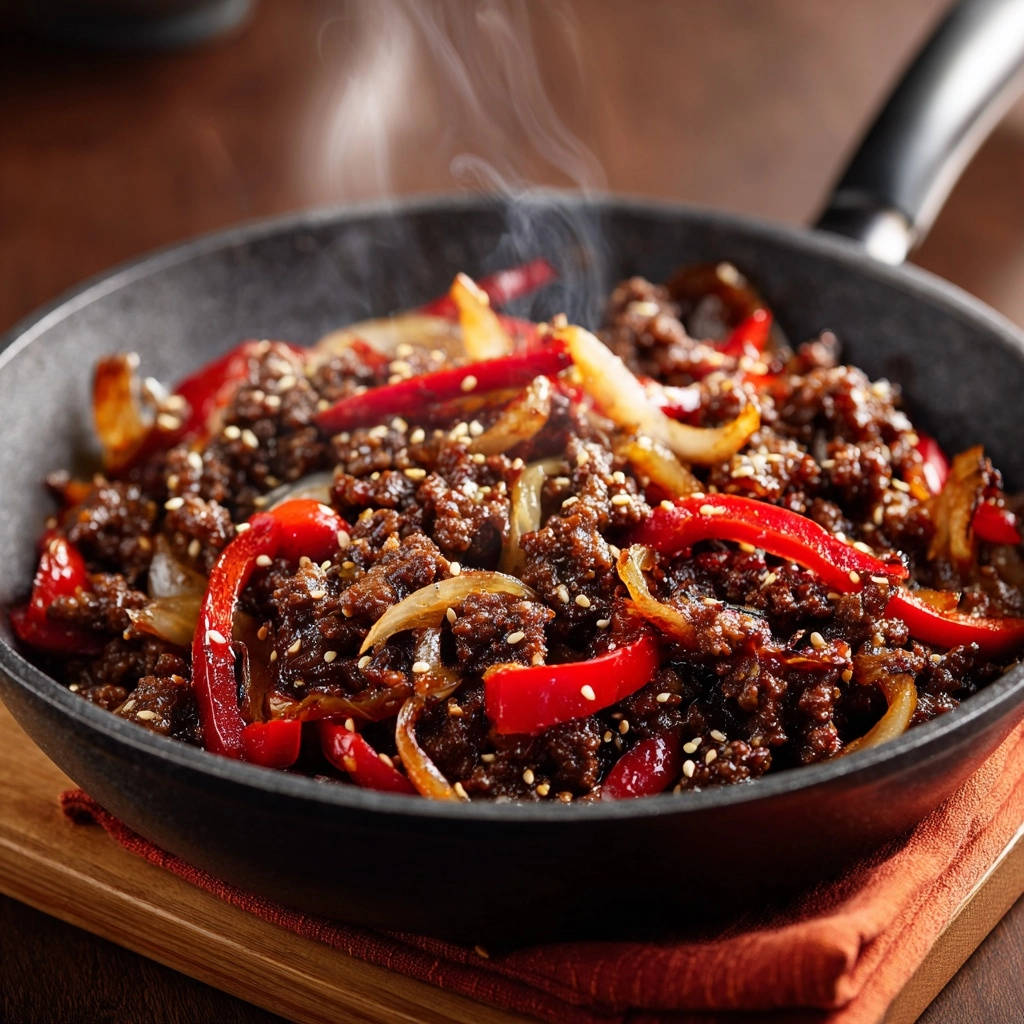
A Burst of Umami: Irresistible Flavor Profile
Prepare for a symphony of tastes with every forkful. The dish offers a harmonious balance of savory soy, sweet brown sugar, and nutty sesame oil, uplifted by fresh ginger and garlic.
This umami-rich profile creates an utterly irresistible flavor that satisfies even the pickiest eaters.
Gather Your Flavor Arsenal: Key Ingredients for Success
Every ingredient in this recipe plays a vital role in building its signature flavor and texture. Selecting quality components ensures the best possible outcome for your skillet beef.
The Hearty Foundation: Ground Beef
We use one pound of ground beef, which provides a robust and satisfying base for the dish. A lean-to-medium fat content (80/20 or 85/15) works best, as it renders enough fat for flavor development, which you’ll then drain.
Fresh & Vibrant: Bell Pepper and Onion
A large red bell pepper and a medium yellow onion contribute essential sweetness, a subtle oniony bite, and vibrant color. They add crucial texture, remaining tender-crisp for a delightful contrast.
Aromatic Powerhouses: Garlic and Ginger
Freshly minced garlic and grated ginger are non-negotiable for this Korean-Inspired Beef Skillet. Their pungent, zesty, and warming notes are fundamental to the authentic flavor profile.
Crafting the Signature Glaze: Soy Sauce, Brown Sugar, Sesame Oil
Soy Sauce: The backbone of the savory umami flavor.
Brown Sugar: Adds a crucial depth of sweetness and helps achieve that beautiful, caramelized glaze.
Sesame Oil: Infuses the dish with its characteristic nutty aroma and distinctive Korean-inspired taste. A little goes a long way.
The Thickening Star: Cornstarch Slurry
Cornstarch, mixed with cold water or vegetable broth, is our secret weapon. It’s what creates the silky, glossy, and perfectly thickened sauce, ensuring no watery residue.
Essential Kitchen Gear for a Smooth Cooking Experience
Having the right tools at hand makes preparing this Korean-Inspired Beef Skillet even more enjoyable and efficient.
If you enjoy the quick skillet method here, this cheesy ground beef and rice skillet follows the same one-pan approach.
Your Skillet Choice: Cast Iron or Wok
A large cast-iron skillet provides excellent heat retention and even cooking, perfect for browning beef and sautéing vegetables. Alternatively, a wok’s sloped sides are ideal for quick, high-heat stir-frying, ensuring everything cooks evenly.
Mixing Bowls and Whisks
You’ll need a couple of small bowls for preparing the sauce mixture and the cornstarch slurry separately. Whisks are essential for thoroughly dissolving the brown sugar and ensuring a lump-free cornstarch mixture.
Prep Tools: Knife and Grater
A sharp chef’s knife is necessary for thinly slicing the bell pepper and onion, as well as mincing garlic. A microplane grater makes quick work of fresh ginger, ensuring a fine consistency and maximum flavor release.
Mastering the Skillet: A Step-by-Step Culinary Journey
Follow these detailed steps carefully to achieve a perfectly glazed and flavorful Korean-Inspired Beef Skillet every time.
- Brown the Ground Beef & Drain Excess Fat:
This initial step is critical for developing rich flavor and, most importantly, preventing a watery sauce later. Thoroughly draining the fat is non-negotiable for the “never watery” promise, removing excess liquid that would thin your glaze.
Cook the beef until no pink remains, breaking it up with a spoon, then promptly remove it from the skillet and set aside.
- Sauté the Vibrant Vegetables:
Add the sliced red bell pepper and onion to the same skillet, using any residual oil if needed. Cook over medium-high heat for 3-5 minutes, stirring frequently, until they are tender-crisp.
Avoid overcooking the vegetables to prevent them from releasing too much moisture, which can compromise your sauce’s consistency.
- Infuse with Aromatics:
Stir in the minced garlic and freshly grated ginger into the tender-crisp vegetables. Cook for just one minute more, stirring constantly, until their potent and fragrant aromas are fully released.
- Prepare the Signature Sauce Base:
In a small bowl, combine the soy sauce, packed brown sugar, and sesame oil. Whisk these ingredients vigorously until the brown sugar is completely dissolved, ensuring a smooth and evenly flavored sauce.
- Craft the Game-Changing Cornstarch Slurry:
In a separate small bowl, whisk together the cornstarch and cold water or vegetable broth. Continue whisking until the mixture is completely smooth and free of any lumps; this is your secret weapon for a perfectly thick and glossy sauce.
- Combine and Simmer for Flavor Fusion:
Return the cooked ground beef to the skillet with the sautéed vegetables and fragrant aromatics. Pour the prepared soy sauce mixture evenly over everything, then bring the entire contents to a gentle simmer.
- Thicken with the Slurry: The Glazing Moment:
Once the mixture is simmering, slowly pour the cornstarch slurry into the skillet while continuously stirring. Continue to stir gently as the sauce thickens and becomes beautifully glossy, which should take only about 1-2 minutes.
- Garnish and Serve Immediately:
Remove the skillet from the heat as soon as the sauce reaches your desired thickness. Garnish generously with sesame seeds for a delightful nutty flavor and visual appeal before serving your Korean-Inspired Beef Skillet piping hot.
Chef’s Secrets: Elevate Your Korean-Inspired Beef Skillet
Achieve truly restaurant-quality results with these expert tips and tricks for your Korean-Inspired Beef Skillet.
The Crucial Fat Drain: Don’t just remove the beef; truly drain ALL rendered fat from the skillet after browning. Any residual fat will hinder the cornstarch slurry’s ability to thicken properly, leading to a thin, oily sauce.
If you enjoy the glossy finish on this beef, you’ll love the crispy texture of this one-pan beef potato hash.
Perfectly Tender-Crisp Veggies: Pay close attention to step 2. Overcooked vegetables become mushy and release excessive moisture, again contributing to a watery sauce. A slight bite and vibrant color are ideal.
Whisk the Slurry Vigorously: Ensure your cornstarch slurry is completely smooth before adding it to the skillet. Lumps in the slurry mean lumps in your finished sauce. Always use cold liquid to prevent immediate clumping.
Stir, Stir, Stir When Thickening: When you add the cornstarch slurry in step 7, continuous, gentle stirring is vital. This distributes the thickener evenly throughout the sauce and prevents it from becoming clumpy or unevenly thickened in spots.
Don’t Forget the Garnish: Sesame seeds aren’t just for looks. They add a delicate crunch and a toasted nutty flavor that beautifully complements the dish’s savory profile. Freshly chopped green onions are another fantastic and flavorful option.
Troubleshooting Common Skillet Snafus
Even seasoned cooks encounter issues. Here’s how to tackle common problems and ensure your Korean-Inspired Beef Skillet is perfect.
Why is My Sauce Too Thin or Watery?
This is often due to insufficient fat drainage from the beef. Any excess fat or moisture released from overcooked vegetables can thin the sauce. Ensure your cornstarch slurry was fully whisked into cold liquid and added slowly while stirring.
If already cooked, you can make a small additional slurry (1 tsp cornstarch + 1 tsp cold water) and whisk it into the simmering sauce, cooking for another minute until thickened.
My Beef is Tough or Dry
Ground beef can become tough if overcooked for too long or if you started with an extremely lean cut without sufficient browning. Avoid excessive simmering after the initial browning step.
Opt for 80/20 or 85/15 ground beef for better texture and flavor, and don’t cook it past the “no pink” stage initially.
The Vegetables are Mushy
Mushy vegetables are a result of overcooking them in step 2. Ensure you cook the bell pepper and onion only until “tender-crisp,” which usually takes 3-5 minutes, retaining a slight bite.
Keep the heat high enough to sauté quickly, and stir frequently to prevent steaming.
The Flavor Feels Flat or Lacking
If your dish lacks punch, it might need a touch more seasoning. Check the balance of savory, sweet, and nutty.
A splash more soy sauce, a pinch of brown sugar, or an extra drizzle of sesame oil can enhance the flavor. Ensure fresh garlic and ginger are used for maximum impact.
Perfect Pairings and Serving Inspirations
This versatile Korean-Inspired Beef Skillet pairs wonderfully with a variety of sides, elevating your meal experience.
Classic Sides: Rice and Grains
Steamed White Rice: The traditional choice, perfect for soaking up the delicious glaze.
Brown Rice: A healthier, nuttier option that adds chewiness.
What to Serve With That Skillet
That glazed beef has a sticky-sweet kick that works well with a few extra options from the same flavor family.
- If you want more of that gochujang heat, the Spicy Sticky Gochujang Chicken Wings use the same bold paste for a finger-licking starter or snack.
- For a lighter contrast to the rich beef, the Sweet and Spicy Chicken Salad brings a fresh crunch and a similar sweet-heat balance.
Cauliflower Rice: For a low-carb alternative, this is an excellent light and absorbing base.
Fresh Accents: Kimchi and Green Onions
Serve a small side of kimchi for a tangy, spicy, and fermented counterpoint that cuts through the richness. A sprinkle of fresh chopped green onions adds a bright, oniony freshness and a pop of color.
Creative Serving Ideas: Wraps and Bowls
Beyond a plate, consider serving this glazed beef in crisp lettuce cups for a refreshing, hands-on meal. It also makes an excellent protein base for grain bowls, topped with pickled vegetables or a fried egg.
Planning Ahead: Storage and Make-Ahead Tips
Enjoy your Korean-Inspired Beef Skillet now, or plan for delicious meals later with these storage suggestions.
Refrigeration Best Practices
Store any leftovers in an airtight container in the refrigerator for up to 3-4 days. Ensure the dish is cooled completely before transferring it to storage to maintain freshness.
Can You Freeze It?
Yes, this skillet meal freezes remarkably well. Transfer cooled portions to freezer-safe containers and freeze for up to 2-3 months. Thaw overnight in the refrigerator before reheating gently on the stovetop or in the microwave.
Meal Prep: Prepping Ingredients in Advance
To save time on a busy weeknight, you can slice the bell pepper and onion, mince the garlic, and grate the ginger a day or two in advance. Store these prepped ingredients separately in airtight containers in the refrigerator.
Your Top Questions Answered About This Skillet Meal
Let’s address some common queries to ensure you feel fully confident tackling this Korean-Inspired Beef Skillet.
Can I Use a Different Type of Ground Meat?
Absolutely! Ground chicken or turkey can be excellent substitutes for beef. Adjust cooking times slightly and remember that leaner meats might require a touch more oil for browning.
Ground lamb could also offer a unique, rich flavor profile.
How Can I Make This Recipe Gluten-Free?
To make this Korean-Inspired Beef Skillet gluten-free, simply substitute regular soy sauce with tamari, which is a gluten-free alternative. All other ingredients are naturally gluten-free.
Can I Add More Vegetables?
Yes, feel free to get creative! Broccoli florets, snap peas, sliced mushrooms, or shredded carrots would all be delicious additions. Add harder vegetables earlier with the bell pepper and onion, and softer ones later in the cooking process to ensure they remain tender-crisp.
Is There a Way to Make It Spicier?
For a spicy kick, add a teaspoon of gochujang (Korean chili paste) to the sauce mixture in step 4, or sprinkle red pepper flakes into the skillet with the aromatics. Adjust the amount to your preferred heat level.
What if I Don’t Have Fresh Ginger?
While fresh ginger is highly recommended for its vibrant flavor, you can substitute it with ground ginger in a pinch. Use about 1/2 teaspoon of ground ginger for every tablespoon of fresh ginger called for in the recipe.
Ready to Savor Your Masterpiece?
You now possess the secrets to a perfectly glazed, never-watery Korean-Inspired Beef Skillet. This recipe is a testament to how simple techniques can yield extraordinary results.
Go forth, create this incredible dish, and delight in the rich, savory flavors. Don’t forget to share your experience and any creative twists you discover!
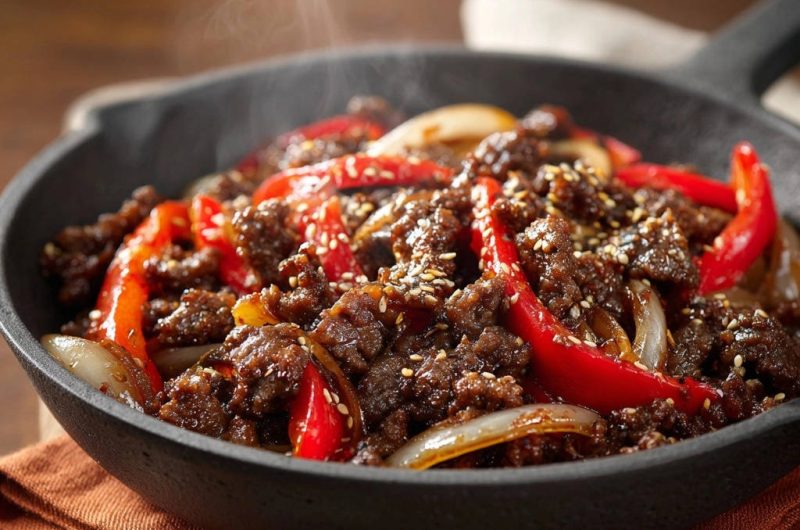
Beef Skillet
Course: Main CourseCuisine: AsianDifficulty: easy4
servings15
minutes20
minutes350
kcal35
minutesSay goodbye to watery skillet meals! This Korean-inspired recipe delivers perfectly coated beef and veggies with a rich, glossy sauce, bursting with flavor.
Ingredients
1 tablespoon vegetable oil
1 pound ground beef
1 large red bell pepper, thinly sliced
1 medium yellow onion, thinly sliced
3 cloves garlic, minced
1 tablespoon fresh ginger, grated
1/4 cup soy sauce
2 tablespoons brown sugar, packed
1 tablespoon sesame oil
1 tablespoon cornstarch
1/4 cup cold water or vegetable broth
1 teaspoon sesame seeds, for garnish
Directions
- Heat vegetable oil in a large cast-iron skillet or wok over medium-high heat. Add the ground beef and cook, breaking it up with a spoon, until fully browned. Drain any excess fat thoroughly from the pan. This step is crucial for preventing a watery sauce later. Remove the beef from the skillet and set aside.
- Add the sliced red bell pepper and onion to the same skillet. Cook over medium-high heat for 3-5 minutes, stirring frequently, until they are tender-crisp. Avoid overcooking to prevent them from releasing too much moisture.
- Stir in the minced garlic and grated ginger into the vegetables and cook for another minute until fragrant.
- In a small bowl, whisk together the soy sauce, brown sugar, and sesame oil until the sugar is dissolved.
- In a separate small bowl, whisk the cornstarch into the cold water or vegetable broth until completely smooth. This creates your cornstarch slurry, the secret to a perfectly thick sauce.
- Return the cooked ground beef to the skillet with the vegetables. Pour the soy sauce mixture over everything. Bring the mixture to a gentle simmer. Cook until no pink remains and it reaches 160°F (71°C).
- Once simmering, slowly pour the cornstarch slurry into the skillet while continuously stirring. Continue to stir gently as the sauce thickens and becomes glossy, which should take about 1-2 minutes.
- Remove the skillet from the heat. Garnish with sesame seeds before serving.
Notes
- For best results and to prevent a watery sauce, thoroughly drain excess fat from the beef and avoid overcooking the vegetables.