Mastering Southern Baked Macaroni and Cheese
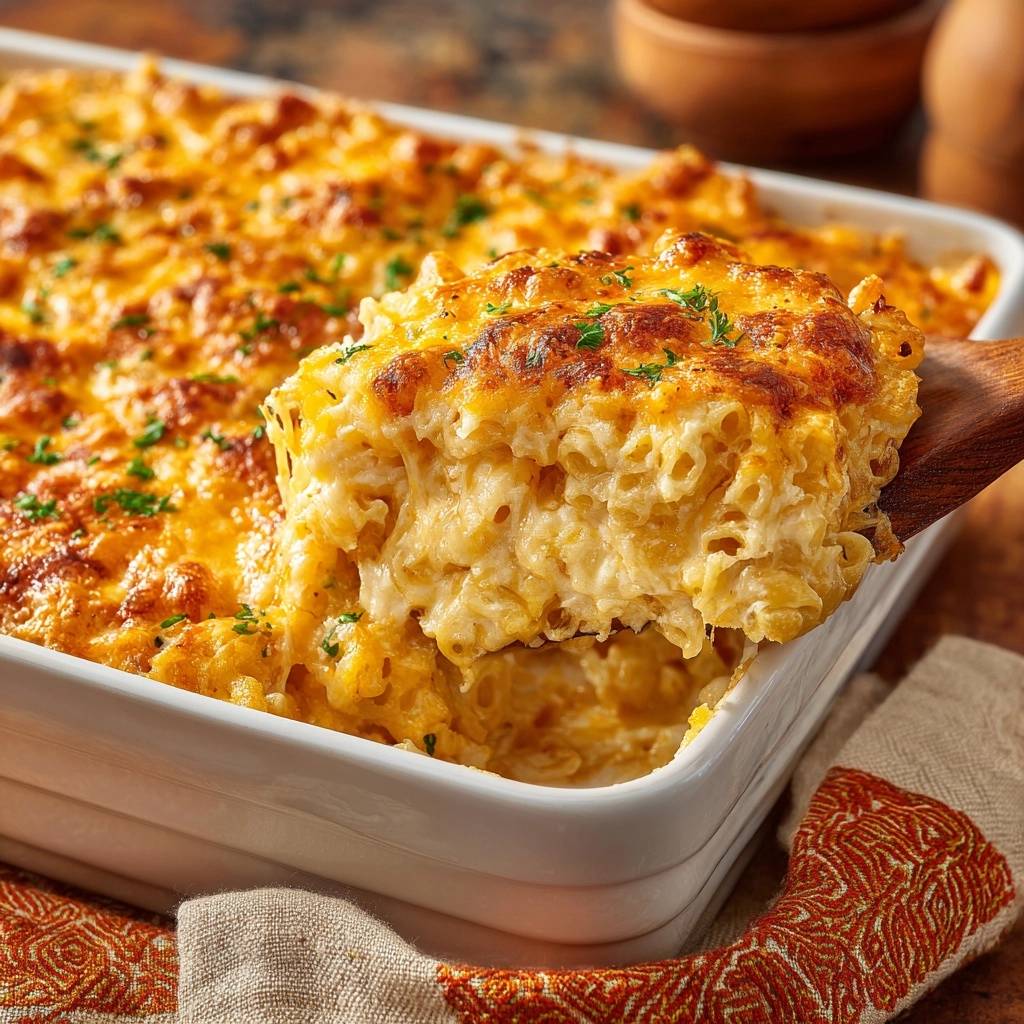
Southern baked macaroni and cheese isn’t just a side dish; it’s the undisputed centerpiece of the table. While stovetop versions are fine for a quick lunch, a true Southern casserole offers a complex contrast between a custard-like interior and a crispy, golden-brown crust. This dish carries a heavy cultural weight, often serving as the litmus test for a cook’s skill at family gatherings and holiday feasts.
The biggest heartbreak in any kitchen is pulling a tray out of the oven only to find the sauce has broken into an oily mess or feels like sand on the tongue. That dreaded gritty texture usually happens because of a few tiny scientific missteps. I’m going to show you exactly how to stabilize your emulsion so every bite is velvety, rich, and perfectly set.
The secret to success lies in the temperature of your ingredients and the patience you show your roux. By mastering the “off-heat” cheese integration, you’ll ensure the proteins in the dairy don’t tighten up and seize. You’re about to create a version so creamy that people will ask if you used a secret processed cheese, but the truth is just good technique and better ingredients.
The Anatomy of a Velvety Cheese Sauce
Creating a flawless cheese sauce is an exercise in chemistry. You start with a roux, which is a cooked mixture of equal parts butter and flour. This paste acts as the thickening agent that suspends the fat from the cheese and milk in a stable web of starch. Without a proper roux, the oils would simply float to the top of your casserole during the long bake time.
You’re aiming for a “nappe” consistency before you ever add the cheese. This is a French culinary term meaning the sauce is thick enough to coat the back of a wooden spoon. When you run your finger through the sauce on the spoon, it should leave a clear, distinct path that doesn’t fill back in. This thickness ensures the macaroni is hugged by the sauce rather than just sitting in a puddle of liquid.
Why Block Cheese Defeats Pre-Shredded Bags
If you want that iconic cheese pull, you have to put down the pre-shredded bag. Those convenient packages are coated in cellulose or potato starch to keep the shreds from clumping together in the store. Unfortunately, those same anti-caking agents prevent the cheese from melting into a cohesive sauce, resulting in a grainy, floury mouthfeel that ruins the dish.
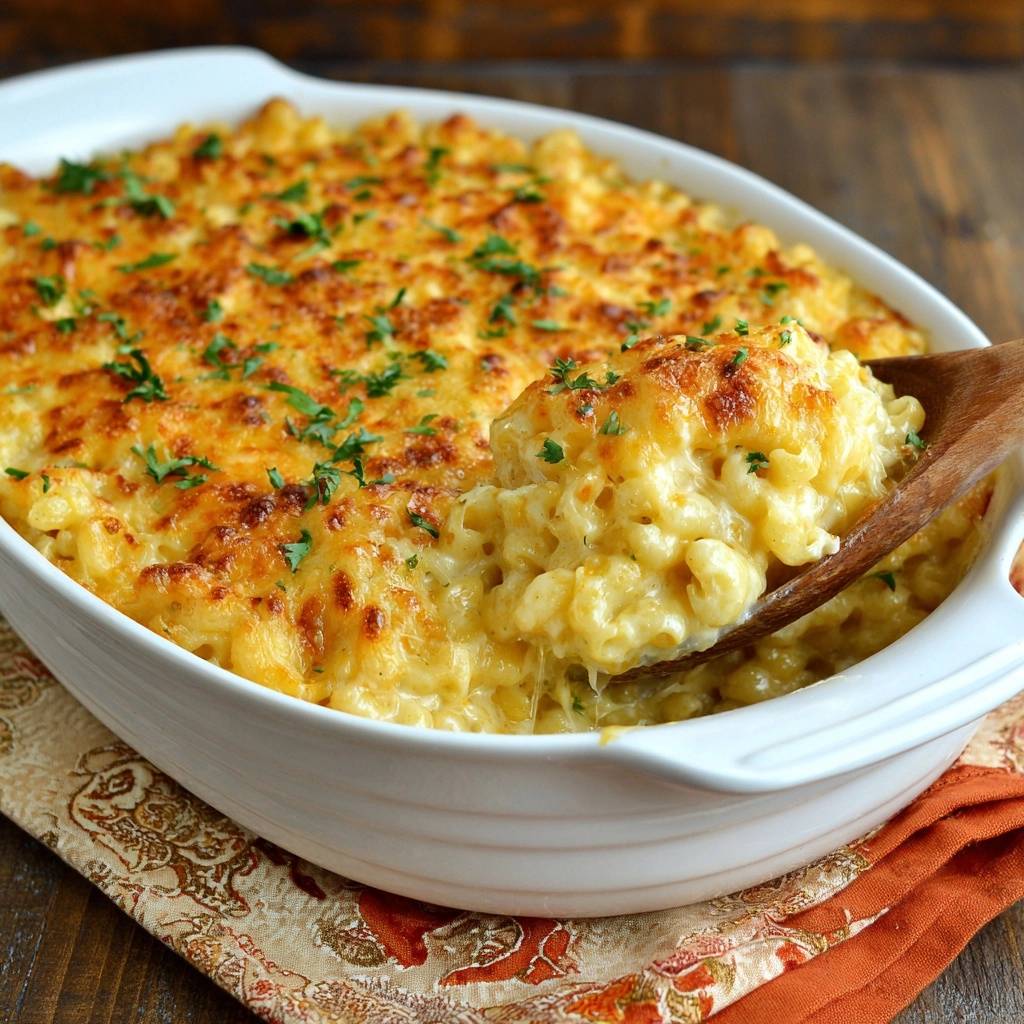
Freshly grated cheese melts at a lower temperature and creates a much smoother bond with your béchamel. I recommend a blend of Sharp Cheddar and Monterey Jack. The Sharp Cheddar provides that classic, punchy tang that cuts through the richness, while the Monterey Jack acts as the “melter,” providing the gooey, stretchy texture that makes this dish so satisfying.
Cheese lovers will also enjoy these cheesy beef stuffed peppers for a hearty, satisfying meal.
The Critical Role of Room Temperature Dairy
Thermal shock is the enemy of a smooth sauce. If you pour ice-cold milk directly into a hot butter-and-flour roux, the fats can seize up, creating stubborn lumps that are nearly impossible to whisk out. Using room temperature milk and heavy cream allows the liquids to incorporate gradually and smoothly, maintaining a consistent temperature throughout the pot.
If you forgot to take your dairy out of the fridge, don’t panic. You can quickly bring it to temperature by placing the measured milk and cream in a microwave-safe bowl and heating it in 30-second bursts. You aren’t looking to make it hot; you just want to take the chill off so it feels neutral to the touch before it hits the pan.
Essential Components for Southern Baked Macaroni and Cheese
Every ingredient in this recipe serves a specific structural or flavor-based purpose. We use unsalted butter so we can control the seasoning ourselves, as different brands of salted butter vary wildly in their sodium content. The heavy cream is non-negotiable here; it adds a luxurious fat content that prevents the sauce from drying out while it bubbles away in the oven.
The choice of spices might seem simple, but they are the backbone of the flavor profile. Smoked paprika adds a very subtle earthiness and a beautiful orange hue that makes the cheese look even richer. It’s a sophisticated upgrade from standard paprika, which often lacks flavor. These dry spices hydrate in the warm sauce, blooming their aromas so every noodle is seasoned from the inside out.
Selecting and Preparing the Elbow Macaroni
While you can use fancy shapes like cavatappi or shells, the classic elbow macaroni is the gold standard for a reason. The hollow tubes act like little straws, sucking up the cheese sauce so you get a burst of creaminess in every bite. If you use a different shape, make sure it has ridges or a hollow center to catch the sauce.
The most important rule is to undercook your pasta. You should boil it for about 2 to 3 minutes less than the “al dente” instructions on the box. The pasta should feel slightly chalky or firm in the very center. This is because the noodles will continue to absorb moisture from the sauce while baking; if they’re fully cooked before they hit the oven, they’ll turn into mush.
The Spice Profile: Beyond Just Salt
Ground mustard is the “secret weapon” of professional mac and cheese. It doesn’t make the dish taste like mustard; instead, it acts as a natural emulsifier that helps the cheese and milk stay bonded. It also provides a sharp acidity that brightens the heavy flavors of the dairy, making the whole dish feel less “heavy” on the palate.
Garlic and onion powder provide a savory base that salt alone can’t achieve. They offer a “cooked all day” depth of flavor that permeates the sauce. Always taste your sauce before adding the noodles, but remember that the flavors will concentrate slightly as the liquid evaporates in the oven, so don’t over-salt at the beginning.
If you enjoy the rich, creamy texture of cheese in this dish, try the same approach in this jalapeno popper meatloaf.
Step-by-Step: Constructing the Perfect Casserole
Success starts with your mise en place. Have your cheese grated and your liquids measured before you turn on the stove. The process moves quickly once the roux starts to brown, and you don’t want to be fumbling with a cheese grater while your butter is burning in the pot.
Grease your baking dish thoroughly with butter or oil. This doesn’t just prevent sticking; it helps the edges of the macaroni caramelize against the sides of the dish. Those crispy, chewy corner bits are often the most coveted parts of the entire meal, so give them a chance to shine.
Building a Golden Roux and Béchamel
Melt your butter over medium heat until it’s foamy, then whisk in the flour. You’ll see it bubble and smell a slightly nutty aroma. Keep whisking for about two minutes. You’re looking for a “blonde” roux—it should look like wet sand but shouldn’t turn dark brown. This cooking time is vital to remove the raw, pasty taste of the flour.
When you start adding the milk and cream, do it in a very slow, steady stream. Whisk vigorously with your other hand. The mixture will look like a thick paste at first, then a heavy cream, and finally a smooth sauce. If you see lumps forming, stop pouring and whisk until it’s smooth again before adding more liquid.
Tempering the Cheese for Maximum Creaminess
This is the step where most people go wrong. Never add your cheese while the sauce is still boiling on the stove. High, direct heat causes the proteins in the cheese to tighten and squeeze out the fat, which leads to that oily, grainy mess we want to avoid. Remove the pot from the heat entirely.
Let the sauce sit for about two minutes to drop the temperature slightly. Then, fold in your grated cheese in handfuls. Stir gently until the cheese is fully melted and the sauce looks glossy and smooth. This “tempering” method ensures the cheese melts gently into the sauce without breaking the emulsion you worked so hard to build.
Layering for the Ultimate Cheese Crust
Don’t just dump everything into the dish and top it with cheese. For the best texture, use a staggered layering technique. Pour half of your saucy macaroni into the dish, then sprinkle a generous layer of shredded cheese right in the middle. Add the remaining macaroni on top of that, followed by the final layer of cheese.
This middle layer of cheese creates “pockets” of gooey, melted goodness that stay soft even after the top has crusted over. It adds a structural integrity to the slice and ensures that you aren’t just eating dry noodles once you get past the top layer. It’s the difference between a good mac and a legendary one.
Troubleshooting Common Macaroni and Cheese Issues
If you notice an oily top on your mac and cheese, your oven might be too hot, or you didn’t whisk your roux long enough. The oil is simply the cheese separating. You can sometimes fix this by letting the dish rest for 15 minutes after baking; as it cools, some of those fats will be reabsorbed into the starch of the noodles.
Dry noodles are usually the result of over-boiling the pasta or not using enough sauce. Remember, the noodles act like sponges. If they are already fully hydrated from the boiling water, they won’t take in the sauce. If your mac is consistently dry, try increasing the milk by half a cup next time or taking the pasta out of the water even earlier.
A bland base is almost always a salt issue. Pasta needs a lot of salt to taste like anything. Make sure your pasta water is “salty like the sea,” and don’t be afraid to season the cheese sauce generously. The cheese adds salt, but it also adds a lot of fat, which can coat the tongue and dull other flavors if you don’t have enough seasoning to punch through.
Optimal Baking Times and Temperature Control
The 350°F temperature is the “sweet spot” for Southern baked mac. It’s hot enough to bubble the sauce and melt the cheese, but gentle enough that it won’t break the dairy emulsion before the pasta finishes cooking. If you try to rush it at 400°F, you’ll likely end up with a broken sauce and burnt edges.
Keep an eye on the dish around the 25-minute mark. You’re looking for the edges to be bubbling vigorously and the cheese on top to be melted and starting to brown. If you want that specific “speckled” crust, turn on the broiler for the last 60 seconds. Stay right there and watch it; the broiler can go from perfect to burnt in a heartbeat.
Make-Ahead Strategies and Storage Logistics
You can easily prep this dish 24 hours in advance. Follow the instructions up until the baking step, but let the macaroni and sauce cool slightly before putting them in the dish. Cover tightly with foil and refrigerate. When you’re ready to eat, let the dish sit on the counter for 30 minutes to take the chill off before baking, and add about 5-10 minutes to the bake time.
Leftovers should be stored in an airtight container in the fridge for up to 4 days. To reheat, add a splash of milk to the bowl and cover it with a damp paper towel. This creates steam in the microwave, which helps loosen the sauce and prevents the noodles from becoming oily. I don’t recommend freezing this dish, as the dairy often separates and the noodles become grainy upon thawing.
What to Serve with Southern Baked Macaroni and Cheese
Because this dish is so incredibly rich and creamy, it pairs best with sides that offer a bit of acidity or “snap.” A vinegar-based coleslaw is a fantastic partner, as the tanginess cuts right through the heavy cheese. Braised collard greens or green beans are also traditional favorites that provide a savory, earthy balance to the meal.
If you’re serving this as part of a larger spread, roasted root vegetables or a bright citrus salad can provide a refreshing contrast. Since we aren’t using beef or alcohol, you can focus on the deep flavors of smoked salts or high-quality oils to add complexity to your vegetable sides. A crisp sparkling apple cider or a tart lemonade also makes a great beverage pairing.
What’s Next?
Try these delicious pairings:
- Cheesy Sausage Soup: Silky Smooth Every Time
- Loaded Bacon Cheddar Mashed Potatoes: Fluffy No-Gluey Mastery
Expert Tips for Customizing Your Mac
Once you’ve mastered the base recipe, you can start playing with the flavor profile. If you like a bit of heat, add a pinch of cayenne pepper or a dash of your favorite hot sauce to the roux. It won’t make the dish “spicy” in the traditional sense, but it adds a back-of-the-throat warmth that makes the cheddar taste even sharper.
You can also experiment with different cheeses, provided you keep the moisture ratios the same. Swapping the Monterey Jack for Gruyère adds a sophisticated, nutty note that is popular in high-end bistros. Just remember to always grate it yourself! If you want a crunchier top, you can mix a little melted butter with panko breadcrumbs and sprinkle them over the final layer of cheese before baking.
Frequently Asked Questions
Can I use 2% milk instead of whole milk?
You can, but the results won’t be as creamy. Whole milk and heavy cream provide the necessary fat to create a stable, thick emulsion. Lower-fat milks have a higher water content, which makes the sauce more prone to breaking or becoming watery in the oven. If you must use 2%, I recommend adding an extra tablespoon of butter to the roux to compensate for the lost fat.
Why is my mac and cheese dry the next day?
Pasta is essentially a sponge made of starch. Even after you take the dish out of the oven, the noodles continue to absorb moisture from the sauce. By the next day, much of the liquid has been pulled into the pasta itself. To fix this when reheating, simply stir in a tablespoon or two of milk or cream to re-hydrate the sauce and restore that creamy texture.
Can I use gluten-free flour for the roux?
Yes, a high-quality 1-to-1 gluten-free flour blend works well for making a roux. However, gluten-free starches can sometimes thicken more aggressively than wheat flour, so you might need to add a splash of extra milk if the sauce becomes too thick to pour. Also, be sure to use a sturdy gluten-free pasta that won’t fall apart during the boiling and baking process.
How do I get the cheese to stretch more?
The “stretch” comes from high-moisture cheeses with a good protein structure. Monterey Jack is excellent for this, but you can also swap a portion of it for low-moisture mozzarella. Mozzarella is the king of the cheese pull. Just make sure you’re still using Sharp Cheddar for the flavor, as mozzarella on its own can be a bit bland in a baked casserole.
Is it okay to use a glass baking dish?
Absolutely. Glass and ceramic are actually preferred for baked macaroni because they heat more evenly than thin metal pans. This helps prevent the bottom from scorching before the top is browned. Just be careful not to take a glass dish directly from the cold refrigerator to a hot oven, as the thermal shock could cause the glass to shatter.
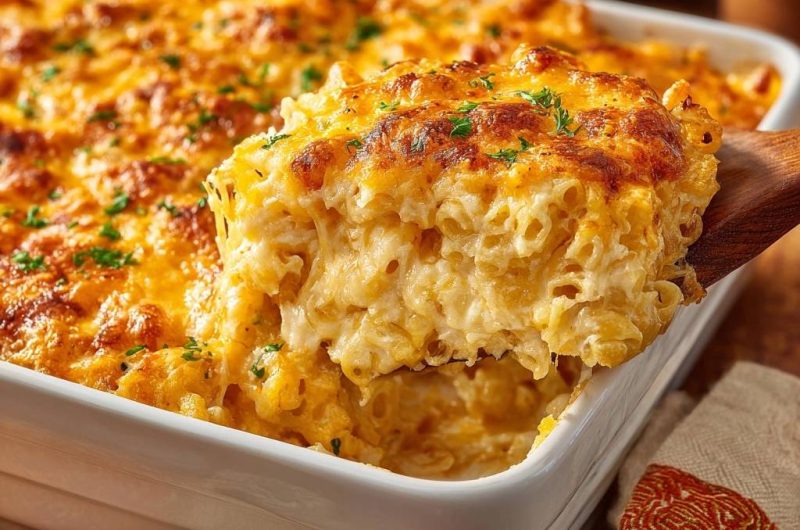
Baked Macaroni and Cheese
Course: Main CourseCuisine: AmericanDifficulty: medium8
servings15
minutes30
minutes650
kcal45
MinutesThis Southern-style baked macaroni and cheese features a velvety, smooth sauce made from scratch. By using a specific tempering method and freshly grated cheddar and Monterey Jack, this dish stays creamy and rich even after being baked to golden perfection.
Ingredients
1 pound elbow macaroni
4 cups sharp cheddar cheese, freshly grated from a block
2 cups monterey jack cheese, freshly grated from a block
1/2 cup unsalted butter
1/2 cup all-purpose flour
3 cups whole milk, room temperature
1 cup heavy cream, room temperature
1 teaspoon garlic powder
1 teaspoon onion powder
1/2 teaspoon smoked paprika
1/2 teaspoon ground mustard (optional, for depth)
Salt and black pepper to taste
Fresh parsley for garnish
Directions
- Preheat your oven to 350 degrees F and grease a 9×13 inch baking dish.
- Boil the macaroni in heavily salted water for 2 to 3 minutes less than the package directions for al dente. The pasta must be firm and slightly undercooked because it will absorb the sauce and finish cooking in the oven. Drain and set aside.
- Grate your cheese by hand. Pre-shredded cheese is coated in potato starch or cellulose which prevents smooth melting and causes a gritty mouthfeel. Mix the two cheeses together in a large bowl.
- In a large pot or Dutch oven, melt the butter over medium heat. Whisk in the flour and cook for 1-2 minutes, whisking constantly, to remove the raw flour taste and create a light roux.
- Slowly pour in the room temperature milk and heavy cream in a steady stream while whisking vigorously. Using room temperature dairy prevents the sauce from breaking. Continue to whisk over medium heat until the mixture thickens enough to coat the back of a spoon. Whisk in the garlic powder, onion powder, smoked paprika, salt, and pepper.
- Remove the pot from the heat. To ensure a silky texture, let the sauce cool for 2 minutes before adding 4 cups of the grated cheese mixture. Stir gently until the cheese is completely melted and the sauce is glossy.
- Fold the undercooked macaroni into the cheese sauce until every noodle is thoroughly submerged.
- Pour half of the macaroni mixture into the prepared baking dish. Sprinkle with half of the remaining cheese. Add the rest of the macaroni and top with the final layer of cheese.
- Bake for 25 to 30 minutes until the cheese on top is deeply golden brown and the edges are bubbly. For the specific crust shown in the photo, you may broil on high for the last 1-2 minutes, watching closely.
- Let the dish rest for 10 minutes before serving. This allows the sauce to thicken and set perfectly. Garnish with fresh chopped parsley.
Notes
- Avoid pre-shredded cheese as the cellulose coating causes a gritty texture. Ensure milk and cream are at room temperature to prevent the sauce from breaking. Undercook the pasta by 2-3 minutes so it finishes perfectly in the oven.