Hearty Beef Orzo Stew: Secret to Meltingly Tender Beef
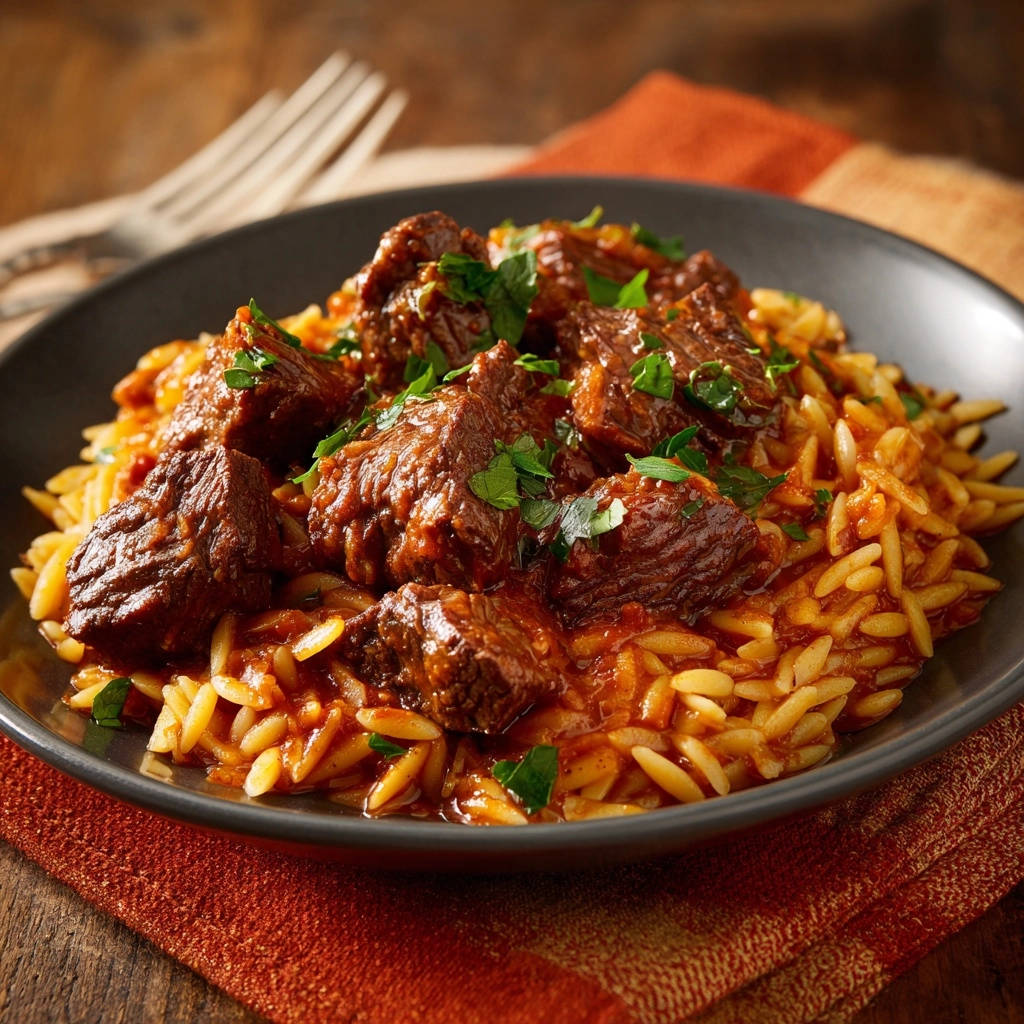
There’s nothing worse than slow-cooking a beef stew all day, only to find the meat is still chewy and disappointing. I used to struggle with dry, tough beef myself, but after years of perfecting my technique, I finally cracked the code to making an irresistibly tender Hearty Beef Orzo Stew.
This recipe isn’t just about a delicious meal; it’s a reliable guide to achieving fall-apart, melt-in-your-mouth beef every single time, transforming a challenging dish into a comforting triumph for any home cook.
Say Goodbye to Tough Beef: Why This Orzo Stew Wins
Unlike many beef stews that leave you with a frustratingly tough chew, our method guarantees irresistibly tender beef that practically melts in your mouth.
The secret lies in a combination of precise searing techniques and a patient, low-and-slow braising process, meticulously designed to break down connective tissues.
Beyond texture, this Hearty Beef Orzo Stew boasts incredible depth of flavor, built through caramelizing aromatics and tomato paste before the long, gentle simmer.
It’s a comforting classic made truly exceptional, delivering a rich, robust flavor that satisfies on the deepest level.
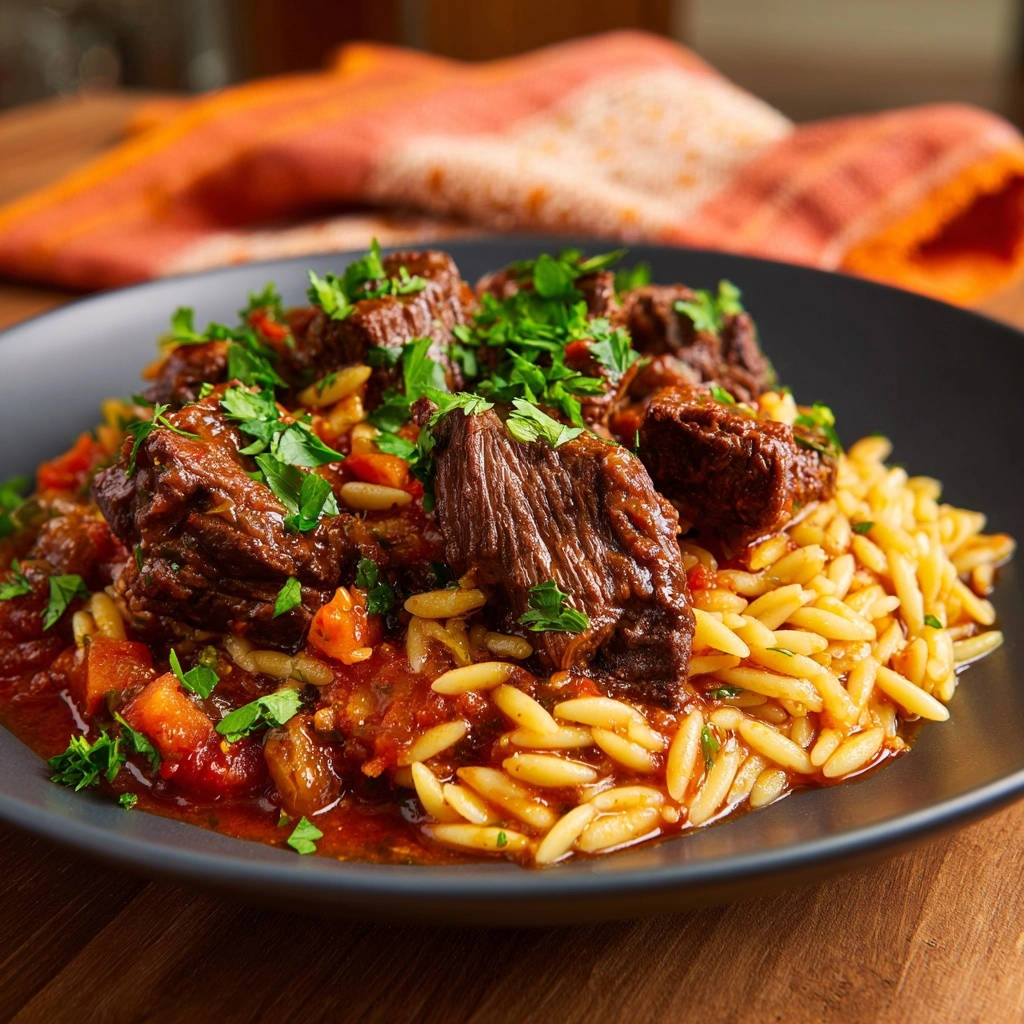
The Flavor Foundation: Essential Ingredients for Your Stew
Understanding the role of each ingredient elevates a simple recipe into a culinary masterpiece. Quality matters here.
Choosing the Best Beef Stew Meat
Opt for beef chuck roast, widely recognized for its rich marbling and connective tissue, which transforms into tender juiciness during long cooking.
When selecting, look for a vibrant red color and a good amount of intramuscular fat. Cut the meat into uniform 1½-inch cubes to ensure even cooking.
Aromatic Anchors: Onion, Garlic, and Herbs
A large yellow onion provides a sweet and savory base as it caramelizes, forming the foundational layer of flavor for your stew.
Freshly minced garlic adds a pungent depth that complements the beef beautifully. Always use fresh for the best impact.
Dried oregano offers a warm, earthy, and slightly peppery note, while a single bay leaf contributes a subtle, almost medicinal aroma that rounds out the stew’s complexity without overpowering.
The Richness Factor: Tomato Paste & Broth
Tomato paste is crucial; when cooked down, it caramelizes, developing a deep, umami-rich flavor that adds incredible body and tang to the sauce.
Crushed tomatoes provide a bright, fresh tomato essence and contribute to the stew’s hearty texture.
A high-quality beef broth is essential for the braising liquid, providing a savory foundation that infuses into the beef as it cooks. Seek out low-sodium options to control seasoning.
Orzo: The Perfect Pasta Companion
Orzo pasta, with its rice-like shape, is an ideal addition to this stew, absorbing the rich flavors while adding a delightful, tender chew without being too heavy.
Its small size means it integrates seamlessly into the stew, rather than feeling like a separate component. Cooking it separately ensures perfect al dente texture.
If you enjoy building that deep flavor through browning, the same principle is key in this beef and penne skillet.
Essential Kitchen Tools for Braising Bliss
Having the right equipment can significantly impact the success and enjoyment of your cooking experience.
Your Dutch Oven: The Unsung Hero
A heavy-bottomed pot or Dutch oven is absolutely crucial for this recipe. Its exceptional heat retention and even heat distribution are vital for achieving a proper, deep sear on the beef.
Furthermore, its tight-fitting lid creates the perfect environment for slow, consistent braising, essential for that fall-apart tender beef.
Other Helpful Gear
A sturdy cutting board and a sharp chef’s knife are indispensable for safely and efficiently preparing your ingredients.
A heavy-duty wooden spoon or spatula is perfect for stirring and scraping the bottom of the pot, preventing sticking and ensuring all the flavorful fond is incorporated.
Measuring cups and spoons ensure accuracy, which is key for a balanced and delicious Hearty Beef Orzo Stew.
Crafting Culinary Comfort: Step-by-Step Stew Perfection
- Prep the Beef:
Pat the beef stew meat thoroughly dry with paper towels. This critical step ensures a proper sear, which locks in flavor and begins the tenderization process. Season generously with salt and black pepper on all sides.
- Sear for Flavor:
Heat olive oil in a large, heavy-bottomed pot or Dutch oven over medium-high heat until shimmering. Sear the beef in batches, without overcrowding the pot, until deeply browned on all sides.
This deep brown crust is essential for maximum flavor development and contributes significantly to the beef’s eventual tender texture. Remove the seared beef and set aside.
- Build the Base:
Reduce heat to medium. Add chopped onion to the pot and cook, stirring frequently, until softened and translucent, about 5 to 7 minutes. Add minced garlic and cook for another minute until fragrant, being careful not to burn it.
- Deepen the Sauce:
Stir in the tomato paste and cook for 2 to 3 minutes, stirring constantly. This allows the tomato paste to caramelize slightly, removing any raw tomato flavor and building a richer, deeper sauce base for your Hearty Beef Orzo Stew.
- Braise for Tenderness:
Return the seared beef to the pot. Pour in the crushed tomatoes and beef broth. Add dried oregano and a bay leaf. Bring the mixture to a gentle simmer, then reduce heat to low.
Cover the pot tightly and cook for at least 2 to 2½ hours, or until the beef is incredibly tender and easily pulls apart with a fork. This long, low, and slow covered braising is the key to effectively breaking down the connective tissues. Check occasionally to stir and ensure the liquid level is adequate, adding a splash of broth if needed.
- Cook the Orzo:
About 15 minutes before the beef is done, cook the orzo pasta according to package directions in a separate pot of salted boiling water until al dente. Drain well; avoid rinsing.
- Combine and Serve:
Remove the bay leaf from the stew before serving. Taste and adjust seasoning as needed, adding more salt, pepper, or herbs to your preference. Stir the cooked orzo into the beef stew, ensuring it’s well distributed.
- Garnish:
Ladle the hearty beef and orzo stew into bowls. Garnish generously with fresh chopped parsley before serving for a burst of vibrant color and freshness that elevates the dish.
For a perfect pairing, try our Mastering the Slow-Simmered Beef and Potato Stew.
Mastering the Beef Sear: Your First Step to Tenderness
Building Layers: The Aromatic Base
The Slow Braise: Unlocking Fall-Apart Texture
Perfecting the Orzo: Timing is Everything
Bringing It All Together for Serving
Chef’s Secrets: Elevate Your Tender Beef Orzo Stew
The Dry Beef Secret: Patting the beef completely dry isn’t just a suggestion; it’s essential for achieving that deep, flavorful crust. Moisture on the surface prevents proper browning and can lead to a less tender result.
Don’t Crowd the Pot: Searing beef in small, single-layer batches is crucial. Overcrowding significantly lowers the pan temperature, causing the meat to steam instead of sear, which will inhibit the development of that essential savory flavor.
The Art of Low & Slow: Patience is your best friend when braising. The long, low, and slow cooking process allows the tough collagen and connective tissues in the beef to gradually break down, resulting in the meltingly tender texture you crave in a truly comforting meal.
Seasoning Smarts: Always taste and adjust your seasoning at the very end of cooking. Different brands of broth and tomato products can vary greatly in saltiness, so a final check ensures your robust flavor stew is perfectly balanced.
Aromatic Depth: Never rush the onion and garlic cooking. Allow the onions to truly soften and turn translucent, and the garlic to become fragrant (but not burnt) for the best possible flavor base for your Hearty Beef Orzo Stew.
Common Stew Questions Answered: Troubleshooting Your Batch
Why Is My Beef Still Tough?
If your beef remains tough, it’s likely due to insufficient cooking time or an inconsistent low heat. Braising requires patience; the meat needs ample time, typically 2-3 hours, at a gentle simmer to break down connective tissues effectively.
Ensure your pot is tightly covered to maintain consistent heat and moisture throughout the braising process. Also, confirm the initial searing was effective, as this starts the tenderization.
My Stew is Too Thin/Thick
If your stew is too thin, simmer it uncovered for an additional 15-30 minutes to allow some liquid to evaporate and the sauce to reduce. For a quicker fix, you can stir in a cornstarch slurry (1 tablespoon cornstarch mixed with 2 tablespoons cold water) and simmer until thickened.
If it’s too thick, simply add more beef broth, a splash at a time, until it reaches your desired consistency. Remember to taste and adjust seasoning after adding liquid.
Missing a Flavor Punch?
A common culprit for bland stew is inadequate seasoning. Add more salt and black pepper to taste, as these basic seasonings enhance all other flavors. A splash of Worcestershire sauce or a teaspoon of smoked paprika can also deepen the savory notes.
Ensure your tomato paste was properly caramelized and your aromatics were fully bloomed. Fresh herbs added at the end, like extra parsley, can brighten the flavor profile.
Beyond the Bowl: Perfect Pairings and Serving Ideas
Classic Accompaniments
A crusty loaf of artisanal bread is perfect for soaking up every last drop of the rich, savory broth. A simple green salad, lightly dressed with vinaigrette, offers a refreshing contrast to the hearty stew.
Roasted root vegetables like carrots or parsnips can complement the earthy flavors of the stew beautifully.
Creative Twists
For an extra touch of richness, dollop a spoonful of sour cream or Greek yogurt on top of each serving before garnishing. A sprinkle of freshly grated Parmesan cheese can add a salty, umami kick to your Hearty Beef Orzo Stew.
Consider serving with a side of warm cornbread for a comforting, Southern-inspired twist, or a pinch of red pepper flakes for a subtle warmth.
Enjoying Later: Make-Ahead & Storage Tips
Meal Prep Brilliance
This Hearty Beef Orzo Stew is an ideal candidate for meal prepping. The flavors meld and deepen significantly overnight, making it even more delicious the next day.
What to Serve With Your Beef Orzo Stew
A bowl of that rich, slow-cooked stew calls for something bright and crisp on the side to balance the deep beef flavor.
- Balance the richness with a tangy, crunchy Crunchy Broccoli & Avocado Salad for a cool contrast in texture.
- For a simple, fresh counterpoint to the hearty orzo and beef, try a Cucumber Tomato Salad that stays crisp and never gets watery.
Prepare a large batch, and you’ll have flavorful, comforting meals ready to go throughout the week.
Reheating for Freshness
Gently reheat individual portions on the stovetop over medium-low heat, stirring occasionally, until warmed through. You can also microwave it in short intervals, stirring between each.
If the stew seems too thick after refrigeration, add a splash of beef broth or water to loosen it to your desired consistency. Avoid overheating, which can toughen the beef.
Freezing Instructions
To freeze, allow the stew (without the orzo) to cool completely. Transfer it to airtight, freezer-safe containers, leaving about an inch of headspace.
It can be stored in the freezer for up to 3 months. Thaw overnight in the refrigerator, then reheat gently. Cook fresh orzo to add just before serving for the best texture.
Your Top Questions About Hearty Beef Orzo Stew, Answered!
Can I Use Other Cuts of Beef?
While chuck roast is highly recommended for its tenderness and flavor when braised, you can use other cuts. Beef round or brisket can also work, but they might require longer cooking times to achieve the same fall-apart texture.
Ensure any alternative cut has some marbling and connective tissue for optimal results in your slow-cooked stew.
What if I Don’t Have Orzo?
If orzo isn’t available, small pasta shapes like ditalini, acini di pepe, or even broken spaghetti can be good substitutes, cooked separately and stirred in at the end.
For a gluten-free option, cooked rice, quinoa, or small diced potatoes (added during the last hour of braising) can replace the pasta. The stew is also delicious on its own, served with crusty bread.
Is This Recipe Freezer-Friendly?
Yes, this Hearty Beef Orzo Stew is very freezer-friendly, but with one important tip: it’s best to freeze the stew without the cooked orzo.
Pasta can become mushy upon thawing and reheating. Cook fresh orzo when you’re ready to serve the thawed stew for the best texture.
Can I Make This in a Slow Cooker?
Absolutely! To adapt this for a slow cooker, follow steps 1-4 (searing the beef and building the base on the stovetop) as these initial steps are crucial for flavor development.
Then, transfer everything to your slow cooker, add the crushed tomatoes, beef broth, oregano, and bay leaf. Cook on low for 6-8 hours or on high for 3-4 hours, or until the beef is fork-tender. Add freshly cooked orzo before serving.
Can I Add More Vegetables?
Yes, adding more vegetables is a fantastic way to boost nutrition and flavor. Carrots and celery can be added with the onions in step 3 for a classic mirepoix base.
Diced potatoes or sweet potatoes can be added during the last hour of braising, ensuring they cook through but don’t become mushy. Peas or green beans can be stirred in during the last 10-15 minutes of cooking for freshness.
Whip Up Your Own Meltingly Tender Masterpiece Today!
Now that you’ve unlocked the secrets to perfectly tender beef, it’s time to create your own unforgettable Hearty Beef Orzo Stew. Gather your ingredients, follow these simple, expert-guided steps, and prepare for rave reviews.
This comforting meal is guaranteed to become a cherished favorite in your kitchen, bringing warmth and satisfaction to every bowl. We can’t wait to hear how your culinary creations turn out!
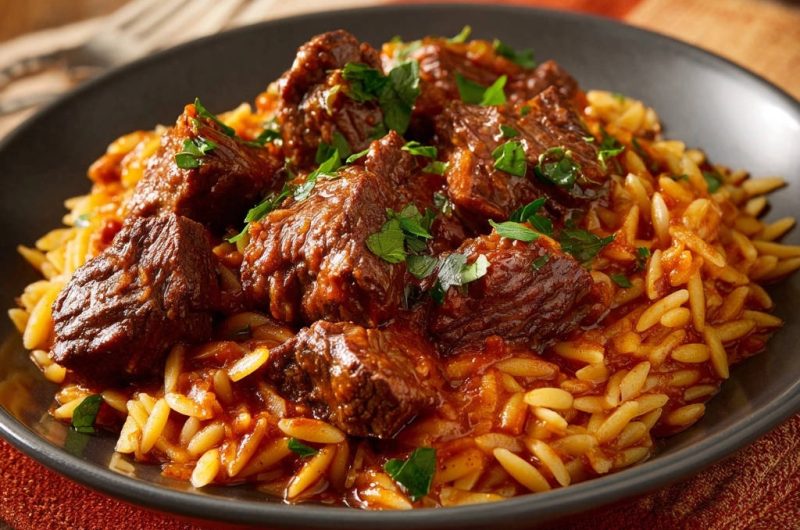
Beef Orzo Stew
Course: Soups-StewsCuisine: InternationalDifficulty: medium4
servings15
minutes2
hours550
kcal180
minutesTransform tough beef into incredibly tender, melt-in-your-mouth stew with this simple, foolproof method. Featuring succulent beef, a rich tomato broth, and al dente orzo, this hearty stew is perfect for a comforting meal.
Ingredients
2 pounds beef stew meat, cut into 1 1/2-inch cubes
2 tablespoons olive oil
1 large yellow onion, chopped
3 cloves garlic, minced
1/2 cup tomato paste
1 (14.5 ounce) can crushed tomatoes
3 cups beef broth
1 teaspoon dried oregano
1 bay leaf
Salt to taste
Black pepper to taste
1 cup orzo pasta
Fresh parsley, chopped, for garnish
Directions
- Prep the Beef: Pat the beef stew meat thoroughly dry with paper towels. This is a crucial step for achieving a proper sear, which locks in flavor and begins the tenderization process. Season generously with salt and black pepper.
- Sear for Flavor: Heat olive oil in a large, heavy-bottomed pot or Dutch oven over medium-high heat until shimmering. Sear the beef in batches, without overcrowding the pot, until deeply browned on all sides. This deep brown crust is essential for maximum flavor and contributes significantly to the beef’s eventual tender texture. Remove the seared beef and set aside.
- Build the Base: Reduce heat to medium. Add chopped onion to the pot and cook, stirring frequently, until softened and translucent, about 5 to 7 minutes. Add minced garlic and cook for another minute until fragrant.
- Deepen the Sauce: Stir in the tomato paste and cook for 2 to 3 minutes, stirring constantly. This step allows the tomato paste to caramelize slightly, removing any raw tomato flavor and building a richer, deeper sauce base.
- Braise for Tenderness: Return the seared beef to the pot. Pour in the crushed tomatoes and beef broth. Add dried oregano and a bay leaf. Bring the mixture to a gentle simmer, then reduce heat to low. Cover the pot tightly and cook for at least 2 to 2 1/2 hours, or until the beef is incredibly tender and easily pulls apart with a fork. The key to fall-apart tender beef is this long, low, and slow covered braising which breaks down the connective tissues effectively. Check occasionally to stir and ensure the liquid level is adequate.
- Cook the Orzo: About 15 minutes before the beef is done, cook the orzo pasta according to package directions in a separate pot of salted boiling water until al dente. Drain well.
- Combine and Serve: Remove the bay leaf from the stew. Taste and adjust seasoning as needed. Stir the cooked orzo into the beef stew.
- Garnish: Ladle the hearty beef and orzo stew into bowls. Garnish generously with fresh chopped parsley before serving.
Notes
- Patting beef dry and searing thoroughly are crucial steps for tender, flavorful results.