Homemade Everything Bagels: The Secret to Perfect Chew
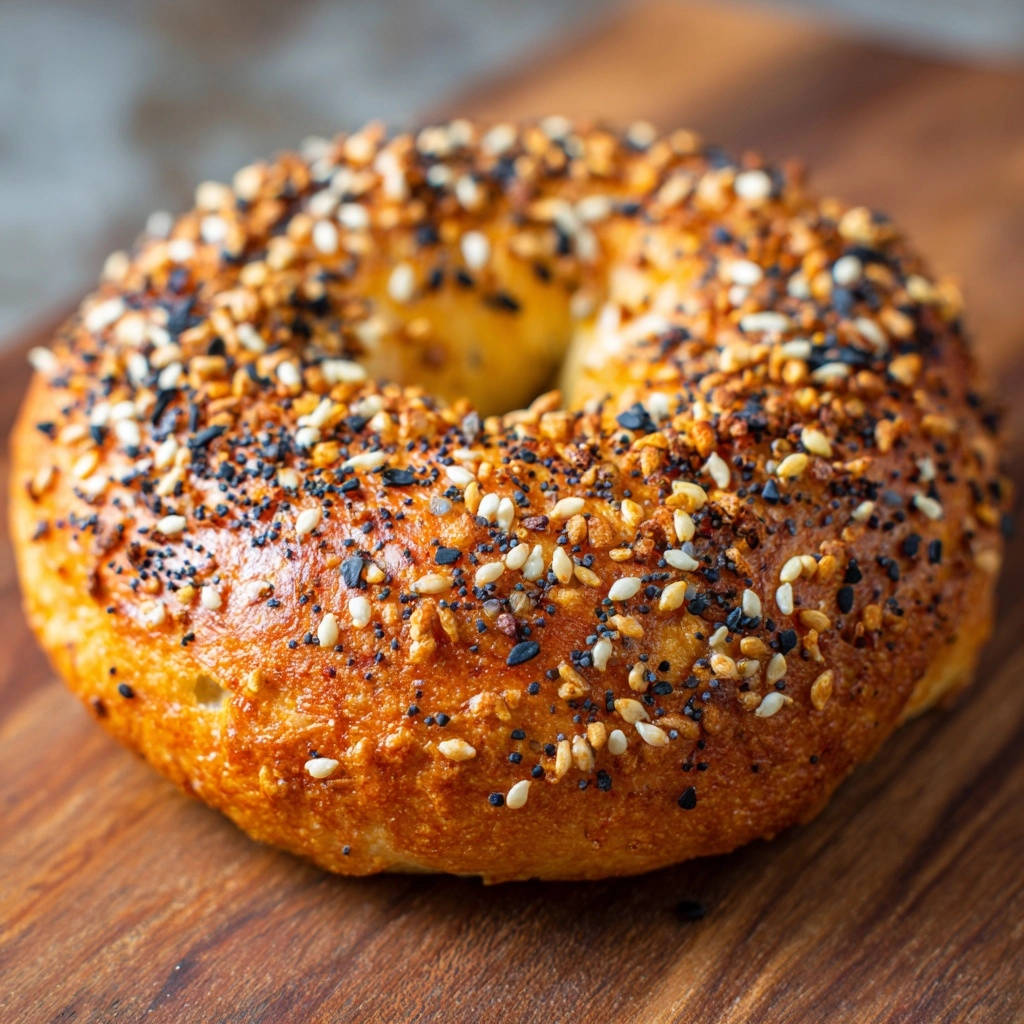
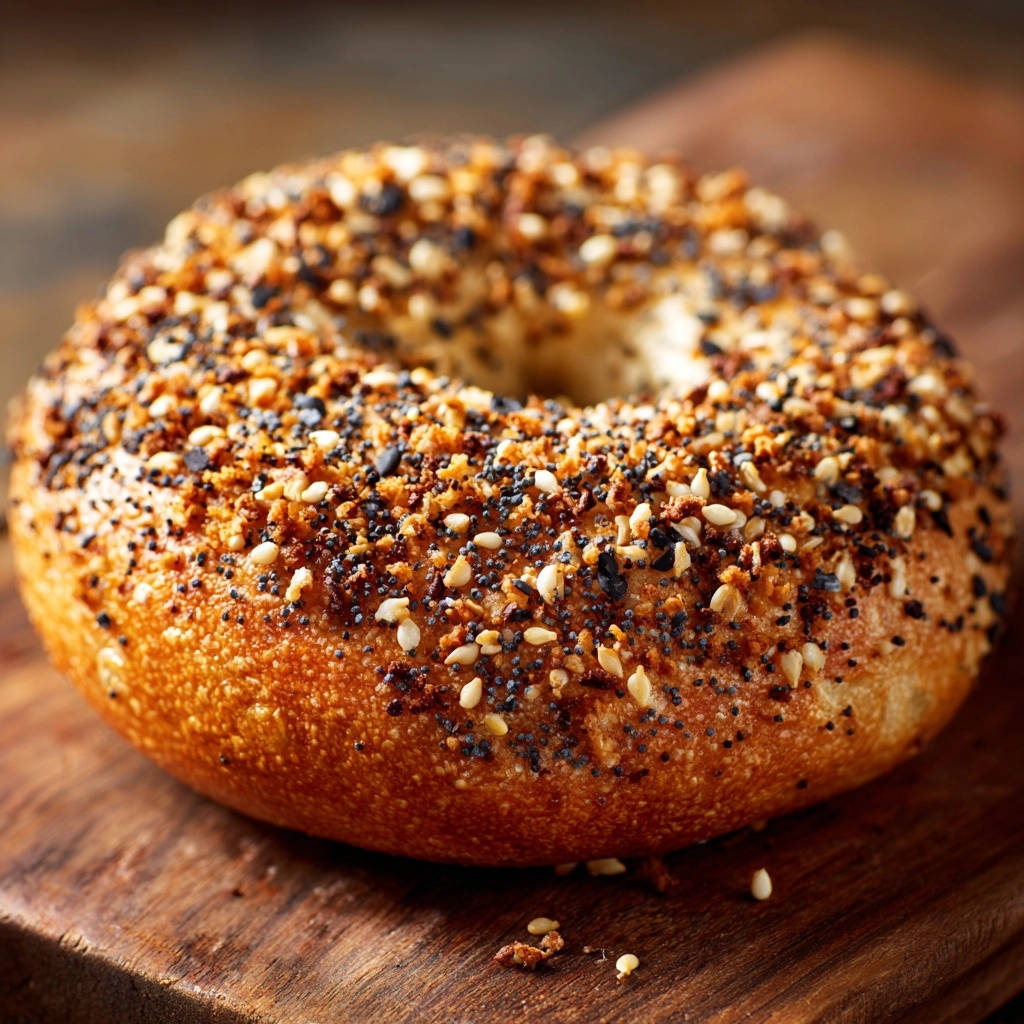
For years, I struggled to achieve that iconic chew and crisp exterior with homemade bagels, often ending up with dense or soft disappointments. After countless experiments, I finally uncovered one crucial step that makes all the difference, transforming dense dough into authentically chewy, perfect Homemade Everything Bagels.
This recipe demystifies the process, guaranteeing that satisfying texture you crave every single time. Get ready to bake the most delicious bagels you’ve ever pulled from your own oven!
Unlocking the Authentic Chew: Why This Homemade Everything Bagels Recipe Works
This recipe stands out because it prioritizes the fundamental techniques essential for classic bagel texture. We’re focusing on proper gluten development through dedicated kneading, which is paramount for the chewy interior.
Most importantly, we emphasize the often-overlooked, yet critical, boiling step. This brief dip in boiling water gelatinizes the surface starch, creating that signature shiny, blistered crust and setting the stage for an incredible chew, preventing a soft, bread-like bagel.
By mastering these two elements, this recipe ensures reliability and delivers that sought-after authentic bagel experience right in your kitchen.
Gearing Up: Essential Tools for Your Bagel-Making Journey
Gathering the right equipment simplifies the bagel-making process and contributes to a smoother, more enjoyable experience.
Large Mixing Bowl: Essential for activating yeast and combining dough ingredients.
Measuring Cups and Spoons: For accurate ingredient proportions, crucial for successful baking.
Lightly Floured Surface: Provides a non-stick area for effective kneading.
Large Pot: Specifically for the critical boiling step that creates the chewy crust.
Slotted Spoon: For safely transferring bagels in and out of boiling water.
Parchment-Lined Baking Sheet: Prevents sticking during proofing and baking, ensuring easy removal.
Wire Cooling Rack: Allows air circulation for even cooling, preventing soggy bottoms.
The Heart of the Bagel: Ingredients for Irresistible Flavor and Texture
Choosing Your Flour: The Foundation of Chewiness
The recipe calls for bread flour, known for its high protein content which develops strong gluten, essential for that classic bagel chew.
All-purpose flour can be used as an alternative, offering a slightly softer texture while still yielding delicious results.
Activating Your Yeast: Bringing the Dough to Life
Active dry yeast, combined with warm water and a touch of sugar, is responsible for the dough’s rise and airy structure.
Ensure your water temperature is just right (105-115°F) to properly activate the yeast without killing it.
The Seasoning & Secret Ingredient for the Perfect Crust
Granulated sugar, added to the boiling water, is a crucial component that helps create the signature shiny, slightly sweet, and chewy crust.
Salt not only enhances flavor but also controls yeast activity and strengthens the gluten network in the dough.
That Signature Flavor: Crafting Your Everything Bagel Topping
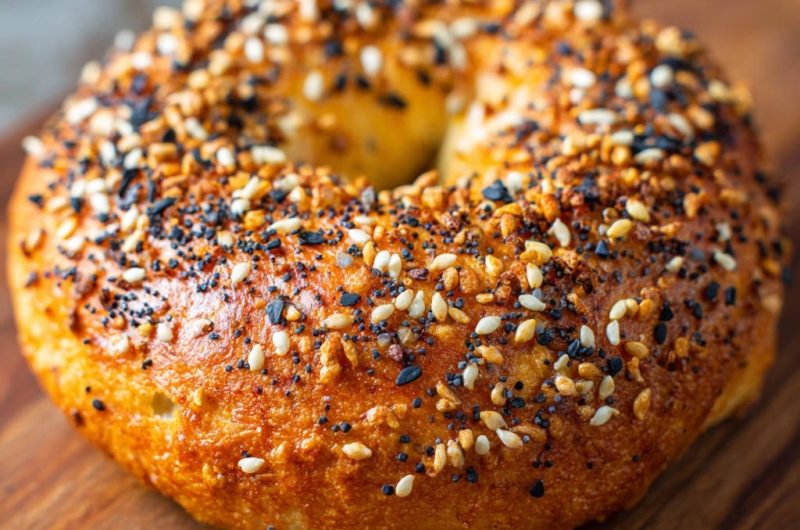
A blend of poppy seeds, sesame seeds, dried garlic flakes, dried onion flakes, and coarse salt provides the iconic “Everything” flavor and irresistible texture.
Generously coating the warm, sticky bagels immediately after boiling ensures the seasoning adheres perfectly.
Your Path to Bagel Bliss: A Detailed Step-by-Step Guide
Follow these steps closely to achieve that coveted chewy texture and perfect flavor in your Homemade Everything Bagels.
Activate Yeast: In a large bowl, combine the warm water (105-115°F) and 1 teaspoon of granulated sugar. Sprinkle the active dry yeast over the top and let it sit for 5-10 minutes until it becomes foamy.
This foaming action is your visual cue that the yeast is active and ready to work its magic, a vital first step for a successful rise.
Mix Dough: Add the bread flour (or all-purpose flour) and salt to the yeast mixture. Mix with a sturdy spoon or your hands until a shaggy dough forms and all the flour is incorporated.
Mixing by hand allows you to feel the dough’s consistency, ensuring all dry ingredients are hydrated.
Knead: Turn the dough out onto a lightly floured surface. Knead the dough for 8-10 minutes until it is smooth, elastic, and springs back when gently poked.
This important, dedicated kneading step is absolutely critical for building the strong gluten structure required for that classic, satisfying bagel chewiness.
First Rise: Place the kneaded dough in a lightly oiled bowl, turning it once to coat all sides. Cover the bowl loosely with plastic wrap and let it rise in a warm place for 1 to 1.5 hours, or until it has doubled in size.
A warm environment encourages efficient yeast activity, leading to a good initial rise.
Shape Bagels: Gently punch down the risen dough and divide it into 6 to 8 equal pieces. Roll each piece into a smooth ball. Then, use your thumb to poke a hole directly in the center of each ball.
Gently stretch and widen the hole to about 1 inch in diameter to form the traditional bagel shape. Place the shaped bagels on a parchment-lined baking sheet.
Evenly sized pieces ensure consistent baking, and properly stretched holes prevent them from closing up during baking.
Second Rise (Proofing): Cover the bagels loosely with plastic wrap and let them rest for 20-30 minutes. While they proof, preheat your oven to 425 degrees F (220 degrees C).
This final proofing allows the bagels to slightly relax and puff up before hitting the hot water and oven.
THE CHEWY TEXTURE SECRET (Boiling): Fill a large pot with about 2-3 inches of water and bring it to a rolling boil. Add the 2 tablespoons of granulated sugar to the boiling water.
This crucial boiling step is the KEY for developing the gelatinized crust and that signature, irresistible chewy texture that sets a true bagel apart.
Boil Bagels: Carefully drop 2-3 bagels into the boiling water at a time, making sure not to overcrowd the pot. Boil for 60 seconds on one side, then gently flip each bagel with a slotted spoon and boil for another 60 seconds on the other side.
Boiling in small batches maintains water temperature and ensures even cooking, preventing the bagels from getting soggy.
Season: Remove the bagels from the boiling water with the slotted spoon, allowing any excess water to drain off. Immediately place them back on the parchment-lined baking sheet.
Generously sprinkle the top of each warm, sticky bagel with Everything Bagel Seasoning, gently pressing to ensure it adheres well.
The wet, sticky surface right after boiling is ideal for the seasoning to cling perfectly.
Bake: Bake in the preheated oven for 18-22 minutes, or until the bagels are beautifully golden brown and firm to the touch.
Keep an eye on them towards the end; oven temperatures can vary, and a deep golden color indicates they’re perfectly baked.
Cool: Transfer the baked bagels to a wire rack to cool completely before slicing and enjoying.
Cooling completely is essential for the texture to set and for easy slicing.
If you’re after that same chewy bite with a crispier crust, check out this version for chewy, crisp bagels.
Beyond the Recipe: Expert Tips for Bagel Perfection
These additional insights will help you perfect your Homemade Everything Bagels.
Don’t Skimp on Kneading: The 8-10 minutes of kneading are non-negotiable for gluten development, which directly translates to that coveted chewy texture.
Mind Your Water Temperature: Too hot and you kill the yeast; too cold and it won’t activate. Use a thermometer for precision in step 1.
Gentle Handling: After the first rise, deflate the dough gently. Overworking at this stage can toughen the bagels.
The Float Test: Before boiling, you can perform a float test! Drop a shaped bagel into a bowl of water; if it floats, it’s proofed and ready for the boil.
Customize Your Seasoning: While “Everything” is classic, feel free to experiment with sesame seeds, poppy seeds, or a blend of your choice.
Cool Completely for Best Texture: Slicing into a warm bagel releases steam, which can make the inside gummy. Patience yields a superior crumb.
Solving Common Bagel Blunders: Troubleshooting Your Way to Success
Why Are My Bagels Too Dense or Hard?
This often stems from insufficient kneading, which means gluten hasn’t fully developed. Ensure you knead for the full 8-10 minutes until the dough is smooth and elastic.
Another culprit could be inactive yeast, so always verify it foams correctly in the first step.
My Everything Seasoning Won’t Stick!
The key to perfect adhesion is applying the seasoning immediately after the bagels come out of the boiling water, while they are still warm and sticky.
Gently pressing the seasoning into the surface also helps it adhere better during baking.
Bagels Aren’t Golden or Chewy Enough
Ensure your oven is preheated to the correct temperature, and consider extending baking time by a few minutes if they’re too pale.
The boiling step is paramount for chewiness and crust development; don’t shorten this crucial 60 seconds per side.
Enjoying and Preserving Your Homemade Bagels
Creative Ways to Enjoy Your Fresh Bagels
Classic pairings like cream cheese, butter, or even a schmear with smoked salmon are always winners. Try a savory bagel sandwich with egg, cheese, and crispy bacon, or even explore ideas for easy cheesy breakfast bites to serve alongside.
For a perfect pairing, try our Mastering Golden Sesame Dinner Rolls with the Fail-Safe Rise Technique.
For a lighter option, toast and top with avocado, a sprinkle of red pepper flakes, and a squeeze of lemon.
Keeping Your Bagels Fresh: Storage Solutions
Store freshly baked bagels at room temperature in an airtight container or a sealed plastic bag for up to 2-3 days.
For longer storage, refrigerate them for up to a week, though they may benefit from a quick toast to revive their texture.
Can I Make Bagels Ahead or Freeze Them?
Yes! Once the bagels are completely cooled, you can freeze them in an airtight freezer bag for up to 2-3 months.
To enjoy, simply thaw at room temperature or toast directly from frozen for a quick breakfast or snack.
Your Most Asked Questions About Homemade Everything Bagels, Answered
Is All-Purpose Flour a Good Substitute for Bread Flour?
Yes, all-purpose flour can be used, as noted in the recipe. While bread flour provides a slightly chewier result due to higher protein content, all-purpose flour will still yield delicious homemade bagels with a slightly softer crumb.
Why is Boiling the Bagels So Crucial for Texture?
Boiling the bagels before baking gelatinizes the starch on the exterior, creating that distinctive chewy crust and helping them maintain their shape in the oven. It’s the secret to their unique texture!
Can I Prepare the Bagel Dough in Advance?
Absolutely! After the first rise, you can punch down the dough, shape the bagels, and then place them on a parchment-lined baking sheet in the refrigerator overnight (up to 24 hours). This slow, cold proofing can even enhance their flavor.
Don’t Have Everything Bagel Seasoning? Make Your Own!
You can easily create your own blend! The recipe’s ingredients list (poppy seeds, sesame seeds, dried garlic flakes, dried onion flakes, coarse salt) provides the perfect blueprint. Adjust ratios to your personal taste.
What’s the Best Way to Store My Homemade Bagels?
For optimal freshness, store your bagels in an airtight container at room temperature for 2-3 days, or freeze them for longer storage (up to 3 months). Always cool them completely before storing to prevent sogginess.
Ready to Create Your Own Bagel Masterpiece?
Armed with this guide and the crucial boiling secret, you’re now ready to transform your kitchen into a genuine bagel bakery. The aroma, the texture, the taste of freshly baked Homemade Everything Bagels are truly unparalleled.
Don’t wait another moment to experience the joy and satisfaction of pulling warm, chewy bagels straight from your oven. Get baking, experiment with your favorite toppings, and share your delicious creations with friends and family!
What Goes Well with Everything Bagels
These bagels have a chewy, savory punch from the seed blend, so you might want something sweet or rich to round out the meal.
- For a soft, spiced contrast, try these classic banana bread recipe for another satisfying bake.
Everything Bagels
Course: BreadCuisine: AmericanDifficulty: mediumServings6
bagelsPrep time40
minutesCooking time25
minutesCalories240
kcalTotal time65
minutesAchieve bakery-quality chewy Homemade Everything Bagels right in your kitchen. This recipe reveals the crucial boiling step for that perfect texture and golden crust, transforming dense dough into delightful bagels every time. Get ready for your best homemade bagels yet!
Ingredients
3 cups bread flour (or all-purpose flour)
1 cup warm water (105-115 degrees F)
1 teaspoon active dry yeast
1 teaspoon granulated sugar (for yeast)
1 teaspoon salt
2 tablespoons granulated sugar (for boiling water)
1/2 cup Everything Bagel Seasoning (blend of poppy seeds, sesame seeds, dried garlic flakes, dried onion flakes, coarse salt)
Directions
- Activate Yeast: In a large bowl, combine the warm water and 1 teaspoon of granulated sugar. Sprinkle the active dry yeast over the top and let it sit for 5-10 minutes until it becomes foamy. This shows the yeast is active.
- Mix Dough: Add the bread flour and salt to the yeast mixture. Mix with a sturdy spoon or your hands until a shaggy dough forms and all the flour is incorporated.
- Knead: Turn the dough out onto a lightly floured surface. Knead the dough for 8-10 minutes until it is smooth, elastic, and springs back when gently poked. This important step builds the gluten structure for that classic chewiness!
- First Rise: Place the kneaded dough in a lightly oiled bowl, turning it once to coat all sides. Cover the bowl loosely with plastic wrap and let it rise in a warm place for 1 to 1.5 hours, or until it has doubled in size.
- Shape Bagels: Gently punch down the risen dough and divide it into 6 to 8 equal pieces. Roll each piece into a smooth ball. Then, use your thumb to poke a hole directly in the center of each ball. Gently stretch and widen the hole to about 1 inch in diameter to form the bagel shape. Place the shaped bagels on a parchment-lined baking sheet.
- Second Rise (Proofing): Cover the bagels loosely with plastic wrap and let them rest for 20-30 minutes. While they proof, preheat your oven to 425 degrees F (220 degrees C).
- THE CHEWY TEXTURE SECRET (Boiling): Fill a large pot with about 2-3 inches of water and bring it to a rolling boil. Add the 2 tablespoons of granulated sugar to the boiling water. This crucial boiling step is KEY for developing the gelatinized crust and that signature chewy texture!
- Boil Bagels: Carefully drop 2-3 bagels into the boiling water at a time, making sure not to overcrowd the pot. Boil for 60 seconds on one side, then gently flip each bagel with a slotted spoon and boil for another 60 seconds on the other side.
- Season: Remove the bagels from the boiling water with the slotted spoon, allowing any excess water to drain off. Immediately place them back on the parchment-lined baking sheet. Generously sprinkle the top of each warm, sticky bagel with Everything Bagel Seasoning, gently pressing to ensure it adheres well.
- Bake: Bake in the preheated oven for 18-22 minutes, or until the bagels are beautifully golden brown and firm to the touch.
- Cool: Transfer the baked bagels to a wire rack to cool completely before slicing and enjoying.