Homemade Everything Bagels: Chewy, Crisp, & Never Gummy
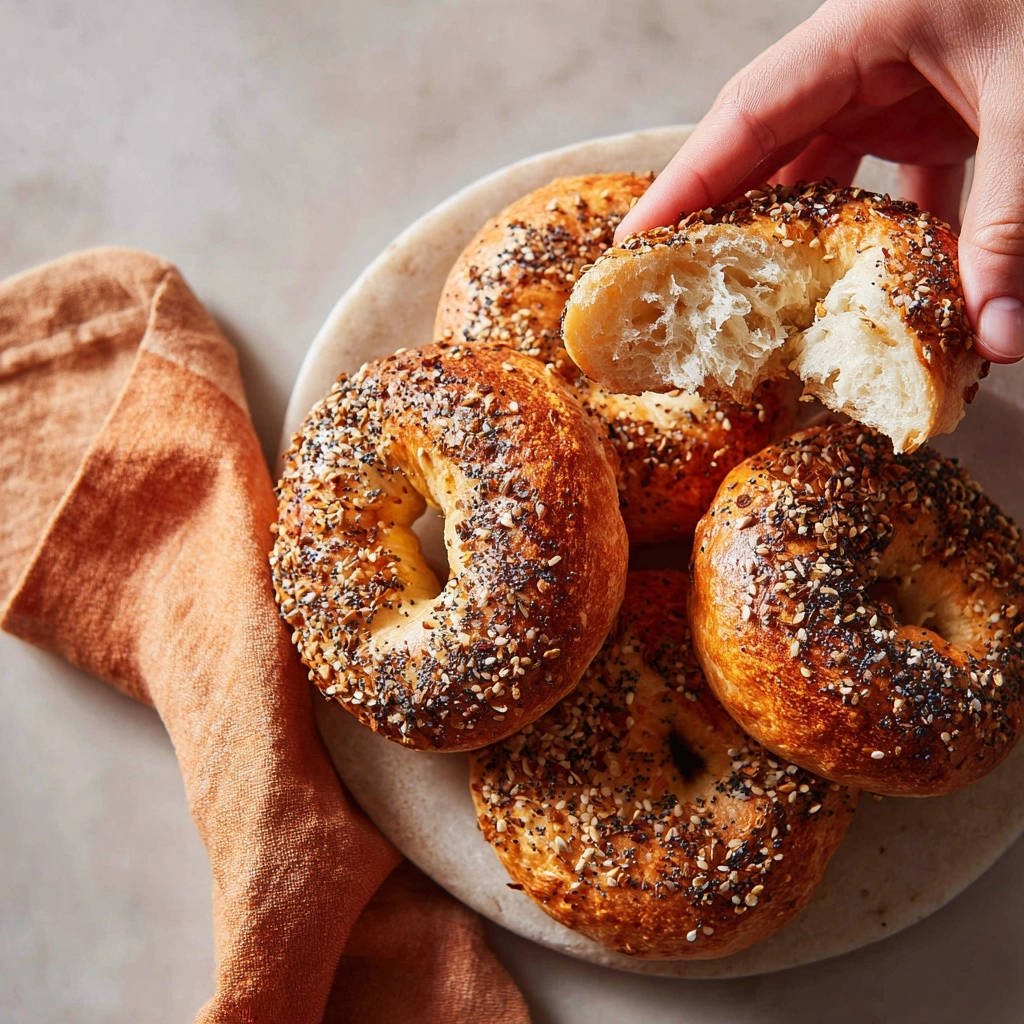
Homemade bagels often feel like a baking challenge, leaving many with dense or overly soft results. My journey to truly bakery-quality Homemade Everything Bagels led to unlocking the secrets of a perfectly chewy interior and that irresistible, crisp crust. This recipe demystifies the process, promising you a rewarding bite that’s never gummy, right from your own kitchen.
Why These Homemade Everything Bagels Will Be Your New Favorite
Unlocking That Irresistible Chewy Texture
Discover the techniques that transform simple dough into a delightfully chewy bite, just like your favorite deli bagels.
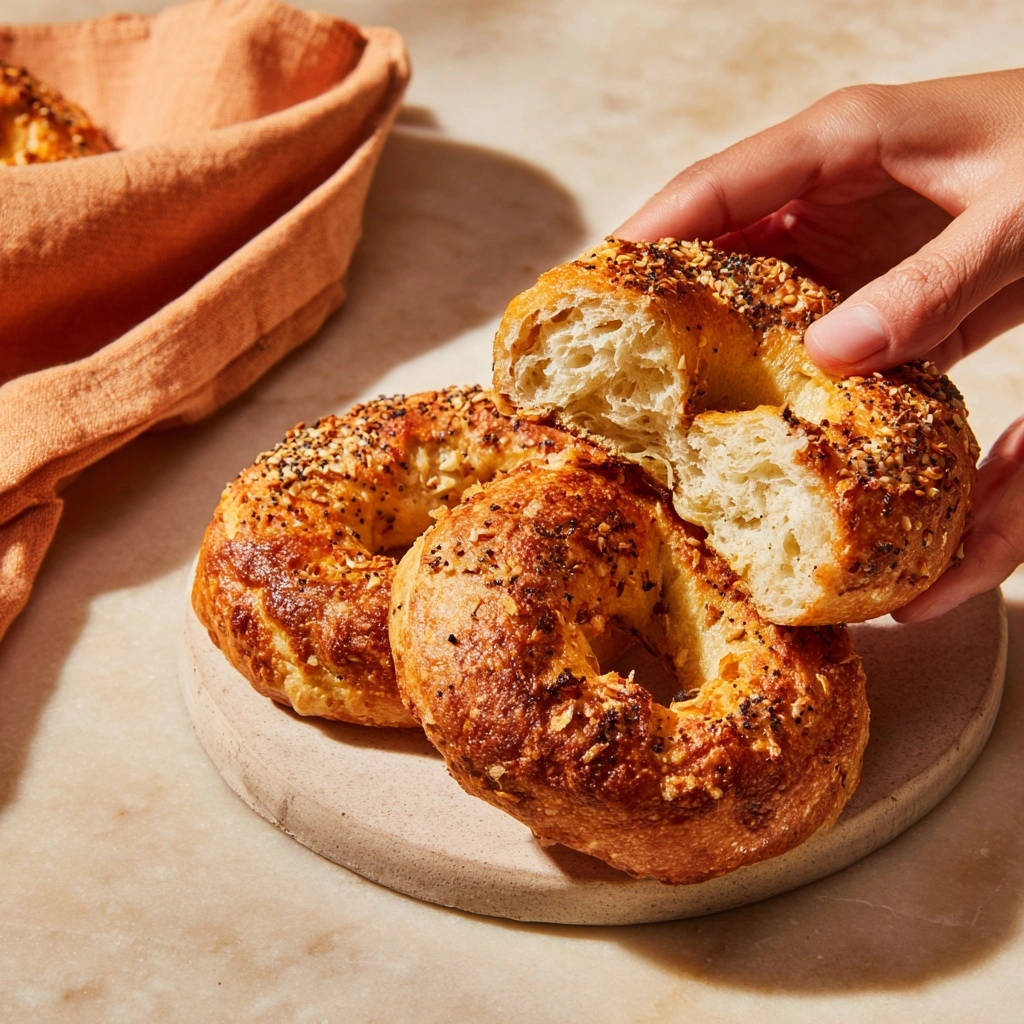
The Secret to a Perfectly Crisp Exterior
Learn how to achieve that coveted golden-brown crust that shatters perfectly with every slice, without being too hard.
For that signature crisp crust, try the same boiling technique in this New York style everything bagel recipe.
Say Goodbye to Dense or Gummy Bagels!
This recipe ensures your bagels are light yet substantial, with an interior that’s perfectly cooked and never sticky or heavy.
Your Essential Kitchen Arsenal for Bagel Success
Before you dive into the delightful world of bagel making, ensure you have these fundamental tools ready.
Mixing Bowls and Measuring Tools
Large mixing bowls are essential for dough preparation, alongside accurate measuring cups and spoons for precision.
A Sturdy Kneading Surface
A clean, lightly floured countertop or a large pastry mat will provide the ideal space for developing your bagel dough.
Large Pot and Slotted Spoon
Crucial for the iconic boiling step, a big pot and a heat-resistant slotted spoon are non-negotiable.
Baking Sheets and Wire Rack
You’ll need baking sheets, preferably one preheated, and a wire rack for cooling your freshly baked bagels to perfection.
The Building Blocks: Ingredients for Authentic Flavor
Yeast, Sugar & Warm Water: Activating the Rise
Active dry yeast is the leavening agent that gives life to your dough. Paired with a touch of sugar and warm water, it creates the perfect environment for fermentation and a beautiful rise.
Bread Flour: The Key to Structure and Chew
Bread flour, with its higher protein content, is indispensable for developing the strong gluten network needed for that signature chewy bagel texture. Avoid substituting with all-purpose flour if you want the best results.
Salt: Enhancing Flavor and Controlling Fermentation
Beyond seasoning, salt plays a vital role in slowing down yeast activity, allowing for a more complex flavor development in your bagels. It also strengthens the gluten structure.
Baking Soda: The Boil’s Magic Ingredient
This simple pantry staple transforms plain boiling water into an alkaline bath, which is the secret behind the bagel’s distinct glossy crust and chewy exterior.
Everything Bagel Seasoning & Egg Wash: The Finishing Touch
A simple egg white wash creates a beautiful sheen and acts as the perfect adhesive for your generous coating of everything bagel seasoning, delivering classic flavor.
Crafting Perfection: A Step-by-Step Guide
Mixing & Kneading Your Way to Elastic Dough
- Activate the Yeast:
In a large bowl, combine the warm water, yeast, and sugar. Let this mixture stand for 5 minutes until it becomes foamy, indicating the yeast is active and ready to work.
- Initial Dough Formation:
Add the salt and 3 and a half cups of bread flour to the yeast mixture. Stir with a sturdy wooden spoon until a shaggy, cohesive dough forms. It will look rough at this stage, but don’t worry.
- Knead Thoroughly for Gluten Development:
Turn the shaggy dough out onto a lightly floured surface. Knead diligently for 8-10 minutes, adding tiny amounts of flour only if the dough is overly sticky. The goal is a smooth, elastic dough that springs back when gently poked, crucial for that signature chew.
- First Rise: Doubling in Size:
Lightly oil a clean bowl and place the dough inside, turning to coat. Cover the bowl tightly with plastic wrap and let it rise in a warm spot for 1 to 1 and a half hours, or until it has visibly doubled in size.
Shaping Your Bagels: Preventing the Hole from Closing
- Divide and Roll Dough:
Gently punch down the risen dough to release air. Divide it into 8 equal pieces, then roll each piece into a smooth, tight ball. Consistency in size ensures even baking.
- Poke, Stretch, and Even Out Holes:
To shape each bagel, poke a hole through the center of a dough ball with your thumb. Gently stretch the hole to about 1 to 1 and a half inches in diameter, ensuring the ring is uniform. This crucial step helps prevent the hole from closing during baking.
- Second Rest & Oven Preheat:
Place the shaped bagels on a lightly floured baking sheet, cover loosely with plastic wrap, and let them rest for 15-20 minutes. During this time, preheat your oven to 425°F (220°C) with a clean baking sheet inside-this preheated sheet is vital for a crispy bottom.
The Iconic Baking Soda Boil: Why It Matters
- Prepare Boiling Water with Baking Soda:
In a large pot, bring about 8 cups of water to a rolling boil. Carefully add 1 tablespoon of baking soda to the boiling water. This creates an alkaline environment that gelatinizes the exterior starch, forming that desired chewy crust.
- Boil Bagels (30 Seconds Per Side):
Carefully drop 2-3 bagels into the boiling water, ensuring not to overcrowd the pot. Boil each bagel for exactly 30 seconds per side. A quick boil is essential to prevent a gummy interior while setting the exterior.
- Remove and Drain Boiled Bagels:
Using a slotted spoon, gently remove the boiled bagels from the water, allowing excess water to drain. Place them back on the same lightly floured baking sheet. Repeat the boiling process with the remaining bagels.
Achieving Golden-Brown Bagel Bliss
- Apply Egg Wash & Season Generously:
In a small bowl, whisk together the egg white and 1 tablespoon of water to create an egg wash. Brush the top of each boiled bagel generously with this wash, then immediately sprinkle with everything bagel seasoning, pressing lightly to ensure it adheres.
- Transfer to Preheated Baking Sheet:
Carefully remove the preheated baking sheet from the oven (it will be hot!). Transfer the seasoned bagels onto this hot sheet. The initial blast of heat from the preheated pan promotes a deliciously crispy bottom crust.
- Bake Until Deeply Golden Brown:
Bake for 18-22 minutes, or until the bagels are deeply golden brown and cooked through. The exact time may vary slightly by oven. Once baked, let them cool on a wire rack before slicing and enjoying.
Pro Tips for Your Best Bagels Yet
The Art of Kneading: Don’t Underestimate It!
The 8-10 minutes of thorough kneading isn’t just a suggestion; it’s critical for developing the strong gluten structure that gives bagels their signature chew. Don’t stop until your dough is smooth and elastic.
Precision in the Boil: Timing is Everything
Sticking to exactly 30 seconds per side in the baking soda water is key. Over-boiling can lead to a dense, gummy interior, while under-boiling won’t achieve that perfect chewy crust.
Ensuring a Crispy Bottom: The Preheated Pan Trick
The instruction to preheat your baking sheet in the oven is a small but mighty detail. This initial burst of heat when the bagels hit the hot surface creates a beautifully crisp bottom crust.
Experimenting with Toppings Beyond Everything Bagel
While everything bagel seasoning is classic, don’t hesitate to customize! Try sesame seeds, poppy seeds, flaky sea salt, or even a mix of dried garlic and onion for different flavor profiles.
Understanding Your Dough’s Rise
Dough rising times are estimates. Rely more on visual cues: the dough should genuinely double in size for the first rise and appear slightly puffy for the second rest before boiling.
Troubleshooting: Common Bagel Hurdles & How to Fix Them
Why Your Bagels Might Be Too Dense
Dense bagels often result from under-kneading, which prevents proper gluten development, or insufficient rising time. Ensure you knead thoroughly until the dough is elastic and allow it to fully double during the first proof.
Preventing a Gummy Interior
A gummy texture is usually a sign of over-boiling. Stick strictly to the 30-second-per-side rule. It’s also important to ensure your oven is at the correct temperature for baking through completely.
When the Holes Disappear During Baking
If your bagel holes vanish, it’s likely they weren’t stretched wide enough during shaping. Aim for a 1 to 1 and a half inch diameter and ensure the ring is evenly thick to maintain its shape.
Achieving That Perfect Golden Crust
A pale crust can be due to not using an egg wash, insufficient baking time, or an oven that isn’t hot enough. Make sure to brush generously with egg wash and bake until deeply golden brown.
Your Bagel Questions, Answered
Can I Use All-Purpose Flour?
While all-purpose flour can be used, bread flour is highly recommended for its higher protein content. This higher protein develops more gluten, which is crucial for the classic chewy texture of authentic bagels.
Making Ahead: Dough Prep & Freezing
You can prepare the dough through the first rise, then punch it down, shape the bagels, and refrigerate them overnight (covered) for a slow cold proof. For freezing, fully bake and cool the bagels, then wrap tightly before freezing for up to 1-2 months. Thaw and toast to refresh.
Best Practices for Storing Homemade Bagels
Store cooled bagels in an airtight bag or container at room temperature for 2-3 days. For longer storage, slice them, then freeze, toasting directly from frozen when ready to enjoy.
Serving Suggestions: Beyond Cream Cheese
While cream cheese is a classic, try your Homemade Everything Bagels with smoked salmon, avocado, a fried egg, or even as the base for a delicious breakfast sandwich. The possibilities are endless!
Savoring Your Homemade Masterpiece
There’s an undeniable satisfaction that comes from pulling a tray of warm, golden-brown bagels from your own oven. This recipe for Homemade Everything Bagels isn’t just about baking; it’s about transforming simple ingredients into a truly rewarding culinary experience.
Now that you’ve unlocked the secrets to chewy interiors, crisp crusts, and irresistible flavor, it’s time to share your success! Slice one open, slather it with your favorite topping, and bask in the glory of your bakery-quality creation. Don’t forget to tell us how your bagel journey went in the comments below!
Everything Bagels
Course: BreadCuisine: AmericanDifficulty: medium8
bagels2
hours25
minutes120
kcal145
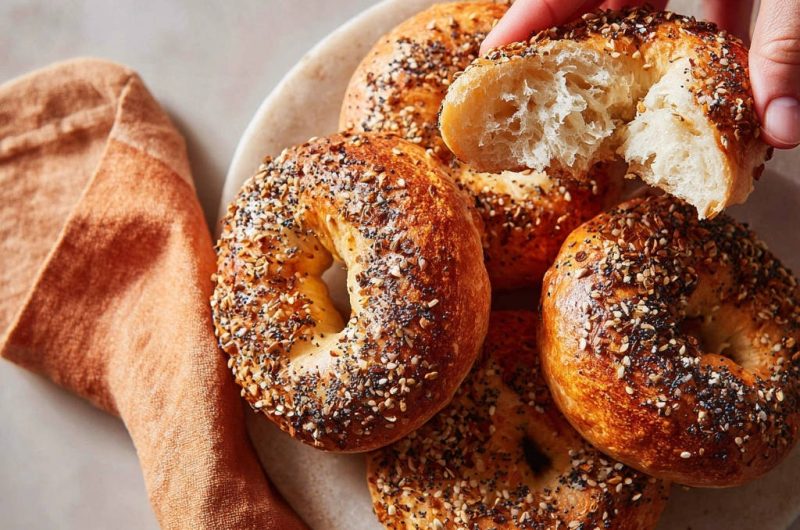
minutesUnlock the secret to bakery-quality bagels right in your own kitchen! This recipe guides you through achieving that classic chewy texture with a perfectly crisp crust, transforming your baking efforts into delicious results. Get ready for homemade everything bagels that taste incredible.
Ingredients
1 and 1/2 cups warm water (105-115 degrees F)
2 teaspoons active dry yeast
1 tablespoon sugar
1 teaspoon salt
3 and 1/2 to 4 cups bread flour, plus more for dusting
1 tablespoon baking soda (for boiling)
1 egg white, beaten with 1 tablespoon water (for egg wash)
1/2 cup everything bagel seasoning
Directions
- In a large bowl, combine the warm water, yeast, and sugar. Let stand for 5 minutes until foamy.
- Add the salt and 3 and 1/2 cups of bread flour to the yeast mixture. Stir with a wooden spoon until a shaggy dough forms.
- Turn the dough out onto a lightly floured surface and knead for 8-10 minutes, adding small amounts of flour if necessary, until the dough is smooth, elastic, and bounces back when lightly poked. This thorough kneading is key for developing the gluten that gives bagels their signature chew.
- Place the dough in a lightly oiled bowl, turning to coat. Cover with plastic wrap and let rise in a warm place for 1 to 1 and 1/2 hours, or until doubled in size.
- Punch down the dough and divide it into 8 equal pieces. Roll each piece into a smooth ball.
- To shape each bagel, poke a hole through the center of each dough ball with your thumb. Gently stretch the hole to about 1 to 1 and 1/2 inches in diameter, ensuring the ring is even. This shaping prevents the hole from closing during baking.
- Place the shaped bagels on a lightly floured baking sheet, cover loosely with plastic wrap, and let rest for 15-20 minutes while you prepare for boiling. Preheat your oven to 425 degrees F (220 degrees C) with a baking sheet inside.
- Here’s the secret to that perfect chewy, non-gummy texture! In a large pot, bring about 8 cups of water to a rolling boil. Add the baking soda to the boiling water. This slightly alkaline water is what sets the exterior of the bagel, creating that unique chew and golden crust.
- Carefully drop 2-3 bagels into the boiling water, making sure not to overcrowd the pot. Boil each bagel for exactly 30 seconds per side. Resist the urge to boil longer; a quick boil is essential to prevent a gummy interior while developing a chewy crust.
- Using a slotted spoon, remove the boiled bagels and place them back on the same lightly floured baking sheet. Repeat with the remaining bagels.
- Brush the top of each boiled bagel generously with the egg wash. Immediately sprinkle with everything bagel seasoning, pressing lightly to ensure it sticks.
- Carefully remove the preheated baking sheet from the oven and transfer the seasoned bagels onto it. This preheated sheet helps ensure a crispy bottom.
- Bake for 18-22 minutes, or until the bagels are deeply golden brown and cooked through. Let cool on a wire rack before slicing and enjoying.