Mastering Authentic Cacio e Pepe Without Clumping
Imagine a plate of pasta so creamy and luxurious that you’d swear it was loaded with heavy cream and butter. However, the true beauty of Authentic Cacio e Pepe lies in its minimalism. This Roman “Big Three” pasta relies on just three humble ingredients: pasta, Pecorino Romano cheese, and black pepper. It is a culinary paradox that has frustrated home cooks for decades because the line between a silky emulsion and a rubbery, clumped mess is razor-thin.
You’ve likely been there before, staring at a skillet where the cheese has seized into a single, stubborn ball of protein while the noodles sit dry and lonely. It’s a heartbreaking kitchen moment. But the secret isn’t in a special gadget or a hidden ingredient; it’s all about mastering the physics of temperature and starch. By controlling how the cheese meets the heat, you can achieve that elusive, restaurant-quality coating every single time.
The real trick to success starts long before the cheese hits the pan. I’ve found that the most common mistake is using boiling water to melt the cheese, which instantly shocks the proteins and causes them to tighten. Instead, we’re going to use a “tempering” technique. By creating a concentrated starch paste first, you build a protective barrier that keeps the sauce smooth and glossy, even if your pan is a few degrees too warm.
The Roman Origins of Authentic Cacio e Pepe
This dish is a testament to the ingenuity of ancient Roman shepherds. During the seasonal movement of livestock through the Lazio region, shepherds needed ingredients that were portable, calorie-dense, and resistant to spoilage. Dried pasta, aged Pecorino Romano made from sheep’s milk, and dried peppercorns fit the bill perfectly. These staples could survive long journeys in a satchel without refrigeration.
While it began as a functional meal for survival, it eventually migrated from the hillsides into the heart of Rome’s bustling trattorias. It became a symbol of the city’s “cucina povera” or humble cooking. Today, it stands as a global culinary icon, proving that you don’t need expensive truffles or complex techniques to create a world-class meal. It’s all about respecting the ingredients and the process.
Essential Components for a Silky Emulsion
When a recipe has so few ingredients, the quality of each one becomes the star of the show. You must grate your cheese by hand using a microplane or the finest holes on a box grater. Pre-shredded cheese is coated in cellulose and anti-caking agents that prevent it from sticking together in the bag. Unfortunately, those same agents will prevent it from melting into a smooth sauce, leaving you with a gritty, sandy texture.
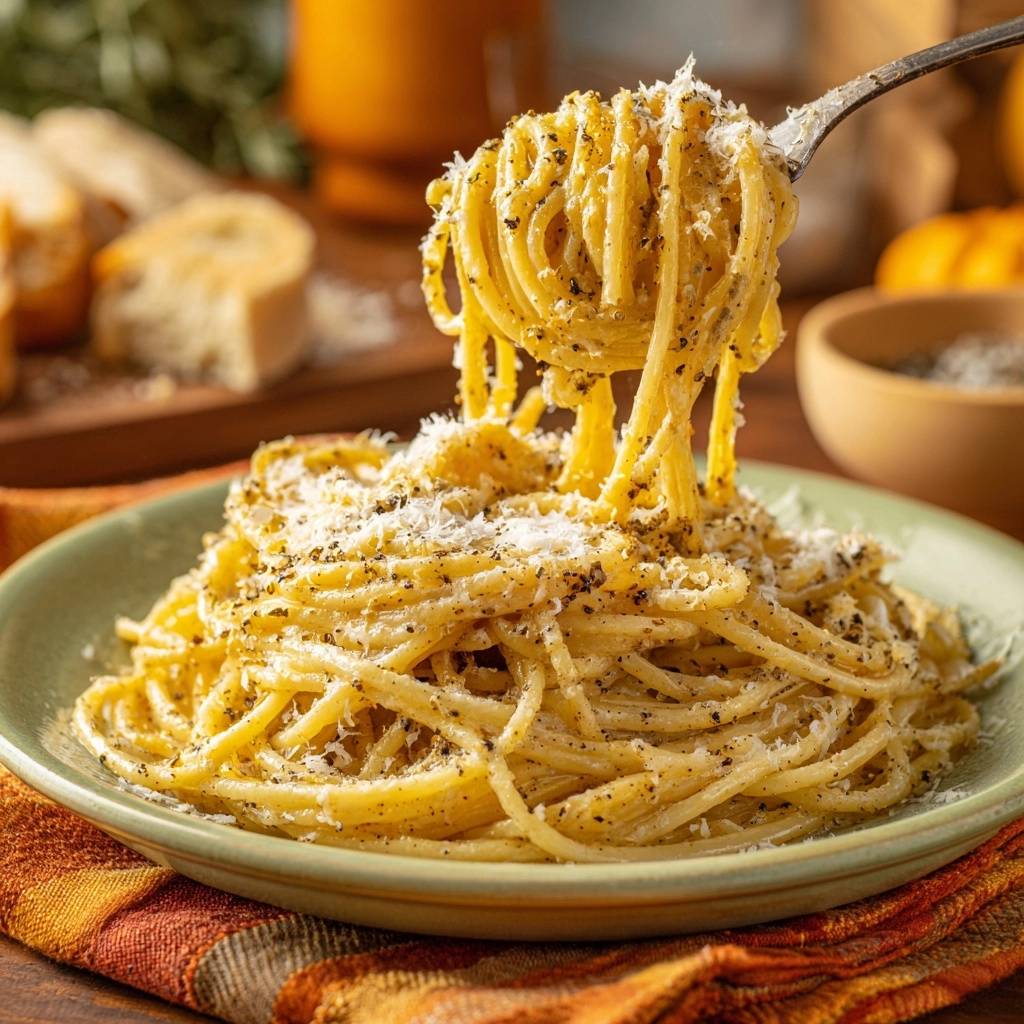
Pecorino Romano is a sharp, salty cheese, so you have to be very careful with your seasoning. Unlike other pasta dishes where you want the water to taste like the sea, you should use about half the salt you normally would. The cheese provides almost all the salinity the dish needs. If you over-salt the water, the final result will be nearly inedible once the sauce reduces and the flavors concentrate.
If you enjoy the sharp bite of black pepper in this sauce, you’ll love the silky texture of this creamy pepper ravioli.
Selecting the Right Pasta Shape and Brand
Look for pasta that is “bronze-cut.” You can tell by the texture; it will look dusty and feel rough to the touch rather than smooth and shiny. This rough surface is vital because it releases more starch into the water and provides “teeth” for the sauce to cling to. Spaghetti is the classic choice, though many Romans prefer tonnarelli, a thicker, egg-based noodle that offers a more substantial chew.
The Role of High-Quality Black Peppercorns
Please put away the pre-ground pepper shaker for this one. You need whole black peppercorns that you crush yourself with a mortar and pestle or the bottom of a heavy skillet. Freshly cracked pepper contains volatile oils that provide floral, citrusy notes and a slow-building heat. When you toast these crushed berries in a dry pan, those oils wake up, filling your kitchen with an incredible aroma that pre-ground pepper simply can’t match.
The Science of Starch and Temperature Control
To master this dish, you have to understand why it fails. Pecorino Romano is packed with proteins that want to bond together. When the cheese hits a temperature above 150°F (65°C) without enough moisture, those proteins tighten up and separate from the fat, creating those dreaded rubbery clumps. It’s a chemical reaction that is very hard to reverse once it starts.
This is where starch molecules come to the rescue. Starch acts as a physical “buffer” or a shield. It gets in between the protein strands of the cheese, preventing them from grabbing onto each other. By using a smaller amount of water to boil your pasta, you create a “liquid gold” that is thick with starch. This concentrated slurry is the secret glue that binds the fat from the cheese and the water into a stable, creamy emulsion.
Step-by-Step: Preparing the Peppery Base
Start by tossing your coarsely crushed peppercorns into a large skillet over medium heat. You’ll want to shake the pan constantly for about a minute or two. Watch closely; as soon as you smell that spicy, toasted aroma and see the first wisps of smoke, the pepper has “bloomed.” This process transforms the flavor from a sharp bite to a complex, toasted warmth.
Immediately add a small ladle of your starchy pasta water or a pat of butter to the skillet. This stops the toasting process instantly so the pepper doesn’t burn. The water will bubble and hiss, picking up all those toasted oils and creating a dark, flavorful base. This peppery liquid will eventually be the foundation of your sauce, ensuring the heat is distributed evenly through every bite of pasta.
If you love the creamy, cheesy sauce here, this creamy tomato burrata gnocchi follows a similar silky approach.
The Pre-Emulsion: Creating the Cheese Paste
This is the game-changing step that ensures success. While your pasta is bubbling away, take a cup of your finely grated cheese and put it in a small bowl. Slowly whisk in a few tablespoons of warm pasta water. You aren’t looking for a soup; you want to create a thick, smooth paste that looks like damp sand or a heavy frosting. This is called “tempering” the cheese.
By mixing the cheese with warm water first, you are gently raising its temperature and hydrating the proteins in a controlled environment. This pre-emulsion means the cheese is already halfway to becoming a sauce before it ever touches the hot skillet. It removes the “shock” factor, making it nearly impossible for the cheese to seize or turn grainy when you finally toss everything together.
Finishing the Pasta in the Skillet
Pull your spaghetti out of the water about two minutes before the package says it’s “al dente.” The center should still feel slightly firm and chalky. Use tongs to move it directly into the skillet with the pepper. Don’t worry about the water dripping off; you actually want that extra starch in the pan. This final cooking stage is known as “mantegatura,” where the pasta finishes cooking inside the sauce.
Add another half cup of pasta water and turn the heat to medium-high. Toss the noodles vigorously. You’ll see the water start to thicken and turn creamy as it mixes with the starch on the surface of the pasta. Once the water has reduced and is coating the noodles like a thin glaze, kill the heat entirely. This is the most important moment: the pan must be off the flame before the cheese paste goes in.
Troubleshooting Common Sauce Failures
If your sauce looks too watery, don’t panic. Just keep tossing the pasta off the heat. As the temperature drops slightly, the cheese will naturally thicken the liquid. If it’s still too thin, add a small handful of extra grated cheese and keep stirring. The movement is what builds the emulsion, so don’t be afraid to be a little aggressive with your tongs.
If the cheese does start to look stringy or clumpy, it usually means the pan was too hot. You can sometimes save it by quickly adding a splash of cool pasta water and whisking like crazy. This lowers the temperature and can help re-incorporate the proteins. If the flavor is too salty, there isn’t much you can do to fix the current batch, but next time, remember to cut back on the salt in your boiling water.
What to Serve with Cacio e Pepe
This pasta is rich and cheesy, so a fresh, crisp vegetable side balances the meal, and a crunchy snack adds texture.
- A cool, bright Summer Zucchini & Burrata Salad brings creamy contrast and a light crunch alongside the creamy pasta.
- For an extra hit of cheese and crunch, try the Garlic Herb Parmesan Crisps – they double as a topping or a side snack.
Serving Suggestions and Texture Enhancements
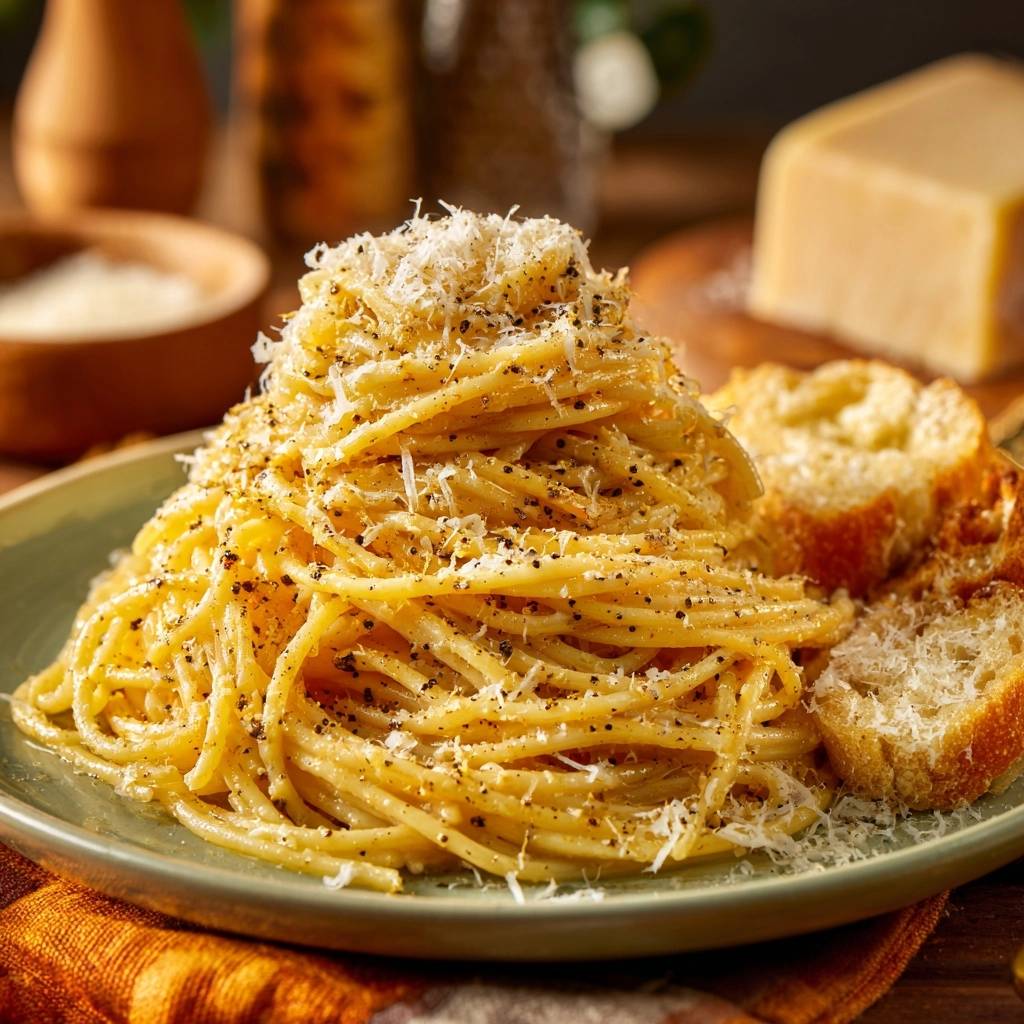
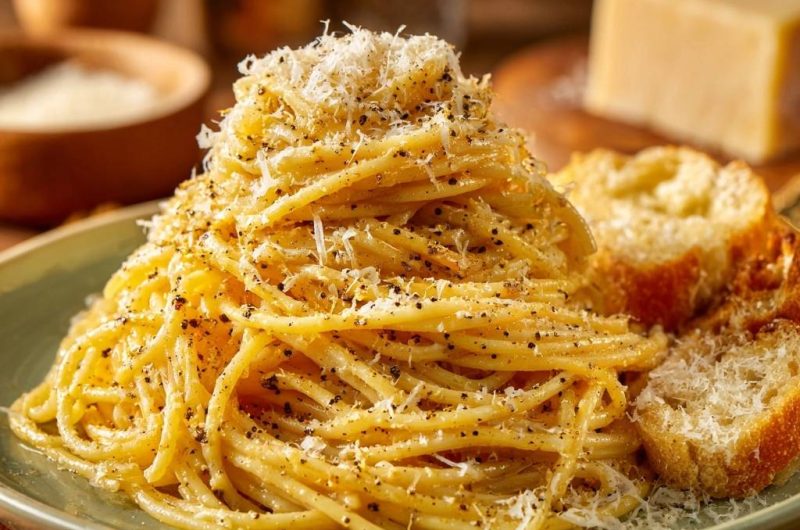
Cacio e Pepe waits for no one. You need to plate this immediately while it’s at its peak creaminess. Use a large carving fork or tongs to twirl the pasta into a high, tight nest in the center of a warmed bowl. This helps retain the heat and keeps the sauce from setting too quickly. A final dusting of “snow-like” Pecorino and a crack of fresh pepper adds a beautiful visual contrast.
In Italy, no sauce is left behind. Serve this with a few slices of toasted baguette to perform the “scarpetta”—the tradition of using bread to “shine the shoe” or wipe the plate clean. The crunchy, toasted bread provides a fantastic textural contrast to the soft, silky noodles. It’s the perfect way to ensure you enjoy every last drop of that peppery, cheesy goodness.
Expert Tips for Perfect Results
For the best texture, use a microplane to grate your cheese. This creates airy, feather-light shards that melt almost instantly upon contact with the warm pasta water. If the cheese is grated too coarsely, it takes longer to melt, which increases the risk of the sauce breaking or becoming grainy. Think of it as “cheese snow” rather than “cheese shreds.”
Another pro move is to use much less water than you think you need to boil the pasta. Instead of a massive stockpot, use a wide, shallow pan. This concentrates the starch significantly. When you look at the water, it should be cloudy and opaque, not clear. That concentrated starch is your insurance policy against a broken sauce, acting as a natural stabilizer for the cheese.
Frequently Asked Questions
Can I substitute Parmesan for Pecorino Romano?
You can, but the flavor profile will change significantly. Pecorino Romano is made from sheep’s milk, giving it a salty, tangy, and sharp “funk” that defines the dish. Parmesan (Parmigiano-Reggiano) is made from cow’s milk and is much nuttier and milder. If you find Pecorino too intense, a 50/50 blend of both is a common middle ground that still melts beautifully.
Why is my Cacio e Pepe sauce grainy?
Graininess usually happens for two reasons: using pre-shredded cheese or the water being too hot. Pre-shredded cheese has additives that won’t melt. If you used fresh cheese and it’s still grainy, the proteins likely “scrambled” because the heat was too high. To fix it next time, ensure you create the cheese paste first and always remove the pan from the heat before mixing.
Is butter traditional in Authentic Cacio e Pepe?
Purists will tell you that butter has no place in an authentic Roman recipe. However, many modern chefs use a small amount of unsalted butter as a “training wheel.” Butter contains emulsifiers that help stabilize the sauce and give it an extra glossy finish. If you are a beginner, using a little butter can help prevent the sauce from breaking while you master the technique.
How do I reheat leftovers without the cheese seizing?
Reheating this dish is tricky because high heat will turn the sauce into oil and clumps. The best way is to use a very low heat in a skillet with a tablespoon of water. Stir constantly and gently until it’s just warm enough to eat. Alternatively, use a microwave at 50% power in 30-second bursts, adding a tiny splash of water and stirring between each interval to re-emulsify the fats.
Cacio e Pepe
Course: Main CourseCuisine: ItalianDifficulty: medium2
servings5
minutes12
minutes510
kcal17
MinutesA classic Roman pasta dish made with spaghetti, Pecorino Romano cheese, and black pepper. This version focuses on temperature control and starchy pasta water to create a smooth, creamy emulsion without the cheese seizing or clumping.
Ingredients
8 ounces high-quality spaghetti
1.5 cups finely grated Pecorino Romano cheese (grated by hand using a microplane)
2 teaspoons whole black peppercorns, toasted and coarsely crushed
2 tablespoons unsalted butter (optional, for extra gloss)
Reserved starchy pasta water
Salt for boiling water
1/2 French baguette, sliced and toasted for serving
Directions
- Bring a large pot of water to a boil. Use about half the amount of water you normally would (approx. 2-3 quarts) to ensure the starch concentration is very high. Add a small amount of salt, keeping in mind the cheese is very salty.
- Cook the spaghetti until it is two minutes away from being al dente. It should still have a firm, slightly chalky center.
- While the pasta cooks, toast the crushed peppercorns in a large dry skillet over medium heat for 1-2 minutes until fragrant. Add the butter (if using) or a small ladle of pasta water to the skillet to stop the toasting process and create a peppery base.
- To solve the clumping issue, place 1 cup of your finely grated cheese in a small bowl. Slowly whisk in 1/4 cup of warm (not boiling) pasta water until it forms a thick, smooth, grit-free paste. This pre-emulsifies the cheese so it cannot seize when it hits the pan.
- Use tongs to transfer the pasta directly from the pot to the skillet with the pepper. Do not drain the pasta water.
- Increase the skillet heat to medium. Add another half cup of pasta water and toss the pasta vigorously for 1-2 minutes. This finishes the cooking process and creates a starchy “slurry” on the noodles.
- Remove the skillet from the heat entirely. This is the critical step: if the pan is too hot, the cheese will turn into rubber. Stir in the cheese paste and toss rapidly with tongs or a fork. The residual heat will melt the paste into a glossy, creamy sauce that clings to every strand.
- Plate the pasta in a high mound. Immediately top with the remaining 1/2 cup of finely grated cheese and an extra dusting of cracked pepper to match the visual texture in the image. Serve with toasted baguette slices.
Notes
- Use less water than usual to boil the pasta to ensure a high starch concentration. Pre-emulsifying the cheese with warm water into a paste is the secret to preventing clumps. Always remove the pan from the heat before adding the cheese paste.