Mastering Creamy Cajun Shrimp and Chicken Penne
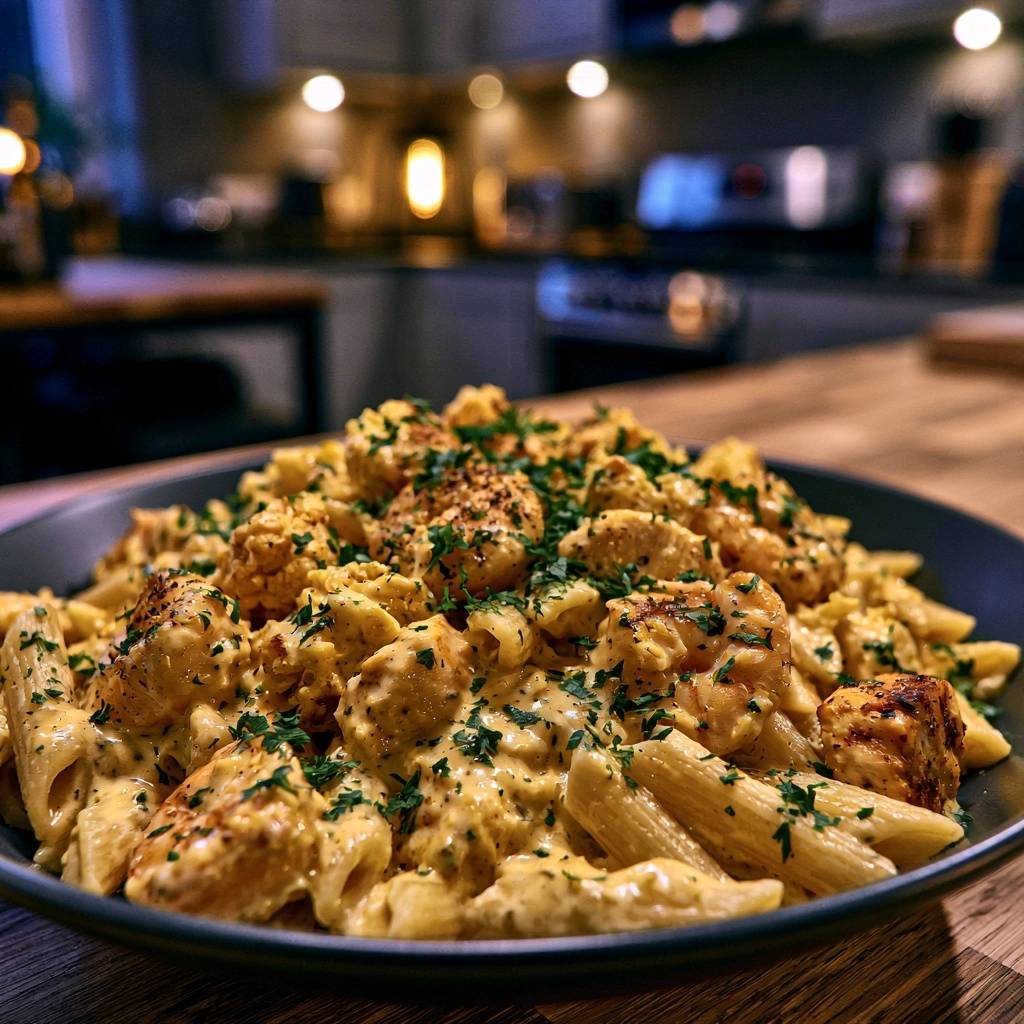
Nothing ruins a dinner quite like a cream sauce that pools at the bottom of the bowl like a thin soup. You’ve likely experienced it before: the pasta is slippery, the sauce is watery, and the flavor just doesn’t stick. This Creamy Cajun Shrimp and Chicken Penne solves that frustration by focusing on a thick, velvety emulsion that clings to every ridge of the pasta. The bold, smoky heat of the Cajun spices creates a beautiful contrast against the cooling, rich heavy cream for a perfectly balanced bite.
The secret to this restaurant-quality finish isn’t a hidden ingredient, but rather a simple technique involving starch and reduction. By finishing the pasta directly in the sauce, you allow the noodles to absorb the flavors while the starches act as a natural thickening agent. This ensures your sauce stays creamy and cohesive rather than breaking or sliding off the proteins. It’s a foolproof way to get that luxurious mouthfeel you usually only find at high-end bistros.
To guarantee success, always grate your own Parmesan cheese from a block. Pre-shredded cheeses are coated in potato starch or cellulose to prevent clumping in the bag, which unfortunately prevents them from melting smoothly into a sauce. When you grate it fresh, the cheese incorporates instantly into the warm cream, creating a glossy, stable emulsion that won’t turn grainy or oily. This one small step makes the difference between a mediocre meal and a masterpiece.
The Science of a Non-Watery Cream Sauce
Creating a stable cream sauce is more about chemistry than luck. It starts with the “fond,” which are those golden-brown bits stuck to the bottom of your skillet after searing the chicken and shrimp. These bits are concentrated flavor bombs that dissolve into the heavy cream, providing a savory backbone to the spice. If you wash the pan between searing the meat and making the sauce, you’re throwing away the best part of the dish.
Reduction is the next critical phase in preventing a watery mess. As the heavy cream simmers, water evaporates, leaving behind a higher concentration of fats and solids. You’ll notice the bubbles change from thin and frothy to large and slow-popping. This natural thickening process creates a sturdy base that can support the weight of the pasta and proteins without thinning out once served.
Finally, the reserved pasta water acts as the ultimate “bridge” between the fat in the cream and the carbohydrates in the pasta. This starchy liquid contains the same molecules found in the noodles, allowing the sauce to bind physically to the penne. When you toss the pasta in the skillet with a splash of this liquid gold, you’re creating a mechanical bond that results in a thick, silk-like coating that won’t separate on the plate.
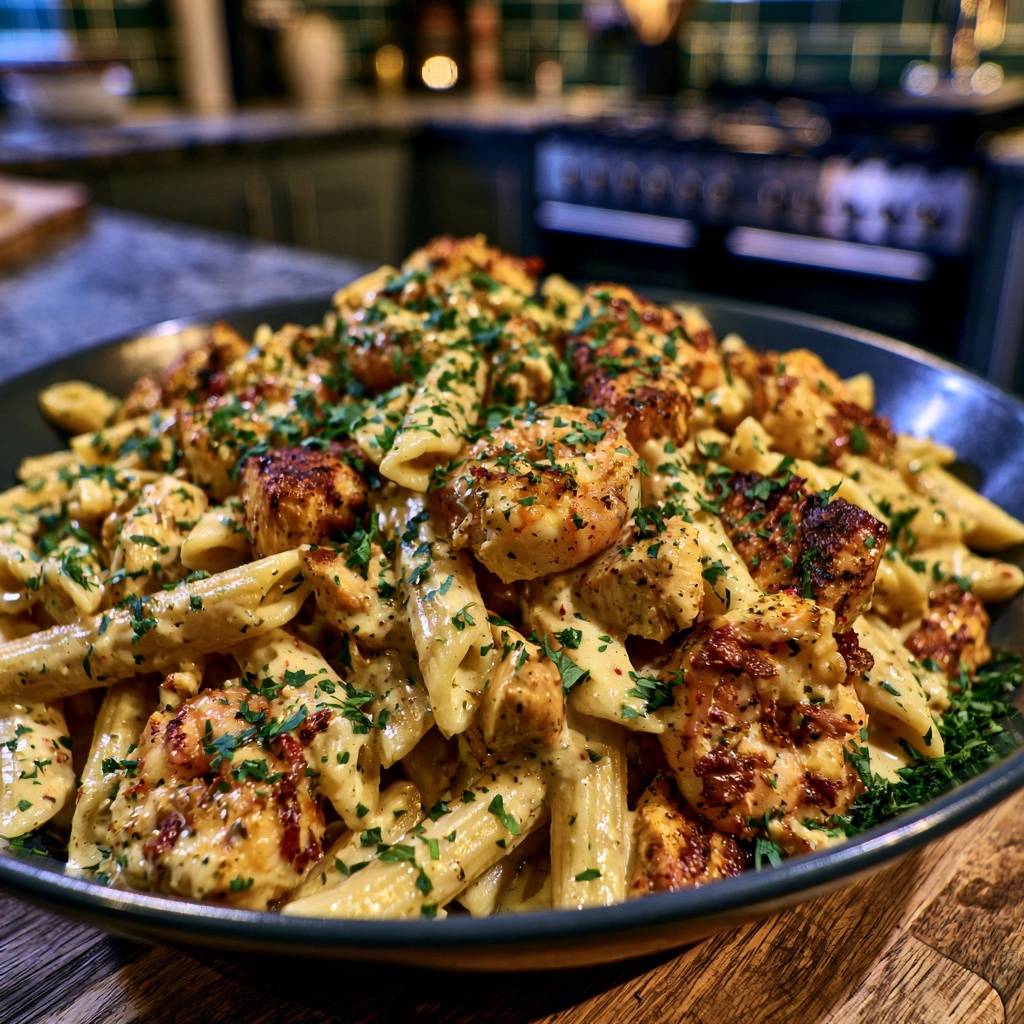
Essential Components for Cajun Shrimp and Chicken Penne
Quality ingredients are the foundation of this bold dish. For the chicken, use boneless skinless breasts and cut them into uniform, bite-sized pieces. This ensures every piece cooks at the same rate, preventing some chunks from drying out while others stay raw. Because we sear them at a high temperature, the chicken develops a crust that traps juices inside, keeping the meat tender despite the spicy exterior.
When it comes to shrimp, look for “large” or “jumbo” sizes, typically labeled as 21/25 count. These hold up much better to the high heat of the skillet than smaller varieties, which can turn rubbery in seconds. Ensure they are fully peeled and deveined so your guests don’t have to work for their meal. The shrimp provide a snappy, sweet contrast to the savory chicken and the heat of the Cajun seasoning.
Cajun seasoning blends vary wildly in salt content, so it’s wise to taste yours before adding extra salt to the dish. If you’re using a store-bought brand, it’s often quite salty, so you may not need any additional seasoning until the very end. Heavy cream is also non-negotiable here; lower-fat alternatives like half-and-half or whole milk lack the fat content required to emulsify with the cheese and pasta water, often resulting in a broken, curdled sauce.
Selecting the Right Pasta Shape
Penne Rigate is the undisputed champion for this specific recipe. The “rigate” part of the name refers to the ridges on the outside of the noodle, which act like tiny gutters to catch and hold the heavy cream sauce. Without these ridges, the sauce would simply slide off the surface of the pasta.
Furthermore, the hollow center of the penne acts as a reservoir. As you toss the pasta in the skillet, the sauce flows into the tubes, ensuring that every bite delivers a burst of creamy flavor. Long, flat noodles like fettuccine are great for lighter sauces, but for a chunky, protein-heavy dish like this, the structural integrity of penne is much more satisfying.
Phase One: Searing the Proteins for Maximum Flavor
To get a perfect sear, you must avoid crowding the pan. If you dump all the chicken and shrimp in at once, the temperature of the skillet will drop, causing the meat to release its juices and steam rather than brown. Work in batches if necessary to ensure each piece has enough space to develop a golden-brown crust. This “Maillard reaction” is where the deep, smoky flavor begins.
Timing is everything when working with two different proteins. Chicken takes longer to cook through, so it gets a head start in the pan. Add the shrimp only during the final few minutes. You’ll know the shrimp are perfectly done when they turn from translucent gray to a vibrant, opaque pink and curl into a “C” shape. If they curl into a tight “O,” they’re overcooked and will be tough.
Phase Two: Building the Cajun Cream Base
Once the proteins are set aside, lower the heat before adding the butter and garlic. Garlic burns incredibly fast, and burnt garlic will make your entire sauce taste bitter. Sauté it just until you can smell that sweet, pungent aroma, then immediately pour in the heavy cream. This deglazes the pan, lifting all those flavorful browned bits from the chicken and shrimp into the liquid.
Let the cream simmer gently. You aren’t looking for a rolling boil, just a steady bubble. As it reduces by about a third, the texture will become noticeably heavier. When you add the Parmesan, do it slowly. Adding a giant pile of cheese at once can cause it to clump into a ball. By whisking in small handfuls, you allow the cheese to melt and integrate perfectly into the cream for a smooth finish.
Phase Three: The Emulsion and Finishing Technique
The most common mistake is cooking the pasta all the way through in the water. Instead, pull the penne out when it still has a very firm bite in the center. It should be about two minutes away from being edible. This is because the pasta will finish its cooking process inside the sauce, drinking up the cream and spices like a sponge. This infuses the flavor directly into the noodle itself.
Add the undercooked pasta and the seared proteins back into the skillet along with a splash of the reserved pasta water. Now, toss it vigorously. This movement, combined with the heat and the starch from the water, creates the emulsion. You’ll see the sauce transform from a liquid into a thick, velvety coating that clings to the back of a spoon. If it looks too dry, add another tablespoon of pasta water until it reaches that perfect, glossy consistency.
Troubleshooting Common Pasta Sauce Errors
If your sauce begins to “break” or look oily, don’t panic. This usually happens if the heat is too high or the cheese was added too quickly. You can often fix a broken sauce by whisking in a fresh splash of heavy cream or a tablespoon of pasta water and stirring rapidly over low heat to bring the fats back together. The goal is to lower the temperature and re-emulsify the liquid.
On the flip side, if the sauce becomes too thick and gummy, it’s likely because the pasta absorbed the liquid faster than expected. Simply stir in more of your reserved pasta water, one tablespoon at a time, until the desired texture returns. If you find the spice level is a bit too intense for your palate, a small squeeze of fresh lemon juice or an extra splash of cream can help mellow out the heat without dulling the flavor.
Optimal Side Dishes for Spicy Cream Pasta
Because this dish is incredibly rich and savory, you want side dishes that offer a bright, acidic contrast. A simple arugula salad with a lemon vinaigrette is a fantastic choice. The peppery bite of the greens and the sharp acid of the lemon cut right through the heavy cream, refreshing your palate between bites of pasta. Charred broccolini with a sprinkle of red pepper flakes and lemon zest also provides a nice crunch.
While garlic bread is a classic pasta companion, it can sometimes feel a bit heavy alongside a cream-based sauce. If you want a starch, go for a light, airy focaccia. It’s perfect for mopping up any extra sauce left on the plate without being as dense as a traditional baguette. Avoid anything too buttery or fried, as you already have plenty of healthy fats in the main course.
Storage and Reheating for Best Texture
Cream sauces are notorious for “disappearing” when stored in the fridge. As the dish sits, the pasta continues to soak up the moisture from the sauce, leaving you with a dry clump the next day. To prevent this, store leftovers in an airtight container for no more than three days. When you’re ready to eat, avoid the microwave if possible, as it tends to make the shrimp rubbery and causes the sauce to separate.
The best way to reheat this dish is on the stovetop over low heat. Add the pasta to a small pan with a splash of milk or water. Stir gently as it warms up; the liquid will loosen the sauce and restore that creamy, glossy texture. Once the sauce looks velvety again and the chicken is warmed through, remove it from the heat immediately to keep the shrimp tender and succulent.
Frequently Asked Questions
How do I store leftovers and does this freeze well?
Store any leftovers in an airtight container in the refrigerator for up to 3 days. I do not recommend freezing this dish. Cream-based sauces often undergo a structural change when frozen and thawed, causing the fat to separate from the liquid. This results in a grainy, oily texture that is very difficult to fix once it has been frozen.
Why did my sauce turn out grainy instead of smooth?
A grainy sauce is almost always caused by using pre-shredded cheese or adding the cheese to a pan that is too hot. Pre-shredded cheese is coated in anti-clumping agents that don’t melt. Additionally, if the sauce is boiling when you add the Parmesan, the proteins in the cheese can clump together. Always use freshly grated cheese and lower the heat to a gentle simmer before stirring it in.
Can I use a different pasta shape if I don’t have penne?
Yes, you can substitute other short, ridged pasta shapes like rigatoni or fusilli. These shapes are excellent at trapping thick sauces. I would avoid smooth shapes like macaroni or long, thin noodles like spaghetti, as the heavy Cajun cream sauce and the chunks of chicken and shrimp won’t adhere as well to those surfaces.
What can I use if I don’t have heavy cream?
For this specific recipe, heavy cream is the best option because it can withstand the heat and the acidity of the spices without curdling. If you must substitute, you can use a high-fat culinary cream. Avoid using skim milk or 1% milk, as the sauce will be very thin and will likely break when you add the Parmesan cheese.
My sauce is too spicy, how can I fix it?
If the Cajun heat is overwhelming, you can balance it by adding a bit more heavy cream or a small dollop of sour cream at the very end. The fats in dairy help neutralize the capsaicin in the peppers. Alternatively, a tiny squeeze of lemon juice can provide an acidic brightness that cuts through the spice and lightens the overall flavor profile of the dish.
Why is my chicken dry even though it’s in a sauce?
Dry chicken is usually the result of overcooking during the initial searing phase. Remember that the chicken will go back into the hot sauce for a few minutes at the end to finish. To keep it juicy, sear it just until it is cooked through, then remove it from the pan immediately. Cutting the pieces into uniform sizes also ensures they all cook at the same rate, preventing smaller pieces from drying out.
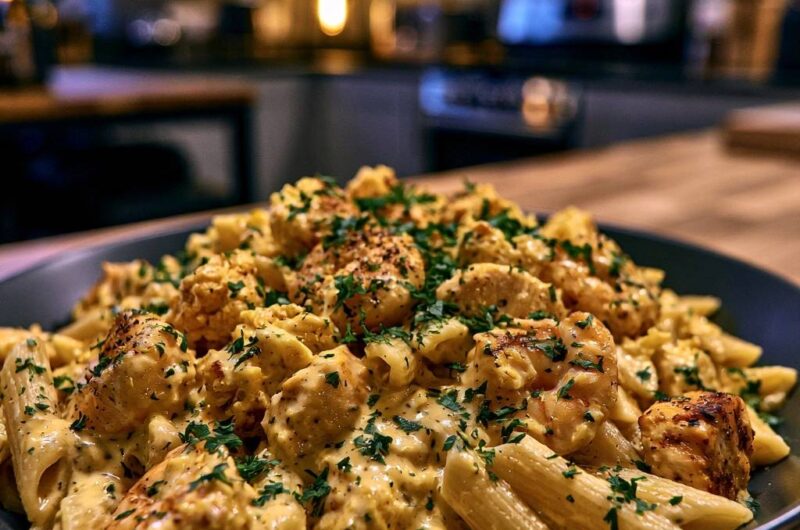
Creamy Cajun Shrimp and Chicken Penne
Course: Main CourseCuisine: AmericanDifficulty: easy4
servings15
minutes20
minutes35
Minutes710
kcalAmerican
Ingredients
1 pound penne pasta
1/2 pound large shrimp, peeled and deveined
1/2 pound chicken breast, cut into bite-sized pieces
3 tablespoons Cajun seasoning (divided)
2 tablespoons olive oil
2 tablespoons unsalted butter
3 cloves garlic, minced
2 cups heavy cream
1 cup freshly grated Parmesan cheese
1/2 cup reserved starchy pasta water
3 tablespoons fresh parsley, finely chopped
Salt and cracked black pepper to taste
Directions
- Bring a large pot of heavily salted water to a boil. Cook the penne until it is 2 minutes shy of al dente (it should still have a firm bite). Important: Before draining, scoop out 1 cup of the starchy pasta water and set it aside. This starch is the key to preventing a watery sauce.
- While the pasta cooks, toss the chicken and shrimp in a bowl with 2 tablespoons of the Cajun seasoning until fully coated.
- Heat olive oil in a large skillet over medium-high heat. Sear the chicken until golden and cooked through, about 5 to 6 minutes. Add the shrimp during the last 2-3 minutes of cooking until they are opaque and curled. Remove both from the pan and set aside on a plate to prevent overcooking.
- Lower the heat to medium. Add the butter to the same skillet. Once melted, sauté the minced garlic for 30 seconds until fragrant.
- Pour the heavy cream into the skillet, scraping up the flavorful browned bits (fond) from the bottom. Add the remaining 1 tablespoon of Cajun seasoning. Let the cream simmer and reduce by one-third until it begins to thicken naturally.
- Whisk in the Parmesan cheese slowly, one handful at a time, until completely melted and smooth.
- Add the undercooked penne, chicken, and shrimp (including any juices from the plate) back into the skillet.
- Pour in 1/4 cup of the reserved pasta water. Toss vigorously over medium heat for 2 to 3 minutes. The pasta will finish cooking in the sauce, absorbing the cream while the starch binds the sauce to the noodles. If the sauce becomes too thick, add more pasta water a tablespoon at a time until it reaches a velvety consistency that coats the back of a spoon.
- Garnish heavily with fresh parsley and extra cracked black pepper to match the visual profile. Serve immediately while the emulsion is at its peak.
Notes
- The secret to the sauce is reserved pasta water and finishing the noodles in the skillet. Ensure the Parmesan is freshly grated for the smoothest melting.