Mastering the Classic French Onion Soup
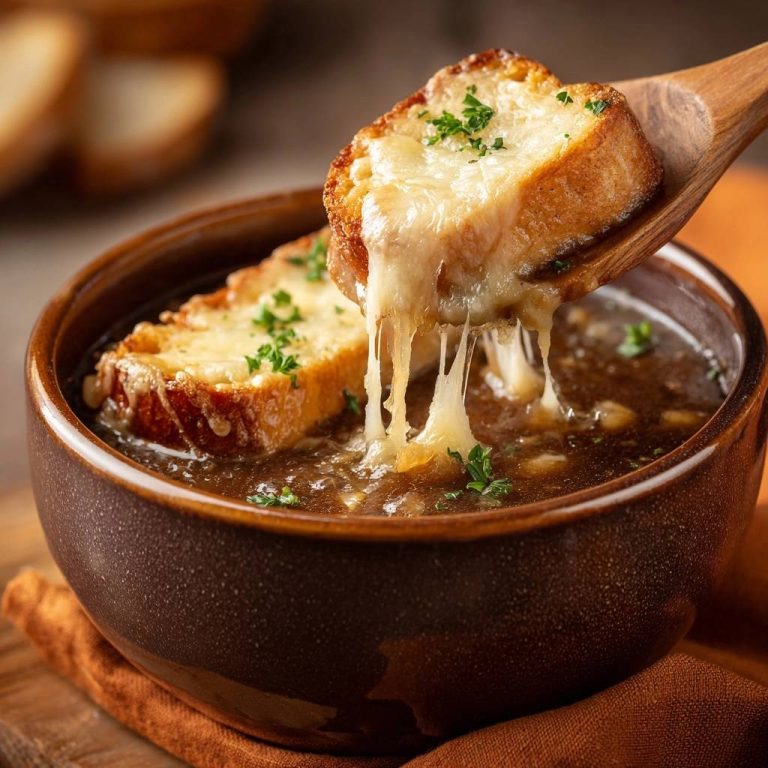
There is nothing quite like the first spoonful of a Classic French Onion Soup. You break through a thick, bubbling layer of molten Gruyere to find a deep, mahogany broth packed with the concentrated sweetness of caramelized onions. It is the ultimate bistro comfort food, yet so many home versions fall short because of one tragic flaw: the soggy bread. We have all been there, fishing out a disintegrated, mushy sponge that has completely lost its structural integrity in the liquid.
The secret to a truly professional soup lies in the architecture of the bowl. By using a specific double-toasting and butter-sealing technique, you can create a crouton that stays crunchy until the very last drop of broth is gone. This isn’t just about throwing ingredients in a pot; it’s about building layers of flavor and engineering a moisture barrier that preserves the contrast between the crispy bread and the silky soup.
To get that restaurant-quality result, you must embrace the slow burn. The secret is the “splash and scrape” method during caramelization. Whenever the bottom of your pot develops a dark brown glaze, you add a tiny splash of water to lift those flavors back into the onions. This prevents burning while ensuring every bit of umami ends up in your bowl rather than stuck to the pan.
The Chemistry of Caramelizing Onions Properly
Caramelizing onions is a lesson in patience and chemistry. When you cook onions slowly over low heat, you are triggering the Maillard reaction, a chemical process where amino acids and reducing sugars react to create complex flavors and that iconic brown color. This is entirely different from sautéing, which merely softens the vegetable. In this recipe, we are looking for a total transformation of the onion’s cellular structure.
If you try to rush this process with high heat, the sugars will burn before they have a chance to develop their deep, jammy sweetness. Burnt onions taste bitter and acrid, which will ruin the entire profile of your broth. By keeping the heat steady and low, the sulfur compounds in the onions mellow out, leaving behind a rich, savory base that tastes almost like candy. It takes nearly an hour, but the depth of flavor is impossible to replicate any other way.
Yellow onions are the gold standard for this dish for a reason. They possess a high sugar content but also enough sulfur to maintain a balanced, pungent backbone. While red onions can turn a muddy gray and white onions can be too sharp, yellow onions break down into a beautiful, consistent mahogany paste that provides the perfect body for the soup.
Selecting the Right Alliums and Fats
While you might be tempted to use whatever is in the pantry, stick to large yellow onions or Spanish onions. They have the structural integrity to hold up during a 50-minute cook time without completely dissolving into mush. You want the onions to be jammy, but still present in every bite of the finished soup.
The fat choice is equally important. We use a combination of unsalted butter and olive oil. The butter provides that essential creamy, nutty flavor that defines French cooking, while the olive oil adds a bit of stability. This mixture allows you to cook the onions for an extended period without the milk solids in the butter scorching too quickly.
Essential Components for a Rich Broth Base
Once your onions are perfectly caramelized, the liquid you add determines the soul of the soup. Many recipes call for standard beef stock, but if you want a truly luxurious mouthfeel, you should reach for high-quality beef bone broth. Bone broth is simmered for much longer, which extracts collagen and gelatin from the bones. This gives the soup a “lip-smacking” richness and a velvety texture that thin stocks simply cannot provide.
Quality matters here because the broth is the primary seasoning for the onions. If your broth is overly salty or lacks depth, the soup will feel one-dimensional. Look for a broth that has a dark, clear appearance and a clean beefy aroma. Since we are simmering the soup further to meld the flavors, the liquid will reduce slightly, concentrating the flavors even more. Always taste your broth before adding extra salt, as the reduction process will naturally intensify the seasoning.
If you find your broth feels a little thin, don’t worry. The natural sugars from the onions and the small amount of flour often found in traditional versions (though we rely on pure reduction here) will help provide body. The goal is a liquid that feels substantial enough to support the heavy bread and cheese topping without being thick like a gravy.
The Role of Deglazing and Balsamic Vinegar
Acidity is the “secret weapon” that cuts through the heavy, sweet notes of the caramelized onions. We use extra broth with a splash of rice vinegar to deglaze the pot, which serves two purposes. First, it lifts every caramelized bit from the bottom, opening up the flavor profile. Second, the vinegar adds a gentle tang that bridges the gap between the sweet onions and the salty broth.
A splash of balsamic vinegar at the end provides a final bright lift. It adds an aged complexity and ensures the soup doesn’t feel too “heavy” on the palate. This balance of sweet, salty, and acidic is what makes the soup so addictive.
Fresh Thyme vs. Dried Herbs
Fresh thyme is non-negotiable for an authentic French profile. The volatile oils in fresh thyme provide an earthy, lemony fragrance that dried herbs just can’t match. We add the leaves during the deglazing phase so they can infuse the fat, but we avoid overcooking them to prevent the soup from tasting medicinal or overly woody.
The Anti-Soggy Secret: Engineering the Perfect Crouton
The most common complaint about French Onion Soup is the “bread mush” factor. To solve this, we have to look at the physics of the crouton. Most people just lightly toast their bread, but that leaves the interior soft. When that soft bread hits the hot broth, it acts like a sponge, immediately soaking up liquid until it collapses under the weight of the cheese.
Our “Anti-Soggy” method involves double-toasting the baguette slices until they are completely dehydrated, essentially turning them into a “rusk.” By removing all moisture from the bread first, you create a much harder structure. However, the real magic happens with the butter seal. By brushing both sides of the dried toast with melted butter, you are creating a hydrophobic fat barrier. Since oil and water don’t mix, the butter prevents the broth from penetrating the bread quickly.
This engineering ensures that when you dig in, the bottom of the bread is slightly softened by the broth, but the core remains crunchy. It provides that essential textural contrast that makes every bite interesting. You get the crunch of the toast, the pull of the cheese, and the silkiness of the onions all at once.
Why Standard Toasting Fails
Standard toasting only browns the surface of the bread, leaving the starches in the center ready to absorb liquid. As soon as you place a lightly toasted slice on the soup, the steam from the broth begins to soften it from below. By the time the cheese melts under the broiler, the bread has already lost its fight. The butter-seal method is the only way to maintain that bistro-style crunch.
Step-by-Step: Building the Deep Mahogany Base
Building the base of this soup is a 75-minute journey that requires your full attention, especially toward the end. You’ll start with a mountain of sliced onions that looks like it could never fit in the pot, but don’t be alarmed. They will lose about 75% of their volume as they cook down and release their water content.
The most important technique to master is the “splash and scrape.” As the onions cook, they will leave a brown film on the bottom of the pot called “fond.” This is pure flavor. Every 10 minutes or so, if the bottom looks like it’s getting too dark, add a tablespoon of water and scrape it up with a wooden spoon. This incorporates those toasted sugars back into the onions, darkening them evenly without any bitter burnt spots.
Phase One: Sweating and Softening
During the first 15 minutes, you are simply “sweating” the onions. You want them to become translucent and soft. Keep the lid on for the first few minutes to trap steam, which helps break down the fibers faster. You aren’t looking for color yet; you just want them to lose their raw bite and start releasing their juices.
Phase Two: Achieving the Jammy Mahogany State
From the 20-minute mark to the 55-minute mark, the real transformation happens. The onions will turn from pale yellow to golden, then to a light tan, and finally to a deep, jammy mahogany. You’ll need to stir more frequently during the last 15 minutes. The aroma should be sweet and savory, like roasting meat, rather than sharp or stinging.
Assembling the Crocks for the Broiler
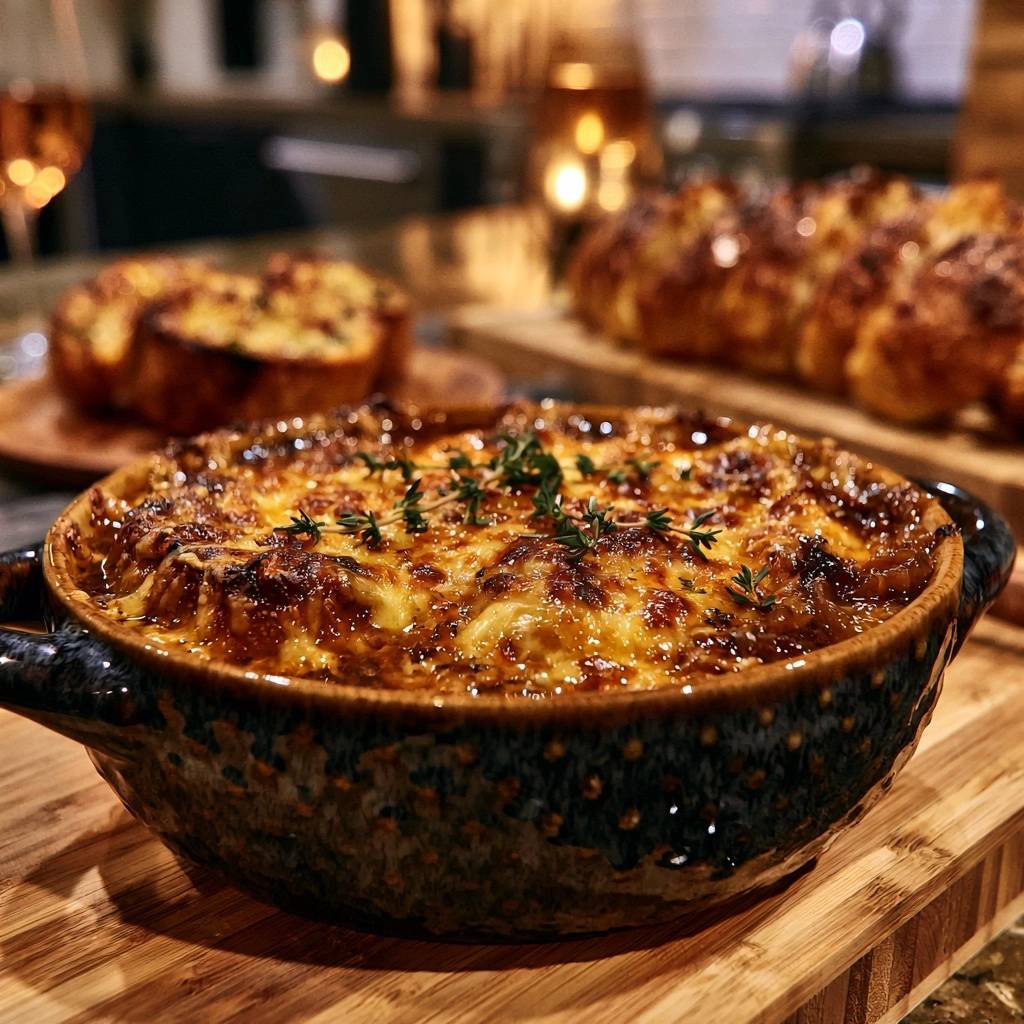
Assembly is where the “wow factor” happens. You want to fill your oven-safe crocks almost to the brim with the hot soup. When you place your butter-sealed bread on top, it should float like a raft. Don’t be afraid to use two slices if your bowls are wide; you want to cover as much surface area as possible to support the cheese.
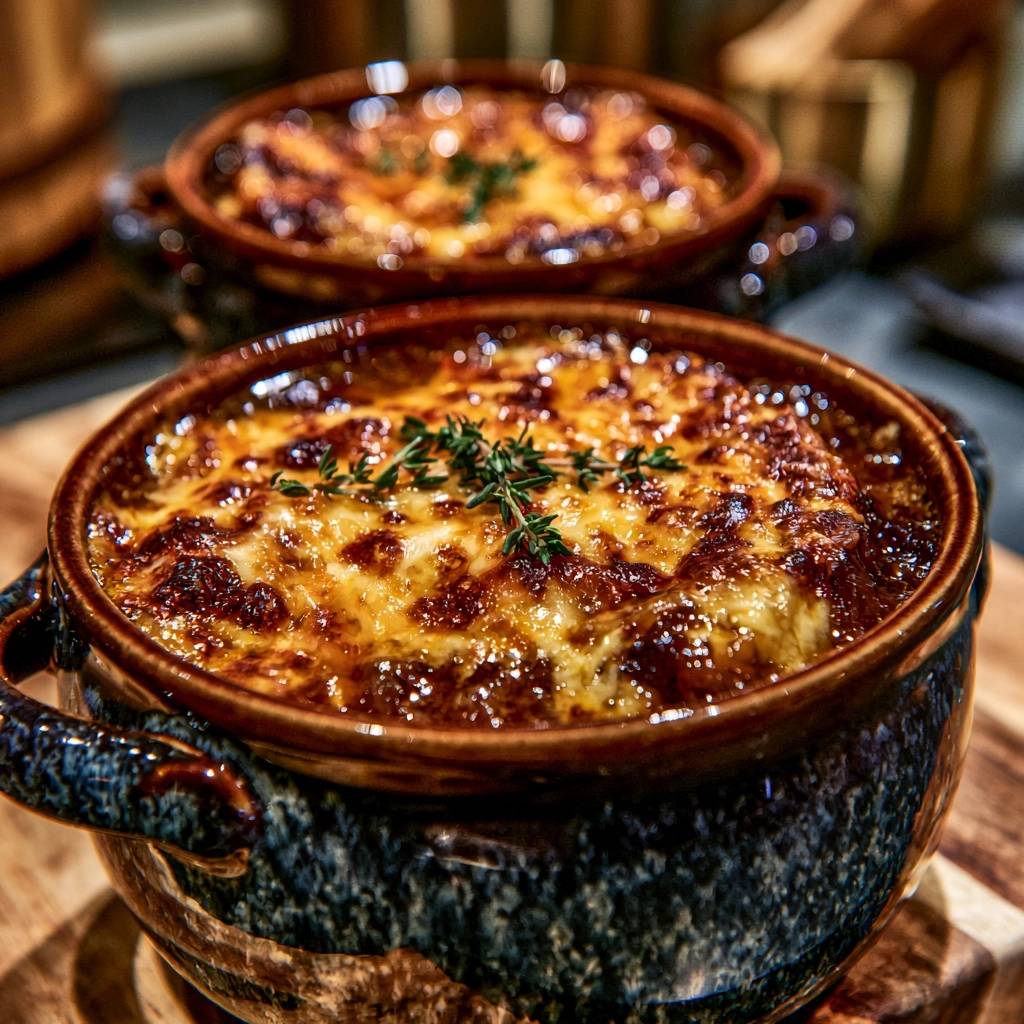
When adding the cheese, don’t just pile it in the center. Spread it all the way to the edges of the bowl, even letting it hang over the rim slightly. As it melts under the broiler, the cheese will stick to the sides of the crock, creating a structural “lid.” This lid traps the heat inside, keeping the soup piping hot while creating those crispy, browned cheese bits on the edges that everyone loves to scrape off.
The Gruyere and Swiss Cheese Blend
Gruyere is the traditional choice because of its nutty, salty profile and excellent melting capabilities. However, adding a bit of Swiss or Emmental creates a better “cheese pull.” Gruyere can sometimes be a bit oily when melted alone, so the addition of Swiss helps stabilize the texture, giving you those long, dramatic strings of cheese with every spoonful.
Troubleshooting Common Soup Obstacles
Even with the best intentions, things can go wrong. If you find that your onions have gotten a bit too dark and the broth tastes slightly bitter, don’t panic. A tiny pinch of sugar or an extra teaspoon of balsamic vinegar can often mask the bitterness and bring the flavors back into balance. The acidity of the vinegar is particularly good at neutralizing over-caramelized notes.
If your broth feels too thin or watery, the best fix is time. Let the soup simmer without a lid for an extra 10 minutes to reduce the volume and concentrate the proteins. If you don’t have oven-safe crocks, you can melt the cheese on the buttered toast separately on a baking sheet and then float the finished “cheesy planks” on top of the bowls right before serving.
Fixing a Bitter or Thin Broth
A thin broth usually happens if the bone broth wasn’t concentrated enough. If you’re in a pinch, you can whisk a teaspoon of cornstarch into a tablespoon of cold water and stir it into the simmering soup. It will provide a subtle thickness without changing the flavor. For bitterness, always start with a very small amount of acid or sweetness and taste as you go.
Optimal Side Dishes for a French Bistro Menu
Since French Onion Soup is incredibly rich and salty, you want to pair it with something that offers a crisp, refreshing contrast. A simple green salad with a sharp Dijon vinaigrette is the classic choice. The acidity of the dressing cuts through the fat of the Gruyere and the sweetness of the onions perfectly.
Avoid serving heavy starches like pasta or potatoes, as the soup already features a significant amount of bread. If you want a protein, a light roasted chicken or a simple grilled steak works beautifully. Keep the sides minimal; the soup is the star of the show and is quite filling on its own due to the dense bone broth and heavy cheese topping.
Make-Ahead Strategies and Storage
This is a fantastic “make-ahead” meal because the flavors actually improve after a night in the fridge. You can prepare the onion and broth base up to three days in advance. In fact, the onions will continue to release their sugars into the broth as it sits, making it even richer when you reheat it the next day.
However, you must store the bread and cheese separately. Never assemble the crocks until you are ready to eat. Reheat the soup on the stove until it’s simmering, then proceed with the toasting and broiling steps. The bread must be fresh and the cheese must be melted right before serving to maintain that “Anti-Soggy” barrier we worked so hard to create.
Freezing the Caramelized Onion Base
If you have a surplus of onions, you can freeze the caramelized onion paste itself. Spoon the jammy onions into ice cube trays and freeze them. These “flavor bombs” can be dropped into gravies, stews, or even onto burgers later. The full soup also freezes well for up to three months, just be sure to leave the bread and cheese for the day you serve it.
How do I store leftovers and can I freeze this soup?
You can store the liquid soup base in an airtight container in the refrigerator for up to 4 days. It actually tastes better the next day! For longer storage, freeze the broth and onion mixture in a freezer-safe bag or container for up to 3 months. Do not store the soup with the bread and cheese already on top, as the bread will turn into mush. When you are ready to eat, thaw the soup, heat it on the stove, and then follow the bread-toasting and cheese-broiling steps fresh.
Why is my French Onion Soup bitter?
Bitterness usually comes from one of two things: burning the onions or using too much dried thyme. If the onions are cooked over heat that is too high, the sugars char rather than caramelize. To fix a bitter broth, try adding a tiny pinch of sugar or a teaspoon of balsamic vinegar. The sweetness and acidity can help neutralize the bitter notes. Next time, ensure you are using the “splash and scrape” method with water to keep the onions from sticking and burning.
Can I make this without a broiler or oven-safe bowls?
Yes! If you don’t have crocks that can handle the high heat of a broiler, you can make “cheesy planks.” Toast your butter-sealed bread on a regular baking sheet, pile the cheese on top, and melt it under the broiler until bubbly. Then, simply float the cheesy toast on top of your bowls of hot soup. It won’t have the “cheese lid” stuck to the sides of the bowl, but it will taste exactly the same and keep the bread just as crunchy.
What is the best substitute for Gruyere cheese?
If you can’t find Gruyere, the best substitute is a mix of Swiss and sharp Provolone, or a high-quality Comté. Comté is actually very similar to Gruyere in flavor and melting ability. You want a cheese that is “alpine-style,” meaning it is nutty, firm, and melts smoothly without becoming excessively greasy. Avoid pre-shredded cheeses in bags, as they are coated in potato starch which prevents them from melting into that perfect, stretchy blanket.
Can I use white onions instead of yellow?
You can, but the flavor profile will change. White onions have a higher water content and a sharper, more pungent bite. They don’t have the same sugar concentration as yellow onions, so your soup may end up tasting more “oniony” and less “sweet and savory.” If you must use white onions, you might need to add a teaspoon of sugar during the caramelization process to help them reach that deep mahogany color and jammy texture.
Classic French Onion Soup
Course: SoupCuisine: FrenchDifficulty: easy4
servings15
minutes1
hour15
minutes90
Minutes480
kcalFrench
Ingredients
5 large yellow onions, thinly sliced
4 tablespoons unsalted butter (for onions)
2 tablespoons olive oil
1 teaspoon salt
1/2 cup extra broth plus a splash of rice vinegar
8 cups high-quality beef bone broth
1 tablespoon balsamic vinegar
2 teaspoons fresh thyme leaves, plus extra sprigs for garnish
1 large French baguette, sliced into 1-inch thick rounds
3 tablespoons melted butter (for the bread seal)
2 cups shredded Gruyere cheese
1 cup shredded Swiss or Emmental cheese
Black pepper to taste
Directions
- Melt 4 tablespoons of butter and the olive oil in a large heavy-bottomed pot over medium heat. Add the sliced onions and salt.
- Cook the onions for 45 to 55 minutes, stirring every few minutes. To ensure deep caramelization without burning, add a splash of water whenever the bottom of the pot looks dark (fond) to deglaze the flavor back into the onions. They should be a deep, jammy mahogany brown.
- Increase heat to medium-high and pour in the extra broth and rice vinegar. Scrape the bottom of the pot to release all browned bits. Stir in the fresh thyme and balsamic vinegar.
- Add the beef broth and bring to a simmer. Reduce heat to low and simmer for 15-20 minutes to develop the body of the soup. Season with black pepper.
- While the soup simmers, prepare the bread using the Anti-Soggy Secret: Place baguette slices on a baking sheet and toast in a 400°F oven for 5 minutes per side until they are completely dried out and hard like a rusk. Remove from oven and brush both sides of each toast with a thin layer of melted butter. This creates a fat-based moisture barrier that prevents the broth from soaking through.
- Ladle the hot soup into oven-safe crocks. Place one or two of the butter-sealed toasted bread rounds on top of the liquid.
- Generously pile the Gruyere and Swiss cheese over the bread, ensuring the cheese overlaps the edges of the bowl to create a “lid.”
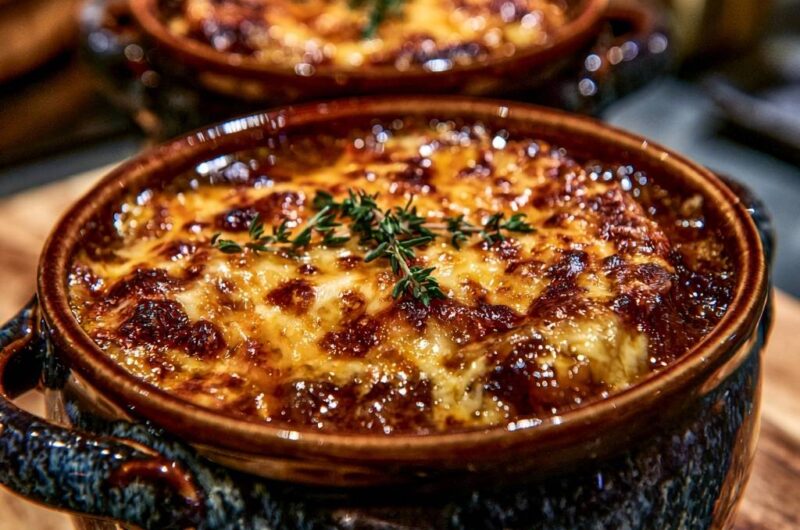
- Place the crocks on a baking sheet under the broiler for 3 to 5 minutes. Watch closely until the cheese is bubbling, deeply browned in spots, and draped over the sides of the bowl as shown in the image. Garnish with a fresh thyme sprig and serve immediately.
Notes
- The secret to the crunchy bread is toasting it until hard and then brushing with melted butter to create a fat-based moisture barrier before adding it to the soup.