Mastering Creamy Garlic Shrimp Fettuccine Without the Watery Mess
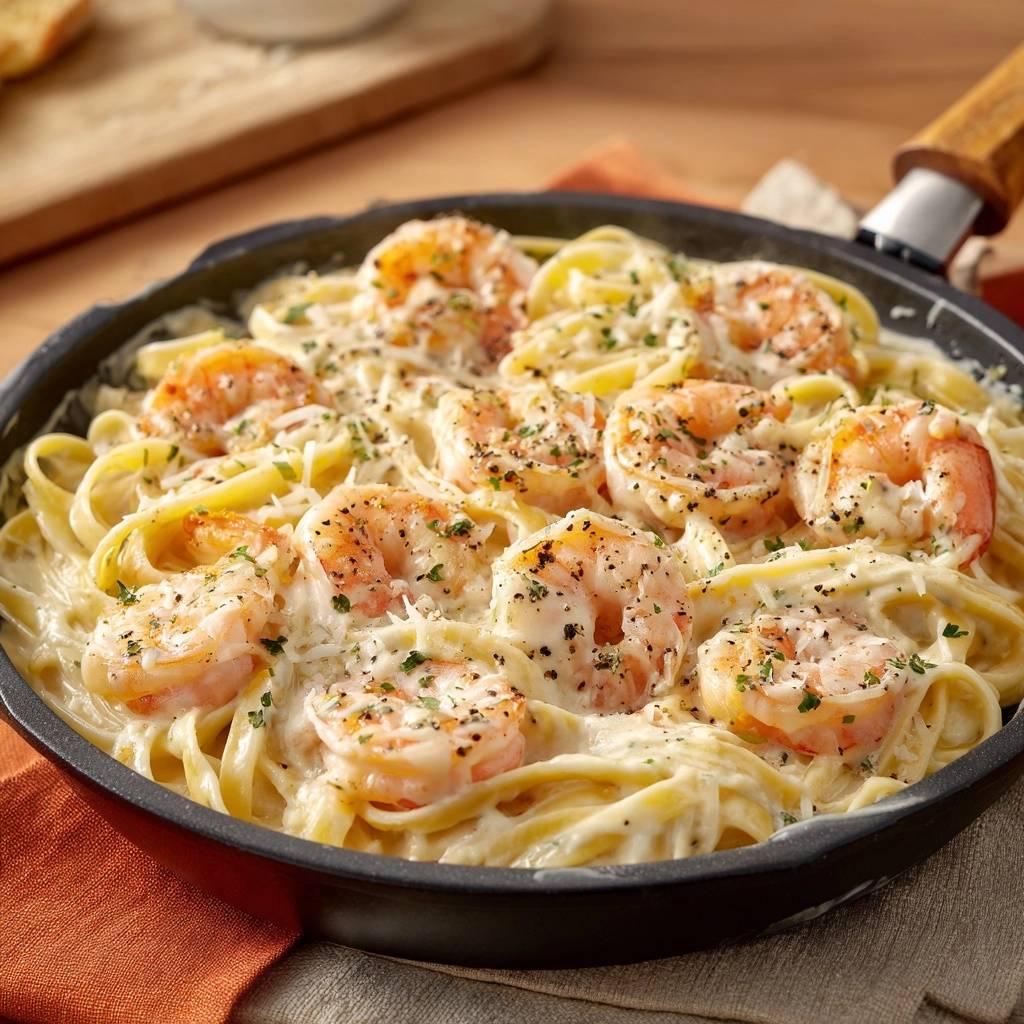
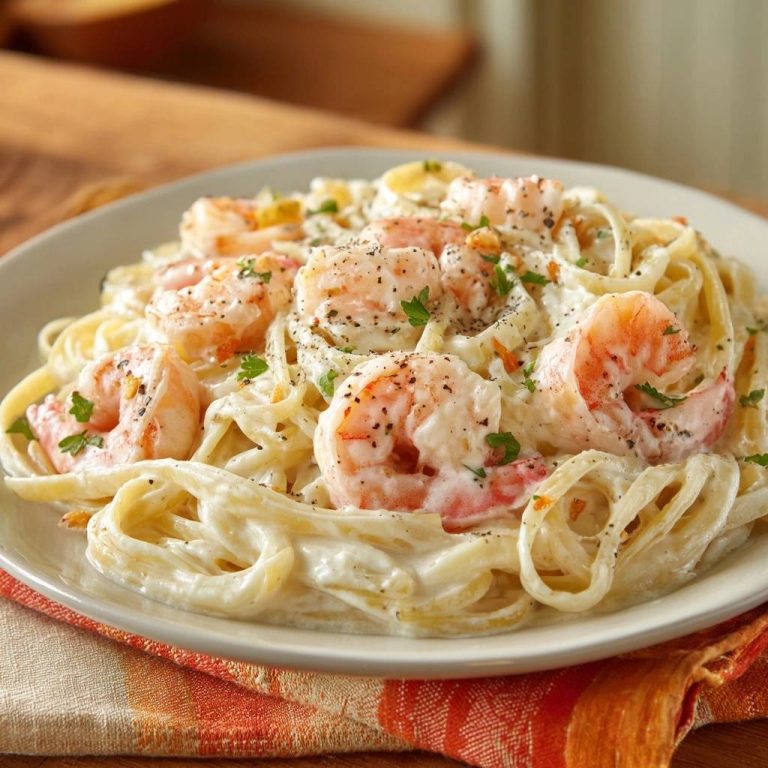
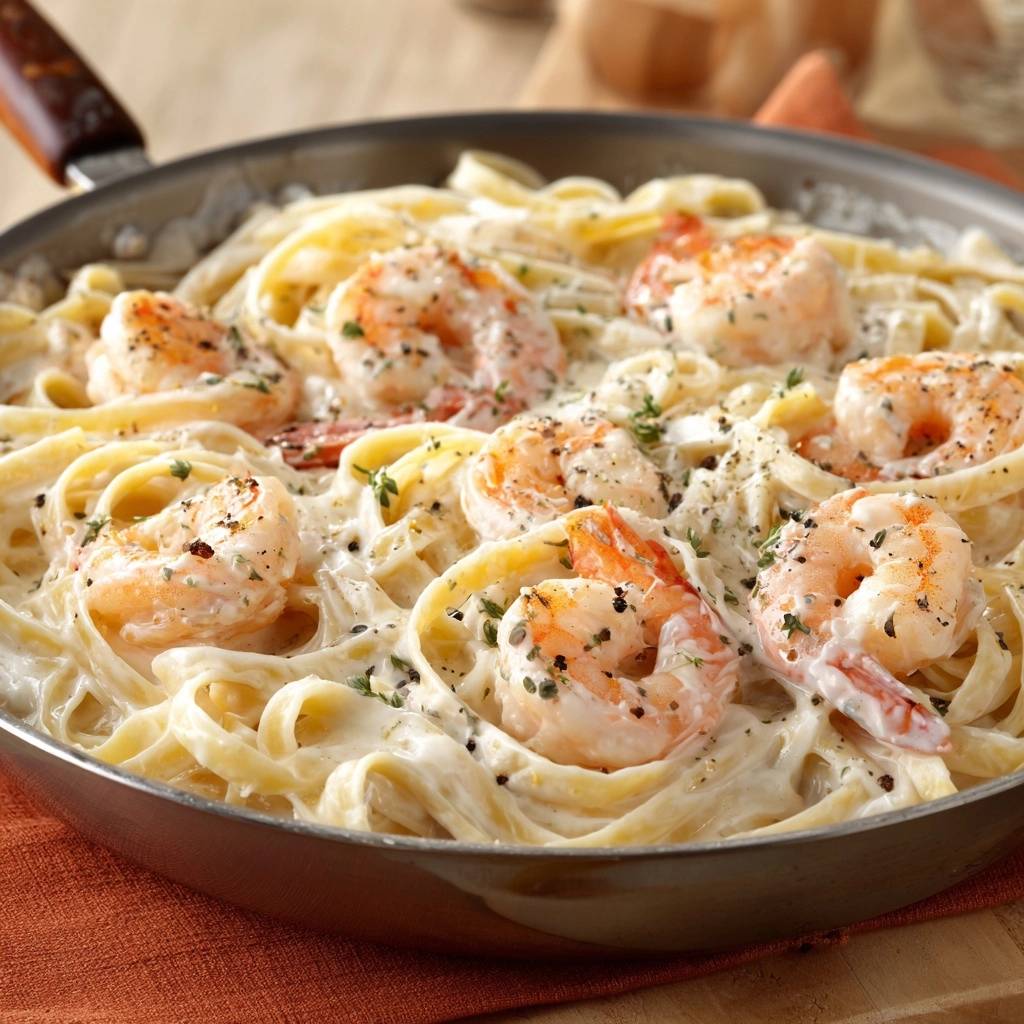
Nothing ruins a dinner faster than a plate of pasta sitting in a puddle of thin, broken liquid. You’ve likely experienced it before: a sauce that looks beautiful in the pan but separates into a greasy mess the moment it hits the plate. This Creamy Garlic Shrimp Fettuccine is designed to end that frustration forever by focusing on a velvety, stable emulsion that clings to every single strand of pasta.
The secret to this restaurant-quality result isn’t a complicated ingredient or a professional culinary degree. Instead, it’s about managing your heat and using the natural starches already present in your kitchen. In just 25 minutes, you’ll create a dish that feels incredibly indulgent but remains perfectly cohesive from the first bite to the last.
I’ve found that the real trick to a sauce that never breaks is the “low and slow” cheese integration. If you dump your Parmesan into a boiling pan, the proteins will seize and clump instantly. By dropping the heat and whisking in small handfuls, you ensure the cheese melts into the cream rather than fighting against it. This creates that glossy, thick coating we all crave.
The Science of Emulsion: Why Your Sauce Separates
To master a cream sauce, you have to understand that you’re essentially managing a delicate balance of water, fat, and protein. When heavy cream is subjected to aggressive, high heat, the water evaporates too quickly and the fat molecules begin to clump together. This is why a sauce that was once smooth can suddenly turn grainy or oily in a matter of seconds.
When you add cheese to the mix, the risk of separation increases. Cheese is a complex structure of milk solids and fats held together by proteins. If the pan is too hot, those proteins tighten up and squeeze out the fat, resulting in that dreaded watery puddle at the bottom of your bowl. You aren’t just heating food; you’re performing a chemical “liaison” between the dairy and the pasta.
The goal is to create a stable emulsion where the fat is suspended evenly throughout the liquid. This requires a stabilizing agent to act as a bridge between the oil and the water. While the heavy cream provides some stability, it often needs a little extra help to stay smooth once the pasta and shrimp are added to the skillet.
The Role of Starchy Pasta Water
This is where your “liquid gold” comes into play. Never pour all of your pasta water down the drain! As the fettuccine boils, it releases amylose, a type of starch, into the water. This cloudy, salty liquid is the ultimate stabilizer for any dairy-based sauce.
When you whisk a splash of this starchy water into your cream and Parmesan, the starch molecules physically get in the way of the fat droplets, preventing them from merging back together. It acts as a natural glue that binds the heavy cream to the noodles. This ensures the sauce stays on the fork instead of sliding off the pasta.
Essential Components for Creamy Garlic Shrimp Fettuccine
Success with this dish starts with the quality of your pantry staples. Since there are only a few primary ingredients, each one needs to pull its weight. Using high-fat heavy cream is non-negotiable here because the fat content provides the structural integrity needed to support the weight of the jumbo shrimp and thick fettuccine noodles.
You also want to ensure your butter is unsalted. This gives you total control over the seasoning levels, especially since the Parmesan cheese and the pasta water both bring a significant amount of salt to the party. If you use salted butter, you risk the dish becoming overwhelmingly briny by the time it reduces.
Freshness is the final pillar of this recipe. Pre-minced garlic in a jar often has a sour, metallic aftertaste that can permeate the entire cream base. Taking the extra two minutes to mince six fresh cloves will provide a sweet, pungent aroma that defines the “garlic” in Garlic Shrimp Fettuccine. It makes a world of difference in the final flavor profile.
Selecting and Preparing Jumbo Shrimp
For the best texture, look for jumbo shrimp, specifically the 16/20 count. These are large enough to withstand a high-heat sear without turning into rubbery little knots. Larger shrimp also retain more moisture in their center, providing a satisfying “pop” when you bite into them against the soft pasta.
The most important prep step is patting the shrimp bone-dry with paper towels. If the shrimp are even slightly damp, they will steam in the pan rather than sear. You want that golden-pink crust on the outside, which only happens when the heat can immediately caramelize the surface of the protein without fighting through a layer of water.
The Importance of Freshly Grated Parmesan
Please skip the green shaker bottle and the pre-shredded bags for this recipe. Bagged shredded cheese is coated in potato starch or cellulose to prevent the strands from sticking together in the package. While this is convenient for tacos, those anti-caking agents will prevent the cheese from melting smoothly into your sauce.
When you grate a block of Parmesan yourself, you get a pure product that melts almost instantly upon contact with the warm cream. This results in a silky, luxurious texture. If you use the pre-shredded stuff, you’ll likely end up with a grainy sauce that feels “sandy” on the tongue, no matter how much you whisk it.
Aromatics and Fat Bases
We use a combination of olive oil and unsalted butter to sear the shrimp. The olive oil has a higher smoke point, which prevents the butter from burning while you’re trying to get that perfect golden color on the seafood. The butter is there purely for that rich, nutty flavor that complements the garlic so well.
Six cloves of garlic might sound like a lot, but the heavy cream mellows the sharpness significantly. By the time the sauce reduces, the garlic becomes a sweet, savory background note rather than an overwhelming bite. It’s the baseline that supports the richness of the cheese and the sweetness of the shrimp.
Step-by-Step: Searing Shrimp for Maximum Texture
To get the shrimp right, you need to work quickly. Once your oil and butter are shimmering in the pan, lay the shrimp down in a single layer. Don’t crowd them, or the temperature of the pan will drop and they’ll start to boil in their own juices. Give them exactly 90 seconds on the first side.
You’ll see the edges turn opaque and a bright pink hue creep up the sides. Flip them over and give them another 90 seconds. At this point, they should be just barely cooked through. It is vital to remove them from the pan immediately and set them aside on a plate. If you leave them in the pan while you build the sauce, they will become tough and rubbery.
For a perfect pairing, try our Creamy Shrimp Alfredo: Mastering the Velvety Sauce.
Building the Emulsified Garlic Cream Base
After removing the shrimp, lower your heat to medium. You want to sauté the garlic just until it smells amazing, which usually takes about 30 to 45 seconds. If the garlic turns brown or black, it will become bitter and ruin the entire batch. If that happens, it’s better to wipe the pan and start the garlic step over.
Pour in your heavy cream and let it come to a gentle simmer. You are looking for a “nappe” consistency, which is a fancy way of saying the cream should be thick enough to coat the back of a spoon. If you run your finger through the cream on the spoon, the line should stay clean and not fill back in. This reduction phase concentrates the flavors and thickens the texture naturally.
Once the cream has thickened, turn the heat to low before adding the cheese. This prevents “thermal shock,” which is the leading cause of sauce separation. Whisk the Parmesan in slowly, allowing each handful to fully disappear before adding the next. Finally, whisk in your reserved pasta water to lock that emulsion in place and create a glossy finish.
Integrating the Fettuccine and Finishing the Cook
The biggest mistake people make is cooking their pasta all the way through in the water. You want to pull the fettuccine out about two minutes before the package says it’s “al dente.” The pasta should still have a firm, almost chalky bite in the very center because it’s going to finish cooking inside the sauce.
Transfer the noodles directly from the water to the skillet. As the pasta finishes cooking in the cream, it acts like a sponge, pulling the garlic and cream flavors deep into the noodle itself. This creates a cohesive dish where the sauce and the pasta are one, rather than the sauce just sliding off a wet noodle.
Troubleshooting Common Pasta Sauce Failures
If your sauce looks like it’s starting to “break” or look oily, don’t panic. You can often save it by adding a tablespoon of very hot pasta water and whisking vigorously over low heat. The extra starch and the mechanical action of whisking can help re-emulsify the fats and bring the sauce back together.
On the other hand, if your sauce becomes too thick or “gloopy,” it’s likely because the pasta absorbed the liquid faster than expected. Simply add a splash more of that reserved pasta water or a tiny bit of warm cream. Stir it gently until you reach your desired silkiness. Remember, the sauce will continue to thicken as it cools on the plate, so it’s okay if it looks a little loose in the pan.
Flavor Variations and Ingredient Swaps
While this recipe is a classic, you can easily customize it. If you want a bit of a kick, add a pinch of red pepper flakes when you sauté the garlic. For a bit of brightness to cut through the heavy dairy, stir in some fresh lemon zest right at the end. The citrus oils provide a beautiful aroma without the curdling risk of straight lemon juice.
If you want to add some color, a few handfuls of baby spinach can be tossed in during the last minute of cooking. The heat of the sauce will wilt the leaves perfectly. Sun-dried tomatoes are another great addition, providing a chewy texture and a concentrated hit of acidity that balances the rich Parmesan beautifully.
Optimal Side Dishes for Rich Pasta
Because this fettuccine is so rich and creamy, you want side dishes that offer a sharp contrast. A simple arugula salad dressed with a basic lemon vinaigrette is perfect. The peppery bite of the arugula and the acidity of the lemon help cleanse your palate between bites of the heavy pasta.
Roasted broccolini is another fantastic choice. The charred, slightly bitter florets provide a nice textural change. I like to finish the broccolini with a squeeze of charred lemon to keep the flavors bright. Avoid heavy, buttery garlic bread as a side, as it can make the entire meal feel a bit too weighed down by fats.
Expert Tips for Reheating and Storage
Cream sauces are notoriously difficult to reheat because the microwave tends to explode the fat molecules, leaving you with oily noodles. If you have leftovers, store them in an airtight container in the fridge for up to two days. I don’t recommend freezing this dish, as the cream and cheese will almost certainly grain out upon thawing.
To reheat, use the stovetop. Place the pasta in a small skillet over low heat and add a tablespoon or two of milk or water. Cover the pan for a minute to let the steam loosen the noodles, then stir gently. The extra moisture and low heat will help the sauce re-emulsify, giving you a result that’s much closer to the original meal.
Frequently Asked Questions
Can I use milk instead of heavy cream?
I don’t recommend using milk for this specific recipe. Heavy cream has a high fat content (about 36%) which allows it to reduce and thicken into a stable sauce. Milk has a much higher water content and lacks the structural fats needed for a thick emulsion. If you try to boil milk down, it is very likely to curdle, especially once you add the salty Parmesan cheese.
Why is my garlic bitter?
Garlic becomes bitter the moment it turns brown. Because it is minced so finely, it only needs about 30 to 45 seconds in the warm butter to release its flavor. If your heat is too high or you leave it in the pan too long before adding the cream, it will scorch. Always have your cream measured and ready to pour so you can stop the garlic’s cooking process the moment it becomes fragrant.
Should I rinse the pasta after boiling?
Absolutely not! Rinsing pasta is one of the biggest mistakes you can make with a cream sauce. Rinsing washes away the surface starch that helps the sauce stick to the noodles. Additionally, the pasta should be hot when it hits the sauce to ensure they bond together. Just drain it (saving your water!) and move it straight into the skillet.
How do I know when the shrimp is perfectly cooked?
Watch the shape and color of the shrimp. Perfectly cooked shrimp will form a loose “C” shape and turn from translucent grey to an opaque pinkish-white. If the shrimp curls tightly into an “O” shape, it is overcooked and will likely be tough. Removing them from the pan at the 90-second mark ensures they stay tender as they finish “carry-over” cooking on the plate.
Shrimp Fettuccine
Course: Main CourseCuisine: Italian-AmericanDifficulty: easy4
servings10
minutes15
minutes620
kcal25
MinutesA rich and decadent pasta dish featuring jumbo shrimp and fettuccine tossed in a garlic-infused Parmesan cream sauce. The recipe focuses on heat management and starch to ensure a thick, clingy sauce that stays emulsified.
Ingredients
1 pound jumbo shrimp, peeled and deveined (tail-on for presentation)
12 ounces fettuccine pasta
1.5 cups heavy cream
1.5 cups freshly grated Parmesan cheese (plus extra for topping)
6 cloves garlic, minced
3 tablespoons unsalted butter, divided
1 tablespoon olive oil
1/2 cup reserved starchy pasta water
1 teaspoon kosher salt
1 teaspoon coarse ground black pepper
1 tablespoon fresh parsley, finely chopped
Directions
- Bring a large pot of heavily salted water to a boil. Cook the fettuccine until it is just shy of al dente (about 2 minutes less than package directions). Important: Before draining, scoop out 1 cup of the starchy pasta water and set it aside. This starch is the “glue” that prevents a watery sauce.
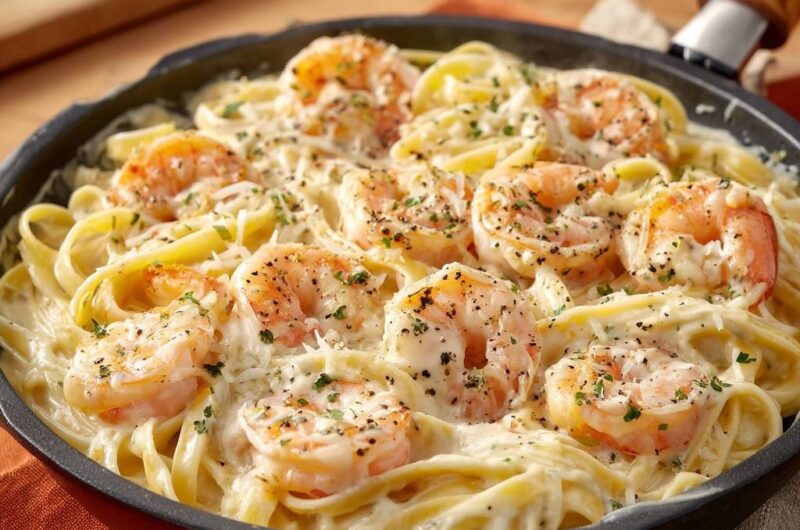
- While the pasta cooks, pat the shrimp completely dry with paper towels. Season generously with half of the salt and a heavy dusting of black pepper to match the visible pepper flecks in the dish.
- Heat the olive oil and 1 tablespoon of butter in a large skillet over medium-high heat. Sear the shrimp for 90 seconds per side until golden-pink and opaque. Remove shrimp from the pan and set aside on a plate to prevent overcooking.
- Lower the heat to medium. Add the remaining 2 tablespoons of butter and the minced garlic. Sauté for 30-45 seconds until fragrant but not browned.
- Pour in the heavy cream and bring to a gentle simmer. Let it reduce for 3 to 5 minutes, whisking occasionally, until it coats the back of a spoon.
- To solve the watery sauce problem, reduce heat to low and whisk in the grated Parmesan cheese in small handfuls. Once melted and smooth, whisk in 1/4 cup of the reserved pasta water. The starch will emulsify the fats from the cheese and cream.
- Transfer the cooked fettuccine directly into the skillet. Toss vigorously over low heat for 1-2 minutes. The pasta will finish cooking in the sauce, absorbing the cream rather than shedding water. If the sauce becomes too thick, add a splash more pasta water.
- Arrange the shrimp back on top of the pasta. Garnish with a final heavy dusting of coarse black pepper, fresh parsley, and a sprinkle of shredded Parmesan to match the visual texture of the image. Serve immediately.
Notes
- The secret to preventing a watery sauce is using reserved starchy pasta water and adding the Parmesan cheese over low heat to ensure a smooth emulsion. Pat the shrimp dry before searing to achieve a golden crust.