Mastering the Creamy Homestyle Chicken Noodle Soup
There is nothing quite like the soul-warming embrace of a bowl of chicken noodle soup when the weather turns chilly or you’re feeling under the weather. However, most home cooks struggle with the heartbreaking reality of leftovers that turn into a thick, gummy paste. You know the one—where the noodles have absorbed every drop of liquid and transformed into bloated, mushy ribbons that fall apart at the touch of a spoon.
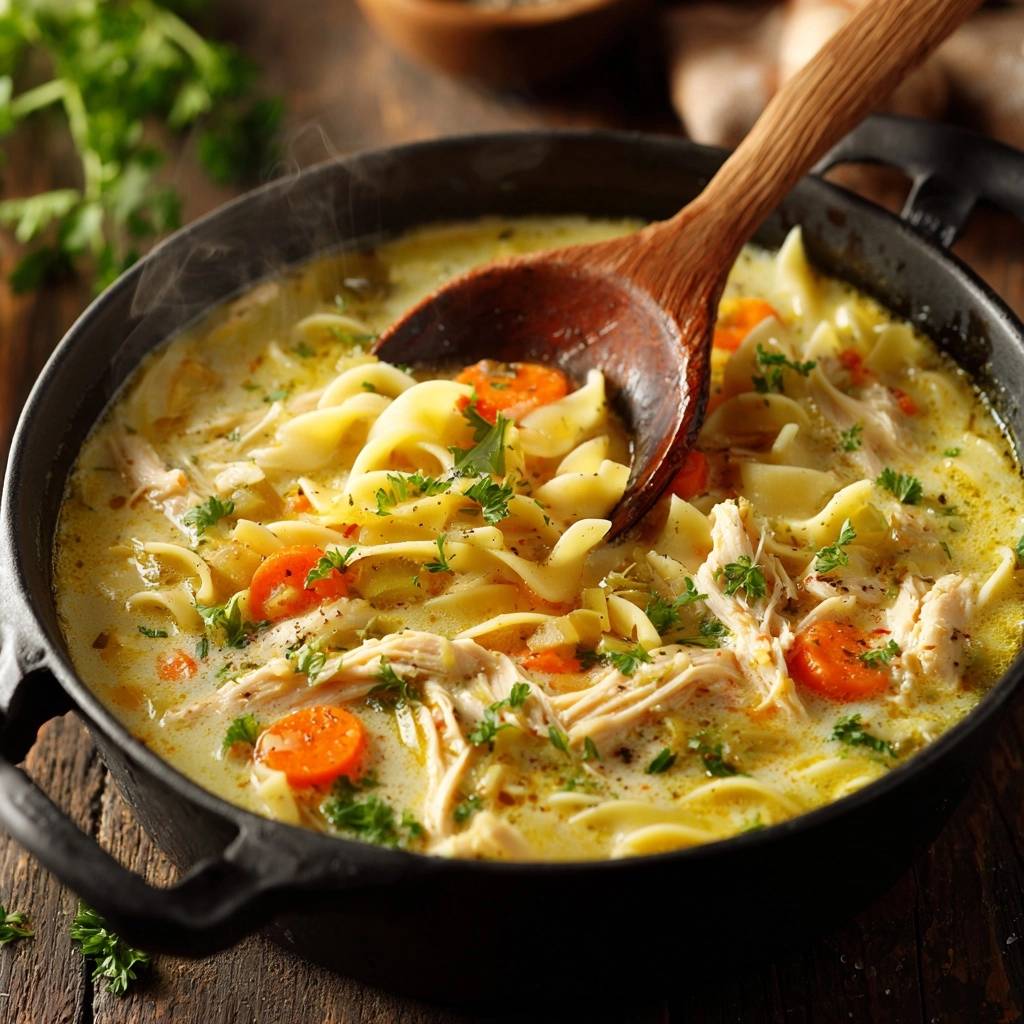
The secret to a truly professional Creamy Homestyle Chicken Noodle Soup lies in the balance between a silky, opaque broth and perfectly al dente pasta. By moving away from thin, watery stocks and embracing a cream-enriched base, you create a dish that feels like a luxury meal rather than a canned afterthought. This recipe focuses on a specific “staggered-simmer” technique that protects the integrity of your ingredients while building deep, complex flavors in under an hour.
I’ve found that the biggest mistake people make is treating the noodles as an afterthought by boiling them until they’re soft. Instead, the secret is to undercook the noodles by exactly three minutes during the initial boil. This allows them to finish softening in the residual heat of the cream and broth, ensuring they hold their shape and bite even after they hit the table.
The Anatomy of a Non-Soggy Noodle
To understand why soup often goes wrong, we have to look at starch. When you boil noodles in broth, they release starches that naturally thicken the liquid, which is great for texture but dangerous for the noodle’s structure. If you cook them all the way through in the pot, they continue to hydrate and swell as the soup sits, leading to that dreaded “mushy” mouthfeel.
The staggered-simmer method is superior because it uses that released starch to create a natural, roux-like thickness without the need for heavy flour. By timing the pasta to finish in a cooler, cream-based environment, you slow down the water absorption. This results in a broth that clings to the noodle rather than being sucked into it, preserving the flavor and the “bite” of the egg noodles.
Essential Components for a Richer Broth
A great soup is only as good as its foundation, and for this recipe, that means choosing high-quality chicken bone broth. Unlike standard stock, bone broth is simmered longer to extract collagen, which provides a velvety mouthfeel and a richer protein profile. When combined with the heavy cream, it creates a luxurious, opaque finish that looks as good as it tastes.
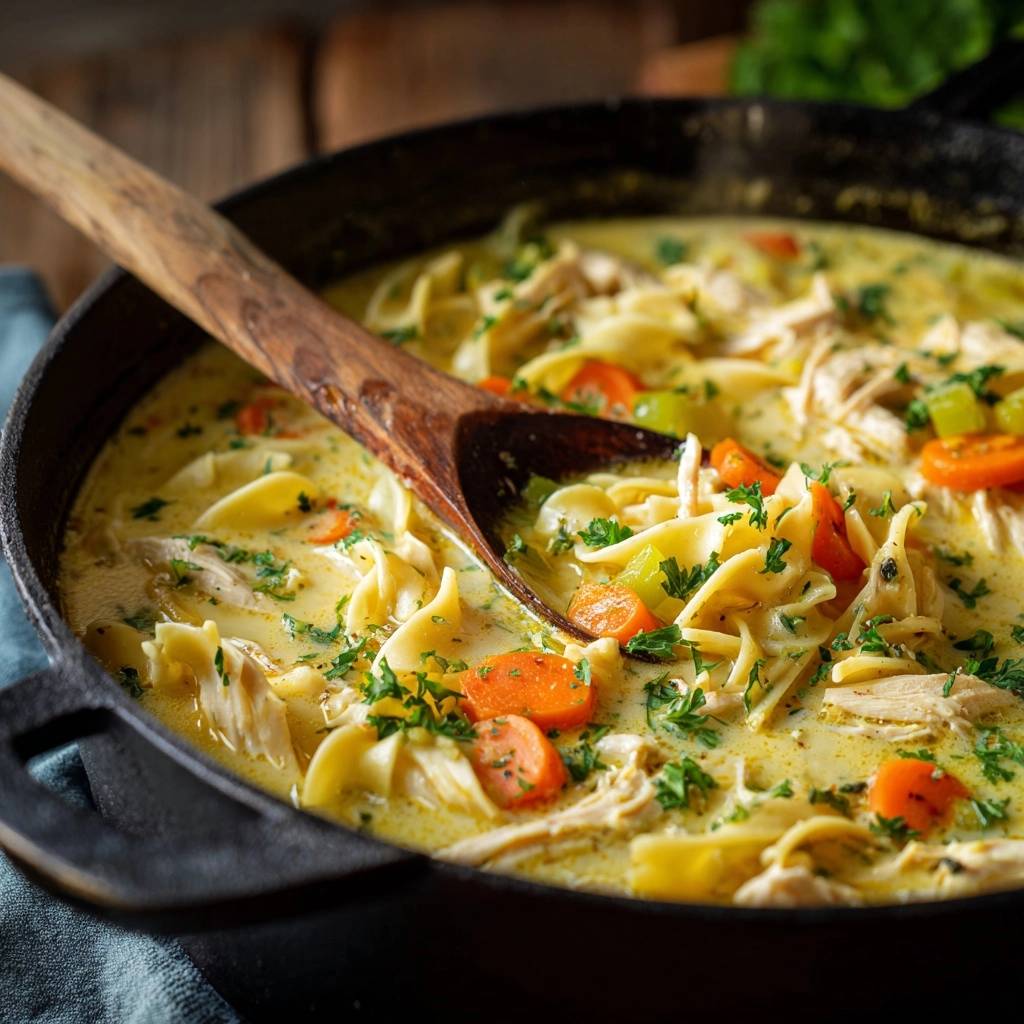
The flavor starts with a classic mirepoix—a blend of carrots, celery, and onion. These vegetables provide the aromatic backbone of the dish. I always recommend using unsalted butter for the initial sauté. This gives you total control over the sodium levels, allowing you to season the soup at the very end to highlight the sweetness of the carrots and the earthiness of the herbs.
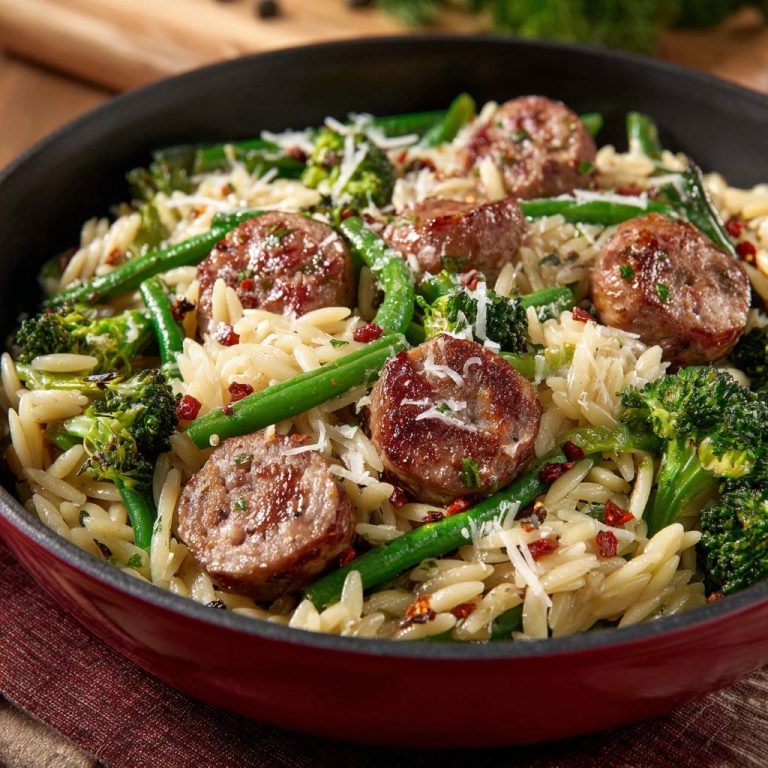
If you enjoy working with a heavy cream base, you’ll love the rich sauce in this creamy chicken fettuccine alfredo.
Selecting the Right Poultry
While using a rotisserie chicken is a fantastic time-saver that adds a lovely roasted depth, the type of meat you choose matters. Breast meat stays lean and clean in the broth, while thigh meat offers a more succulent, fatty texture. Regardless of what you choose, the key is to add the shredded chicken at the very end of the process. Since the meat is already cooked, you only want to warm it through; overcooking it in the boiling broth will turn the chicken stringy and dry.
The Role of Heavy Cream and Aromatics
Heavy cream does more than just add calories; it acts as a thermal and structural insulator. The fats in the cream coat the exterior of the egg noodles, creating a slight barrier that prevents them from over-hydrating too quickly. This is why we add the cream after reducing the heat. For the herbs, the combination of dried thyme and oregano provides a nostalgic, savory base, while fresh curly parsley added at the finish provides a bright, grassy pop of color and flavor.
Step-by-Step: Executing the Staggered-Simmer Method
Success with this soup is all about the clock. You want to move through the stages with intention, ensuring each ingredient is treated with the right amount of heat. From the first sizzle of the butter to the final stir of parsley, the entire process should feel controlled and aromatic.
Sautéing the Mirepoix for Maximum Flavor
Start by melting your butter and oil over medium heat. When you add your onions, carrots, and celery, you aren’t looking for a hard sear or browning. Instead, you want them to sweat. After about 8 to 10 minutes, the onions should be translucent and the carrots should just start to soften. When you add the garlic, keep it moving for only 60 seconds. Garlic burns quickly, and burnt garlic will infuse your entire creamy base with a bitter, acrid aftertaste.
The Precision Boil and Noodle Timing
Once your broth is in the pot, crank up the heat to a vigorous boil. This high energy is necessary to activate the starches in the egg noodles immediately. Follow the “Minus 3 Rule”—look at the pasta box and subtract three minutes from the lowest recommended cook time. If the box says 10 minutes, you are only boiling them for 7. This precision is what separates a soggy home soup from a chef-quality dish.
Tempering the Soup with Heavy Cream
After the timer goes off, immediately drop the heat to medium-low before pouring in your heavy cream. This prevents the dairy from “shocking” and curdling. Stir gently to incorporate the cream and the shredded chicken. You are looking for a gentle simmer here, where tiny bubbles just barely break the surface. A rolling boil at this stage can break the emulsion of the cream, leaving you with a greasy film rather than a silky broth.
Troubleshooting Common Soup Failures
If you find your soup has become too thick—perhaps the noodles were extra starchy—don’t panic. Simply whisk in a half-cup of warm broth or water to loosen the consistency. If the flavor feels “flat,” it usually needs a pinch more salt or a tiny splash of acidity, like a teaspoon of lemon juice, to wake up the savory notes. If you’ve accidentally over-salted the pot, adding an extra splash of heavy cream can help mellow out the saltiness.
Flavor Variations and Dietary Swaps
This recipe is incredibly versatile. If you need a gluten-free version, use wide gluten-free rice ribbons, but be sure to cook them separately as they release much more starch than egg noodles. For a dairy-free richness, a full-fat cashew cream works beautifully as a substitute for heavy cream. You can also add a half-teaspoon of turmeric if you prefer that classic “golden” glow often seen in traditional deli soups.
Equipment: Why a Heavy-Bottomed Pot Matters
Using a Dutch oven or a heavy-bottomed stockpot is non-negotiable for creamy soups. Thin-walled pots create “hot spots” where the cream can scorch or the noodles can stick to the bottom and burn. A heavy pot distributes heat evenly, which is essential during the final simmering phase when the soup is at its thickest and most vulnerable to burning.
Make-Ahead Strategies and Storage Logic
If you are meal prepping, the “no mush” promise requires one specific change: do not cook the noodles in the soup. Instead, boil the noodles separately in water, toss them in a little olive oil, and store them in a container. Store the creamy broth and vegetable base in a different container. When you’re ready to eat, combine them in a bowl and heat. This prevents the noodles from sitting in liquid for hours or days.
Freezing Cream-Based Soups
Freezing dairy can be tricky because the cream often separates and becomes grainy upon thawing. If you plan to freeze this soup, I recommend stopping before adding the cream and noodles. Freeze the broth and vegetable base. When you’re ready to serve, bring the base to a boil, add your noodles, and finish with fresh cream for a “just-made” texture.
Optimal Pairings for a Homestyle Meal
To balance the richness of the heavy cream, serve this soup with something that has a bit of crunch or acidity. A thick slice of toasted sourdough is perfect for dipping into the silky broth. Alternatively, a side salad of arugula with a sharp lemon vinaigrette provides a peppery contrast that cuts through the savory fat of the chicken and cream.
Expert Tips for Professional Results
For the best garlic integration, use a microplane to grate the cloves directly into the pot; this ensures the garlic melts into the butter without leaving chunky bits. Always use fresh curly parsley rather than dried, as dried parsley loses its aromatic oils and ends up tasting like hay. Finally, always wait to do your final salt seasoning until the very end, as the broth concentrates as it simmers.
Frequently Asked Questions
Can I use dried parsley instead of fresh?
You can, but the flavor profile will change significantly. Fresh parsley adds a bright, clean finish that balances the heavy cream. Dried parsley is much more muted and won’t provide that same “pop” of freshness. If you must use dried, use only a third of the amount called for and add it earlier in the cooking process.
Why did my cream curdle when I added it?
Cream usually curdles due to temperature shock or high acidity. To prevent this, ensure you’ve lowered the heat from a boil to a low simmer before adding the dairy. You can also “temper” the cream by mixing a small amount of the hot broth into the cream container first to warm it up before pouring the whole mixture into the pot.
How do I reheat this without the noodles absorbing all the liquid?
When reheating, the noodles will naturally want to soak up more broth. The best method is to add a splash of extra chicken broth or water to the bowl before microwaving or heating on the stove. This replenishes the liquid lost during storage and keeps the consistency creamy rather than pasty.
Can I use frozen vegetables for the mirepoix?
Yes, you can use frozen peas or carrots in a pinch, but the texture will be softer. Frozen vegetables release more water, so you might miss out on the slight “snap” of a fresh carrot. If using frozen, add them toward the end of the sautéing phase so they don’t turn into mush during the long simmer.
What are the best noodles for this soup?
Wide egg noodles are the gold standard because their high egg content helps them stand up to the hot broth better than standard semolina pasta. If you can’t find egg noodles, sturdy shapes like rotini or fusilli are better choices than thin pastas like ditalini, which tend to disappear into the cream.
Chicken Noodle Soup
Course: Main CourseCuisine: AmericanDifficulty: easy6
servings15
minutes25
minutes380
kcal40
MinutesThis homestyle soup uses rotisserie chicken and heavy cream for a rich, velvety finish. By boiling the noodles directly in the broth for a specific time, the soup achieves a natural thickness without the pasta becoming gummy.
Ingredients
2 tablespoons unsalted butter
1 tablespoon olive oil
1 pound rotisserie chicken, shredded
3 large carrots, sliced into rounds
2 stalks celery, diced
1 medium yellow onion, finely chopped
6 cups high-quality chicken bone broth
1 cup heavy cream
8 ounces wide egg noodles
3 cloves garlic, minced
1 teaspoon dried thyme
1/2 teaspoon dried oregano
1/2 teaspoon black pepper
1/4 cup fresh curly parsley, chopped
Salt to taste
Directions
- Heat the butter and olive oil in a large heavy-bottomed pot or Dutch oven over medium heat. Add the onions, carrots, and celery. Saute for 8 to 10 minutes until the vegetables are tender and the onions are translucent.
- Stir in the minced garlic, dried thyme, and oregano. Cook for 1 minute until fragrant, being careful not to brown the garlic.
- Pour in the chicken broth. Increase heat and bring the liquid to a vigorous boil.
- To solve the mushy noodle problem, add the dry egg noodles to the boiling broth. Set a timer for exactly 3 minutes less than the package directions. Boiling the noodles directly in the broth allows them to release just enough starch to thicken the soup naturally without making it gummy.
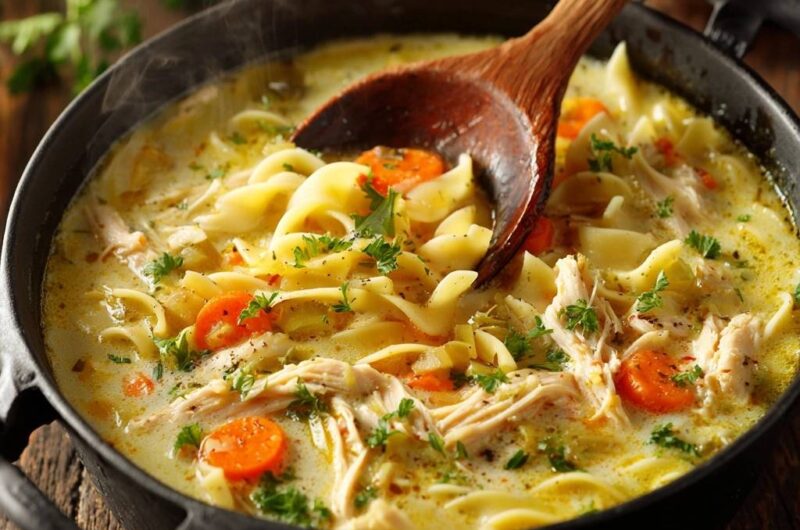
- Reduce the heat to medium-low. Stir in the shredded chicken and the heavy cream. The cream adds the velvety, opaque finish seen in the image and helps insulate the noodles from over-softening.
- Simmer gently for the final 2 to 3 minutes. Taste the broth and add salt and pepper as needed.
- Remove from heat immediately once the noodles reach an al dente bite. Stir in the fresh parsley.
- Serve immediately. If you plan on having leftovers, cook the noodles separately and add them to individual bowls to ensure they never lose their structure.
Notes
- To prevent noodles from softening in leftovers, cook them separately and add to individual bowls before serving.