Pineapple Glazed Salmon: Perfectly Juicy Every Time
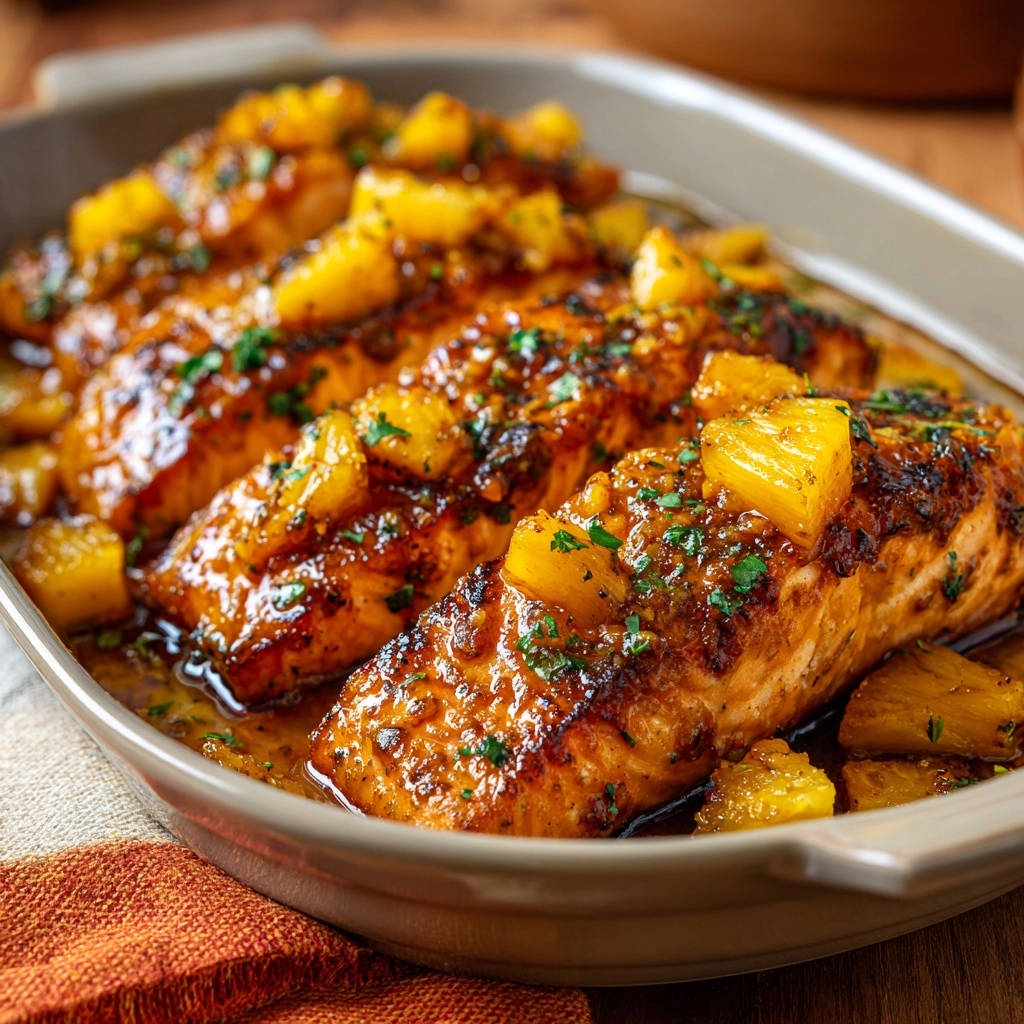
Have you ever prepared salmon for dinner, hoping for that flaky, moist perfection, only to find it turns out disappointingly dry? I’ve been there, and I know that frustration! But I finally cracked the code to consistently tender, juicy Pineapple Glazed Salmon, and I’m thrilled to share my secret: a vibrant, sweet-and-savory glaze that locks in moisture and explodes with tropical flavor.
Why This Pineapple Glazed Salmon Will Become Your New Go-To
The “Never Dry” Promise: Achieve Perfectly Tender Flakes
This recipe focuses on precise cooking times and crucial techniques that guarantee your salmon will emerge from the oven incredibly moist and tender. You’ll master the art of knowing exactly when your fish is done, ensuring a succulent result every single time.
Simplicity Meets Gourmet: Impress with Minimal Effort
Despite its gourmet taste, this Pineapple Glazed Salmon is surprisingly straightforward to prepare. With just a few simple steps and readily available ingredients, you can create a restaurant-quality meal without the fuss, perfect for both weeknights and special occasions.
A Flavor Symphony: Sweet, Tangy, and Irresistible
The star of this dish is undoubtedly the luscious pineapple glaze, a harmonious blend of sweet pineapple, tangy vinegar, savory soy, and aromatic ginger and garlic. This tropical glaze caramelizes beautifully, creating a vibrant finish that perfectly complements the rich flavor of the salmon.
Gather Your Essentials: The Flavorful Components
The Star of the Show: Fresh Salmon Fillets
Opt for high-quality salmon fillets, preferably wild-caught, for the best flavor and texture. Look for vibrant, moist flesh with no signs of discoloration.
Ensure your fillets are roughly uniform in thickness for even cooking. Patting them thoroughly dry is a non-negotiable step for achieving a perfect exterior.
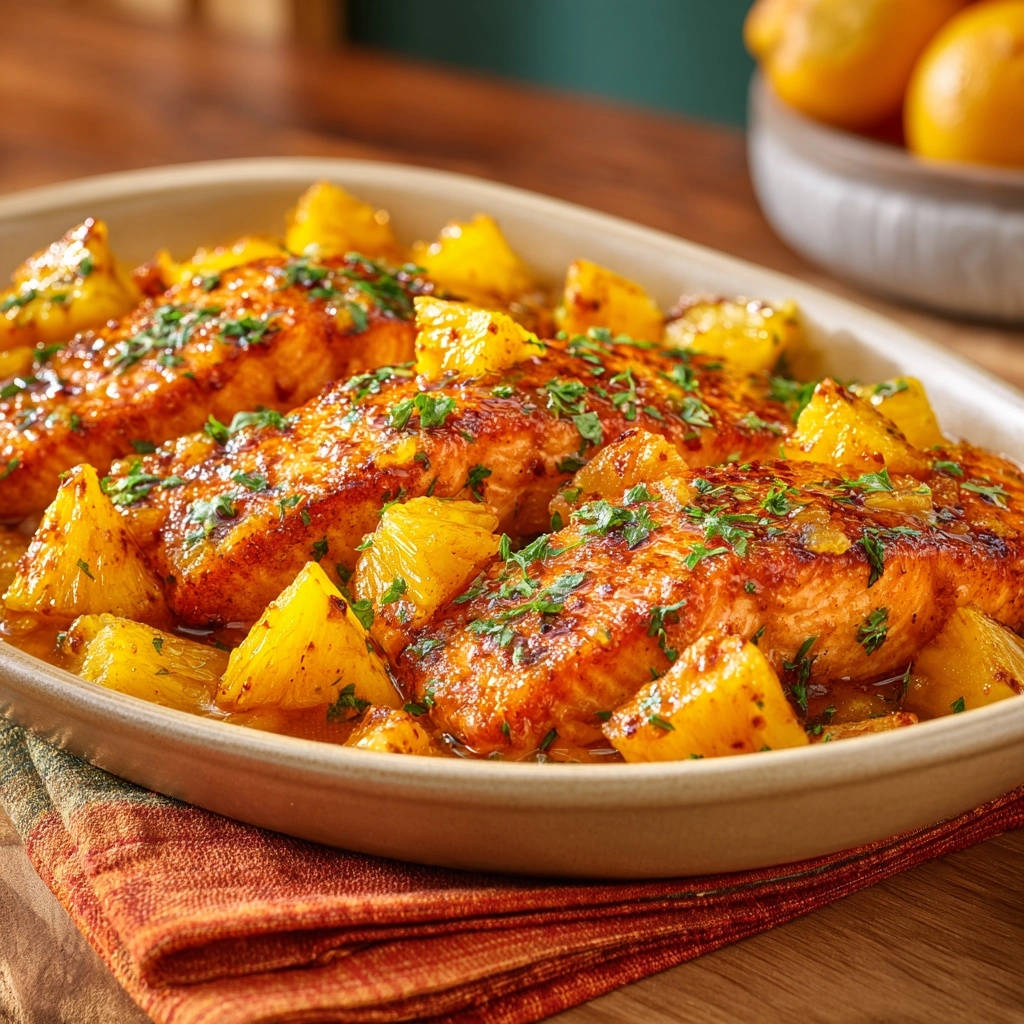
Crafting the Signature Pineapple Glaze
Our pineapple glaze balances sweet and savory with a bright tang. Packed light brown sugar provides deep sweetness, while soy sauce adds umami.
Rice vinegar lends a crucial brightness, cutting through the sweetness and enriching the overall flavor profile. Fresh minced garlic and grated ginger infuse an aromatic warmth.
Essential Seasonings & Fresh Finishing Touches
Olive oil helps the salmon achieve a beautiful sear and prevents sticking, while simple salt and black pepper enhance its natural taste. Fresh chopped parsley adds a burst of color and a fresh, herbaceous note at the end.
Ingredients for Pineapple Glazed Salmon
- 4 salmon fillets, approximately 6 ounces each
- 1 tablespoon olive oil
- 1/2 teaspoon salt
- 1/4 teaspoon black pepper
- 1 cup fresh or canned pineapple, diced and well drained
- 1/4 cup packed light brown sugar
- 2 tablespoons soy sauce
- 1 tablespoon rice vinegar
- 1 teaspoon minced garlic
- 1/2 teaspoon grated fresh ginger (optional)
- 1 tablespoon fresh parsley, chopped (for garnish)
Essential Tools for Your Salmon Success
Baking Dish: Choose one large enough to fit your salmon without overcrowding, ensuring even cooking and beautiful caramelization of the glaze.
Small Bowl & Whisk: Perfect for effortlessly combining your glaze ingredients until smooth, making sure all flavors are thoroughly incorporated.
Measuring Spoons & Cups: For precise ingredient amounts, crucial for consistent flavor in your pineapple glaze and overall seasoning.
Paper Towels: An often-overlooked but vital tool for patting salmon dry – this simple step is a game-changer for achieving a superior texture.
Crafting Your Pineapple Glazed Salmon: Step-by-Step Perfection
-
Prepare Your Oven & Dish:
Preheat your oven to 400 degrees Fahrenheit (200 degrees Celsius). Lightly grease a baking dish large enough to hold the salmon fillets without overcrowding. This ensures optimal heat circulation and prevents any delicate fish from sticking.
-
Whisk Up the Irresistible Glaze:
In a small bowl, whisk together the brown sugar, soy sauce, rice vinegar, minced garlic, and grated ginger (if using). Continue stirring until the brown sugar is fully dissolved and the mixture is perfectly smooth, creating an aromatic and cohesive glaze base.
-
Prepare & Season the Salmon:
Pat the salmon fillets thoroughly dry with paper towels. This crucial step removes surface moisture, which allows the fish to cook more evenly and helps seasonings adhere better. Rub each fillet generously all over with olive oil, then season uniformly with salt and black pepper.
-
Arrange in Baking Dish:
Place the seasoned salmon fillets skin-side down (if skin is on) or flat into your prepared baking dish. Arrange them with a small amount of space between each piece to allow for proper air circulation and even cooking.
-
Glaze and Pineapple Application:
Spoon about two-thirds of the prepared pineapple glaze mixture evenly over the top of each salmon fillet. Next, scatter the diced pineapple from your recipe around the salmon in the baking dish, which will caramelize as it bakes and add another layer of flavor.
-
Bake to Juicy Perfection:
Bake for 12 to 15 minutes, or until the salmon is just cooked through and flakes easily with a fork. The absolute key to avoiding dry salmon is to remove it from the oven precisely when it reaches this point; it should be opaque throughout but still appear wonderfully moist and tender.
-
Optional Broiling for Caramelization:
If you desire a more deeply caramelized glaze and slightly crispier edges on your Pineapple Glazed Salmon, you can briefly broil the salmon for 1 to 2 minutes after baking. It’s crucial to keep a very close eye on it during this step to prevent any burning, as the sugary glaze can brown extremely quickly.
-
The Essential Rest:
Remove the dish from the oven and let the salmon rest right in the baking dish for 5 minutes before serving. This vital resting period allows the internal juices to redistribute evenly throughout the fillets, ensuring an incredibly tender and moist result.
-
Garnish & Serve:
Garnish the cooked salmon with fresh chopped parsley immediately before serving to add a vibrant color and fresh aroma. Spoon the delicious pan juices and beautifully caramelized pineapple from the dish over each fillet for an extra burst of irresistible flavor.
Unlock More Flavor: Expert Tips for Pineapple Glazed Salmon
The Power of Patting Dry: Seriously, don’t skip drying your salmon fillets with paper towels! This removes excess moisture, allowing for superior seasoning adhesion and helping the salmon develop a beautiful, slightly crisp exterior as it cooks.
Don’t Overcook!: This is the absolute golden rule for moist, flaky salmon. Start checking for doneness at the 12-minute mark. Salmon is perfectly cooked when it easily flakes with a fork and is opaque throughout, but still looks juicy inside. An internal temperature of 145°F (63°C) is ideal.
Broiling for Brilliance: If you opt to use the broiler, never, ever walk away! Glazes, especially those with sugar, can go from perfectly golden to burnt in a matter of seconds. A quick minute or two is usually all you need for that extra caramelized sheen on your Pineapple Glazed Salmon.
The Importance of Resting: Just like a perfectly cooked steak, salmon benefits immensely from a brief rest after cooking. This brief pause allows the internal juices to redistribute, resulting in a significantly more tender and flavorful fish.
Fresh vs. Canned Pineapple: Both fresh and well-drained canned pineapple work beautifully for this recipe. If using canned, ensure it’s thoroughly drained to avoid introducing too much excess liquid into your glaze, which could thin it out.
Common Questions & Quick Fixes
Why Did My Salmon Turn Out Dry?
The most common culprit for dry salmon is simply overcooking. Keep a very close eye on your salmon and remove it from the oven as soon as it flakes easily with a fork. Investing in a quick-read meat thermometer to ensure it reaches an internal temperature of 145°F (63°C) can also prevent dryness.
My Glaze Isn’t as Thick or Sticky as I’d Like. What Happened?
This could be due to not reducing the glaze enough, or if you used pineapple with too much moisture. For a thicker glaze, you can gently simmer the remaining glaze in a small saucepan on the stovetop for a few minutes until it thickens slightly before spooning it over the cooked Pineapple Glazed Salmon.
How Do I Prevent My Salmon from Sticking to the Baking Dish?
Ensure your baking dish is very well-greased before placing the salmon fillets. Alternatively, using parchment paper or a silicone baking mat is an excellent way to guarantee easy release and minimal cleanup, ensuring your beautiful fish stays intact.
What to Serve with Your Glazed Salmon
Classic Pairings for a Balanced Meal
Steamed Asparagus or Green Beans: Their crisp texture and mild, fresh flavor perfectly complement the rich and sweet salmon. For an easy and vibrant side, try our recipe for Crispy Baked Asparagus.
Jasmine or Brown Rice: A simple, fluffy base provides an ideal canvas to soak up all the delicious pan juices and tropical glaze, completing the meal.
Lighter Sides for a Fresh Feel
Quinoa Salad with Fresh Herbs: Adds a nutty flavor and satisfying chew, alongside a boost of plant-based protein, for a lighter yet filling option.
Simple Garden Salad: A light, vinaigrette-dressed garden salad offers a refreshing and cleansing contrast to the sweet and savory glaze.
Adventurous Complements
Coconut Rice: Enhances the tropical notes of the pineapple glaze, creating a cohesive and exotic flavor profile. It’s surprisingly easy to make!
For a perfect pairing, try our Pineapple Glazed Salmon: Moist, Flaky Perfection.
Roasted Sweet Potatoes or Broccoli: Adds an earthy depth and a lovely caramelization to the plate, providing a hearty and nutritious accompaniment.
Another fantastic choice would be our Skillet Street-Style Corn, offering a smoky, zesty counterpoint to the sweet salmon.
For another way to enjoy that pineapple kick, try these sweet and spicy pineapple wings.
Storing & Prepping for Future Feasts
How to Store Leftover Pineapple Glazed Salmon
Store any leftover cooked Pineapple Glazed Salmon in an airtight container in the refrigerator for up to 2-3 days. Reheat gently in the microwave on a low setting or in a warm oven until just heated through, being careful not to overcook and dry it out.
Can You Make the Pineapple Glaze Ahead?
Absolutely! The entire pineapple glaze mixture can be prepared up to 2-3 days in advance and stored in an airtight container in the refrigerator. This convenient step makes for even quicker meal prep on a busy weeknight.
Freezing Cooked Salmon
While you can freeze cooked salmon, be aware that the texture may change slightly upon thawing, potentially becoming a bit drier. If freezing, wrap individual fillets tightly in plastic wrap, then in aluminum foil, and store in a freezer-safe bag for up to 1 month. Thaw in the refrigerator overnight before gently reheating.
Your Top Questions About Pineapple Glazed Salmon, Answered
Can I use frozen salmon fillets for this recipe?
Yes, you can use frozen salmon fillets! Just be sure to thaw them completely in the refrigerator overnight or by submerging them in cold water before you begin cooking. It’s crucial to then pat them very dry before proceeding with the recipe, as excess moisture from frozen salmon can affect both texture and cooking time.
Is fresh or canned pineapple better for the glaze?
Both fresh and well-drained canned pineapple work wonderfully for this recipe. Fresh pineapple often offers a slightly brighter, more vibrant flavor and texture. Canned pineapple, on the other hand, is incredibly convenient and consistently sweet, making it an excellent pantry staple. Choose what’s easiest and most accessible for you!
What if I don’t have rice vinegar?
While rice vinegar offers a distinct mild tang that truly complements the other flavors, you can substitute it with apple cider vinegar or white wine vinegar in a pinch. Start with slightly less than the called-for amount and taste as you go, as their acidity levels can vary and you want to maintain that perfect balance for your Pineapple Glazed Salmon.
Can I make this Pineapple Glazed Salmon spicier?
Absolutely! To add a delightful kick to your Pineapple Glazed Salmon, consider incorporating a pinch or two of red pepper flakes directly into the glaze mixture. For a more modern and pronounced heat, a dash of sriracha can also be added. Adjust the amount to suit your personal preference for spice.
Is this recipe gluten-free?
Yes, as written, this Pineapple Glazed Salmon recipe is naturally gluten-free! However, if you have a strict gluten intolerance or allergy, always ensure that your soy sauce is certified gluten-free. Many brands offer Tamari, which is a fantastic gluten-free alternative to traditional soy sauce.
Ready to Dive In? Share Your Pineapple Glazed Salmon Creation!
You now have all the tools, expert knowledge, and detailed steps to confidently create a truly unforgettable Pineapple Glazed Salmon. This recipe isn’t just about cooking a meal; it’s about mastering a technique that guarantees tender, juicy results every single time, transforming a simple ingredient into a gourmet experience that will impress anyone.
What to Serve with Pineapple Glazed Salmon
If you’re planning a meal around this salmon, a few extra dishes can round it out without stealing the show. Try a cool, crunchy salad or a warm fruit side that echoes the pineapple notes.
- A Sweet and Spicy Chicken Salad brings a crisp contrast to the rich salmon, with a tangy dressing that cuts through the glaze.
- For a simple sweet finish, Caramelized Brown Sugar Pineapple Bites double down on the tropical flavor and make a fun side or dessert.
We’d absolutely love to see your culinary triumphs! Share your photos and experiences with this incredible salmon in the comments below, or tag us on social media. Happy cooking and enjoy every delicious bite!
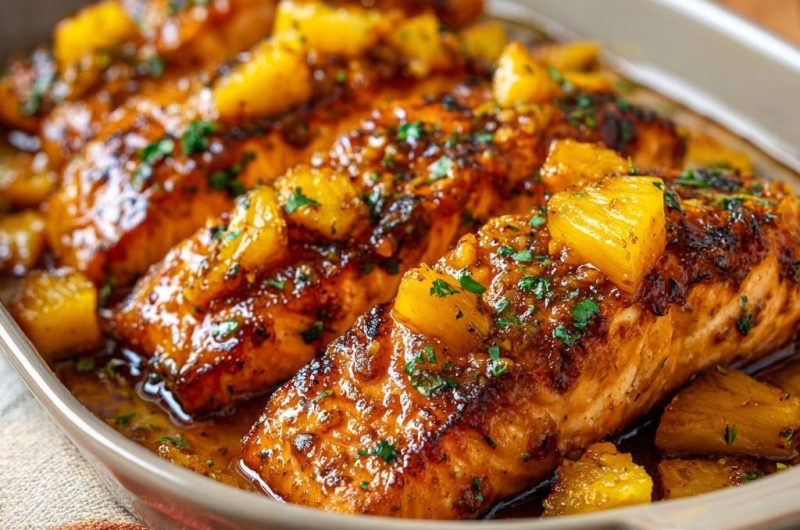
Pineapple Glazed Salmon
Course: Main CourseCuisine: AsianDifficulty: easy4
servings15
minutes15
minutes450
kcal35
minutesAchieve perfectly tender, juicy salmon every time with this simple and delicious pineapple glaze recipe. Say goodbye to dry salmon and enjoy a sweet and savory meal that’s incredibly easy to make.
Ingredients
4 salmon fillets, approximately 6 ounces each
1 tablespoon olive oil
1/2 teaspoon salt
1/4 teaspoon black pepper
1 cup fresh or canned pineapple, diced and well drained
1/4 cup packed light brown sugar
2 tablespoons soy sauce
1 tablespoon rice vinegar
1 teaspoon minced garlic
1/2 teaspoon grated fresh ginger (optional)
1 tablespoon fresh parsley, chopped (for garnish)
Directions
- Preheat your oven to 400 degrees Fahrenheit (200 degrees Celsius). Lightly grease a baking dish large enough to hold the salmon fillets without overcrowding.
- In a small bowl, whisk together the brown sugar, soy sauce, rice vinegar, minced garlic, and grated ginger (if using) to create your glaze.
- Pat the salmon fillets thoroughly dry with paper towels. This is important for even cooking and seasoning. Rub each fillet all over with olive oil, then season generously with salt and black pepper.
- Place the seasoned salmon fillets skin-side down (if skin is on) or flat into your prepared baking dish.
- Spoon about two-thirds of the pineapple glaze mixture evenly over each salmon fillet. Scatter the diced pineapple around the salmon in the dish.
- Bake for 12 to 15 minutes, or until the salmon is just cooked through and flakes easily with a fork. The key to avoiding dry salmon is to remove it from the oven as soon as it reaches this point. It should be opaque throughout but still look wonderfully moist.
- If you desire a more caramelized glaze, you can briefly broil the salmon for 1 to 2 minutes after baking, keeping a very close eye on it to prevent burning.
- Remove the dish from the oven. Let the salmon rest in the baking dish for 5 minutes before serving. This allows the juices to redistribute, ensuring a tender and juicy result.
- Garnish with fresh chopped parsley and serve warm with the delicious pan juices and pineapple.
Notes
- Key to juicy salmon: avoid overcooking and as soon as it flakes, let it rest for 5 minutes.