Pistachio Herb Ravioli: Tender Bites, Never Gummy!
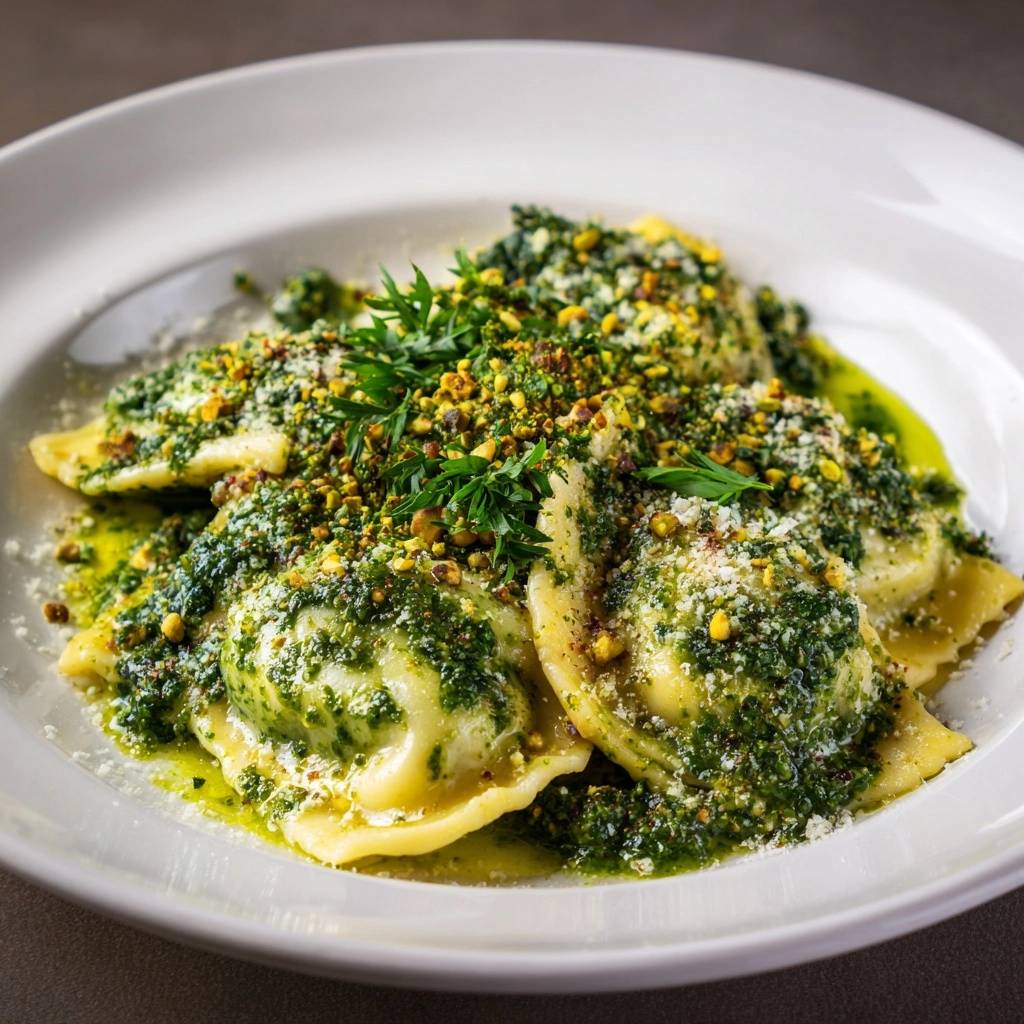
There’s nothing quite like a perfectly cooked plate of ravioli, but who hasn’t faced the disappointment of a sticky, gummy mess? For years, I perfected my technique to ensure every bite of homemade pasta was tender yet firm. This Pistachio Herb Ravioli recipe is my secret weapon, guaranteed to deliver that satisfying al dente texture every time, paired with a vibrant, unforgettable sauce.
Unlock the Secret to Flawless Pistachio Herb Ravioli Every Time
This recipe isn’t just about delicious flavors; it’s about mastering the art of cooking ravioli without the common pitfalls. We tackle the biggest pasta challenge head-on, ensuring your dish is consistently perfect.
Say Goodbye to Gummy Pasta Forever
Overcooked pasta is the culprit behind gummy ravioli. Our method focuses on precise cooking times and techniques to prevent sticking and maintain that desirable al dente bite.
You’ll learn how to perfectly salt your pasta water and ensure rapid, even cooking for a truly tender, non-gummy result.
A Burst of Fresh Flavor in Every Bite
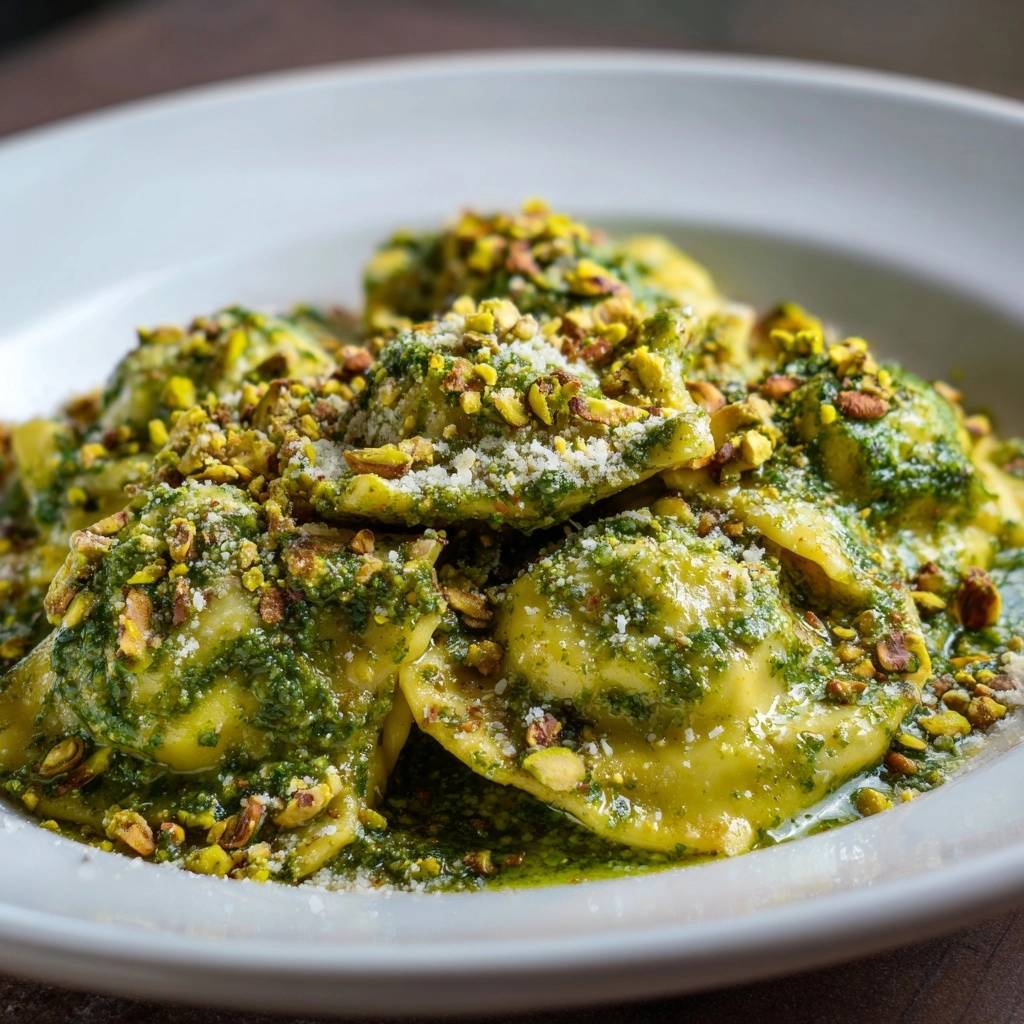
The star of this dish, beyond the perfectly cooked pasta, is the vibrant pistachio herb sauce. It’s a fresh, bright blend of aromatic basil, rich pistachios, and zesty lemon.
This unique combination offers a sophisticated yet comforting flavor profile that will delight your palate.
Impressively Easy, Delightfully Delicious
Despite its gourmet appeal, this recipe is incredibly straightforward. It’s designed for home cooks who want to create restaurant-quality pasta without the fuss.
With clear, actionable steps, you’ll feel confident creating this stunning meal.
The Heart of the Dish: Ingredients for Your Vibrant Ravioli
Selecting the right ingredients is fundamental to achieving exceptional flavor and texture. Quality matters, especially when dealing with fresh herbs and pasta.
For the Perfect Ravioli Base
Fresh or Frozen Cheese Ravioli: The choice impacts cooking time but not necessarily quality. Fresh ravioli offers a delicate texture and cooks incredibly fast, while frozen is a convenient option that delivers excellent results when handled correctly.
Crafting the Signature Pistachio Herb Sauce
Fresh Basil Leaves: Use a large, packed bunch for maximum aromatic impact. Freshness is key here for the vibrant green color and pungent flavor of the sauce.
Shelled Pistachios: Provide a unique nutty flavor and a delightful texture. Reserve some for garnish to add an appealing crunch.
Grated Parmesan Cheese: Adds a salty, umami depth to the sauce and helps with emulsification. Always opt for freshly grated for superior flavor.
Garlic Cloves: Two cloves are perfect for a subtle warmth that enhances the herbs without overpowering them.
Lemon Juice: A squeeze of fresh lemon juice brightens all the flavors, cutting through the richness and adding a crucial acidic lift.
Essential Flavor Enhancers and Garnishes
Extra Virgin Olive Oil: The base for your sauce, providing richness and helping to carry the herbaceous notes. Choose a good quality, fruity oil.
Salt and Freshly Ground Black Pepper: Seasoning is paramount. Taste and adjust liberally to ensure every component of the dish is perfectly balanced.
Fresh Parsley or Small Herb Sprigs: Used as a final garnish, they add a touch of color, freshness, and another layer of aromatic appeal to your plated dish.
Essential Kitchen Gear for a Seamless Ravioli Experience
Having the right tools makes the cooking process smoother and helps ensure perfect results. These are the essentials you’ll need.
The Power of a Food Processor
A food processor is indispensable for creating the smooth yet textured pistachio herb sauce. It quickly processes the ingredients, ensuring a consistent emulsion.
This tool saves time and yields a superior sauce texture compared to hand-chopping.
Mastering the Boil: Pot and Utensils
A very large pot is crucial for boiling ravioli. It allows ample space for the pasta to move freely, preventing sticking and ensuring even cooking.
A slotted spoon or spider is essential for gently transferring delicate ravioli from the boiling water to the sauce without damaging them or losing too much starchy pasta water.
Skillet and Serving Essentials
A large skillet or pan is needed to gently warm the sauce and combine it with the cooked ravioli. Its wide surface area ensures even coating.
Don’t forget your favorite serving dishes to beautifully present your culinary creation.
Your Step-by-Step Journey to Perfect Pistachio Herb Ravioli
Whip Up Your Vibrant Pistachio Herb Sauce
Begin by combining the fresh basil, 1/2 cup shelled pistachios, 1/2 cup Parmesan cheese, garlic cloves, and lemon juice in your food processor. Pulse a few times until the ingredients are finely chopped but still retain some texture.
With the processor running, slowly drizzle in the 1/2 cup of extra virgin olive oil. This slow addition is key to emulsifying the sauce, creating a smooth consistency that still features delightful pistachio bits. Season generously with salt and black pepper, tasting to ensure perfect balance.
Prepare Your Pasta’s Perfect Bath: The Salty Boil
Bring a very large pot of water to a vigorous, rolling boil. This abundant, rapidly boiling water is absolutely critical for preventing ravioli from sticking and cooking evenly.
Add a generous amount of salt to the water, making it taste like the sea. Salting the water flavors the ravioli from the inside out, rather than just coating it, and further aids in preventing sticking. It’s a non-negotiable step for truly flavorful pasta.
Cook the Ravioli to Al Dente Perfection (No Gummy Bites!)
Carefully add the ravioli to the rapidly boiling, salted water. Crucially, do not overcrowd the pot; cook in batches if necessary to maintain a strong boil. Overcrowding drops the water temperature and leads to gummy pasta.
Fresh ravioli cooks incredibly quickly, typically 2-4 minutes. Keep the water at a steady, strong boil and cook only until the ravioli float to the surface and are tender but still have a slight firmness to the bite-this is the coveted al dente texture. Taste one to verify doneness, as overcooking is the primary cause of mushy, gummy pasta.
Marry the Ravioli with Its Flavorful Sauce
While the ravioli cooks, gently warm your pistachio herb sauce in a large skillet or pan over low heat. You want it just warm, not sizzling hot, to best receive the pasta.
Once the ravioli is perfectly cooked, resist the urge to drain it in a colander. Instead, use a slotted spoon or spider to transfer the ravioli directly from the boiling water into the skillet with the warmed sauce. This vital technique allows some of the starchy pasta water to transfer with the ravioli, which helps the sauce cling beautifully and create a silky, emulsified coating.
Gently Toss and Adjust Consistency
Gently toss the ravioli with the sauce until each piece is evenly coated. Be delicate to avoid breaking the ravioli.
If the sauce appears too thick, add a tablespoon or two of the reserved pasta cooking water, stirring gently, until it reaches your desired silky consistency. This starchy water is your friend for achieving a luscious sauce.
For a perfect pairing, try our Fresh Mint Pistachio Pesto: Bright, Zesty & Versatile.
The Grand Finale: Garnish and Savor
Plate the ravioli immediately, serving it hot. Warm pasta absorbs sauce best and offers the ideal texture.
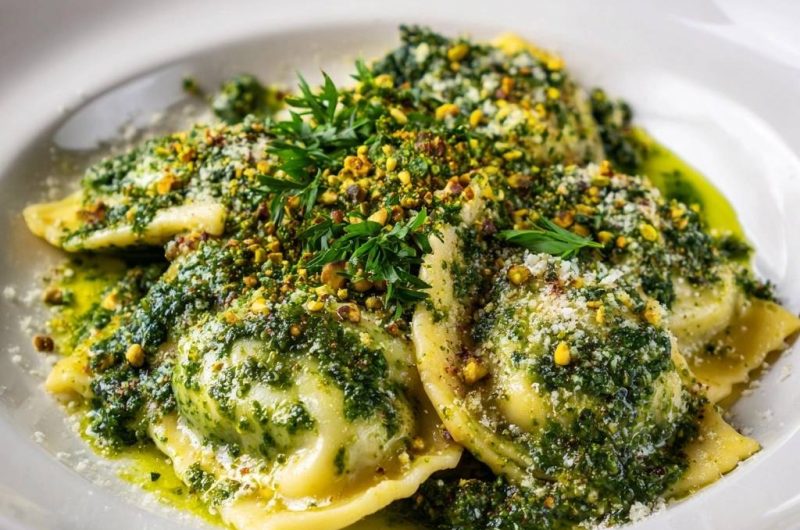
Sprinkle generously with additional grated Parmesan cheese and the reserved 2 tablespoons of crushed pistachios for extra crunch and a visual appeal. Garnish with fresh parsley or small herb sprigs to add a final burst of color and freshness. Savor that perfect, non-gummy texture!
Chef’s Secrets: Elevating Your Pistachio Herb Ravioli to New Heights
These expert tips will transform your dish from delicious to truly exceptional, adding depth and finesse.
The Magic of Pasta Water: Your Secret Emulsifier
The cloudy, starchy water left after cooking pasta is gold. Its starch content helps bind oil and water, creating a velvety, clingy sauce that adheres perfectly to your ravioli. Always reserve some!
Choosing Your Ravioli: Fresh vs. Frozen
Fresh ravioli offers a more delicate texture and cooks in minutes, ideal for a quick meal. Frozen ravioli is convenient, but often thicker, requiring slightly longer cooking times and careful monitoring for doneness.
Boosting Nut Flavor: Toasting Pistachios
For a deeper, more robust flavor profile, lightly toast the shelled pistachios in a dry skillet over medium-low heat for 3-5 minutes before adding them to the sauce. This simple step unlocks their full potential.
Herb Harmony: Customizing Your Pesto
While basil is classic, feel free to experiment with other complementary herbs. A small handful of fresh mint, a touch of vibrant parsley, or even a handful of baby spinach can add interesting layers of flavor and color to your sauce.
Lemon Zest for Extra Zing
Beyond the juice, incorporate a little lemon zest into your sauce. The zest contains essential oils that offer an even brighter, more aromatic citrus note, enhancing the overall freshness of the dish.
Common Pitfalls & Quick Fixes for Your Ravioli Masterpiece
Even experienced cooks encounter issues. Here are solutions to common ravioli challenges, ensuring your dish is always a success.
My Ravioli is Gummy or Sticky!
This is often due to overcrowding the pot, insufficient salt in the water, or overcooking. Ensure your pot is large enough, the water is generously salted like the sea, and you cook the ravioli just until al dente, usually 2-4 minutes for fresh.
The Sauce Isn’t Clinging to the Ravioli
If your sauce is too thin or doesn’t coat the ravioli well, add another tablespoon or two of the reserved starchy pasta water. The starch will help bind the sauce to the pasta. A tiny drizzle of fresh olive oil while tossing can also help re-emulsify it.
The Sauce Tastes Bland or Lacks Punch
Always taste and adjust seasoning! Add more salt, freshly ground black pepper, or a squeeze of lemon juice to brighten the flavors. A pinch of red pepper flakes can also add a subtle warmth if you desire a little kick.
Ravioli Broke Apart During Cooking
This can happen if the water is boiling too aggressively, or if the ravioli are very delicate and fresh. Reduce the boil to a gentle simmer after adding the ravioli, and handle them very gently with a slotted spoon. Cooking in smaller batches also reduces stress on the pasta.
Serving Suggestions: Perfect Pairings for Your Pistachio Herb Ravioli
Enhance your meal by pairing this delightful ravioli with complementary sides and beverages. These suggestions elevate the entire dining experience.
Ideal Side Dishes to Complete the Meal
A simple, crisp green salad with a light vinaigrette perfectly complements the richness of the ravioli. Crusty garlic bread is always a welcome addition for soaking up any extra sauce.
Roasted asparagus or blanched green beans with a lemon drizzle also offer a fresh, seasonal counterpoint.
Drink pairing for an Elevated Experience
For a perfect drink pairing, consider a crisp, unoaked white grape juice. A sparkling grape juice beautifully highlights the herbaceous notes and lemon in the sauce.
A Vermentino or sparkling grape juice would also be excellent choices, offering refreshing acidity that balances the dish.
Creative Variations for a Twist
To customize your Pistachio Herb Ravioli, try adding blistered cherry tomatoes for a burst of sweetness and acidity. Sautéed spinach or kale can also be folded in for extra greens.
For a heartier meal, grill some shrimp or chicken breast and slice it over the finished dish, or even stir in some pan-seared mushrooms.
Planning Ahead: Make-Ahead & Storage Solutions
Thoughtful meal prep can make weeknight dinners a breeze. Here’s how to manage your Pistachio Herb Ravioli for maximum convenience and freshness.
Making the Pistachio Herb Sauce in Advance
The pistachio herb sauce can be prepared up to 2-3 days ahead of time. Store it in an airtight container in the refrigerator, with a thin layer of olive oil on top to prevent oxidation and maintain its vibrant green color.
Simply give it a good stir before gently warming it when you’re ready to cook the ravioli.
Storing Leftover Pistachio Herb Ravioli
Leftovers should be stored in an airtight container in the refrigerator for up to 2-3 days. While delicious, the ravioli’s texture will soften slightly upon cooling and reheating.
Reheating for Optimal Texture and Flavor
To reheat, gently warm the ravioli in a skillet over low heat, adding a splash of broth or water to loosen the sauce and prevent drying. Avoid microwaving if possible, as it can make the pasta rubbery.
Reheat just until warmed through, tossing gently to preserve the ravioli’s integrity.
Pistachio Herb Ravioli: Your Top Questions Answered
Can I Use Dried Ravioli Instead of Fresh or Frozen?
Yes, you can use dried ravioli, but be aware that cooking times will be significantly longer (check package instructions). The overall texture might be slightly firmer than fresh, but it will still be delicious with this sauce.
What if I Don’t Have a Food Processor?
You can still make the sauce! Finely chop the basil, pistachios, and garlic by hand. Then, combine with Parmesan, lemon juice, and slowly whisk in the olive oil until well combined. It will have a coarser texture but be equally flavorful.
Is This Recipe Suitable for a Vegetarian Diet?
Absolutely! This Pistachio Herb Ravioli recipe is inherently vegetarian, relying on cheese ravioli and plant-based ingredients for its rich flavor profile.
Can I Freeze the Pistachio Herb Sauce?
Yes, the sauce freezes beautifully. Store it in an airtight container or ice cube trays for individual portions for up to 2-3 months. Thaw in the refrigerator overnight before gently warming.
How Can I Make This Recipe Gluten-Free?
Simply use your favorite brand of gluten-free cheese ravioli. The sauce itself is naturally gluten-free. Ensure you follow the package cooking instructions for the gluten-free ravioli, as times may vary.
Ready to Impress? Share Your Culinary Creation!
You now have all the tools and expertise to create an unforgettable Pistachio Herb Ravioli dish that banishes gummy pasta forever. The vibrant flavors and perfect texture are sure to make it a new favorite.
Don’t wait to try this incredibly rewarding recipe. Dive in, experiment, and most importantly, enjoy the process and the delightful results!
Pistachio Herb Ravioli
Course: Main CourseCuisine: ItalianDifficulty: easy4
servings10
minutes5
minutes650
kcal20
minutesSay goodbye to gummy pasta! This Pistachio Herb Ravioli recipe ensures perfectly cooked, tender ravioli every time, coated in a vibrant, clingy sauce. Impress yourself and your guests with this glorious pasta night dish.
Ingredients
1 pound fresh or frozen cheese ravioli
1 large bunch fresh basil leaves (about 2 cups packed)
1/2 cup shelled pistachios, plus 2 tablespoons for garnish
1/2 cup grated Parmesan cheese, plus more for garnish
2 cloves garlic, peeled
1/2 cup extra virgin olive oil
Juice of half a lemon
Salt and freshly ground black pepper to taste
Fresh parsley or small herb sprigs for garnish
Directions
- Prepare Your Pistachio Herb Sauce: In a food processor, combine the fresh basil, 1/2 cup shelled pistachios, 1/2 cup Parmesan cheese, garlic cloves, and lemon juice. Pulse several times until finely chopped. With the processor running, slowly drizzle in the 1/2 cup extra virgin olive oil until the sauce is smooth but still has some texture from the pistachios. Season generously with salt and black pepper to taste. Set aside.
- Boil Your Water (The Key to Perfect Pasta!): Bring a very large pot of water to a rolling boil. This is crucial for keeping your ravioli from sticking and ensuring even cooking. Add a generous amount of salt to the boiling water, it should taste like the sea. The salt flavors the pasta from the inside out and helps prevent sticking.
- Cook the Ravioli (No More Gummy Pasta!): Carefully add the ravioli to the rapidly boiling, salted water. Do not overcrowd the pot; cook in batches if necessary to maintain a strong boil. This is the critical step to avoid gummy pasta: Fresh ravioli cooks very quickly, typically 2-4 minutes. Keep the water at a steady boil and cook only until the ravioli float to the surface and are tender but still have a slight firmness to the bite (al dente). Taste one to check for doneness. Overcooking is the number one cause of gummy pasta.
- Combine Ravioli and Sauce: While the ravioli is cooking, gently warm your pistachio herb sauce in a large skillet or pan over low heat. Once the ravioli is perfectly cooked, do NOT drain it in a colander. Instead, use a slotted spoon or spider to transfer the ravioli directly from the boiling water into the skillet with the warmed sauce. This allows some of the starchy pasta water to transfer with the ravioli, which helps the sauce cling beautifully and create a silky, emulsified coating.
- Toss and Serve: Gently toss the ravioli with the sauce until each piece is evenly coated. If the sauce seems too thick, add a tablespoon or two of the reserved pasta cooking water, stirring gently, until it reaches your desired consistency.
- Garnish and Enjoy: Plate the ravioli immediately. Sprinkle generously with additional grated Parmesan cheese and the reserved 2 tablespoons of crushed pistachios for extra crunch and flavor. Garnish with fresh parsley or small herb sprigs. Serve hot and savor that perfect, non-gummy texture!
Notes
- Follow the boiling and transfer tips carefully for perfectly non-gummy, al dente ravioli every time.