Roasted Root Vegetables: Perfectly Crisp & Never Soggy
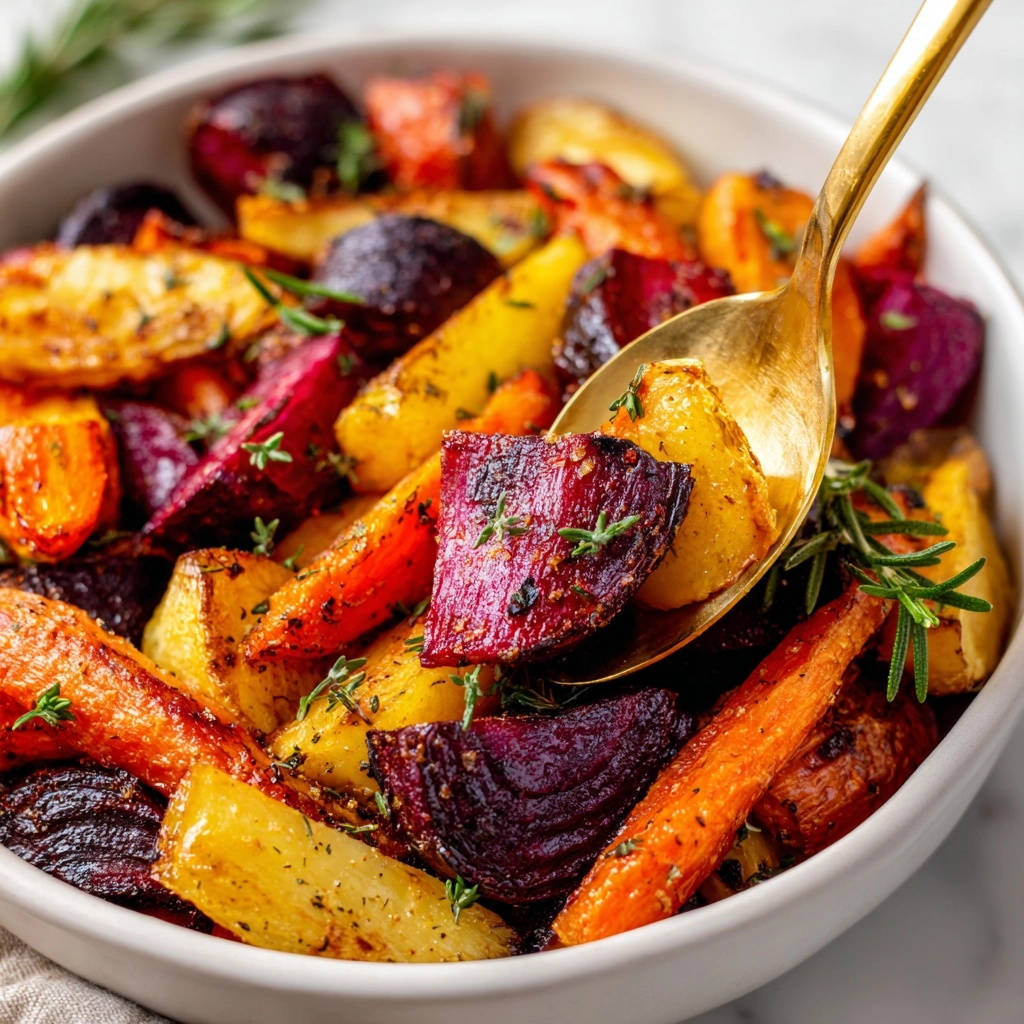
Who else has been there? You anticipate a beautiful batch of
Roasted Root Vegetables, only to pull a tray of lackluster, soggy disappointment from the oven. It’s a common culinary frustration, but I’ve developed a foolproof method that consistently delivers vibrant, tender-crisp roots, every single time.
This recipe for
Roasted Root Vegetables isn’t just easy; it’s a game-changer, ensuring deeply caramelized edges and a perfectly tender interior, transforming your veggie side dish into a star.
Why This Roasted Root Vegetables Recipe Will Change Your Dinner Game
Achieve the Elusive Tender-Crisp Perfection
The ideal
Roasted Root Vegetables boast a delicate balance: a tender, yielding interior contrasted by beautifully crisp, caramelized edges. This recipe masterfully achieves that coveted texture.
No more undercooked centers or overly soft exteriors. You’ll consistently achieve that satisfying bite and rich flavor.
Say Goodbye to Soggy Veggies Forever
Soggy roasted vegetables are a common culinary letdown, often resulting from excess moisture. Our technique directly addresses this pain point.
We implement a critical step that ensures proper caramelization over steaming, banishing mushy textures from your plate permanently.
If you are after that same crisp texture for other vegetables, these crispy roasted potatoes and carrots follow a similar approach.
Simple Steps, Spectacular Results
Despite the gourmet results, this recipe is remarkably straightforward, requiring minimal fuss for maximum flavor.
Even beginner cooks can follow these clear instructions to create impressive
Roasted Root Vegetables that taste like they came from a professional kitchen.
The Simple Ingredients for Irresistible Roasted Root Vegetables
Choosing Your Root Vegetable Medley
The foundation of outstanding
Roasted Root Vegetables begins with your selection.
Our recipe recommends carrots, beets, and potatoes for a classic, balanced mix of sweetness and earthiness.
However, feel free to substitute with parsnips, sweet potatoes, or turnips for varied flavors. Aim for similar densities when combining different roots.
The Aromatic Spice Blend: A Flavor Boost
A simple yet potent spice mix elevates your
Roasted Root Vegetables from good to extraordinary.
Olive Oil: The vehicle for flavor and heat transfer, essential for crisping and browning.
Salt & Black Pepper: Fundamental seasonings that enhance all natural flavors.
Garlic Powder: Provides a savory, aromatic depth without the risk of fresh garlic burning.
Dried Thyme & Rosemary: Classic, earthy herbs that complement root vegetables beautifully, infusing them with a comforting aroma.
Quality Matters: Selecting Fresh Produce
For the best
Roasted Root Vegetables, always choose firm, blemish-free produce.
Look for brightly colored carrots, firm potatoes without green spots, and beets that feel heavy for their size. Freshness directly impacts flavor and texture.
Your Kitchen Toolkit for Perfect Roasting
Having the right tools makes all the difference in achieving perfectly crisp
Roasted Root Vegetables.
Baking Sheets: The Foundation of Even Roasting
Large, heavy-duty baking sheets are crucial for successful roasting.
They provide ample surface area, which is vital for spreading vegetables in a single layer and preventing overcrowding.
The Unsung Hero: Parchment Paper
Parchment paper is a non-negotiable for easy cleanup and preventing sticking.
It also helps with even heat distribution, contributing to a more consistent roast and less burning.
Beyond the Basics: Other Helpful Gadgets
Essential tools like a sturdy vegetable peeler and a sharp chef’s knife make prep efficient and safe.
A large mixing bowl is also indispensable for evenly tossing vegetables with oil and seasonings.
Mastering the Art of Roasted Root Vegetables: Step-by-Step
- Preheat Your Oven and Prepare Your Pan:
Set your oven to 425F (220C) to ensure a hot roasting environment from the start.
Line a large baking sheet (or two, if necessary) with parchment paper to prevent sticking and aid in cleanup.
- Wash, Peel, and Uniformly Chop Your Root Vegetables:
Thoroughly wash and peel your chosen root vegetables like carrots, beets, and potatoes.
Chop them into roughly 1-inch pieces, aiming for uniformity to ensure they cook evenly and finish at the same time.
- The Golden Rule: Patting Dry for Ultimate Crispness:
This is the most critical step for achieving perfectly caramelized and non-soggy results.
Thoroughly pat all the chopped vegetables completely dry with paper towels, removing every bit of excess moisture.
Drier vegetables roast; wet vegetables steam, leading to a mushy texture.
- Flavor Infusion: Seasoning Your Roots to Perfection:
In a large bowl, combine the dried vegetables with olive oil, salt, black pepper, garlic powder, dried thyme, and dried rosemary.
Toss everything together until the vegetables are evenly coated with the oil and spices, ensuring every piece gets flavor.
- The Single Layer Secret: Preventing the Steam Trap:
Spread the seasoned vegetables onto your prepared baking sheet(s) in a single layer.
It’s crucial that the vegetables are not overcrowded; give them plenty of space to roast properly without steaming each other.
If your pan looks too full, do not hesitate to use a second baking sheet to prevent steaming.
- Roasting to Caramelized Glory: Heat and Time:
Roast for an initial 20 minutes in the preheated oven.
Carefully remove the sheet and flip the vegetables, ensuring even browning on all sides.
Continue roasting for another 15 to 25 minutes, or until they are fork-tender and beautifully caramelized with slightly crispy edges.
Remember that roasting time can vary depending on the specific vegetables, their size, and your oven’s calibration.
- The Perfect Finish: Serve Immediately:
Once roasted to perfection, remove from the oven and serve immediately to enjoy their optimal texture and flavor.
Chef’s Secrets: Elevating Your Roasted Root Vegetables Beyond Basic
Experimenting with Different Root Vegetables: Don’t limit yourself to just carrots and potatoes. Try parsnips, sweet potatoes, turnips, celeriac, or even radishes for diverse flavors and textures.
For a perfect pairing, try our Golden Roasted Potatoes and Onions: Perfectly Crisp & Tender.
Since you’re experimenting with root vegetables, have you tried rosemary glazed sweet potatoes with pineapple?
Herb & Spice Variations to Explore: Beyond the basic blend, consider adding smoked paprika for depth, a pinch of cayenne for a subtle kick, or fresh rosemary and thyme during the last 10 minutes of roasting for brighter flavors.
Adding Sweetness or Zest: Drizzle with a touch of maple syrup or honey halfway through roasting for extra caramelization, or finish with a squeeze of lemon or orange zest for a bright, fresh finish.
Don’t Overcrowd: The Roaster’s Mantra: Reiterate the importance of a single layer. Overcrowding is the biggest culprit for soggy vegetables; when in doubt, use a second tray.
The Power of a Hot Oven: Ensure your oven is fully preheated to the specified temperature. A hot oven is essential for quick browning and achieving that coveted crisp exterior.
Consider a Quick Blanch for Dense Roots: For very dense vegetables like large beets or sweet potatoes, a quick 5-minute blanch in boiling water before drying and roasting can help them cook through more evenly and prevent some pieces from remaining hard.
Troubleshooting Common Roasted Root Vegetable Woes
Why Are My Vegetables Still Soggy?
Soggy vegetables are usually a sign of too much moisture or overcrowding.
Ensure you’ve thoroughly dried your vegetables before tossing and spread them in a single layer with ample space on the baking sheet.
Double-check that your oven is fully preheated to the correct temperature, as a lower temperature can promote steaming.
My Roots Aren’t Caramelizing
Lack of caramelization often stems from insufficient heat or not enough time in the oven.
Make sure your oven is at the specified high temperature. Also, confirm the vegetables are patted dry, as moisture inhibits browning.
Sometimes, simply extending the roasting time slightly can make a huge difference in achieving those beautiful golden-brown edges.
Some Are Burnt, Others Raw!
Uneven cooking is typically due to inconsistent chopping or hot spots in your oven.
Strive for uniform 1-inch pieces so all vegetables cook at the same rate. If your oven has hot spots, rotate your baking sheet halfway through roasting.
Missing That ‘Wow’ Factor?
If your
Roasted Root Vegetables taste a bit flat, reassess your seasoning.
Ensure you’ve used enough salt and pepper. Consider adding fresh herbs like parsley or chives at the very end for a burst of freshness.
A final drizzle of good quality balsamic glaze or a squeeze of lemon juice can also brighten flavors considerably.
What to Serve with Roasted Root Vegetables
That tray of caramelized carrots, parsnips, and potatoes pairs well with something hearty. Chicken dishes with similar oven-roasted flavors make a natural match.
- For a one-pot meal with the same deep, slow-cooked taste, try this Hearty Chicken & Veggie Braise — the chicken absorbs the same root-vegetable sweetness as it simmers.
- If you want both on the same sheet pan, this Glazed Herb Chicken & Potatoes uses a similar roasting technique and the herbs echo the earthy notes of your vegetables.
Beyond a Side Dish: Creative Ways to Enjoy Your Roasted Roots
Classic Pairings: Perfect Main Courses
These versatile
Roasted Root Vegetables are the ultimate accompaniment to almost any protein.
They pair beautifully with roasted chicken, seared steak, baked salmon, or a hearty beef tenderloin, absorbing and complementing rich flavors.
Transform into a Hearty Salad or Bowl
Elevate your lunch or light dinner by incorporating roasted roots into a warm grain bowl.
Combine them with quinoa or farro, a sprinkle of feta, and a light vinaigrette for a satisfying and nutritious meal. They also make an excellent addition to green salads.
Roasted Root Vegetables as a Standalone Delight
Sometimes, simple is best. These
Roasted Root Vegetables are so flavorful, they can be enjoyed on their own.
Serve them as a wholesome snack or a light vegetarian meal, perhaps with a dollop of yogurt dip or a sprinkle of toasted nuts.
Garnishes and Finishing Touches
A final touch can truly make your
Roasted Root Vegetables shine.
Garnish with fresh chopped parsley or chives for vibrant color and aroma. A sprinkle of grated Parmesan cheese or a drizzle of balsamic glaze adds an extra layer of gourmet flavor.
Planning Ahead: Storing and Reheating Your Roasted Root Vegetables
Proper Storage for Optimal Freshness
Store any leftover
Roasted Root Vegetables in an airtight container in the refrigerator.
They will maintain their quality for up to 3-4 days, making them perfect for meal prep.
Reheating for Best Texture
For the best results, reheat leftover roasted roots in a 375F (190C) oven or in an air fryer.
This method helps to restore some of their crispness, unlike microwave reheating which can make them soft.
Freezing for Future Feasts
While fresh is best,
Roasted Root Vegetables can be frozen.
Spread cooled vegetables in a single layer on a baking sheet to flash freeze, then transfer to a freezer-safe bag for up to 3 months. Reheat from frozen in the oven for best texture.
Your Top Questions Answered: Roasted Root Vegetables Edition
Can I use frozen root vegetables for this recipe?
While fresh is preferred for optimal texture and caramelization, you can use frozen
Roasted Root Vegetables.
However, ensure they are completely thawed and thoroughly patted dry to remove excess moisture before roasting, otherwise they will steam.
What’s the best temperature for roasting different types of root vegetables together?
A high temperature of 400-425F (200-220C) is ideal for roasting a mixed tray of root vegetables.
This high heat ensures good browning and helps denser vegetables cook through efficiently, providing a consistent tender-crisp result.
How do I prevent my vegetables from sticking to the pan, even with parchment paper?
Even with parchment paper, some sticking can occur if vegetables are not properly oiled or if the pan isn’t hot enough.
Ensure vegetables are evenly coated with oil and the oven is fully preheated. For very sticky vegetables like beets, a light spray of cooking oil on the parchment can help.
Are these Roasted Root Vegetables healthy? What about nutrition?
Absolutely!
Roasted Root Vegetables are incredibly healthy, packed with essential vitamins, minerals, and fiber.
They are naturally gluten-free and can be made vegan. The olive oil adds healthy fats, and the seasonings are low in sodium. It’s a nutritious and satisfying side dish.
Ready to Roast? Share Your Golden Root Vegetable Creations!
Embrace the Joy of Perfectly Roasted Vegetables
You now possess the secrets to creating truly exceptional
Roasted Root Vegetables-crispy, tender, and bursting with flavor. Say goodbye to soggy disappointment and hello to your new favorite side dish!
Your Culinary Adventure Awaits!
I encourage you to try this recipe, experiment with your favorite roots, and savor the delicious results. Don’t forget to share your beautifully caramelized creations and let me know how it goes in the comments!
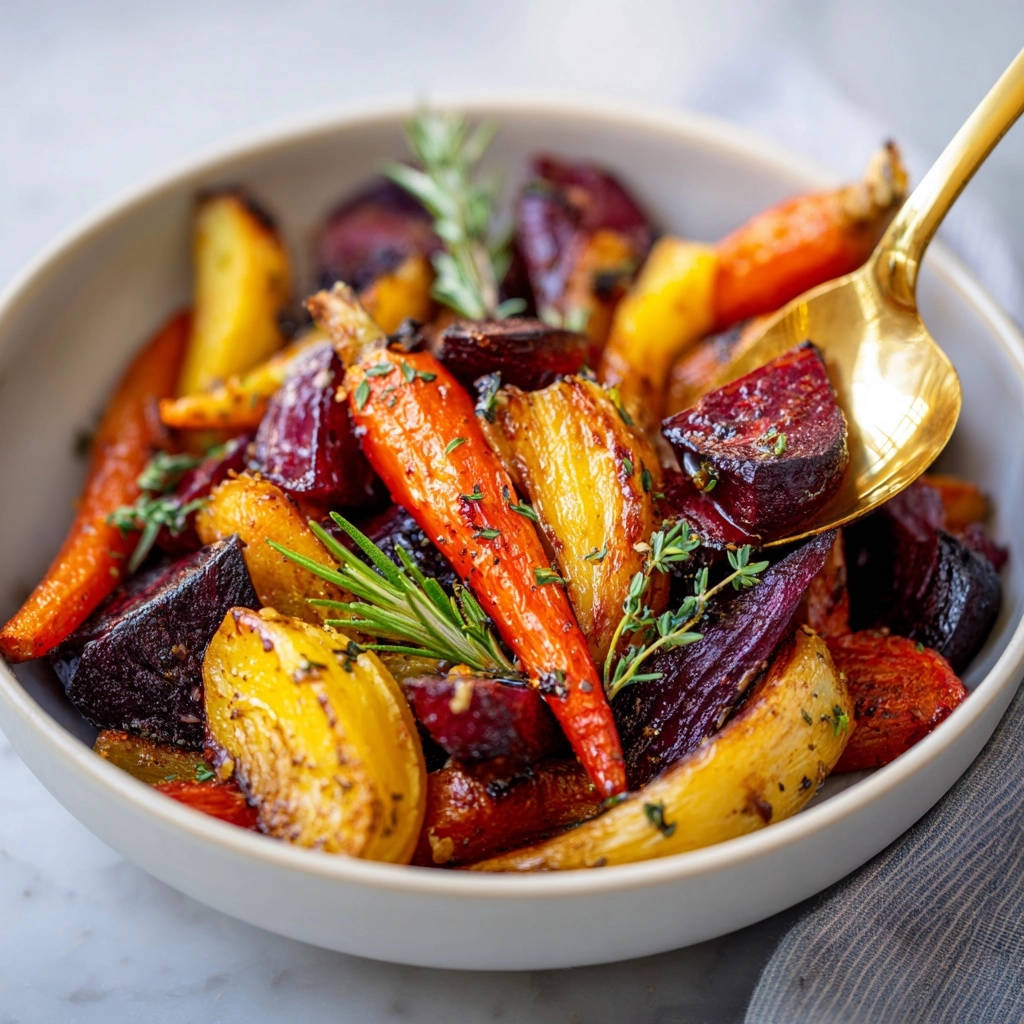
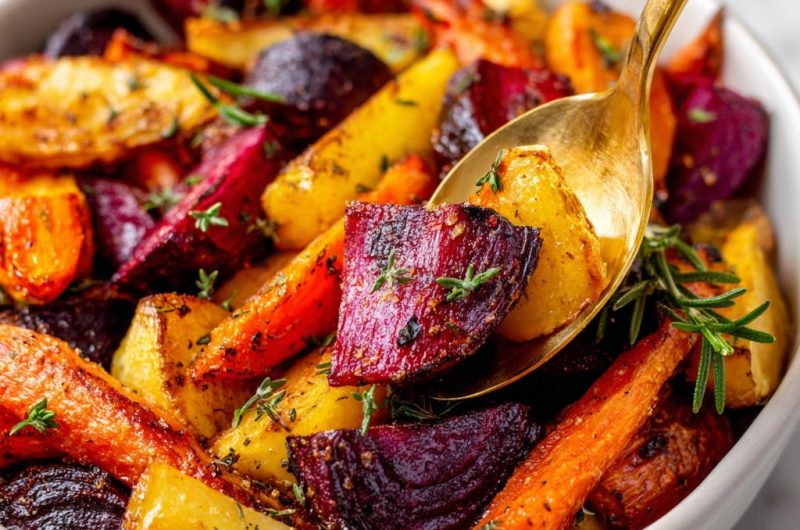
Roasted Root Vegetables
Course: Side DishCuisine: InternationalDifficulty: easy4
servings15
minutes40
minutes240
kcal55
minutesTransform your root vegetables into tender-crisp perfection with this simple roasting trick. Say goodbye to soggy veggies and hello to beautifully caramelized edges. Get ready to fall in love with your roasted roots again, every single time!
Ingredients
1 lb mixed root vegetables (such as carrots, beets, potatoes), peeled and chopped into 1-inch pieces
2 tablespoons olive oil
1/2 teaspoon salt
1/4 teaspoon black pepper
1/2 teaspoon garlic powder
1/2 teaspoon dried thyme
1/2 teaspoon dried rosemary
Directions
- Preheat your oven to 425F (220C). Line a large baking sheet (or two, if needed) with parchment paper.
- Wash, peel, and chop all your root vegetables into roughly 1-inch pieces. Aim for uniform size so they cook evenly.
- This is the key step: Thoroughly pat all the chopped vegetables completely dry with paper towels. Removing excess moisture is crucial to getting that beautiful caramelization and crispiness instead of steaming.
- In a large bowl, toss the dried vegetables with the olive oil, salt, black pepper, garlic powder, dried thyme, and dried rosemary until everything is evenly coated.
- Spread the seasoned vegetables onto your prepared baking sheet(s) in a single layer, making sure they are not overcrowded. Give them plenty of space so they can roast, not steam. If your pan looks too full, use a second baking sheet.
- Roast for 20 minutes, then carefully flip the vegetables. Continue roasting for another 15 to 25 minutes, or until they are fork-tender and beautifully caramelized with slightly crispy edges. Roasting time can vary depending on the specific vegetables and their size.
- Serve immediately and enjoy your perfectly roasted, non-soggy root vegetables!
Notes
- The key step for perfectly crispy, caramelized vegetables is to pat them thoroughly dry before seasoning and roasting.