Flaky Southern Biscuits: Mastering Tall Layers at Home
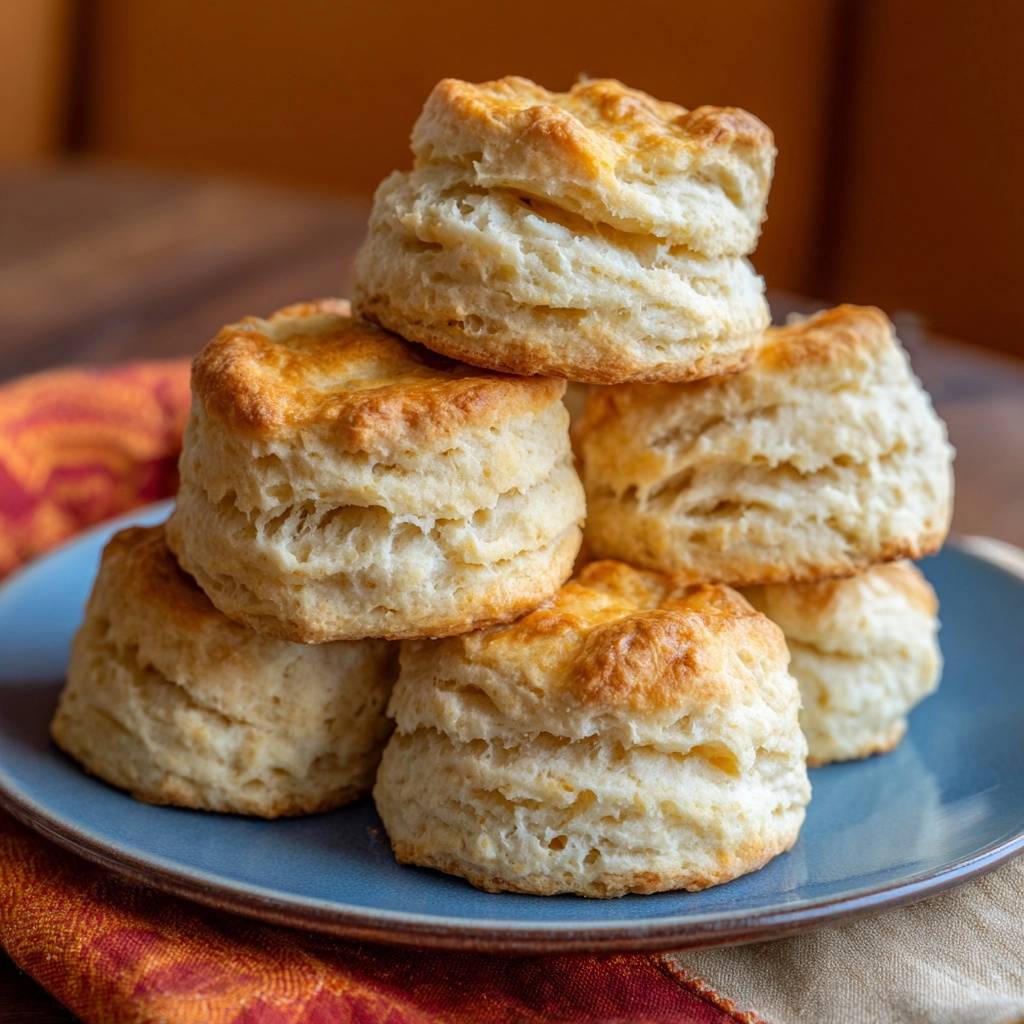
Picture this: you’ve got flat, sad biscuits that flop like hockey pucks every time. But with these flaky Southern biscuits, you transform that mess into towering, tender layers that pull apart with a satisfying flake. We’re talking 20 minutes of prep for busy weeknights, and the cold butter grating plus triple-fold lamination guarantees sky-high results. No fancy tools required.
Why do these flaky Southern biscuits work so well? It’s all about the science of steam rise. Frozen butter shreds melt in the hot oven, creating pockets of vapor that push the dough upward. Therefore, you get those distinct layers without the chewiness.
Here’s the pro tip that seals the deal: grate your butter straight from the freezer using a box grater’s large holes. This keeps it ultra-cold, so it doesn’t melt prematurely and flatten your flaky Southern biscuits. You’ll see the difference immediately.
Why Flaky Southern Biscuits Demand Cold Ingredients
Flaky Southern biscuits rely on a few key players. All-purpose flour provides just the right protein for structure without toughness. In addition, baking powder delivers the lift, while a touch of sugar adds subtle tenderness. Salt balances it all, enhancing every flaky bite.
Frozen butter is non-negotiable here. It creates steam pockets for those irresistible layers in your flaky Southern biscuits. Room-temperature butter? It melts too soon, leading to dense, flat results. Therefore, always freeze it first.
Buttermilk brings tangy acidity that reacts with baking powder for extra CO2 bubbles and lift. Compared to regular milk, it tenderizes the dough beautifully. Keep it ice-cold to maximize the flaky magic.
Flour and Leavening Precision
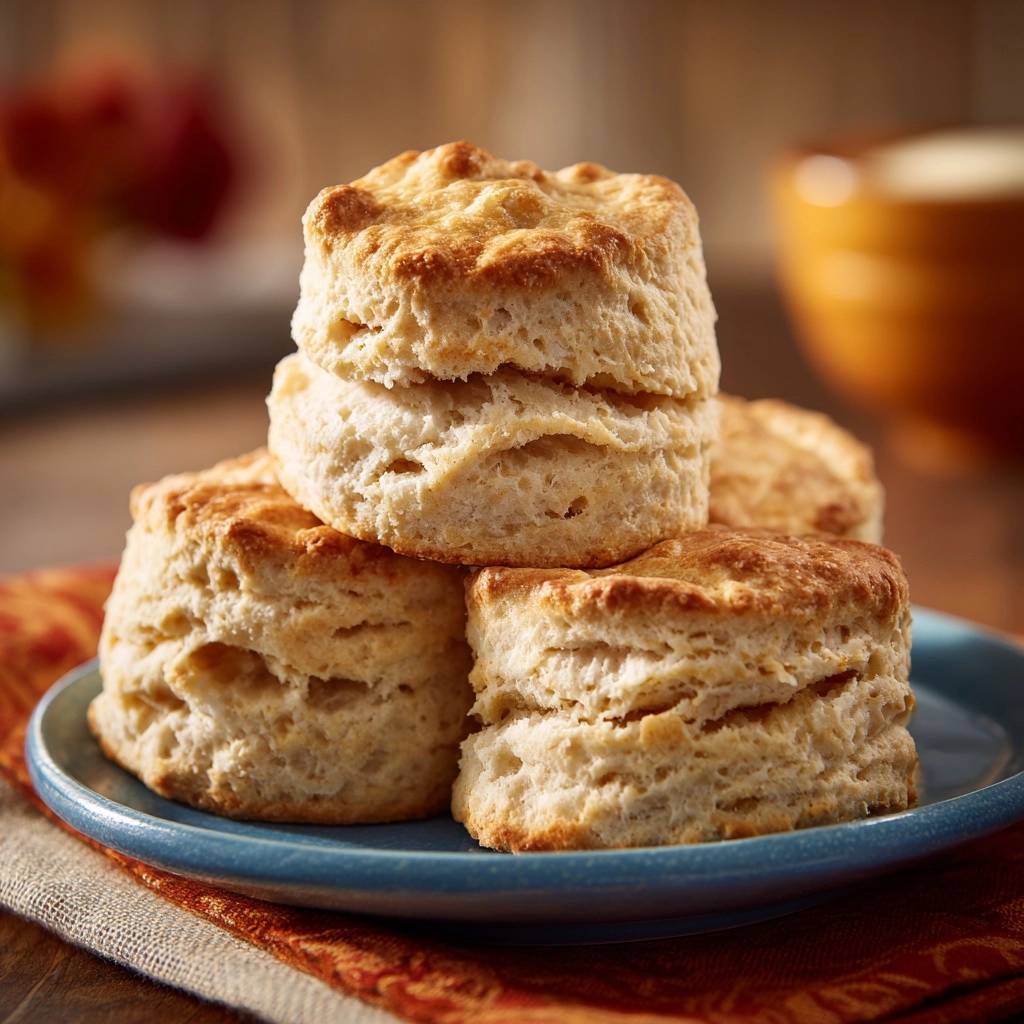
Stick to 2 cups of all-purpose flour for the perfect ratio in flaky Southern biscuits. It holds up without getting gummy. Test your baking powder’s freshness by mixing a teaspoon with hot water; it should fizz vigorously. A tablespoon of sugar aids browning gently, without overpowering sweetness.
Butter Grading for Maximum Flake
Freeze 6 tablespoons of unsalted butter solid, then grate it into the flour using a box grater’s large holes. Those fine shreds stay cold, coating evenly for flaky Southern biscuits. Toss gently with a fork; warm hands melt it, killing the steam rise. Unsalted prevents over-salting the dough.
Buttermilk’s Tangy Lift Secret
Cold buttermilk triggers baking powder instantly for bubbly lift in flaky Southern biscuits. No buttermilk? Mix plain yogurt with water for a tangy swap. Keep everything chilled to preserve that tender flake.
The Science of Steam and Lamination in Flaky Southern Biscuits
In flaky Southern biscuits, grated frozen butter melts at 450°F, turning to steam that lifts layers sky-high. Lamination stacks the dough like mini puff pastry, trapping air and butter for defined flakes. Minimize gluten by handling gently, so you avoid toughness.
This combo beats traditional cut-in methods. Steam from cold shreds creates vapor pockets, while folds build height. Therefore, your flaky Southern biscuits rise 2 inches evenly every time.
Gluten stays low because we skip heavy kneading. The result? Tender, pull-apart layers that scream homemade perfection.
Grating Butter for Steam Pockets
Frozen butter shreds remain solid until the oven’s heat hits, vaporizing into lift for flaky Southern biscuits. Cut-in butter warms and flattens. Grating ensures even distribution and maximum steam power.
Triple Fold Builds Defined Layers
Fold the dough like a letter three times, patting back to 1-inch thick each round. This traps butter and air between sheets, guaranteeing 2-inch rise in flaky Southern biscuits. Rotate 90 degrees per fold for even layers, without kneading toughness.
Gathering and Prepping Flaky Southern Biscuit Dough
Preheat your oven to 450°F and line a sheet with parchment. Whisk flour, baking powder, salt, and sugar in a big bowl to aerate evenly. Then grate in the frozen butter; you’ll smell its chill as shreds tumble in.
Toss shreds lightly with a fork to coat. Pour in 1 cup cold buttermilk and stir with the fork for just 30 seconds. The dough forms shaggy clumps, not a smooth ball, preventing flat flaky Southern biscuits.
Overmixing develops gluten and toughens everything. Keep it ragged; that’s your cue for perfect tenderness ahead.
Whisking Dry Mix Evenly
Whisk dry ingredients like you’re sifting to distribute leavening and avoid lumps. This ensures uniform rise in every flaky Southern biscuit. Takes seconds but prevents uneven heights.
Buttermilk Stir: Shaggy Not Smooth
Fork-stir buttermilk briefly until ragged clumps form. Smooth dough means overworked gluten and flat flaky Southern biscuits. That shaggy look promises flaky layers after folding.
Laminating and Cutting for Sky-High Flaky Southern Biscuits
Pat dough gently to a 1-inch rectangle on a floured surface. Fold in thirds like a letter, pat back down, and repeat twice more. This builds stacked layers for your flaky Southern biscuits.
Final pat to 3/4-inch thick. Cut straight down with a 2.5-inch cutter; no twisting to seal edges tight. Gather scraps once, pat lightly, and cut again for maximum lift.
Place biscuits 2 inches apart, sides touching slightly for soft edges. They puff dramatically in the oven.
Three-Fold Lamination Technique
Pat to rectangle, fold thirds, rotate 90 degrees, repeat twice. Each fold stacks butter sheets for flaky Southern biscuits’ height. Handle minimally to keep it tender.
Cutting Clean for Edge Seal
Plunge 2.5-inch cutter straight; twisting compresses edges and kills rise in flaky Southern biscuits. Space 2 inches apart, touching for soft sides. One re-pat of scraps max.
Baking and Finishing Your Flaky Southern Biscuits
Slide into the 450°F oven for 12 to 15 minutes. Watch them climb golden and aromatic. Brush tops with melted butter right out for extra shine and flavor.
They’re done when deeply golden and risen high. Cool just a minute; serve warm for peak flake. Pro tip: high heat sets the rise fast before crust toughens.
High-Heat Oven Dynamics
450°F shocks the flaky Southern biscuits into rapid rise before the exterior sets. Parchment prevents sticking, no grease needed. Golden tops signal perfection.
Avoiding Pitfalls in Flaky Southern Biscuits
Common flops kill flaky Southern biscuits: overmixing builds tough gluten, warm butter melts flat, cutter twists deflate edges, overbaking dries them out. Stick to cold everything and gentle hands.
Prevention is key. Use a fork, not fingers, and cut clean. Therefore, you’ll nail tall, tender results every bake.
Check baking powder freshness too. Old stuff means no rise, so test it first.
Overmixing and Warm Hands
Overmixing wakes gluten for hockey pucks; stir 30 seconds max with cold fork. Warm hands melt butter, so chill tools if needed for flaky Southern biscuits.
Twisting and Scrap Abuse
Twist seals edges poorly, blocking lift. Re-pat scraps once only to avoid density in flaky Southern biscuits.
Flavor Twists on Classic Flaky Southern Biscuits
Boost your flaky Southern biscuits with add-ins before folding. Mix in 1/2 cup grated sharp cheddar or chopped chives for savory punch. Garlic powder works great too.
For swaps, use vegan butter and a yogurt-water mix. Self-rising flour? Cut baking powder to 1 teaspoon. Keeps the flaky core intact.
These twists elevate without ruining layers. Experiment confidently.
Savory Cheese and Herb Infusions
Fold in 1/2 cup sharp cheddar shreds and 1/4 cup snipped chives pre-lamination. Melts into flaky Southern biscuits perfectly. Add before buttermilk for even spread.
Sweet or Neutral Variations
Bump sugar to 2 tablespoons for shortcake-style flaky Southern biscuits. Top warm ones with honey butter for bliss.
Pairing Flaky Southern Biscuits with Southern Staples
Flaky Southern biscuits shine at breakfast with creamy sawmill gravy and scrambled eggs. The tender layers sop up richness perfectly. Dinner calls for fried chicken and collards.
Those warm biscuits would be perfect alongside a bowl of peach cherry cobbler.
Sides like honey or jam contrast the flake. Their height holds butter or spreads like a dream.
Breakfast Gravy and Egg Combos
Whisk flour into hot sausage drippings for sawmill gravy; pour over split flaky Southern biscuits and eggs. Veggie gravy? Use veggie broth instead.
Dinner Mains and Sides
Pair with fried chicken, collards, or slaw. Flaky Southern biscuits balance crispy, tangy bites.
Storing and Reheating Flaky Southern Biscuits
Store baked flaky Southern biscuits airtight at room temp for 2 days. Freeze extras up to 1 month, or freeze unbaked cut dough for 3 months. Reheat foil-wrapped at 350°F for 10 minutes.
They crisp up beautifully. Pro tip: baking from frozen adds just 2 minutes.
Freezing Dough for Fresh Bake
Cut flaky Southern biscuit dough, freeze solid on a sheet, then bag. Bake straight from freezer at 450°F, adding 2 minutes. Tastes oven-fresh every time.
Reviving Day-Old Biscuits
Oven at 350°F with foil revives crisp flaky Southern biscuits. Or steam briefly for soft pull-aparts.
Troubleshooting Flaky Southern Biscuits
Why are my flaky Southern biscuits flat?
Flat rise usually means warm butter or old baking powder. Always grate frozen butter and test powder with hot water for fizz. Overmixing kills lift too, so stir just 30 seconds for shaggy dough.
Why are my flaky Southern biscuits dense and tough?
Density comes from overworking the dough, developing excess gluten. Pat and fold gently, no kneading. Warm hands melt butter prematurely, so use a cold fork and work fast on a cool surface.
Can I substitute ingredients in flaky Southern biscuits?
No buttermilk? Mix 1 cup milk with 1 tablespoon lemon juice and chill. Use vegan butter for dairy-free, but keep it frozen. Self-rising flour works; reduce baking powder to 1 teaspoon to avoid over-leavening.
Why didn’t my flaky Southern biscuits rise evenly?
Uneven rise points to poor whisking of dry ingredients or twisting the cutter. Whisk thoroughly for uniform leavening, and plunge cutter straight down to seal edges. Space them properly for even oven heat.
How do I know when flaky Southern biscuits are done baking?
Look for deep golden tops and a 2-inch rise after 12-15 minutes at 450°F. They should sound hollow when tapped. If pale, your oven might run cool; add 1-2 minutes and check frequently.
Can I make flaky Southern biscuits ahead of time?
Yes, freeze cut dough up to 3 months for fresh bakes. Or bake fully, freeze up to 1 month, and reheat at 350°F foil-wrapped. Avoid room-temp storage beyond 2 days to keep them flaky.
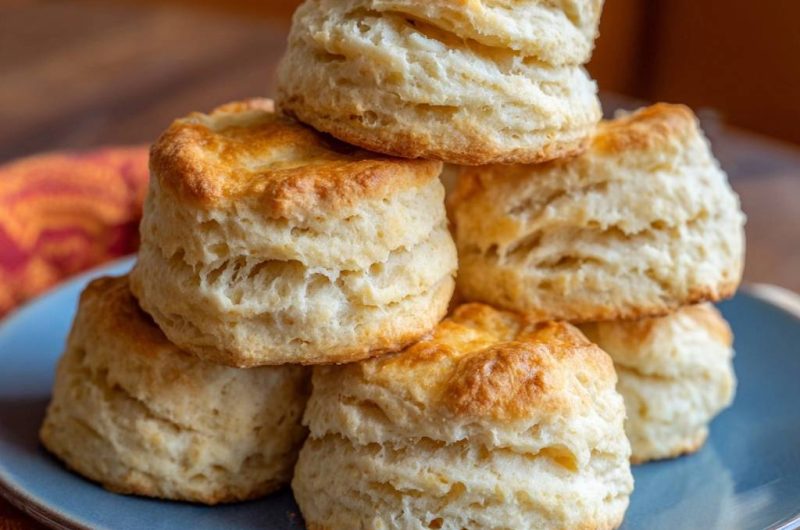
Southern Biscuits
Course: Side DishCuisine: AmericanDifficulty: easy8
biscuits15
minutes15
minutes250
kcal30
MinutesTired of flat biscuits? This recipe uses frozen butter grating and triple-fold lamination technique to guarantee sky-high, flaky layers. Perfect for home cooks with no special tools needed.
Ingredients
2 cups all-purpose flour
1 tablespoon baking powder
1 teaspoon salt
1 tablespoon sugar
6 tablespoons unsalted butter, frozen
1 cup cold buttermilk
Directions
- Preheat oven to 450 degrees F. Line a baking sheet with parchment paper.
- In a large bowl, whisk together flour, baking powder, salt, and sugar.
- Grate the frozen butter directly into the flour mixture using the large holes of a box grater. This keeps butter ultra-cold for maximum steam rise and flaky layers, preventing flat dough. Toss gently with a fork to coat shreds evenly, avoiding melting.
- Pour in cold buttermilk. Stir with a fork just until dough comes together in shaggy clumps, about 30 seconds. Do not overmix, or biscuits flatten.
- Turn dough onto a lightly floured surface. Gently pat into a 1-inch thick rectangle. Fold dough in thirds like a letter, then pat back to 1-inch thick. Repeat folding and patting two more times. This lamination builds distinct flaky layers and ensures even 2-inch rise without toughness.
- Pat dough to 3/4-inch thick. Cut straight down with a 2.5-inch biscuit cutter, no twisting, to seal edges and promote lift. Gather scraps gently, pat once, and cut again.
- Place biscuits 2 inches apart on baking sheet, touching slightly for soft sides. Bake 12 to 15 minutes until golden and risen high. Brush tops with melted butter if desired. Serve warm.
Notes
- Keep butter frozen and buttermilk cold for maximum rise. Do not overmix dough or twist cutter to ensure flaky, high-rising biscuits.