Ultimate Thick-Cut French Toast: No More Soggy Centers!
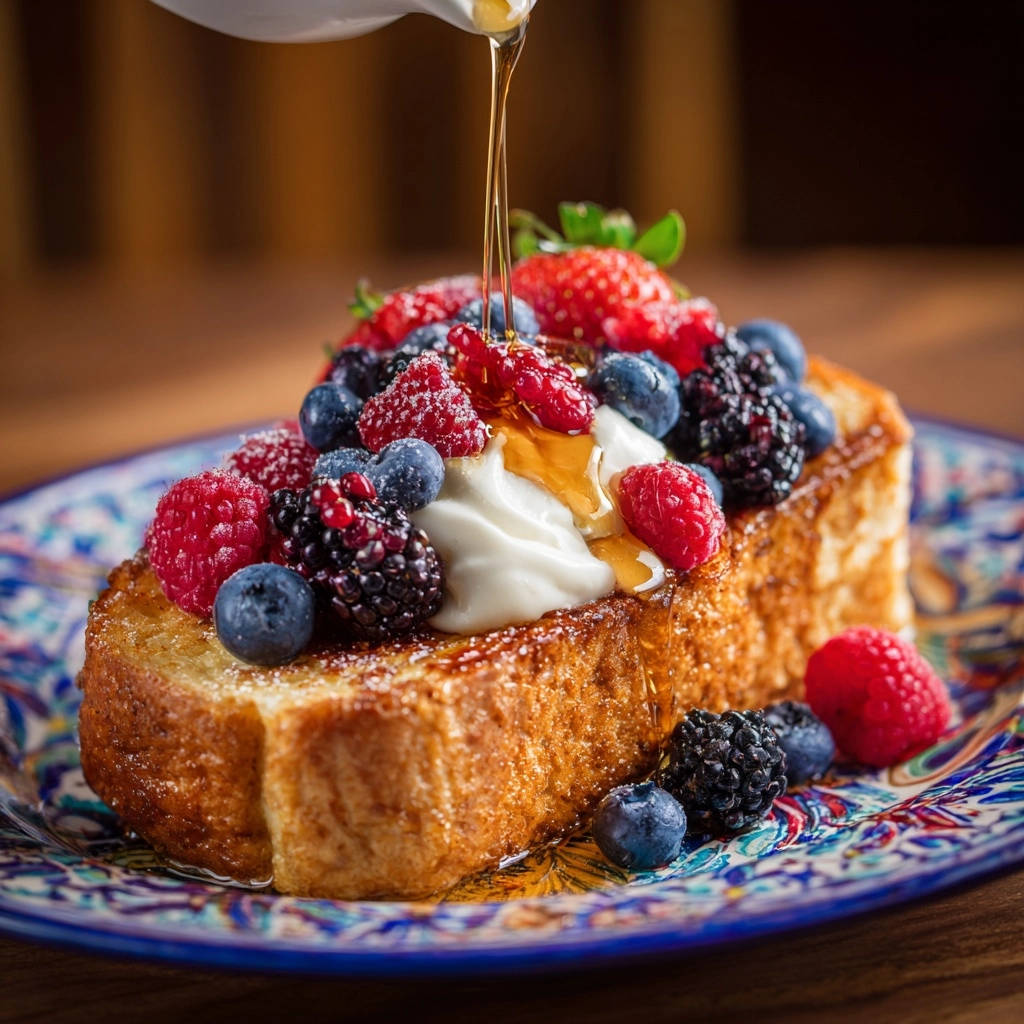
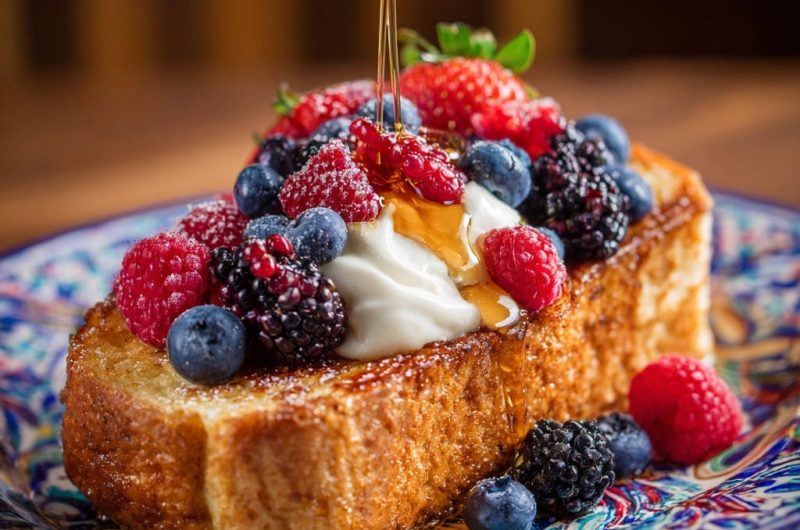
There’s nothing quite like the dream of biting into a perfect slice of French toast, only to be met with a disappointing, soggy center. I’ve been there too, but after countless experiments, I’ve finally perfected the art of crafting the Ultimate Thick-Cut French Toast. This recipe ensures a flawlessly custardy interior paired with an irresistible golden, crisp exterior every single time.
Why This French Toast Recipe Belongs in Your Breakfast Repertoire
This isn’t just another French toast recipe; it’s a revelation. It solves the most common frustrations, delivering a breakfast experience that feels both indulgent and surprisingly easy to master.
The Secret to a Perfectly Custardy Interior (Never Soggy!)
The core problem with many French toast recipes is an oversaturated slice that cooks on the outside while remaining raw and mushy within. Our method uses a precise soaking technique designed to allow the bread to absorb just enough of the rich custard without becoming waterlogged.
Achieving That Irresistibly Golden, Cooked-Through Exterior
Forget burnt outsides and pale insides. This recipe guides you to a beautifully caramelized crust that provides a delightful textural contrast to the soft, warm interior. It’s all about controlled heat and patience.
Beyond Basic: Why Thick-Cut Bread is King for Ultimate French Toast
Thick-cut bread isn’t just a preference; it’s a foundation. Its robust structure can handle the custard soak, ensuring it holds its shape and develops that coveted custardy texture, unlike thinner slices that often fall apart or become uniformly soft.
Gather Your Essentials: Ingredients for Delicious Results
Each ingredient in this recipe plays a crucial role in achieving the perfect balance of flavor and texture. Quality matters, but simplicity reigns supreme.
The Bread: Choosing Your Foundation for Perfection
For the truly ultimate experience, your bread choice is paramount. We recommend thick-cut varieties for their ability to absorb the custard beautifully without collapsing.
Brioche: Known for its rich, buttery flavor and tender crumb, brioche creates an incredibly decadent French toast.
Challah: This slightly sweet, eggy bread offers a dense yet soft texture that soaks up the custard perfectly.
Texas Toast: Its pre-sliced thickness makes it a convenient and reliable choice, ensuring a substantial bite.
Day-Old Advantage: Using day-old bread is key. Its slightly drier state allows it to absorb the custard more efficiently, preventing sogginess and promoting that ideal custardy interior. Fresh bread can sometimes become too mushy.
Crafting the Rich Custard Base
The custard is the heart of your French toast, infusing every bite with sweetness and warmth.
Large Eggs: These are the binding agent, giving the French toast its structure and rich flavor. They’re essential for a cohesive texture.
Whole Milk or Half-and-Half: Opting for a higher fat dairy adds richness and creaminess to the custard. This contributes significantly to the custardy texture.
Granulated Sugar: Beyond sweetness, sugar aids in the beautiful caramelization of the crust, creating those desirable golden-brown edges.
Vanilla Extract: A splash of good quality vanilla extract provides an essential aromatic depth, elevating the overall flavor profile.
Pinch of Salt: A small amount of salt balances the sweetness and enhances all the other flavors, preventing the French toast from tasting flat.
Cooking Fats & Delectable Serving Accents
The right cooking fat ensures a golden, non-stick surface, and the toppings transform your French toast into a memorable meal.
Unsalted butter adds rich flavor and helps achieve a beautiful golden-brown crust. A neutral oil, like canola or vegetable oil, can also be used for a slightly crisper finish and higher smoke point.
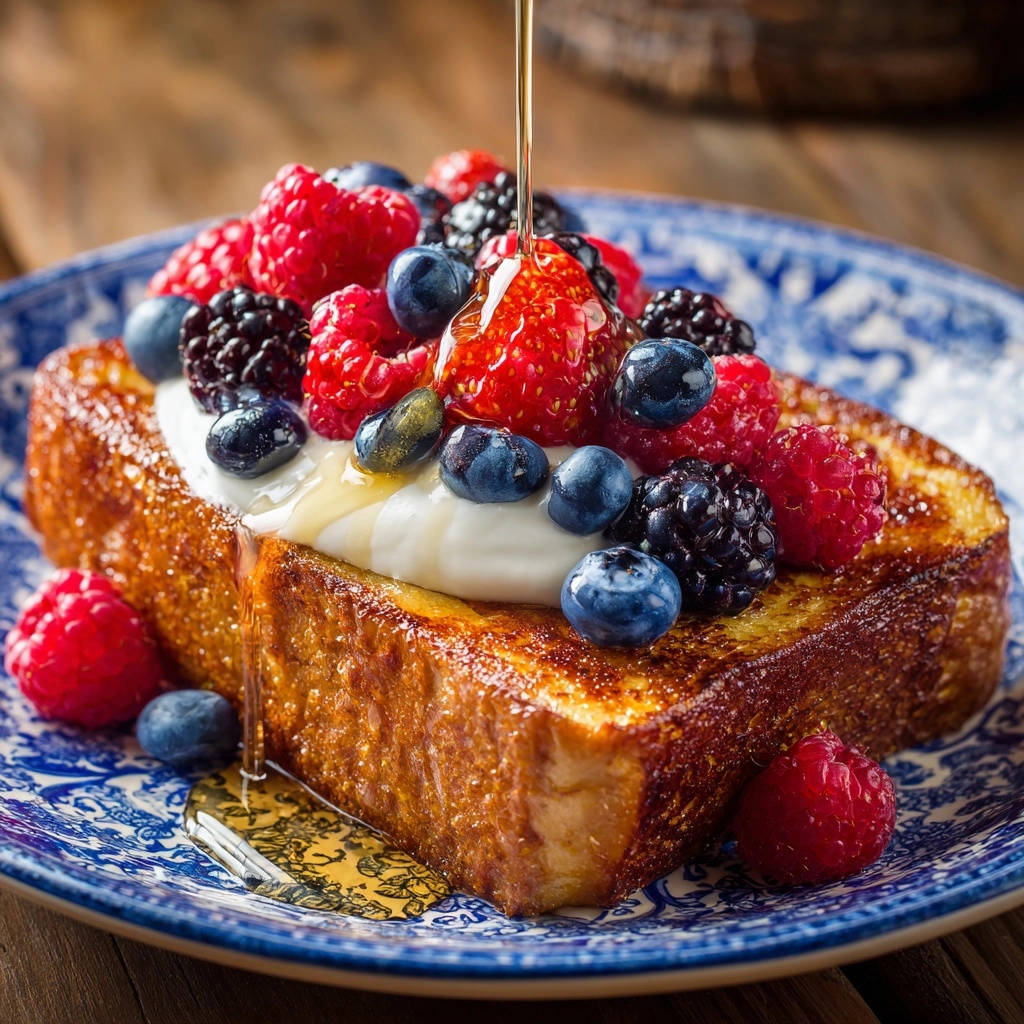
For serving, mixed berries offer a burst of freshness and color. Whipped cream adds a luxurious cloud of creaminess, while powdered sugar provides a delicate sweetness. A generous drizzle of pure maple syrup is the timeless classic for a reason, completing the indulgent experience.
What to Serve with Your French Toast
Pair your thick-cut, center-set French toast with something fruity or rich for a rounded breakfast spread.
- The warm cinnamon notes in these Spiced Apple Cream Puffs echo the sweet spices in the French toast batter.
- For a decadent contrast, a slice of Red Velvet Oreo Cheesecake Brownies adds a fudgy, tangy counterpoint to the soft, custardy bread.
Your Toolkit for French Toast Mastery
Having the right tools makes the process of cooking perfect French toast much smoother and more enjoyable. These aren’t fancy gadgets, just kitchen essentials.
Must-Have Equipment for a Smooth Cook
Shallow Dish: A wide, shallow dish (like a pie plate or baking dish) is ideal for soaking the bread. It allows for even coating without having to bend or break the slices.
Whisk: Essential for thoroughly combining the custard ingredients, ensuring a uniform mixture without any streaks of egg.
Large Non-Stick Skillet or Griddle: A good quality non-stick surface prevents sticking and allows for easy flipping. A large pan lets you cook more slices efficiently without overcrowding.
Sturdy Spatula: A wide, thin spatula is perfect for gently lifting and flipping the soaked, delicate bread slices without tearing them.
Step-by-Step: Crafting Your Ultimate Thick-Cut French Toast
Follow these detailed steps to achieve French toast perfection. Each action is designed to build layers of flavor and ensure ideal texture.
-
Prepare the Custard Mixture:
In a shallow dish wide enough for your bread, whisk together the eggs, milk, sugar, vanilla extract, and a pinch of salt. Continue whisking until the mixture is completely uniform, with no streaks of egg yolk remaining. This ensures even flavor distribution.
-
The “Game-Changing” Soaking Technique:
Place one slice of thick-cut bread into the custard. Allow it to soak for exactly 30 to 45 seconds per side. This precise timing is crucial to prevent sogginess; the bread should absorb the custard but not become oversaturated and fall apart. If your bread is very fresh, reduce soaking time slightly.
-
Heat Your Pan Properly:
Melt 1 tablespoon of butter or heat 1 tablespoon of neutral oil in a large non-stick skillet or griddle over medium-low heat. Ensure the entire surface of the pan is evenly coated with the fat.
-
Transfer to the Skillet:
Carefully lift the soaked bread slice, allowing any excess custard to drip back into the dish. Gently place the bread into the hot skillet. Avoid overcrowding the pan; cook in batches if necessary to ensure even cooking.
-
Cook Low and Slow for Inner Perfection:
Cook the French toast for 3 to 5 minutes per side, or until each side is beautifully golden brown and the center is cooked through. The consistent medium-low heat is vital here, allowing the inside of the thick-cut bread to fully cook without burning the exterior. You should observe steam rising and the bread puffing up slightly.
-
Repeat for Remaining Slices:
Continue cooking the remaining bread slices, adding more butter or oil to the pan as needed for each new batch. Maintaining a consistent cooking surface temperature is key for uniform results.
-
Serve Immediately for Best Flavor and Texture:
Plate your perfectly cooked French toast hot. Garnish generously with the recommended mixed berries, a dollop of whipped cream, a dusting of powdered sugar, and a drizzle of maple syrup for an unforgettable breakfast. If you love a variety of breakfast options, you might also enjoy making fluffy oatmeal pancakes or even exploring recipes like stuffed French toast rolls for another fun take on this classic.
If you’re after that same pillowy softness, these tangzhong cinnamon rolls use a similar technique to avoid dry interiors.
Chef’s Secrets & Smart Swaps for French Toast Success
Elevate your Ultimate Thick-Cut French Toast with these insider tips and adaptable variations, ensuring every batch is a triumph.
Unlock Next-Level Flavor and Texture
The Power of Day-Old Bread: While fresh bread can work, slightly stale or day-old bread is superior. Its drier texture allows for optimal custard absorption without becoming mushy, leading to that ideal custardy interior.
Don’t Rush the Flip: Patience is key. Wait until you see steam gently rising, the edges look set, and the bottom is visibly golden brown before attempting to flip. This ensures the first side is adequately cooked and releases easily.
Temperature Matters: Stick to medium-low heat. Too high, and the outside will burn before the inside cooks; too low, and it will absorb too much fat and become greasy.
Creative Variations and Dietary Adaptations
Spice Cabinet Adventures: Elevate the custard with a pinch of cinnamon, nutmeg, or even a tiny amount of cardamom for a warm, aromatic twist.
Citrus Zest Magic: A little grated orange or lemon zest added to the custard can brighten the flavors and add a subtle complexity.
Dairy-Free Delight: For a dairy-free version, simply substitute the whole milk or half-and-half with a rich plant-based milk like full-fat oat milk or unsweetened soy milk. The texture will be slightly different but still delicious.
Troubleshooting Common French Toast Challenges
Even with a perfect recipe, sometimes things go awry. Here’s how to fix common French toast dilemmas.
Problem: My French Toast is Soggy in the Middle!
This is the most common issue, often due to over-soaking the bread or cooking at too high a heat. Ensure you adhere strictly to the 30-45 second per side soaking rule, and always cook on a consistent medium-low heat to allow the custard to fully cook through.
Problem: The Outside is Burnt, But the Inside is Raw!
Your pan heat is too high. French toast, especially thick-cut, needs time for the heat to penetrate and cook the interior. Reduce your burner to medium-low and be patient. A slower cook ensures golden perfection without charring.
Problem: My French Toast is Sticking to the Pan!
This indicates either insufficient fat, an unseasoned pan, or a pan that isn’t hot enough. Make sure your non-stick skillet is properly preheated and that you’re adding enough butter or oil for each batch, ensuring the entire surface is coated.
Serving Suggestions & Storage Tips for Your French Toast
Making delicious Ultimate Thick-Cut French Toast is just the beginning. How you serve and store it can make all the difference.
If you love topping your French toast with whipped cream, you’ll also enjoy the rich, velvety gravy in these homemade biscuits and sausage gravy.
Creative Ways to Garnish and Serve
Beyond the classic berries and maple syrup, consider a sprinkle of toasted nuts, a dollop of fruit compote, chocolate chips, or even a savory twist with crispy bacon and a fried egg for brunch.
Making Ahead and Keeping Warm
While best served fresh, cooked French toast can be kept warm for short periods in a single layer on a wire rack set over a baking sheet in a low oven (around 200°F / 95°C). This prevents it from steaming and losing its crispness.
Storing and Reheating Leftovers
Store any cooled leftover French toast in an airtight container in the refrigerator for up to 2-3 days. For best reheating results, use a toaster oven, air fryer, or a non-stick skillet over medium-low heat until warmed through and slightly crisped. Avoid the microwave, which can make it rubbery.
Frequently Asked Questions About Ultimate Thick-Cut French Toast
Here are answers to some of the most common questions about making this breakfast favorite.
Q: Can I use frozen bread for this recipe?
Yes, you can! Just ensure the frozen bread is fully thawed before soaking it in the custard. Day-old or slightly stale thawed bread is often ideal for absorption.
Q: What’s the best way to get a perfectly golden crust?
Achieving a golden crust depends on two factors: consistent medium-low heat and sufficient fat (butter or oil) in the pan. Don’t rush the cooking process; allow enough time for the sugars in the custard to caramelize slowly.
Q: Can I make the custard ahead of time?
Absolutely! You can whisk the custard ingredients together and store it in an airtight container in the refrigerator for up to 24 hours. Give it a quick whisk again before soaking your bread.
Q: Is this recipe suitable for a crowd?
Yes, this recipe is easily scalable for a crowd. Just ensure you have a large enough griddle or multiple skillets to cook in batches, and consider keeping cooked batches warm in a low oven as described above.
Ready to Impress? Share Your Ultimate Thick-Cut French Toast Masterpiece!
Armed with these techniques and our game-changing recipe, you’re now ready to create the ultimate French toast that will impress everyone at your breakfast table. No more soggy centers, just perfectly golden, custardy bites every single time!
We’d love to see your creations! Share your Ultimate Thick-Cut French Toast masterpieces on social media and tag us. Happy cooking!
French Toast
Course: BreakfastCuisine: American/French-inspiredDifficulty: easy4
servings10
minutes15
minutes350
kcal25
minutesDiscover the secret to perfectly custardy French toast with a beautiful golden crust, ensuring no more soggy centers. This recipe provides a game-changing trick for a consistently cooked-through interior, transforming your breakfast experience. You’ll love this simple yet effective method for achieving ideal texture every time.
Ingredients
4 slices thick-cut bread (like brioche, challah, or Texas toast), preferably day-old
2 large eggs
1/2 cup whole milk or half-and-half
2 tablespoons granulated sugar
1 teaspoon vanilla extract
Pinch of salt
2 tablespoons unsalted butter or neutral oil, for cooking
For serving: mixed berries (strawberries, blueberries, raspberries, blackberries), whipped cream, powdered sugar, maple syrup
Directions
- In a shallow dish wide enough to fit a slice of bread, whisk together the eggs, milk, sugar, vanilla extract, and salt until well combined and no streaks of egg yolk remain.
- This is the key to preventing sogginess! Place one slice of bread into the egg mixture. Allow it to soak for about 30 to 45 seconds per side, no more. The goal is for the bread to absorb the custard but not become oversaturated and fall apart. If your bread is very fresh, soak for slightly less time.
- Melt 1 tablespoon of butter or heat 1 tablespoon of oil in a large non-stick skillet or griddle over medium-low heat. Ensure the pan is evenly coated.
- Carefully lift a soaked slice of bread, allowing any excess custard to drip off, and place it gently into the hot skillet. Do not overcrowd the pan; cook in batches if necessary.
- Cook for 3 to 5 minutes per side, or until each side is beautifully golden brown and the center is cooked through. The lower heat ensures the inside has time to cook without the outside burning. You should see steam rising and the bread puff up slightly.
- Repeat with the remaining bread, adding more butter or oil to the pan as needed for each batch.
- Serve immediately with a generous topping of mixed berries, a dollop of whipped cream, a dusting of powdered sugar, and a drizzle of maple syrup.
Notes
- The key to perfect French toast is precise soaking time (30-45 seconds per side) and cooking over medium-low heat to ensure the center cooks through without burning the crust.