Velvety Butternut Squash Sage Soup Recipe
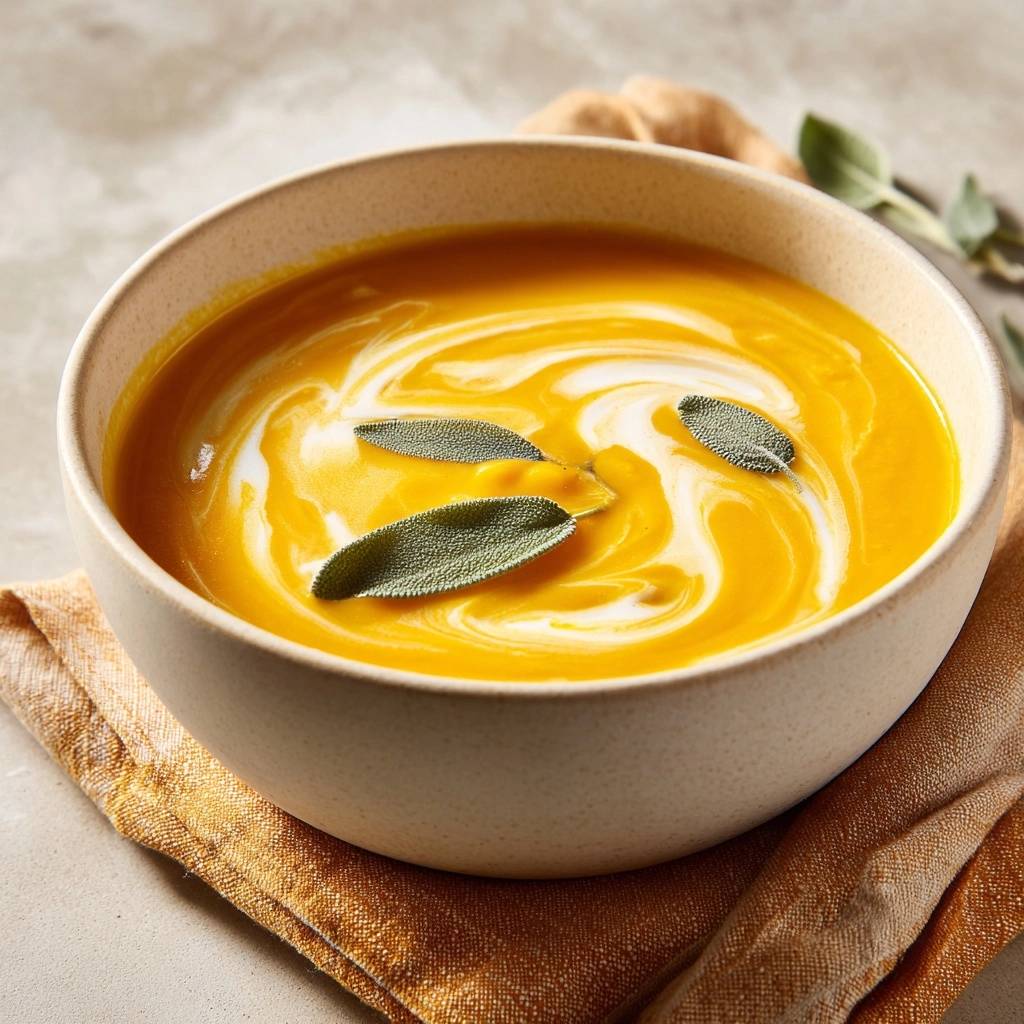
Why do so many butternut squash soups turn out watery and bland? Most folks just boil the squash, which keeps all that excess moisture and dilutes the flavor. But this velvety butternut squash sage soup changes everything with a simple roast first. You’ll get caramelized edges and thick, restaurant-style creaminess in under an hour.
Roasting at 400°F evaporates the water and triggers natural sugars to intensify. Therefore, you avoid the sad, soupy mess. In addition, fresh sage and ginger add an earthy zing that boiled versions can’t match.
Here’s the pro tip that seals it: toss the squash cubes with just enough olive oil so they brown without steaming. That golden edge builds deep flavor. Oh man, the first sip hits like autumn in a bowl, smooth and comforting.
Why Roasting Transforms Butternut Squash Sage Soup
Boiling squash traps its 90% water content, leading to thin soup. However, roasting transforms it through caramelization and the Maillard reaction. Sugars brown, flavors concentrate, and you end up with velvety butternut squash sage soup that coats your spoon.
Picture boiled squash: pale, watery puree. Now roasted: golden cubes with crispy edges and sweet aroma. Therefore, every batch delivers body without cream overload. This method fixes the common fail every time.
Caramelization Science in Squash Cubes
At 400°F, the squash’s edges hit 35-40 minutes of dry heat. This browns natural sugars without added sweeteners. In addition, enzymes break down starches into sweetness, so your velvety butternut squash sage soup tastes richer.

Keep the oven steady; lower temps just steam it. You’ll see those caramel spots form. That’s your cue for peak flavor.
Moisture Evaporation for Thick Puree
Squash starts at 90% water, but roasting drops that fast. Steam escapes, concentrating the flesh into thick puree. Therefore, adding broth won’t dilute your velvety butternut squash sage soup.
No more separation or graininess. Just pure, silky results that hold up even after freezing.
Key Ingredients for Velvety Butternut Squash Sage Soup
Start with a 3-pound butternut squash; its dense flesh roasts to perfection. Fresh ginger, minced fine, cuts through with zing, while 4 sage leaves bring earthy warmth. Vegetable broth keeps it pure, and heavy cream adds silk without overpowering.
Don’t skimp on fresh sage; dried lacks punch. In addition, use quality broth, low-sodium to control salt. For dairy-free, swap cream with coconut milk, but shake it well first.
Olive oil coats for roasting; 2 tablespoons total does it. Salt and pepper season simply, letting squash shine. These picks ensure creaminess and depth.
Selecting Perfect Butternut Squash
Pick a heavy, unblemished 3-pound squash with smooth skin. Peel thickly, seed, and cube into 1-inch pieces for even roasting. Smaller bits burn; larger stay raw inside.
Pro tip: a sharp knife glides through chilled squash. Even cubes mean uniform caramelization every time.
Fresh Sage and Ginger Aromatics
Mince a 1-inch ginger piece for sharp warmth; it mellows in the roast. Chiffonade sage leaves thinly, or chop 2 for sauté. Fresh beats dried 10 to 1 in potency.
Save extra whole leaves for garnish. They crisp up beautifully on hot soup.
Broth and Cream Balance
4 cups vegetable broth builds clean base; homemade shines brightest. Heavy cream, 1/2 cup, creates silkiness. Stir it in off-heat to avoid curdling.
Heat gently post-stir. Balance keeps the velvety texture intact.
Equipment Essentials for Smooth Sage Soup
A rimmed baking sheet spreads squash for air flow, preventing steam. Large pot, at least 4-quart, handles sauté and simmer. Immersion blender right in the pot saves cleanup and splatters.
High-speed countertop works too, but vent the lid. Therefore, your velvety butternut squash sage soup stays ultra-smooth, no grainy bits. Safety first: blend hot in batches if needed.
Best Blenders for Ultra-Smooth Texture
Immersion blenders hug the pot bottom, pureeing without transfer mess. Countertop? Work in batches with a towel over the vented lid. Steam builds pressure, so never seal tight.
Both crush fibers for silkiness. Test puree on your finger; it should ribbon smoothly.
Roasting Phase: Building Deep Flavors
Preheat to 400°F. Toss 1-inch squash cubes with 1 tablespoon olive oil, salt, and pepper. Spread single layer on the sheet; roast 35-40 minutes.
Flip halfway for even gold. You’ll smell sweet caramel around minute 25. That’s when flavors deepen for velvety butternut squash sage soup.
Don’t crowd; steaming ruins crisp edges. Pull when fork-tender with browned spots.
Even Cubes for Uniform Caramelization
Cut precise 1-inch cubes; they roast evenly. Space them out on the sheet. Crowding traps moisture, so skip that mistake.
Sautéing Aromatics Without Burning
Heat 1 tablespoon olive oil in pot over medium. Add diced onion, minced ginger, garlic, and 2 chopped sage leaves. Sauté 5-7 minutes till soft and fragrant.
Stir often; medium heat prevents browning, which bitters the base. Scrape any fond for extra savoriness in your velvety soup.
The same technique of scraping the fond for depth works beautifully in this creamy cauliflower soup for an even silkier finish.
Onions turn translucent first, then ginger releases spice. Inhale that aroma; it’s the flavor promise.
Timing the 5-7 Minute Sauté
Watch for soft, translucent onions without color. That’s 5-7 minutes on medium. Browning muddies the bright notes, so keep it gentle.
Simmering and Blending to Perfection
Add roasted squash to aromatics. Pour in 4 cups broth; simmer 10 minutes. Flavors meld into harmony.
Off heat, blend till smooth. Immersion works best; batches for others. Then stir in cream, season, and reheat gently for velvety butternut squash sage soup.
Don’t boil post-cream; it separates. Taste and tweak salt now.
Cream Integration for Silky Finish
Stir cream off-heat while soup’s hot. Reheat low, stirring. High temps curdle it, so patience pays off in silkiness.
Flavor Variations in Butternut Squash Sage Soup
Swap cream for coconut milk; it thickens similarly. Add nutmeg pinch for warmth or curry powder for spice kick. Roasted garlic boosts umami without overpowering sage.
Chunk an apple in the roast for natural sweet-tart. All keep the velvety texture. Experiment, but roast everything first.
Chili flakes at sauté add heat. These twists refresh the classic without diluting body.
Dairy-Free Velvety Alternatives
Coconut milk mimics cream’s richness; full-fat holds best. Blend cashews with broth for nutty thickness. Both stay velvety post-freeze.
Spice Twists on Sage Base
Chili flakes bring subtle fire; start with 1/4 teaspoon. Thyme subs sage for herbal shift. Taste before blending.
Make-Ahead and Freezing Guide
Cool soup fully before portioning into bags. Flatten for stackable freezer space; lasts 3 months. Thaw overnight, reheat on stove with stir.
No separation if blended smooth first. Therefore, perfect for weeknight wins. Double the batch; math scales easy.
Label dates. Reblend if needed post-thaw for that fresh velvety feel.
Portioning for Quick Weeknight Soups
Freeze in single-serve bags or ice cube trays for portions. Pop out what you need. Quick thaw under water if rushed.
Avoiding Pitfalls in Squash Sage Soup
Watery? Under-roast; push to 40 minutes. Grainy means weak blend; go longer. Bland from stale sage, so use fresh.
Over-sauté burns aromatics; watch the clock. Fixes keep your velvety butternut squash sage soup flawless.
Separate cream? Added too hot. Stir off-heat next time.
Fixing Separation After Freezing
Reblend thawed soup with splash of broth. Heat gently. Smooths right out.
Pairing Sides with Velvety Butternut Squash Sage Soup
Crusty sourdough soaks up the silkiness. Goat cheese crostini adds tang. Green salad with vinaigrette cuts richness.
Sparkling apple cider balances earthiness. Toasted nuts sprinkle crunch. Simple pairs elevate the bowl.
Crunchy Garnishes and Breads
Pepitas or hazelnuts toast quick for nutty bite. Sourdough slices, rubbed with garlic. Contrasts the velvet perfectly.
Velvety Butternut Squash Sage Soup FAQ
Can I Use Pre-Cubed Squash?
Yes, pre-cubed works if 1-inch size and fresh. Avoid bags sitting weeks; they dry out and won’t caramelize well. Fresh-cut gives better roast edges and flavor depth in your velvety butternut squash sage soup. Check for firmness; toss any soft spots. Roast same time, but stir midway.
How to Store Leftovers?
Store in airtight container in fridge up to 4 days. Freezes beautifully up to 3 months in portions; cool fully first to avoid condensation. Thaw overnight, reheat on stove low with stir; immersion blend if separated. Keeps velvety texture intact, no graininess from potatoes here.
Is This Soup Vegan Adaptable?
Absolutely; swap heavy cream for full-fat coconut milk or cashew cream (blend soaked cashews with broth). Vegetable broth stays vegan. Fresh sage and ginger keep flavors bold. Result stays thick and velvety butternut squash sage soup; no dilution. Test seasoning post-swap, as coconut adds subtle sweet.
Why Immersion Blender Preferred?
Immersion blends right in the pot, skipping messy transfers and splatters. Safer for hot soup; no lid explosions. Achieves ultra-smooth puree faster, crushing fibers fully for velvety butternut squash sage soup. Less cleanup too. If using countertop, vent lid and batch it carefully.
Scaling for Larger Batches?
Double ingredients easy; use two sheets for roasting to avoid crowding. Bigger pot, 6-quart minimum, for simmer. Oven space limits most; rotate sheets if needed. Blending takes longer, so patience. Yields double velvety goodness, freezes perfect for meal prep.
Butternut Squash Soup
Course: SoupCuisine: AmericanDifficulty: medium4
servings20
minutes50
minutes280
kcal70
MinutesTired of bland, watery butternut squash soup? Roasting the squash first caramelizes its natural sugars, evaporates excess moisture, and delivers restaurant-worthy creaminess without dilution. This foolproof method guarantees thick, flavorful results every time.
Ingredients
1 medium butternut squash (about 3 lbs), peeled, seeded, and cut into 1-inch cubes
1-inch piece fresh ginger, peeled and minced
4 fresh sage leaves (plus extra for garnish)
1 small onion, diced
2 garlic cloves, minced
4 cups vegetable broth
1/2 cup heavy cream (plus extra for swirling)
2 tbsp olive oil
Salt and pepper to taste
Directions
- Preheat oven to 400°F. Toss squash cubes with 1 tbsp olive oil, salt, and pepper on a baking sheet. Roast for 35-40 minutes until caramelized, tender, and edges are golden. This roasting step is key: it drives off water content for non-watery, intensely flavored puree.
- While squash roasts, heat remaining 1 tbsp olive oil in a large pot over medium heat. Add onion, ginger, garlic, and 2 chopped sage leaves. Sauté 5-7 minutes until softened and fragrant, avoiding browning.
- Add roasted squash to the pot. Pour in vegetable broth and bring to a simmer. Cook 10 minutes to meld flavors.
- Remove from heat. Blend in batches until ultra-smooth (use immersion blender or standard blender with vented lid). Roasting ensures no graininess or separation.
- Stir in 1/2 cup cream and season with salt and pepper. Reheat gently if needed.
- Ladle into bowls. Swirl with extra cream and garnish with fresh sage leaves. Serve hot for perfect velvety texture.
Notes
- Roasting the squash is key to achieving a non-watery, intensely flavored puree. Use an immersion blender for the smoothest results.