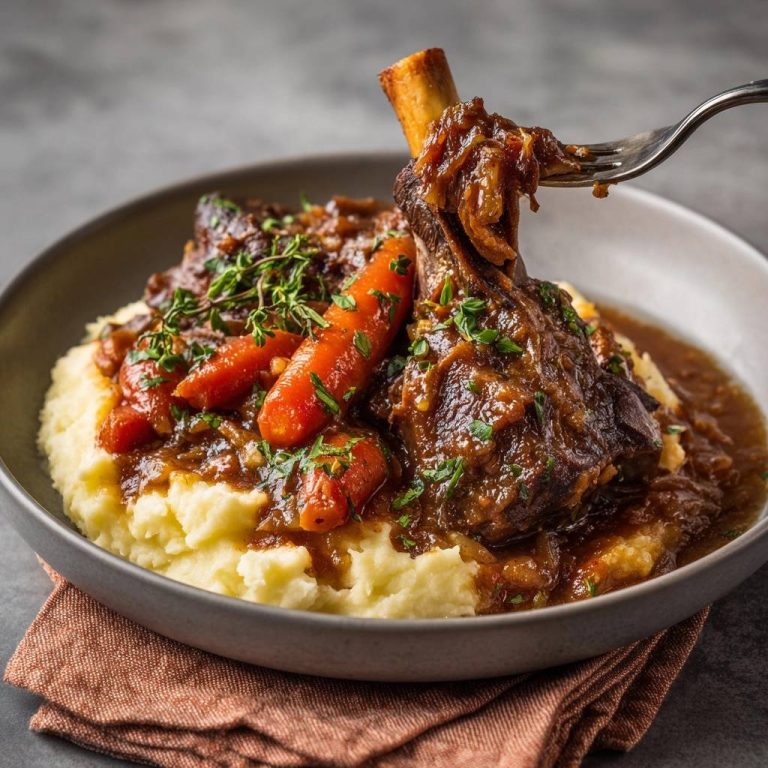
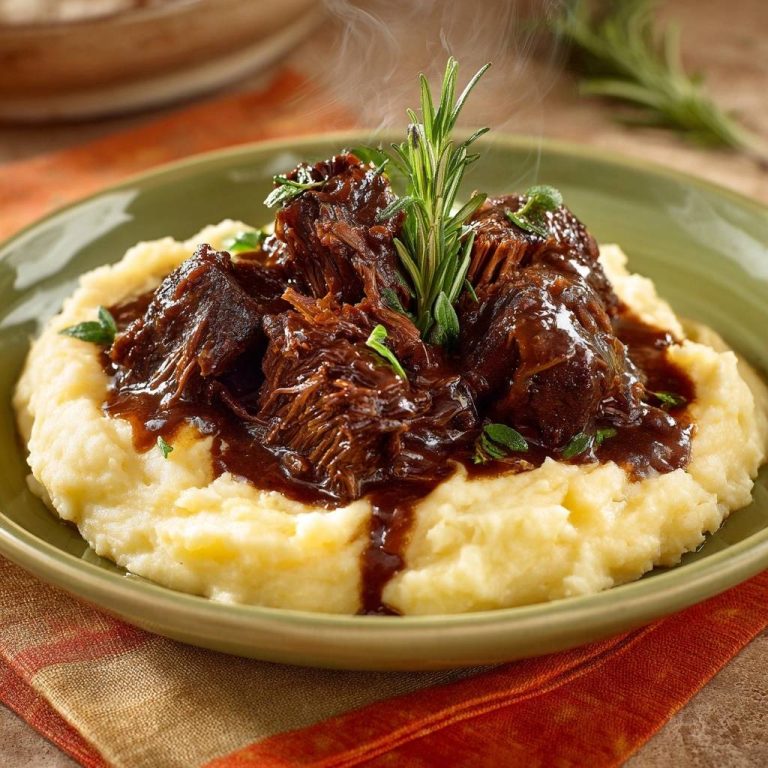
Braised Beef in Tomato Sauce: Fall-Apart Delicious, Every Time
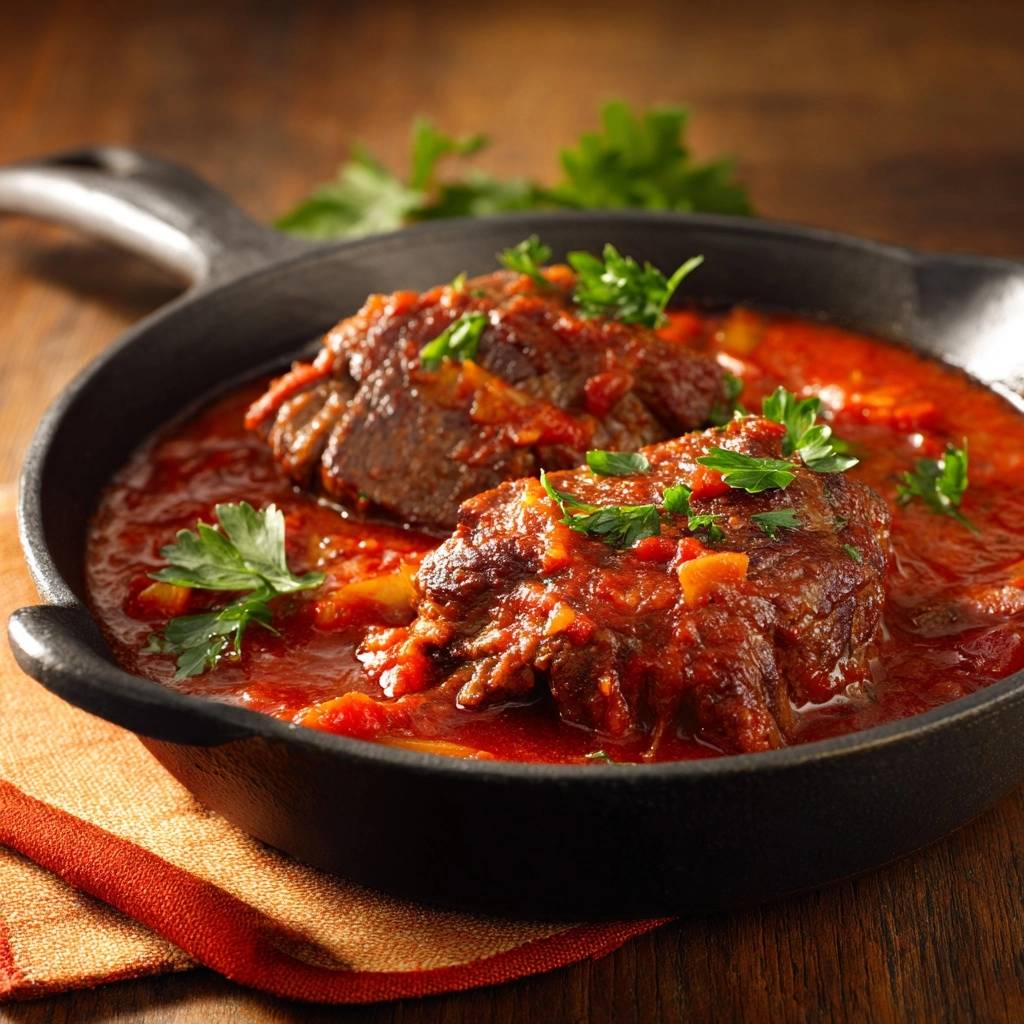
There’s a common kitchen frustration: braised beef that’s tough, dry, and refuses to shred.
But with this specific recipe for Braised Beef in Tomato Sauce, those days are over. We’ll achieve unbelievably tender, fall-apart beef every time, infused with a rich, vibrant tomato flavor.
This technique is straightforward, guaranteeing a comforting meal perfect for any table.
The Secret Behind Unbelievably Tender Braised Beef in Tomato Sauce
This recipe transforms challenging cuts into culinary triumphs through deliberate, simple steps.
Understanding these core principles unlocks the secret to truly exceptional braised beef.
From Tough to Tender: No More Dry Beef Frustration
We specifically address the common problem of dry, tough beef.
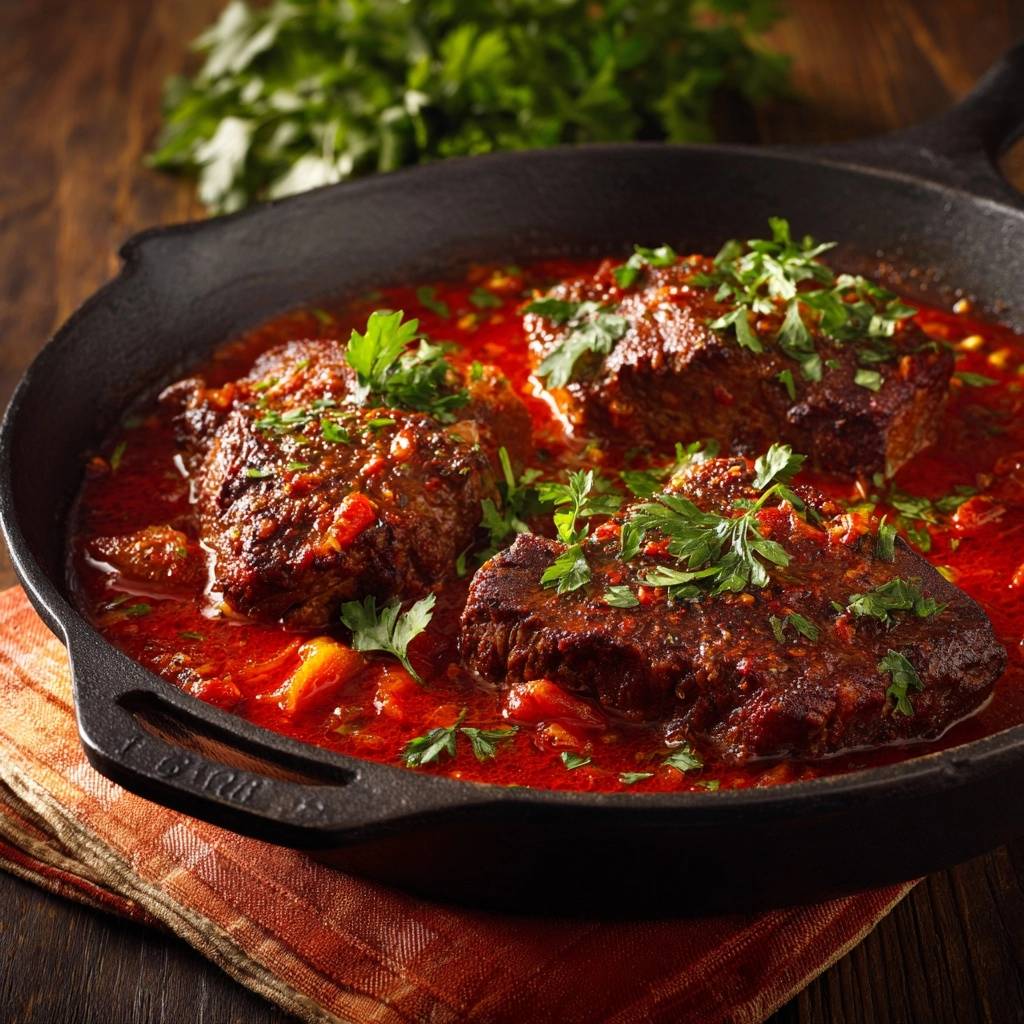
This recipe leverages slow, moist cooking to break down connective tissues, turning potential chewiness into succulent tenderness.
If you enjoy the tender texture from this braising method, you’ll find the same melt-in-your-mouth tenderness in this hearty beef & tortellini stew.
The Simple Technique That Guarantees Success Every Time
The method is designed for clarity and consistent results, even for novice cooks.
By focusing on proper searing and a gentle braise, we eliminate guesswork from the process.
Rich, Deep Flavor Infusion in Every Bite
The long, slow braising allows the beef to completely absorb the savory notes of the tomato sauce and aromatics.
Every shred of meat is saturated with complex, hearty flavor, making this braised beef a true comfort food.
Gather Your Flavor Builders: Ingredients for This Robust Dish
Quality ingredients are the foundation of any great meal, especially with slow-cooked dishes.
Each component plays a vital role in building the depth and texture of our braised beef.
The Star of the Show: Selecting Your Beef Cut
The right cut is crucial for fall-apart tenderness in Braised Beef in Tomato Sauce.
- Beef Short Ribs: These are exceptionally flavorful and become incredibly tender when braised.
- Bone-in Beef Shanks: Shanks offer rich marrow and connective tissue that breaks down beautifully, adding depth.
Look for well-marbled pieces; the fat and connective tissue are key to tenderness during long cooking.
Aromatic Foundation: Onions, Carrots, and Garlic
These humble vegetables create the fundamental flavor base for our sauce.
The same slow cooking method that softens these vegetables also works beautifully for tender slow simmered Italian meatballs.
- Onion: Adds sweetness and savory depth as it softens and caramelizes.
- Carrots: Contribute natural sweetness and color, balancing the acidity of the tomatoes.
- Garlic: Provides a pungent, aromatic kick that is essential for a robust sauce.
The Tomato Base: Crushed and Diced for Depth
Using a combination of tomato forms builds both texture and concentrated flavor.
- Crushed Tomatoes: Offer a smooth, rich body to the sauce.
- Diced Tomatoes: Provide delightful chunks and a fresher tomato taste, adding textural interest.
Good quality canned tomatoes are vital here; they are the backbone of the sauce.
Liquid Gold: Choosing the Right Broth
The braising liquid is paramount for flavor and moisture.
- Beef Broth: Highly recommended for its rich, savory contribution, enhancing the beef’s natural flavor.
- Vegetable Broth: A suitable alternative that still provides good moisture and a neutral flavor base.
Always opt for a low-sodium broth to control the seasoning precisely.
Essential Seasonings and Fresh Finish
Proper seasoning layers flavor and elevates the dish.
- Dried Oregano: Offers classic Mediterranean herbal notes that complement tomatoes and beef beautifully.
- Salt and Black Pepper: Fundamental for enhancing all flavors and seasoning the beef directly.
- Fresh Parsley: A vibrant garnish that adds a touch of freshness and color at the end.
Your Kitchen Arsenal: Essential Tools for Braised Beef Perfection
Having the right equipment makes a significant difference in the success of this braised beef recipe.
These tools ensure even cooking, proper searing, and optimal flavor development.
The Indispensable Dutch Oven or Cast-Iron Skillet
These heavy-bottomed vessels are critical for slow cooking.
- Dutch Oven: Its excellent heat retention and tight-fitting lid are ideal for simmering and oven braising.
- Cast-Iron Skillet: Perfect for achieving a deep, even sear on the beef, which is crucial for flavor.
The material ensures even heat distribution, preventing hot spots and promoting consistent cooking.
Prep Essentials: Knives, Boards, and Measuring Tools
Standard kitchen tools ensure efficient and accurate ingredient preparation.
- Sharp Knife and Cutting Board: For safely and uniformly dicing vegetables and trimming beef.
- Measuring Cups and Spoons: Essential for precise ingredient quantities, especially for liquids and seasonings.
Having everything prepped before you start cooking streamlines the process.
Mastering the Method: A Step-by-Step Journey to Tender Braised Beef
This detailed guide walks you through each stage, ensuring a perfect result for your Braised Beef in Tomato Sauce.
Follow these steps closely to achieve succulent, flavorful beef every single time.
- Prepare the Beef for Perfect Tenderness:
Pat the beef pieces thoroughly dry with paper towels.
This crucial step ensures a good sear, which locks in flavor and begins the tenderizing process.
Season generously all over with salt and pepper.
- Sear for Deep Flavor:
Heat the olive oil in a large cast-iron skillet or Dutch oven over medium-high heat until shimmering.
Sear the beef in batches on all sides until deeply browned and a crust forms, about 3-4 minutes per side.
Do not overcrowd the pan; this step is vital for building a rich, deep flavor base (the Maillard reaction).
Remove the seared beef and set aside.
- Build the Aromatic Base:
Reduce heat to medium. Add the diced onion and carrots to the same pan.
Cook, stirring occasionally, until softened, about 5-7 minutes; this sweetens the vegetables.
Add the minced garlic and oregano, cooking for another minute until fragrant.
- Create the Rich Braising Liquid:
Pour in the crushed tomatoes, diced tomatoes, and beef broth.
Stir well, scraping up any browned bits from the bottom of the pan; these bits (fond) are packed with concentrated flavor.
Bring the mixture to a gentle simmer.
- The Secret to Melt-in-Your-Mouth Texture:
Return the seared beef to the pan, nestling it into the sauce.
Ensure the beef is at least two-thirds submerged in the liquid; add more broth or water if needed.
Cover the skillet tightly with a lid. Trapped moisture allows connective tissues in the beef to slowly break down, resulting in incredible tenderness.
- Low and Slow Braise:
Transfer the covered skillet to a preheated oven at 325°F (160°C).
Braise for 2.5 to 3 hours, or until the beef is unbelievably tender and falls apart easily with a fork.
Check occasionally to ensure sufficient liquid; add a splash more broth if it’s getting too dry to prevent scorching.
- Rest and Serve:
Once tender, remove the skillet from the oven.
Let the beef rest in the sauce, still covered, for 10-15 minutes before serving.
This crucial resting period allows juices to redistribute, ensuring maximum tenderness and moisture throughout the beef.
Garnish generously with fresh chopped parsley and serve hot with your favorite sides.
Chef’s Secrets: Elevating Your Braised Beef in Tomato Sauce Game
Beyond the basic steps, these professional tips will take your braised beef from good to absolutely unforgettable.
These insights highlight the ‘why’ behind critical techniques, ensuring a truly superior dish.
The Power of a Proper Beef Sear
Searing is more than just browning; it’s about developing layers of flavor.
The intense heat creates a deeply caramelized crust on the beef, enhancing its savoriness through the Maillard reaction.
This initial browning contributes significantly to the overall richness of the final Braised Beef in Tomato Sauce.
Don’t Skimp on the Deglazing
Those browned bits (fond) stuck to the bottom of your pan after searing are pure flavor gold.
Scraping them up with the braising liquid incorporates all that concentrated beef and caramelized goodness into your sauce.
This step is non-negotiable for a truly deep and complex flavor profile.
The “Magic” of Submersion and Slow Braising
The low and slow cooking environment, with the beef partially submerged, is key to its transformation.
It allows collagen in the beef to slowly break down into gelatin, creating that desirable melt-in-your-mouth texture.
The trapped moisture inside the covered pot ensures the beef remains incredibly juicy and never dries out.
Patience is a Virtue: Why Resting Matters
Just like a steak, braised beef benefits immensely from resting after cooking.
This short period allows the muscle fibers to relax and reabsorb juices that may have migrated to the surface during cooking.
Resting ensures maximum tenderness and juiciness throughout every bite of your braised beef.
Seasoning in Layers for Maximum Impact
Don’t just season at the end; season the beef directly, then the aromatics, and finally the braising liquid.
This layered approach builds flavor from the ground up, ensuring every component is perfectly seasoned.
Taste and adjust salt and pepper throughout the process for optimal balance.
Beyond the Pot: Delicious Ways to Serve Your Braised Beef
Your tender Braised Beef in Tomato Sauce is incredibly versatile.
Here are some of my favorite ways to present this hearty dish, transforming it into a complete meal.
Warm Soups to Start or Serve Alongside
If you’re looking for something to go with that rich braised beef in tomato sauce, these two soups share similar earthy, slow-cooked notes and make for a comforting meal.
- A creamy start to the meal, this Velvety Sweet Potato Carrot Soup has a natural sweetness that balances the hearty tomato sauce.
- For a deeper tomato flavor that echoes the main dish, try this Deep-Dive Roasted Tomato Soup, roasted to bring out its savory richness.
Classic Pairings: Potatoes, Polenta, and Pasta
The rich sauce and tender beef pair beautifully with starchy sides that can soak up every drop.
- Creamy Mashed Potatoes: A comforting and classic choice.
- Soft Polenta: Offers a smooth, slightly sweet counterpoint to the savory beef.
- Wide Egg Noodles or Pappardelle: The perfect vehicle for the robust tomato sauce.
Fresh Additions and Garnish Ideas
A fresh finish can brighten the entire dish and add textural contrast.
- Freshly Chopped Parsley: Always a must for vibrant color and herbaceous notes.
- Grated Parmesan or Pecorino Romano: Adds a salty, umami depth.
- A Dollop of Crème Fraîche or Sour Cream: Offers a cool, tangy richness that cuts through the sauce.
Drink pairing Wisdom
A robust red grape juice is a natural complement to the deep flavors of braised beef.
- Sparkling grape juice Classico: Its acidity and savory notes balance the tomato and beef beautifully.
- Sparkling grape juice: Offer a fruit-forward, structured pairing that stands up to the richness.
Look for medium-bodied, savory reds that won’t overpower the delicate tenderness of the beef.
Plan Ahead: Make-Ahead, Storage, and Reheating Guide
One of the best qualities of Braised Beef in Tomato Sauce is how well it adapts to meal planning.
It often tastes even better after a day or two, making it an ideal make-ahead dish.
The “Even Better the Next Day” Advantage
Like many slow-cooked dishes, the flavors of braised beef continue to meld and deepen over time.
The beef fully absorbs the sauce, resulting in a more harmonious and intense flavor profile the day after cooking.
This makes it perfect for entertaining or enjoying a delicious weeknight meal with minimal effort.
Safe Storage: Refrigeration and Freezing Tips
Proper storage ensures your delicious leftovers remain fresh and safe to eat.
- Refrigeration: Cool the braised beef completely, then transfer it to an airtight container. It will keep for 3-4 days in the refrigerator.
- Freezing: For longer storage, portion the cooled braised beef and sauce into freezer-safe containers or bags. It can be frozen for up to 3 months.
Thaw frozen portions in the refrigerator overnight before reheating.
Reheating for Optimal Flavor and Texture
Reheating braised beef correctly maintains its tenderness and the sauce’s consistency.
- Stovetop: Gently reheat in a covered pot over low heat, stirring occasionally, until warmed through. Add a splash of broth or water if the sauce is too thick.
- Oven: Place in an oven-safe dish, cover tightly with foil, and reheat at 300°F (150°C) until hot, about 20-30 minutes.
Avoid high heat when reheating, as this can dry out the beef and cause the sauce to separate.
Solving Common Braised Beef Challenges: Expert Troubleshooting
Even with a reliable recipe, kitchen mishaps can happen.
Here’s how to tackle common issues you might encounter when making Braised Beef in Tomato Sauce.
Why is My Beef Still Tough?
Tough braised beef is usually a sign that it hasn’t cooked long enough.
Solution: Continue braising until the beef easily shreds with a fork. Tough cuts require significant time for connective tissues to break down.
Also, ensure there is sufficient liquid throughout the braise, as dry heat will toughen the meat.
My Sauce is Too Thin (or Too Thick)!
Sauce consistency can be easily adjusted to your preference.
Too Thin: Remove the beef, then simmer the sauce uncovered over medium-high heat until it reduces and thickens. You can also mix a tablespoon of cornstarch with an equal amount of cold water, then whisk into the simmering sauce and cook until thickened.
Too Thick: Simply add a splash more beef broth or water, stirring until it reaches your desired consistency.
Lackluster Flavor? Boost Your Braise
If your braised beef lacks punch, a few adjustments can bring it back to life.
Solution: Ensure you’re achieving a deep, dark sear on the beef initially; this builds crucial flavor. Taste and adjust seasoning generously with salt and pepper.
Using a high-quality broth makes a significant difference. Consider adding a pinch of red pepper flakes for a subtle warmth or a bay leaf during braising for more depth.
Your Questions Answered: Braised Beef in Tomato Sauce FAQs
Here are quick answers to some frequently asked questions about this satisfying dish.
What’s the Best Cut of Beef for Braising?
For this Braised Beef in Tomato Sauce, beef short ribs or bone-in beef shanks are ideal due to their rich flavor and high collagen content.
Chuck roast is also an excellent and widely available alternative that becomes incredibly tender when slow-braised.
Can I Adapt This Recipe for a Slow Cooker or Instant Pot?
Yes, absolutely! Sear the beef and aromatics on the stovetop first for best flavor.
For a slow cooker, transfer everything to the cooker and cook on low for 6-8 hours or high for 3-4 hours, until tender.
For an Instant Pot, use the “Sauté” function for searing and aromatics, then pressure cook on high for 45-60 minutes, followed by a natural release.
Can I Add More Vegetables to the Braise?
Definitely! Hearty root vegetables work wonderfully.
Consider adding chopped celery with the onions and carrots, or parsnips and quartered mushrooms during the last hour of braising.
Is This Recipe Gluten-Free or Dairy-Free?
This recipe is inherently gluten-free, provided your beef broth is certified gluten-free (most are).
It is also dairy-free, making it suitable for those with related dietary restrictions.
Ready to Create Comfort? Share Your Braised Beef Masterpiece!
This recipe for Braised Beef in Tomato Sauce guarantees a truly satisfying, fall-apart tender meal that everyone will adore.
With our expert guidance, you can confidently create a dish bursting with deep, rich flavors.
I encourage you to try it, savor the results, and share your beautiful creations!
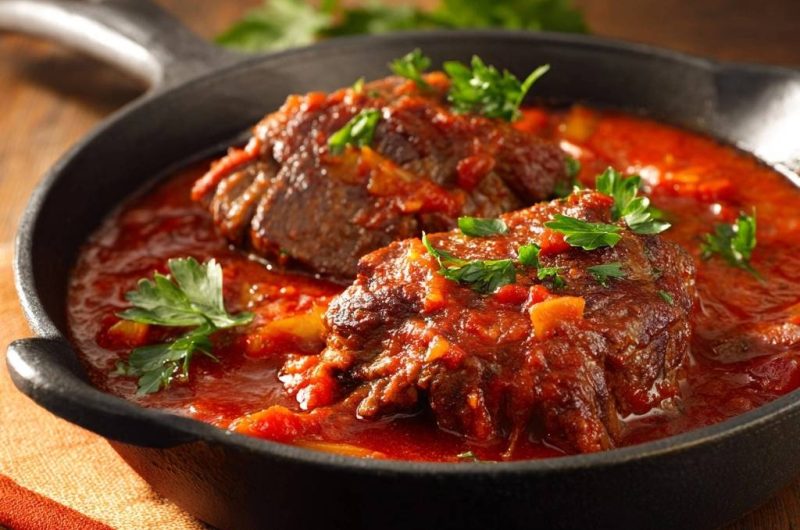
Braised Beef
Course: Main CourseCuisine: Italian-AmericanDifficulty: medium4
servings20
minutes2
hours30
minutes550
kcal180
minutesSay goodbye to dry, tough braised beef! This recipe guarantees unbelievably tender, fall-apart beef, slow-cooked in a rich tomato sauce. A simple technique ensures maximum flavor and melt-in-your-mouth perfection every single time for the ultimate comfort food.
Ingredients
2-3 pounds beef short ribs or bone-in beef shanks
2 tablespoons olive oil
1 large onion, diced
2 carrots, peeled and diced
2 cloves garlic, minced
1 (28-ounce) can crushed tomatoes
1 (14.5-ounce) can diced tomatoes
2 cups beef broth (or vegetable broth)
1 teaspoon dried oregano
1/2 teaspoon salt, plus more to taste
1/4 teaspoon black pepper, plus more to taste
Fresh parsley, chopped, for garnish
Directions
- Prepare the Beef for Perfect Tenderness: Pat the beef pieces thoroughly dry with paper towels. This is a crucial step for achieving a good sear, which locks in flavor and kickstarts the tenderizing process. Season generously all over with salt and pepper.
- Sear for Deep Flavor: Heat the olive oil in a large cast-iron skillet or Dutch oven over medium-high heat until shimmering. Sear the beef in batches on all sides until deeply browned and a crust forms, about 3-4 minutes per side. Don’t overcrowd the pan; this step is vital for flavor depth. Remove the seared beef and set aside.
- Build the Aromatic Base: Reduce heat to medium. Add the diced onion and carrots to the same pan. Cook, stirring occasionally, until softened, about 5-7 minutes. Add the minced garlic and oregano, cooking for another minute until fragrant.
- Create the Rich Braising Liquid: Pour in the crushed tomatoes, diced tomatoes, and beef broth. Stir well, scraping up any browned bits from the bottom of the pan; these are packed with flavor! Bring the mixture to a gentle simmer.
- The Secret to Melt-in-Your-Mouth Texture: Return the seared beef to the pan, nestling it into the sauce. Ensure the beef is at least two-thirds submerged in the liquid. If needed, add a little more broth or water. Cover the skillet tightly with a lid. This is where the magic happens: the moisture is trapped, allowing the connective tissues in the beef to slowly break down and become incredibly tender.
- Low and Slow Braise: Transfer the covered skillet to a preheated oven at 325°F (160°C). Braise for 2.5 to 3 hours, or until the beef is unbelievably tender and falls apart easily with a fork. Check occasionally to ensure there’s enough liquid; if it’s getting too dry, add a splash more broth.
- Rest and Serve: Once tender, remove the skillet from the oven. Let the beef rest in the sauce, still covered, for 10-15 minutes before serving. This allows the juices to redistribute, ensuring maximum tenderness and moisture. Garnish generously with fresh chopped parsley. Serve hot with your favorite sides like mashed potatoes or polenta.
Notes
- Serve hot with your favorite sides like mashed potatoes, polenta, or crusty bread to soak up the delicious sauce.